Exploring Yeonpung Confucian School in Goesan
- Original source
- blog.naver.com



[ Yeonpung Confucian School ]
Must-Visit Places in Goesan County
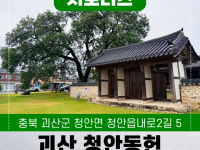
Goesan's Yeonpung Confucian School is a significant historical site that reflects the remnants of the Yeonpung district from the Joseon Dynasty.
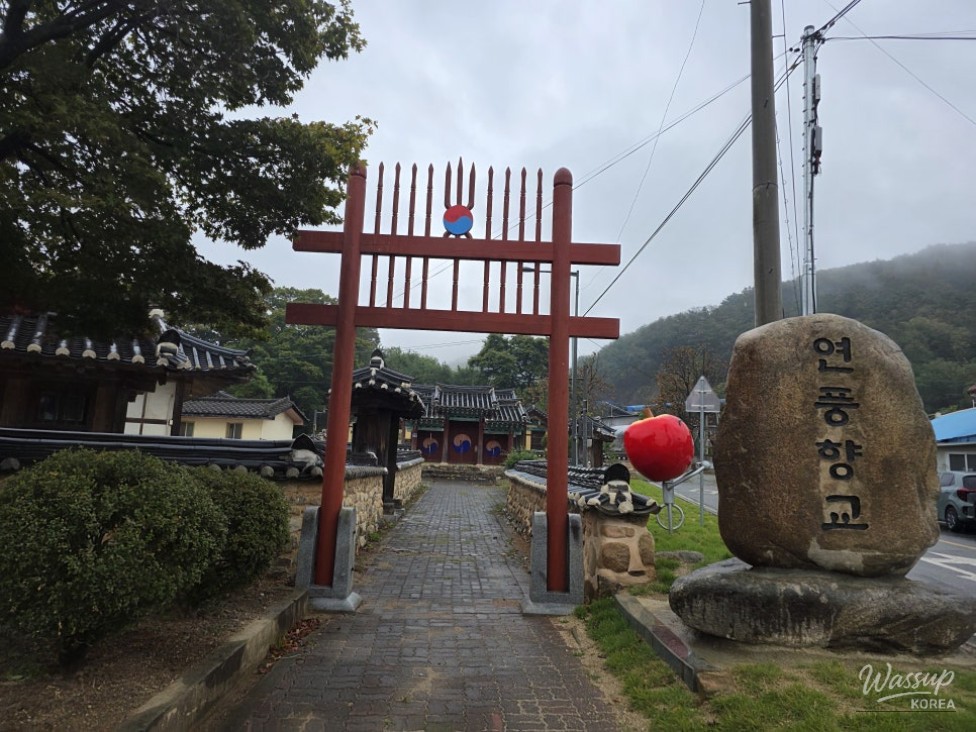
This Confucian school, located on Hyanggyo-ro in Yeonpung-myeon, is designated as a cultural heritage site in North Chungcheong Province. It features a striking red Hongsalmun gate, a large stone tablet inscribed with 'Yeonpung Confucian School,' and an ancient Hama monument at its entrance.
The school is a great place to visit along with the nearby Yeonpung Sacred Site.
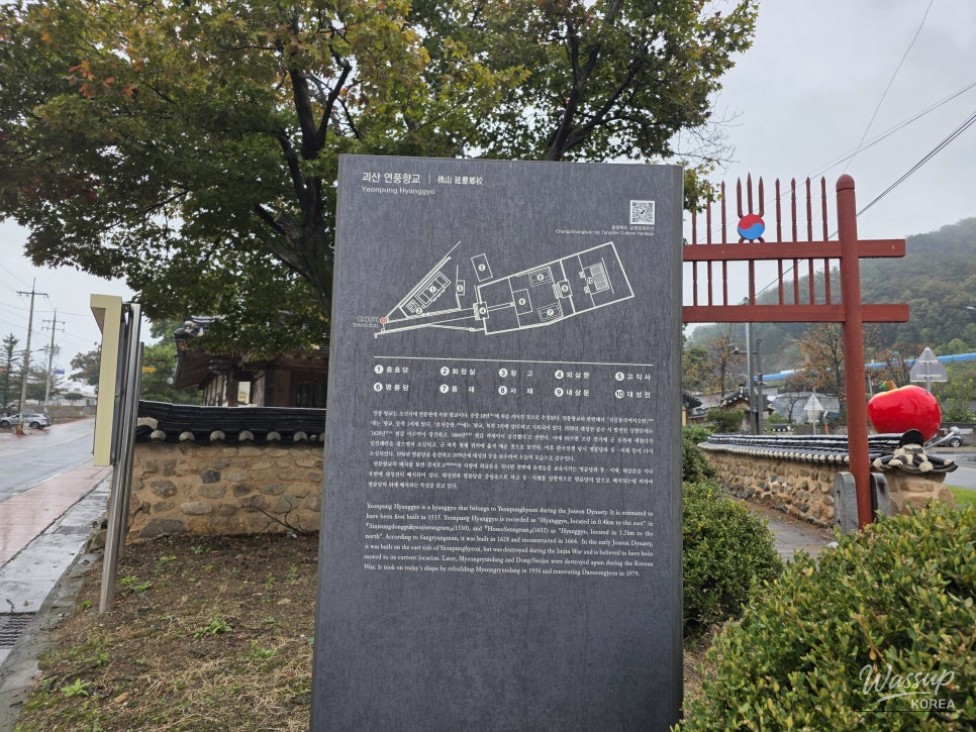
According to an informational sign, Yeonpung Confucian School was first established in 1515, during the 10th year of King Jungjong's reign. A wooden plaque discovered during renovations in 1978 indicates that it was rebuilt in 1628 by the local governor, Lee Soo-yak, and again in 1664 by Governor Kwak Se-ik.
Initially located to the east of the town, it was moved to its current site after being burned down during the Imjin War. The school suffered further damage during the Korean War, leading to the reconstruction of Myongnyundang in 1956 and subsequent restorations in 1979.
This school, which has been rebuilt multiple times, holds a deeper significance for visitors.
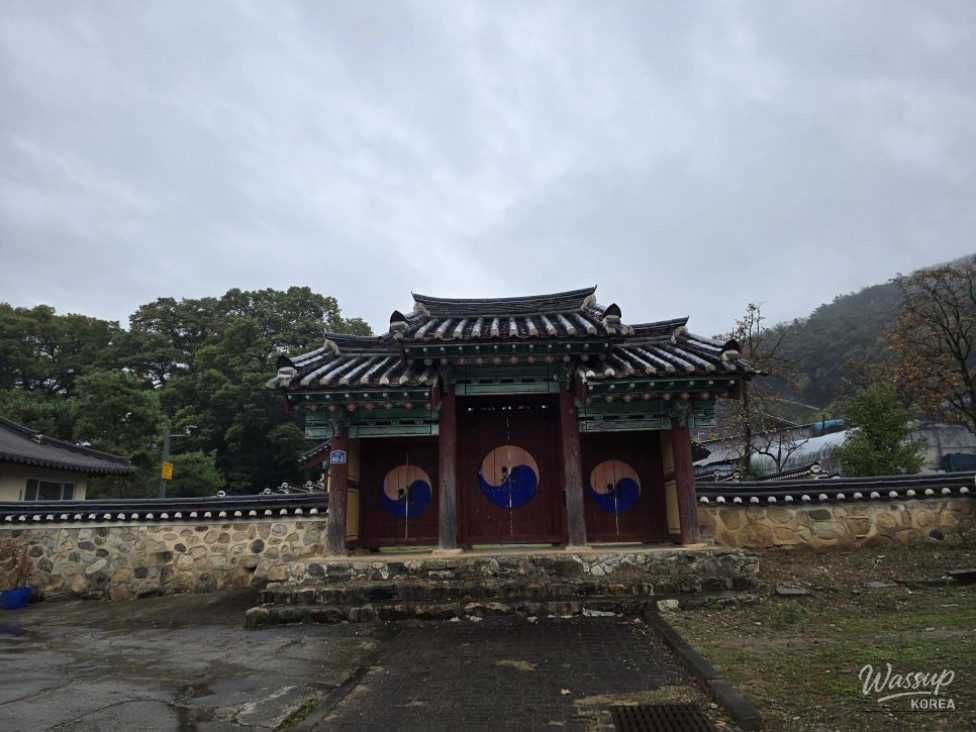
The entrance features a Hongsalmun gate adorned with the Taeguk symbol, leading to a straight path toward the school building. To the right, a large stone tablet engraved with 'Yeonpung Confucian School' stands prominently.
When I visited, a mist hung over the nearby mountain, adding to the tranquil atmosphere.
In front of the Hongsalmun, there is a Hama monument inscribed with '하마비,' which instructs visitors to dismount from their horses and walk from that point onward, symbolizing respect for the school.
Next to the entrance, an information board provides a layout of the school, indicating key locations such as Myongnyundang, restrooms, and the Daeseongjeon shrine.
One interesting note from historical texts states that in 1530, the school was recorded to be located one ri east of the town, and in 1632, it was noted to be three ri north, showing a change in its location over a century.
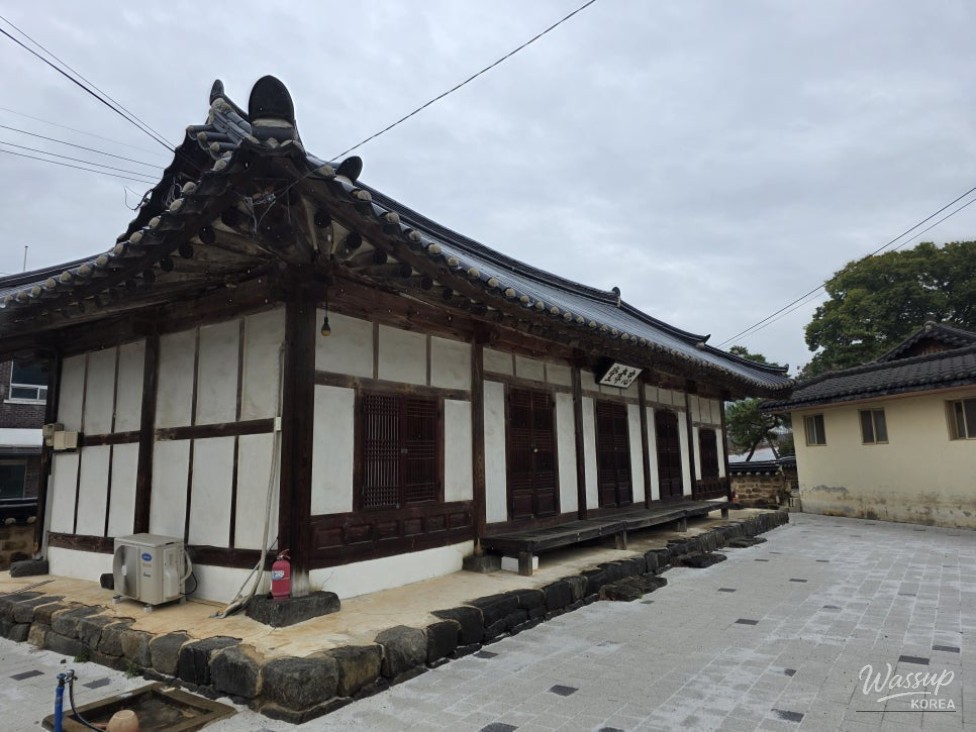
Upon entering the outer gate, visitors are greeted by a spacious courtyard with neatly paved paths and a long wooden porch, perfect for a brief rest.
The contrast of the white walls against the yellow buildings inside creates a visually appealing scene.
As you step through the outer gate, the vibrant colors of the doors and the surrounding stone walls capture the essence of the old school.
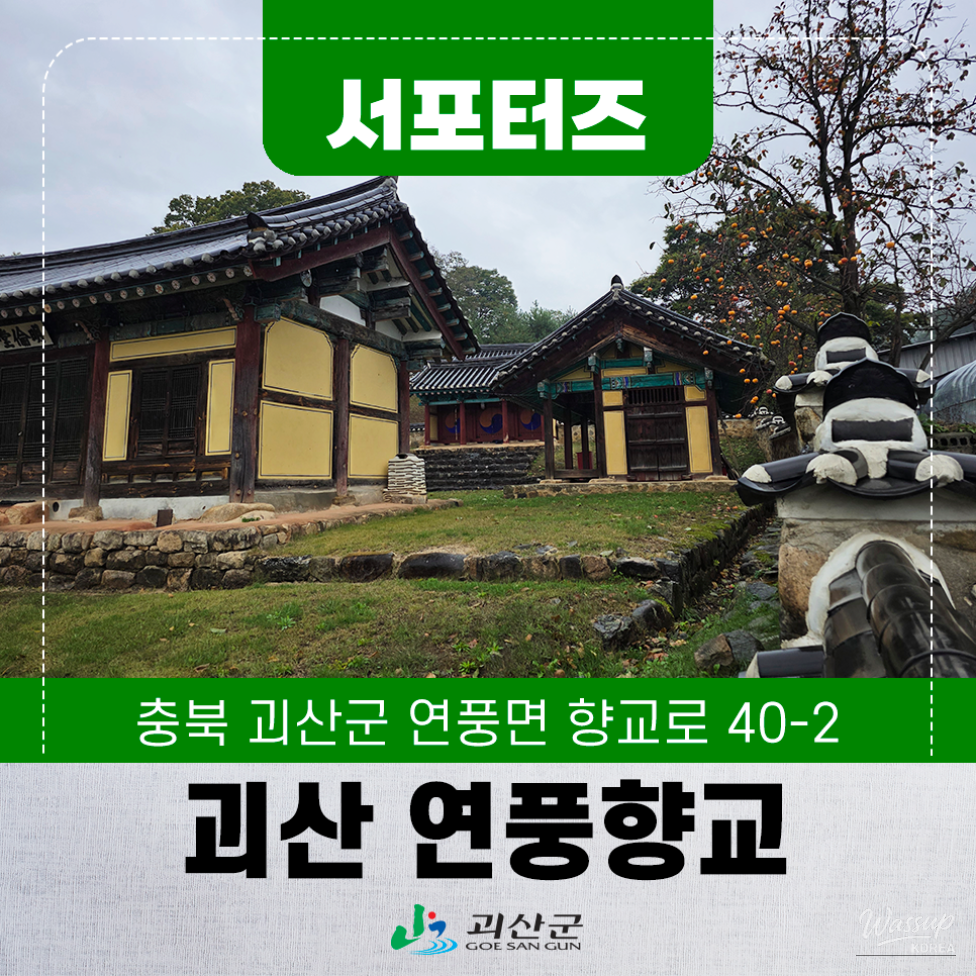
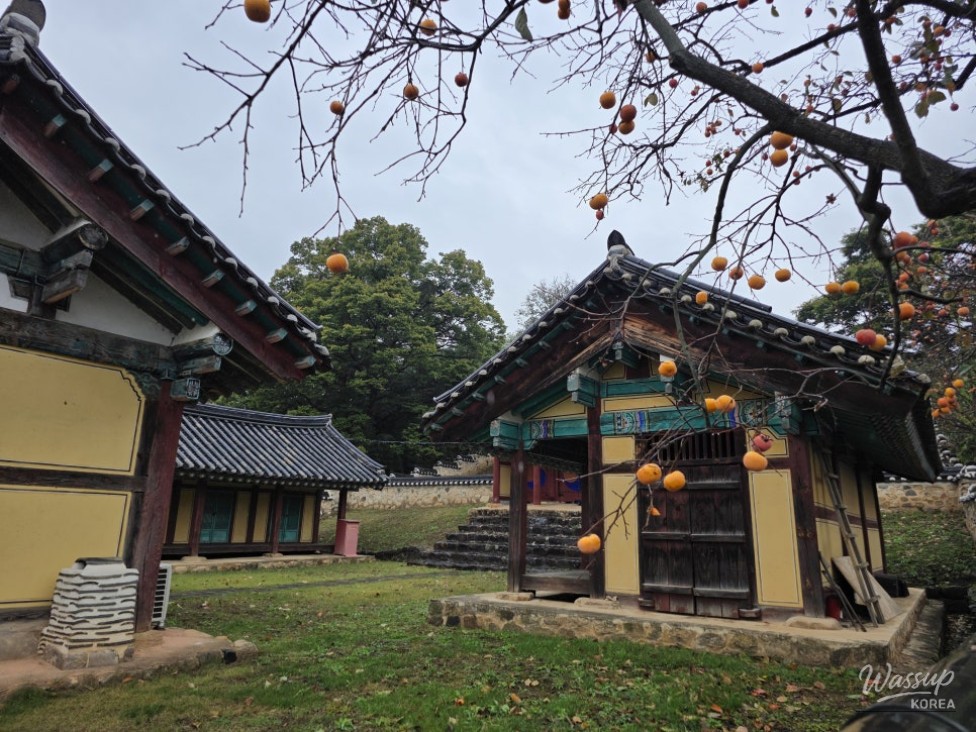
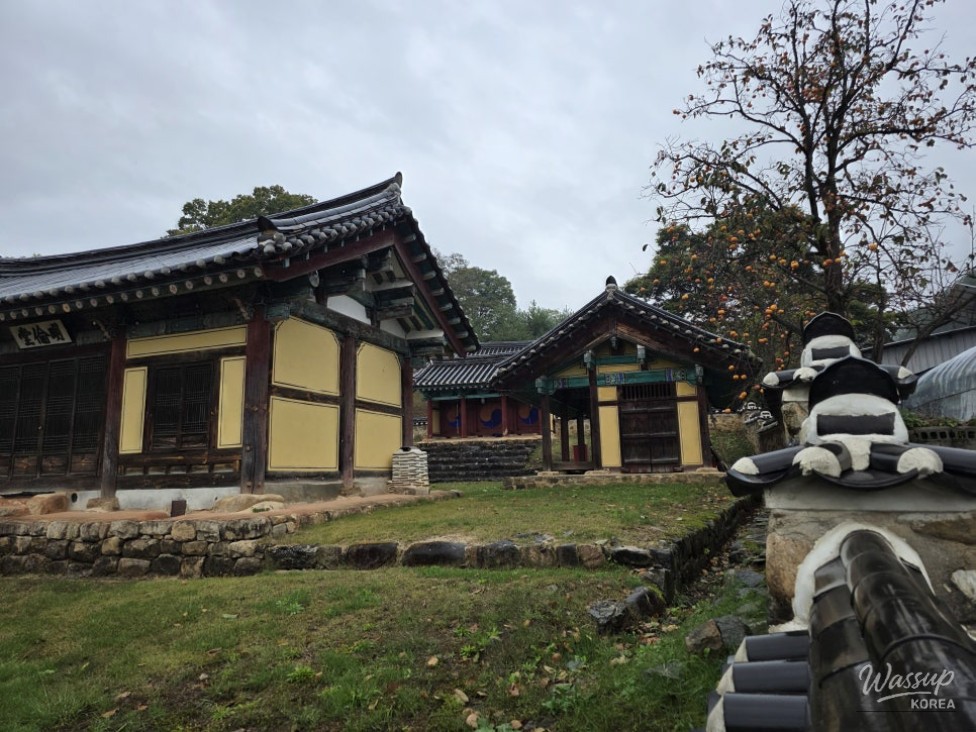
Inside, a wide lawn and yellow-walled buildings emerge, distinctively placing the Dongjae and Seojae behind Myongnyundang, unlike other Confucian schools.
The tall persimmon tree in the courtyard was laden with orange fruits during my visit, creating a picturesque autumn rural landscape.
I highly recommend visiting Yeonpung Confucian School in the fall to enjoy the beauty of the persimmon tree.
The tranquil atmosphere allowed me to stroll quietly through the school grounds.
As I ventured further inside, I found more buildings with yellow walls and red pillars, surrounded by a lush lawn.
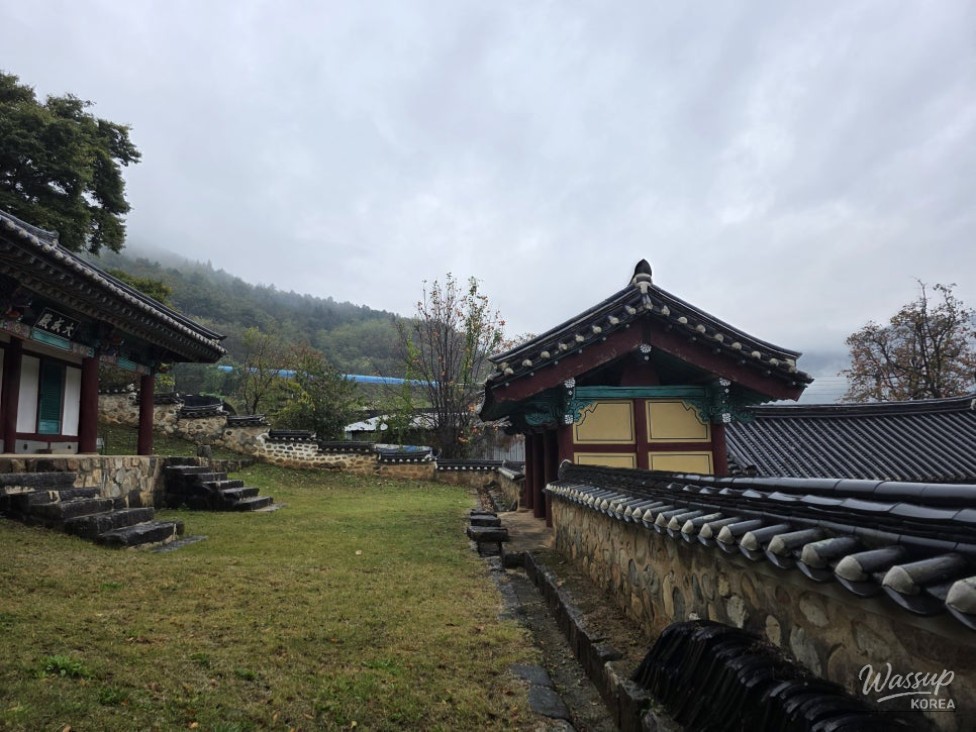
The scenery, enhanced by low-hanging clouds after a rain, added to the charm of the location.
Looking back from the rear courtyard, the tiered steps and walls illustrate the unique topography of the school.
After exploring Yeonpung Confucian School, consider visiting the nearby Yeonpung Sacred Site to enrich your travel experience.
Although not a bustling tourist attraction, the combination of the persimmon tree, stone walls, and misty mountains makes Yeonpung a delightful destination in Goesan.







Source :https://blog.naver.com/goesan-gun/224457815603
More from Travel





No comments yet.