Discovering the Unique Wooden Three-Story Pagoda at Botapsa Temple
- Original source
- blog.naver.com


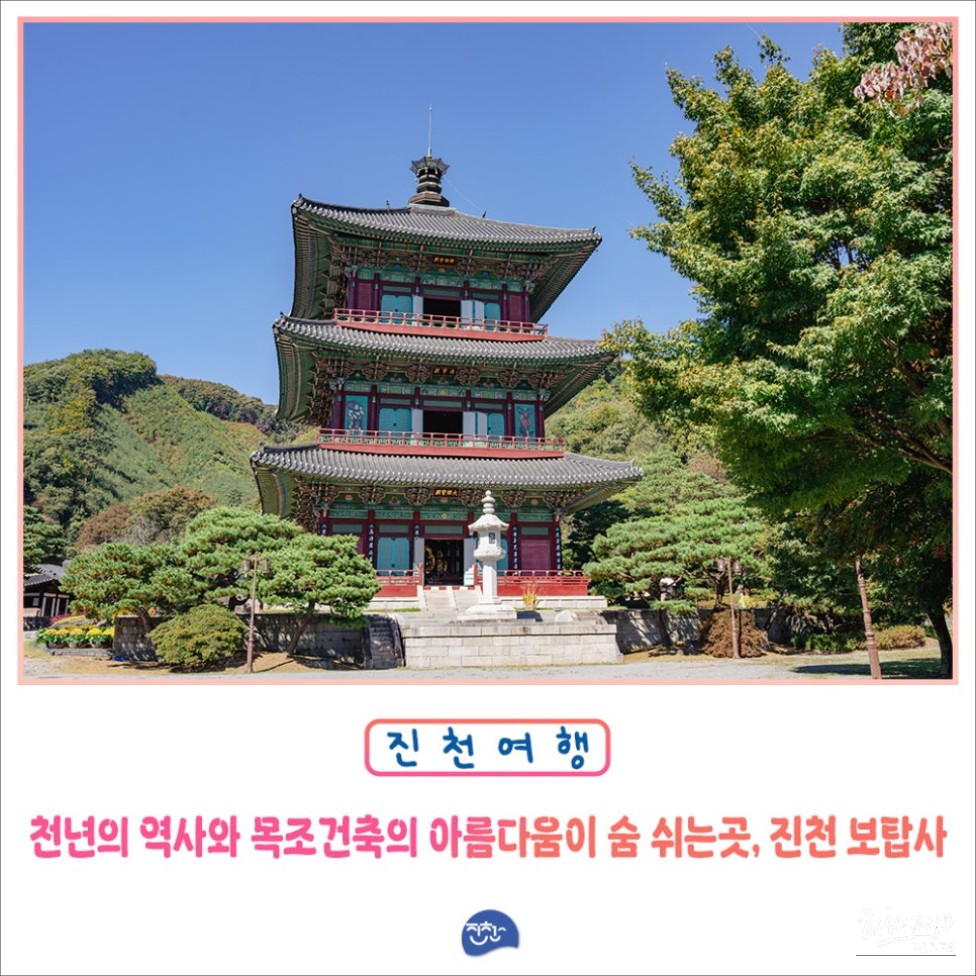
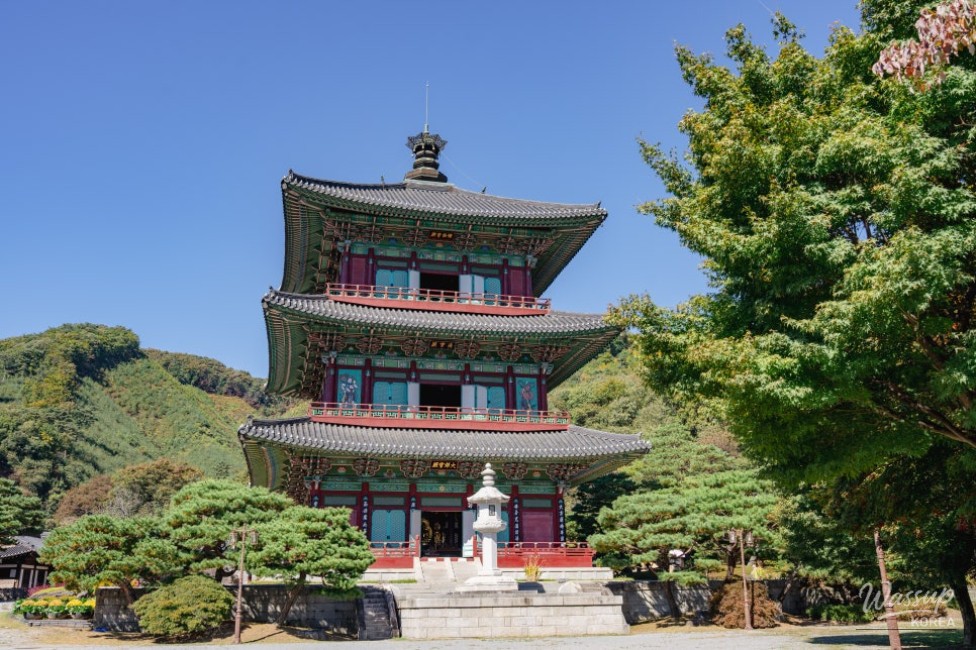
I recently visited the only three-story wooden pagoda in South Korea, built without iron nails.
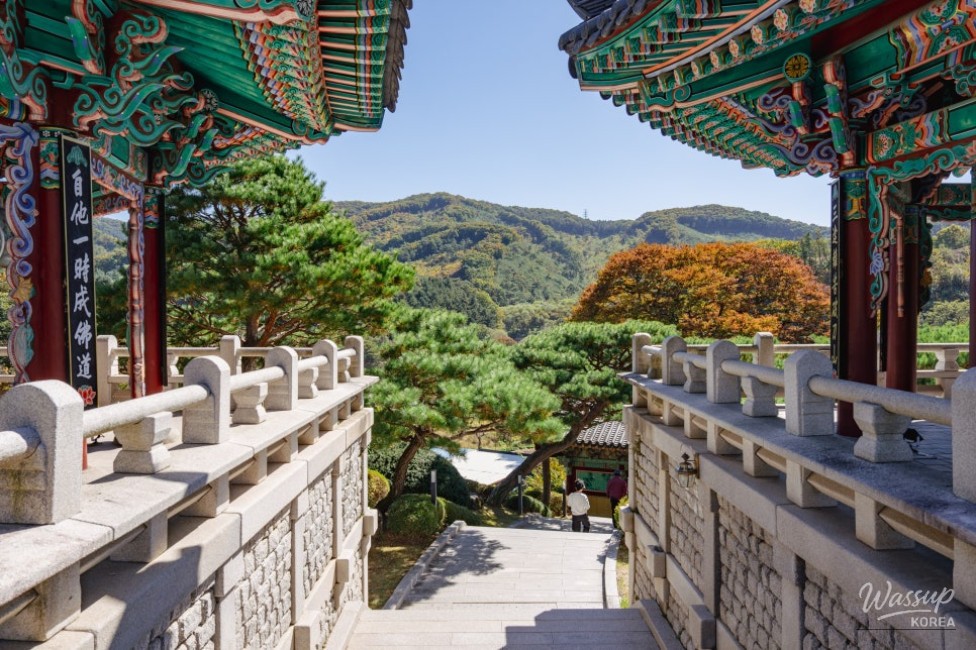
As I walked along the lush slopes of Mount Manroe, the majestic yet elegant wooden pagoda came into view, captivating my gaze.
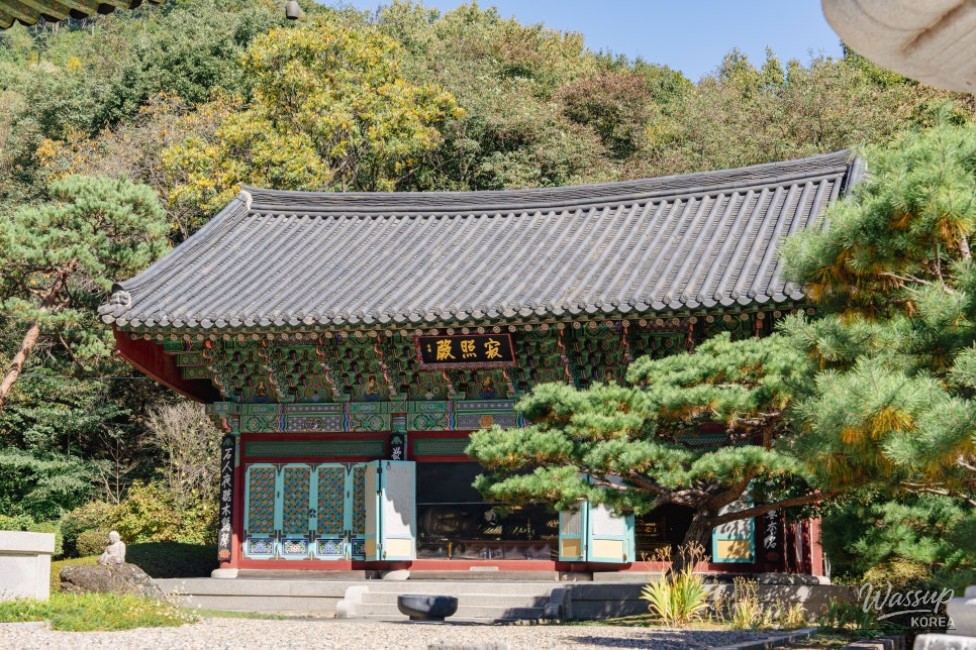
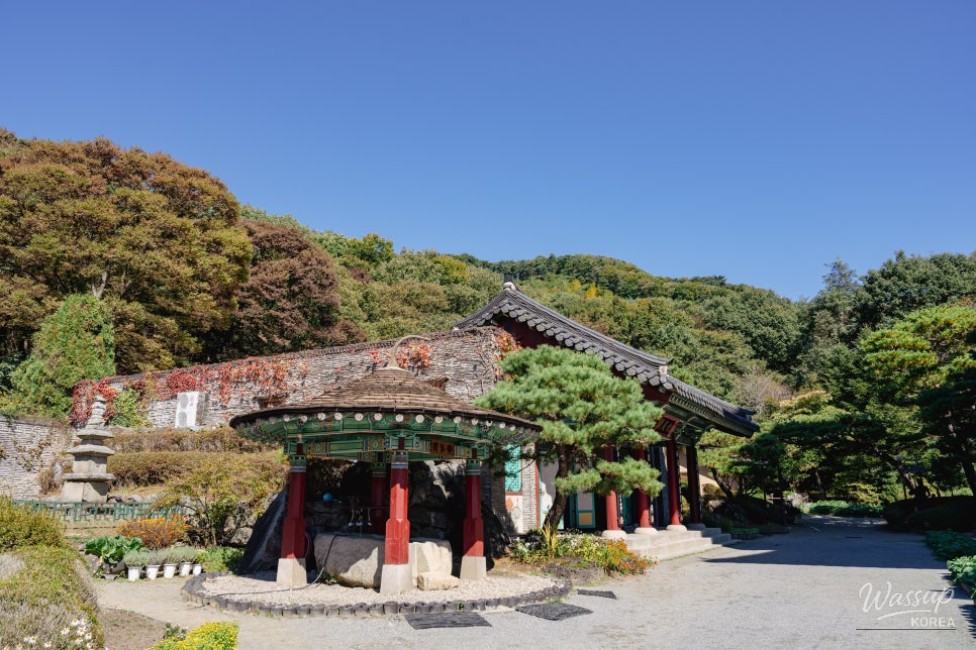
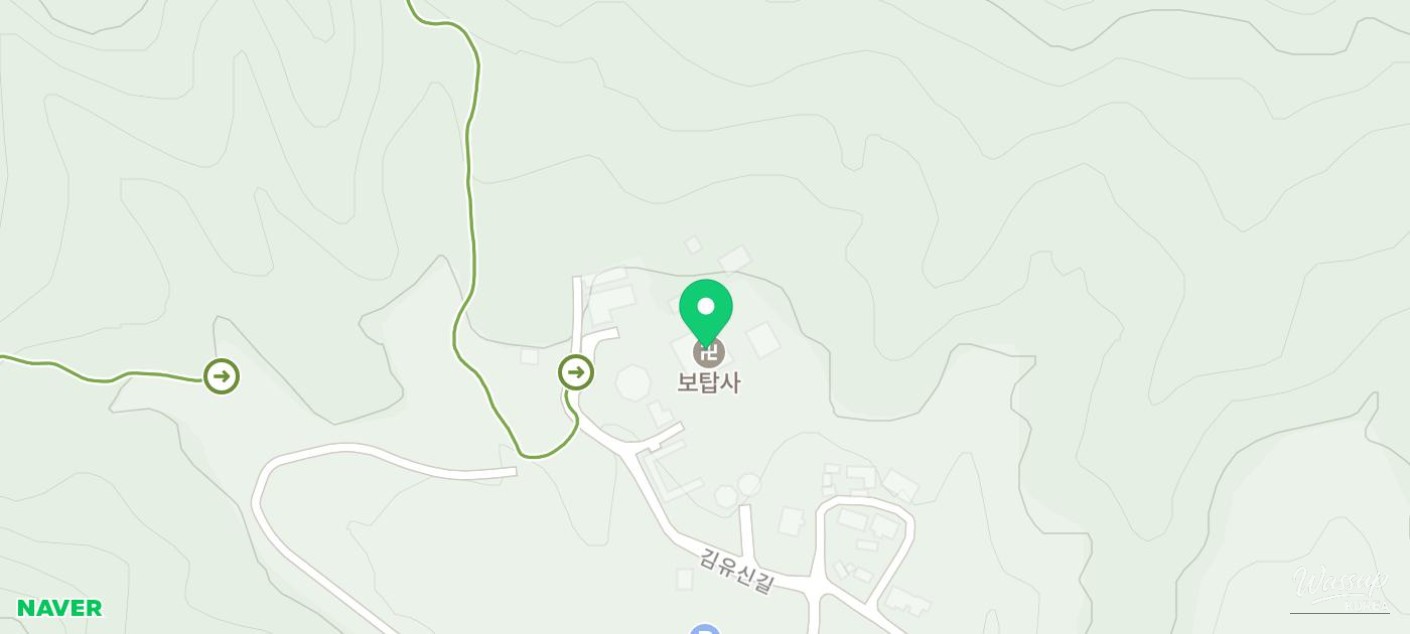
Botapsa Temple, located in Jincheon, Chungbuk, is a representative site that beautifully embodies traditional architecture and offers healing experiences throughout all four seasons.
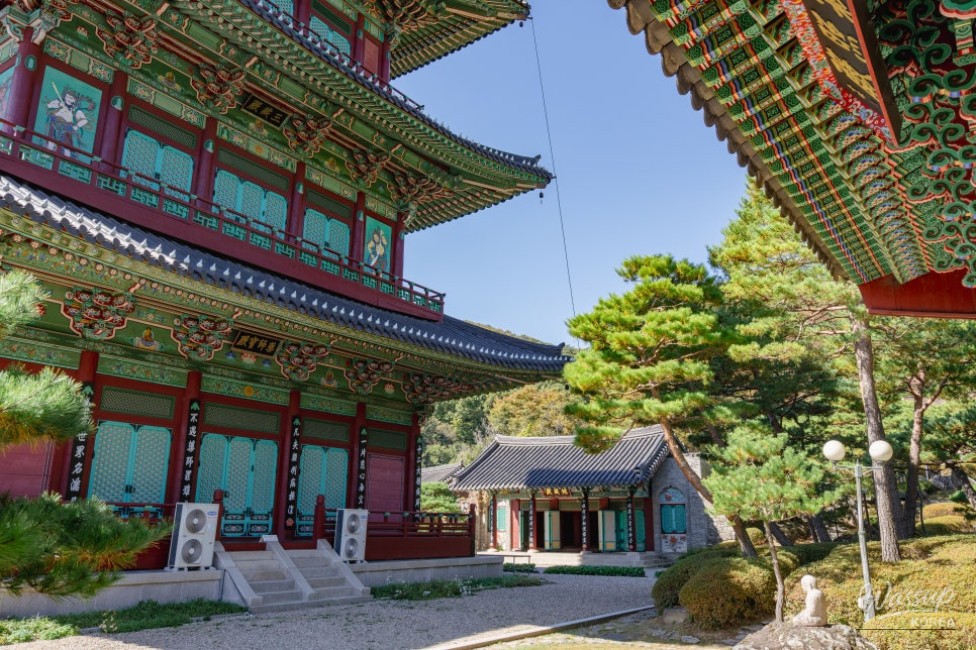
What makes Botapsa particularly famous is its grand three-story wooden pagoda, which stands at an impressive height of 42.7 meters, excluding the finial. It captures attention from afar.
This pagoda showcases the wisdom and remarkable craftsmanship of ancient Korean architecture. Notably, it was constructed entirely without a single iron nail, using traditional methods to interlock the wooden beams.
Inside the pagoda, visitors can walk from the first to the third floor, each level holding a unique significance with various Buddhist deities.
The first floor features the Daeungjeon Hall, where four Buddha statues are enshrined for worship. The second floor, known as Beobbojeon, houses a stone tablet inscribed with the Korean Lotus Sutra and translations of the Tripitaka, conveying the teachings of Buddhism.
The third floor, Maitreya Hall, solemnly enshrines the gilt-bronze Maitreya Triad, marking the pinnacle of the pagoda.
Botapsa Temple, nestled within the embrace of Mount Manroe, is a historically significant site that has been restored in the 1990s, reviving the legacy of an ancient temple that existed from the Three Kingdoms to the Goryeo Dynasty.
The name 'Botapsa' derives from the Lotus Sutra, reflecting the aesthetic of traditional Buddhist architecture and its profound meanings throughout the temple grounds.
In addition to the impressive three-story pagoda, the Jincheon Yeongok-ri stone monument from the Goryeo period stands guard within the temple, adding to the dignity of this ancient site.
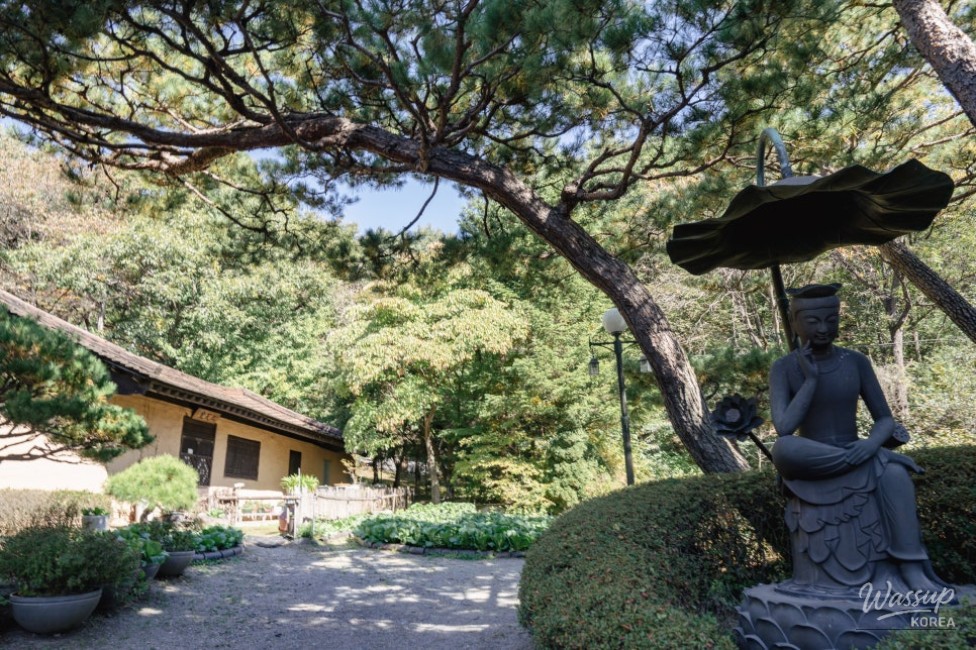
Structures like the Jijangjeon, uniquely built inspired by the tomb of King Jangsu, and the cozy, traditional Gwitl house known as Sanshingak harmonize beautifully with the seasonal wildflowers and garden fences.
In recent times, many people seek solace in temples to escape their busy lives. Even for non-religious visitors, enjoying contemplation and nature in the serene atmosphere of a mountain temple has become a popular leisure trend.
Botapsa Temple, in particular, draws many visitors due to its comforting healing ambiance and the overwhelming sights that can only be experienced here.
This upcoming weekend, I recommend spending a warm and healing time at Botapsa Temple, where the blue nature and the breath of a thousand years come alive.




Source :https://blog.naver.com/jincheongun/224443473782
More from Travel
No comments yet.