Exploring Ulsan Dongheon and Nae-a: A Historical Retreat
- Original source
- blog.naver.com



As the cool breeze of the season arrives, we find ourselves seeking places where we can stroll slowly and enjoy the surrounding scenery.
In the heart of Ulsan, there is a space where you can escape the hectic daily life and leisurely walk while encountering history: Ulsan Dongheon and Nae-a, located in Jung-gu.
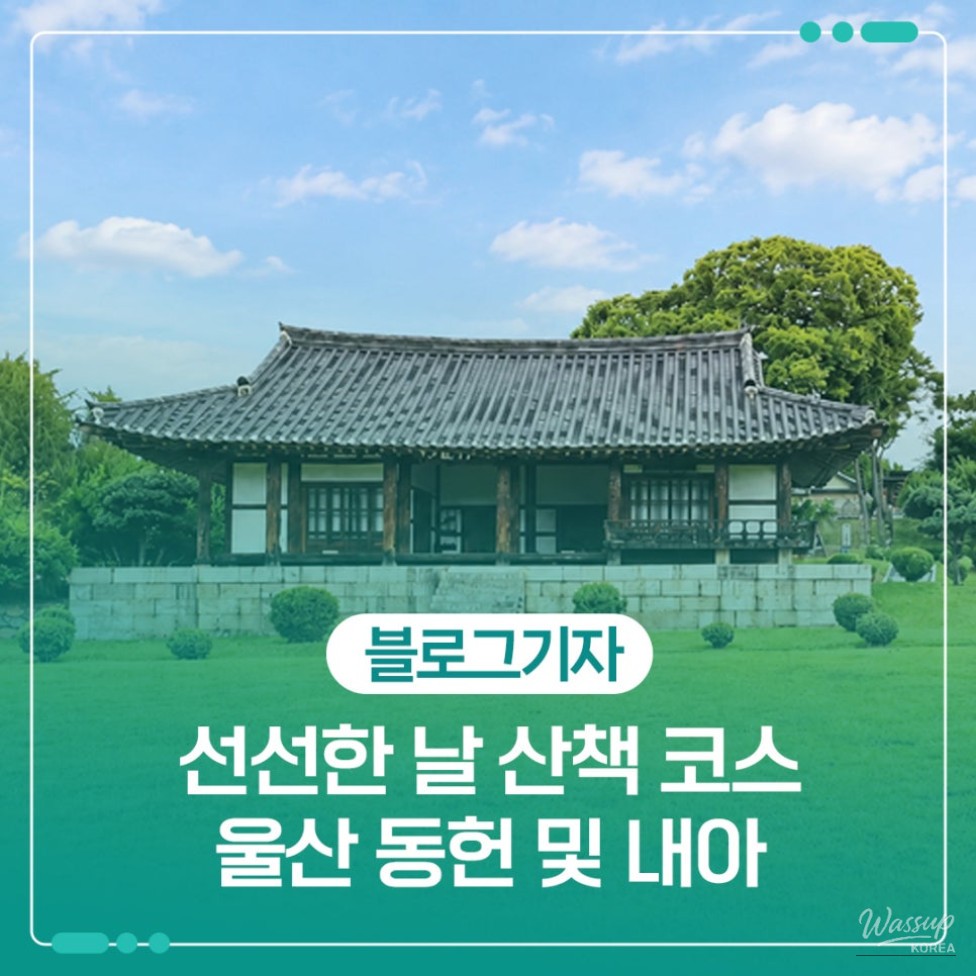
This site was the administrative center of Ulsan during the Joseon Dynasty, where you can explore old government buildings and various cultural heritage sites. The serene traditional Hanok, lush green grass, and ancient trees create a perfect setting for a light stroll.
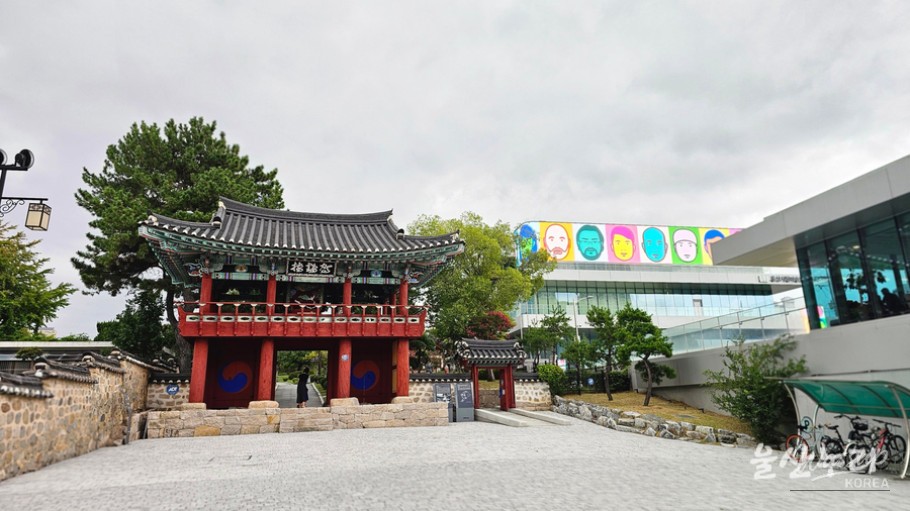
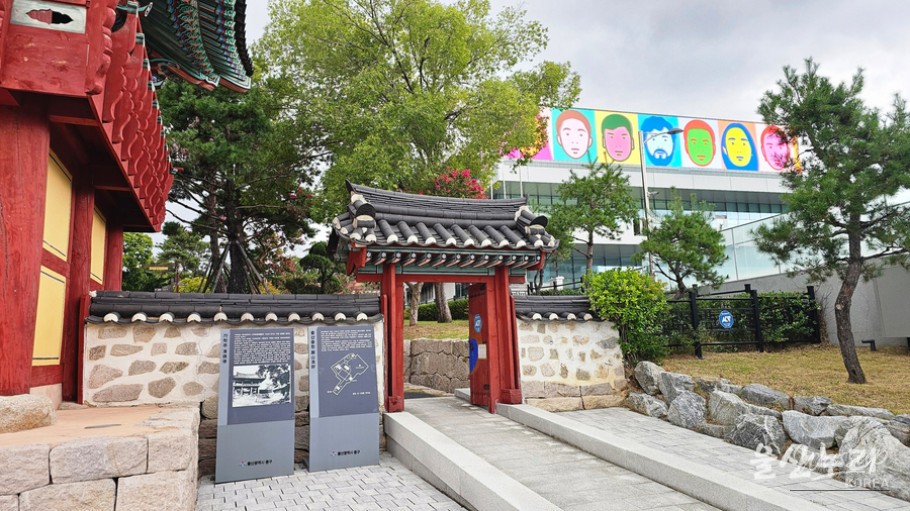
At the entrance, you can see Gahakru and the Ulsan Museum of Art right next to it.
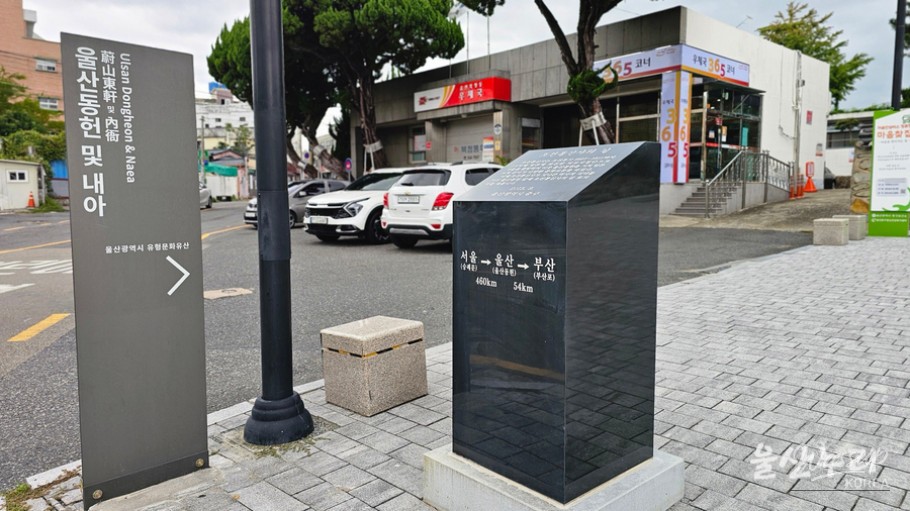
The Joseon Tongsinsa was a diplomatic envoy dispatched to Japan 12 times from 1607 to 1811 during the late Joseon period. They departed from Seoul, passed through Ulsan Dongheon, and traveled to Japan to engage in various cultural exchanges.
In recognition of the historical significance of the Joseon Tongsinsa, a stone marker has been erected in front of Ulsan Dongheon.
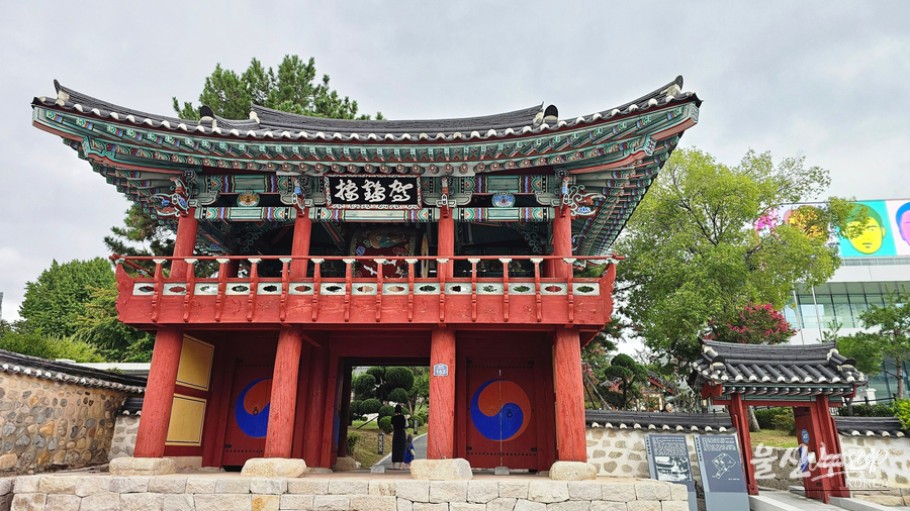
As you enter the Dongheon and Nae-a, Gahakru greets visitors at the entrance. This structure served as a bell tower, signaling the time and alerting residents of emergencies. According to historical records, Gahakru appears to have existed as early as 1600.
The second floor of Gahakru is currently restricted for safety reasons.
Ulsan Dongheon was designated as a cultural heritage site on October 9, 1997, as the central building where the governor of Ulsan handled official duties.
Within the Dongheon, you will find Nae-a, the residence of the governor, along with Osongjeong and the monument commemorating the filial piety of Songdo Seonsaeng. Behind these structures, there are also monuments honoring the achievements of past governors of Ulsan.
To preserve the cultural heritage, please note that pets are not allowed.
Walking further inside past Gahakru leads you to the path that connects to Dongheon. If you continue along this path, you can also find a route leading to the Ulsan Museum of Art. If you plan to visit the museum, consider exploring the surrounding cultural spaces together.
Ulsan Dongheon and Nae-a served as the workspace and residence of the governor of Ulsan during the Joseon Dynasty. Dongheon was the central building for local governance, while Nae-a refers to the governor's residence.
This historical site allows you to explore traces of Ulsan's administration and daily life.
A tourist information center is also available, where you can check local tourism information. If it's your first visit, it is recommended to request a guided tour along with informational materials.
As you take a slow stroll around Dongheon, you will encounter various monuments. One that stands out is the monument commemorating the filial piety of Songdo Seonsaeng, erected to honor his virtues.
Approaching the monument to examine the inscriptions and form gives a different feeling compared to viewing it from afar. The cultural heritage passed down through the ages encapsulates the lives and values of the people of that time.
Nearby, you will also find monuments related to local officials. In a spot where you can see several monuments at once, you can compare names and titles while reflecting on Ulsan's historical governance.
These monuments serve as records conveying the traces of the local community and its figures, and taking the time to read them can deepen your interest in the history you might have overlooked.
A large pine tree with sprawling branches also captures your attention during the walk. The tree, which has stood for a long time, along with the traditional architecture around it, creates a calm atmosphere.
You can also find the Sari Tower from the Taehwa Temple site, discovered in 1962. Observing the shape of the tower and the zodiac motifs carved on its surface reveals the characteristics of Buddhist cultural heritage.
There are also pavilions where you can take a moment to rest. After exploring the cultural heritage, sitting for a while and gazing at the scenery can provide a tranquil escape from the bustling urban environment.
Returning towards Dongheon, you can climb the stairs to examine the building up close. Observing the tiled roof, wooden pillars, and neat structure allows you to appreciate the beauty of traditional government architecture.
Next to Dongheon is Nae-a. During my visit, there was a program called 'Walking Around Dongheon' taking place, although this program has since concluded.
Finally, I wrapped up my walk by exploring the scenery from another entrance. Rather than rushing through the spacious area, taking the time to examine each building, monument, and tree reveals the charm of this place.
If you wish to encounter history and culture without traveling far on a cool day, consider visiting Ulsan Dongheon and Nae-a. Walking through the serene grounds while discovering traces of Ulsan from the Joseon Dynasty allows you to regain a sense of calm amidst your busy life.
Source :https://blog.naver.com/ulsan_nuri/224446260946
More from Place






No comments yet.