Exploring Hamann Independence Park: A Fall Stroll Through History
- Original source
- blog.naver.com



By Jo Yoon-hee, 15th Blog Reporter
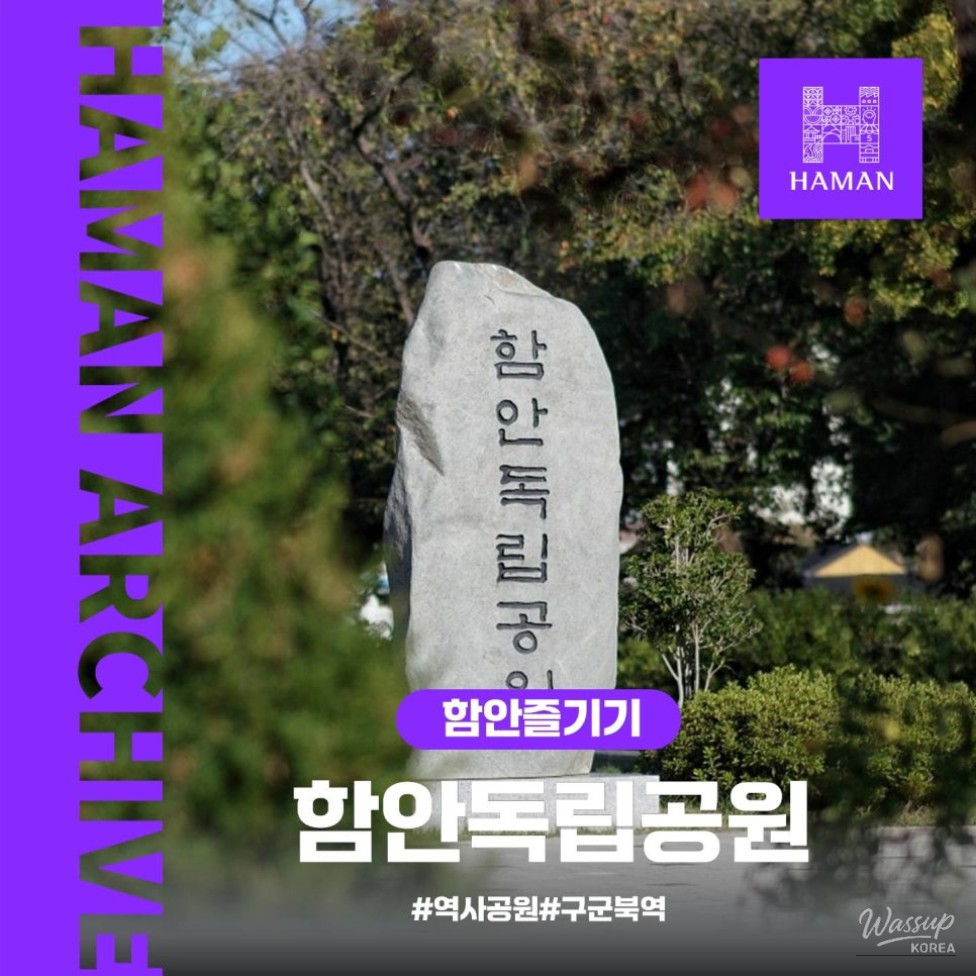
As autumn adds vibrant colors and delightful scents to the air, I recently visited Hamann Independence Park, a neighborhood park established at the site of the old Gunbuk Station.
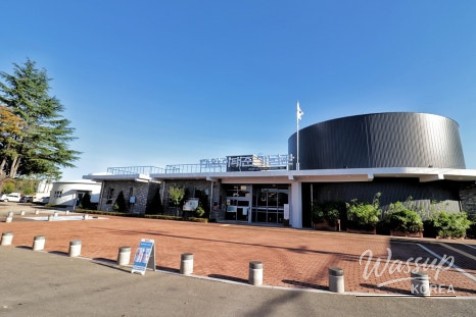
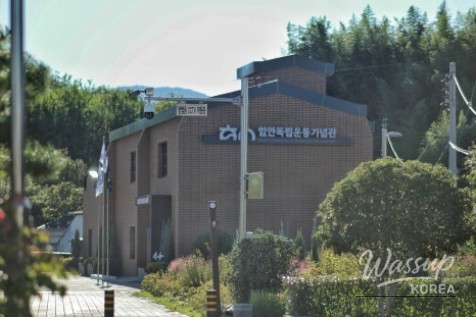
Here, you can find the Daemam Lee Tae-jun Memorial Hall, dedicated to the patriot Lee Tae-jun, as well as the newly built Hamann Independence Movement Memorial Hall. However, today, I opted for a leisurely walk under the autumn sun.
As the name suggests, this space honors Lee Tae-jun, who fought for independence in Mongolia, and commemorates the noble spirit of the independence movements and the March 1st Movement that occurred in the Hamann area during the Japanese occupation.
The park features impressive cypress trees and monuments that pay tribute to the noble intentions of local independence activists. With pleasant walking paths and green spaces, it provides a serene environment for residents and visitors to reflect on history.
Interestingly, the park also preserves the historical significance of the old Gunbuk Station by displaying a model steam locomotive on one side.
This model is said to offer a glimpse into the historical context of the Japanese occupation, although it has been locked since the COVID-19 pandemic. It would be a great educational experience for children and students, and I am quite curious about its interior.
The Gunbuk Station, which served as the gateway to the northwest of Gyeongnam during the 1920s, holds nostalgic memories for me, as I used to visit my great-aunt’s house holding my grandmother's hand. The park, created from the abandoned railway site, is adorned with benches and seasonal flowers, welcoming visitors.
The model steam locomotive evokes memories of the past, as it served as the terminus for the Masan-Gunbuk line, playing a crucial role in transporting rice harvested from the Hamann fields to Masan Port. Although a new station was built in 1997, the original station became known as the 'old station' due to the double-tracking project in 2012 and was transformed into a park.
Everywhere you look, the park is beautifully painted with the essence of autumn. Cherry trees, once covered in white blossoms, are now adorned with colorful leaves, and the Nandina domestica is turning red. In this brief season, I found a sense of healing and small happiness.
One of the standout flowers during this transition from summer to autumn is the pink muhly grass, which is in full bloom in the park.
Originating from the southeastern United States, the pink muhly grass features delicate pink to purple flower spikes. Its flowering period is from early October to early November, and it serves as a ground cover in forests and along meadows.
In South Korea, the opportunity to see pink muhly grass is limited, attracting many tourists to various locations, including Seoul Sky Park and Jeju Island, making it a sought-after sight.
The pink muhly grass has become a symbolic presence, representing emotions and sentiments. Its meanings of 'confession, waiting, love's excitement, and emotional tranquility' resonate deeply.
As the wind gently blows and sunlight dances on the slender flower spikes, the colors shift from pink to purple, creating a mesmerizing sight.
If you have feelings you've been holding onto, expressing them through the shy beauty of pink muhly grass at Hamann Independence Park might be a wonderful idea. Although the area isn't vast, it offers plenty of angles for beautiful photographs.
Whether you come alone or with friends, take a stroll through the pink muhly grass and capture the allure of autumn at Hamann Independence Park.
Source :https://blog.naver.com/arahaman/224443062598
More from Place



No comments yet.