Recommended Travel Destinations in Dangjin: Myeoncheon Yeongyanghyo Park and Bamboo Forest Path
- Original source
- blog.naver.com


As autumn deepens, many autumn flowers bloom, and the green leaves begin to change color, creating a beautiful fall landscape.
With the harvest season approaching, the air is filled with delightful aromas, allowing us to enjoy the fruits of our labor.
In the center of Myeoncheon-myeon, Dangjin City, there are cultural heritage sites that reflect the history of Myeoncheon, providing a glimpse into its ancient culture.
Exploring these cultural heritage sites takes about half a day, and it has recently become a popular travel spot for the MZ generation.
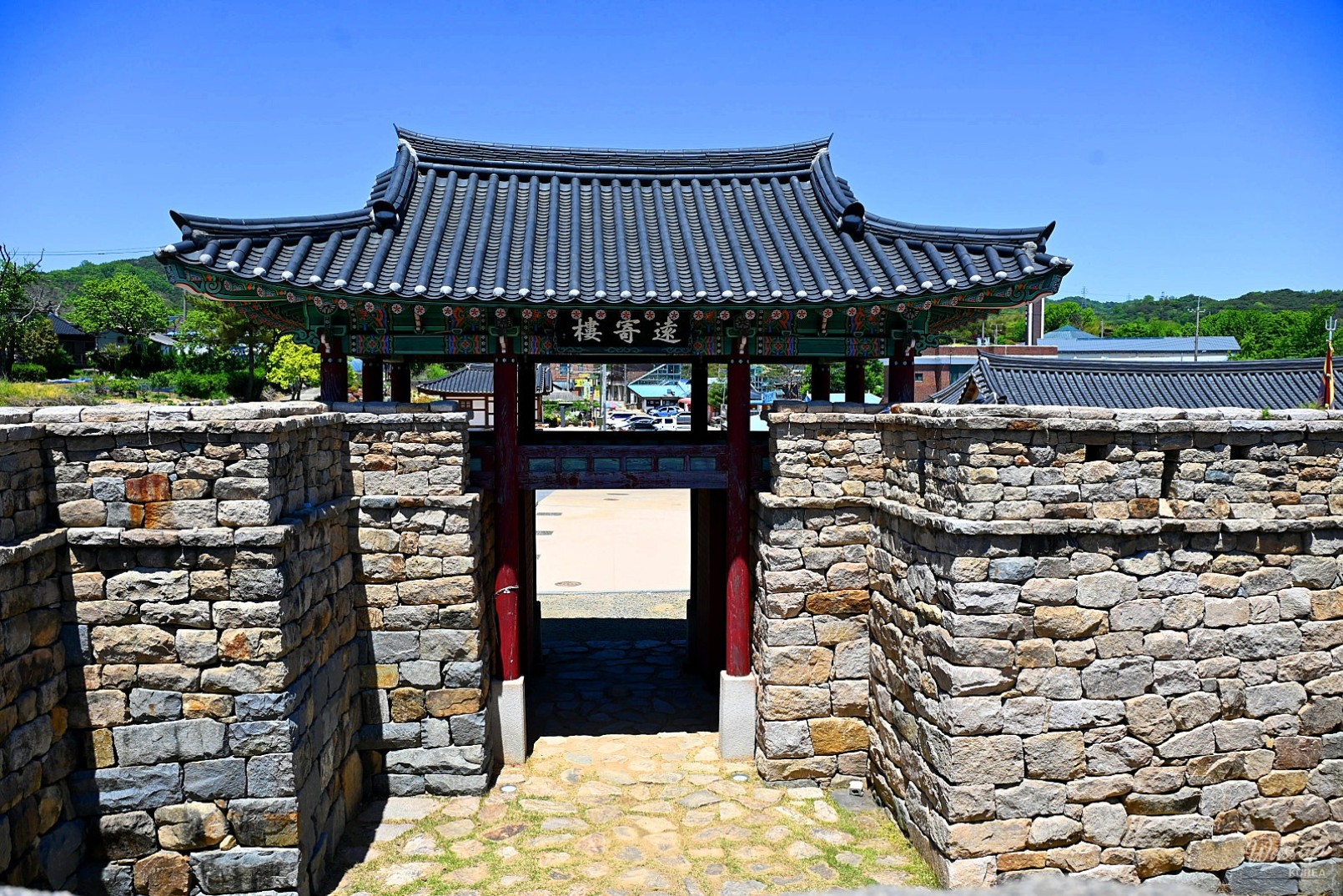
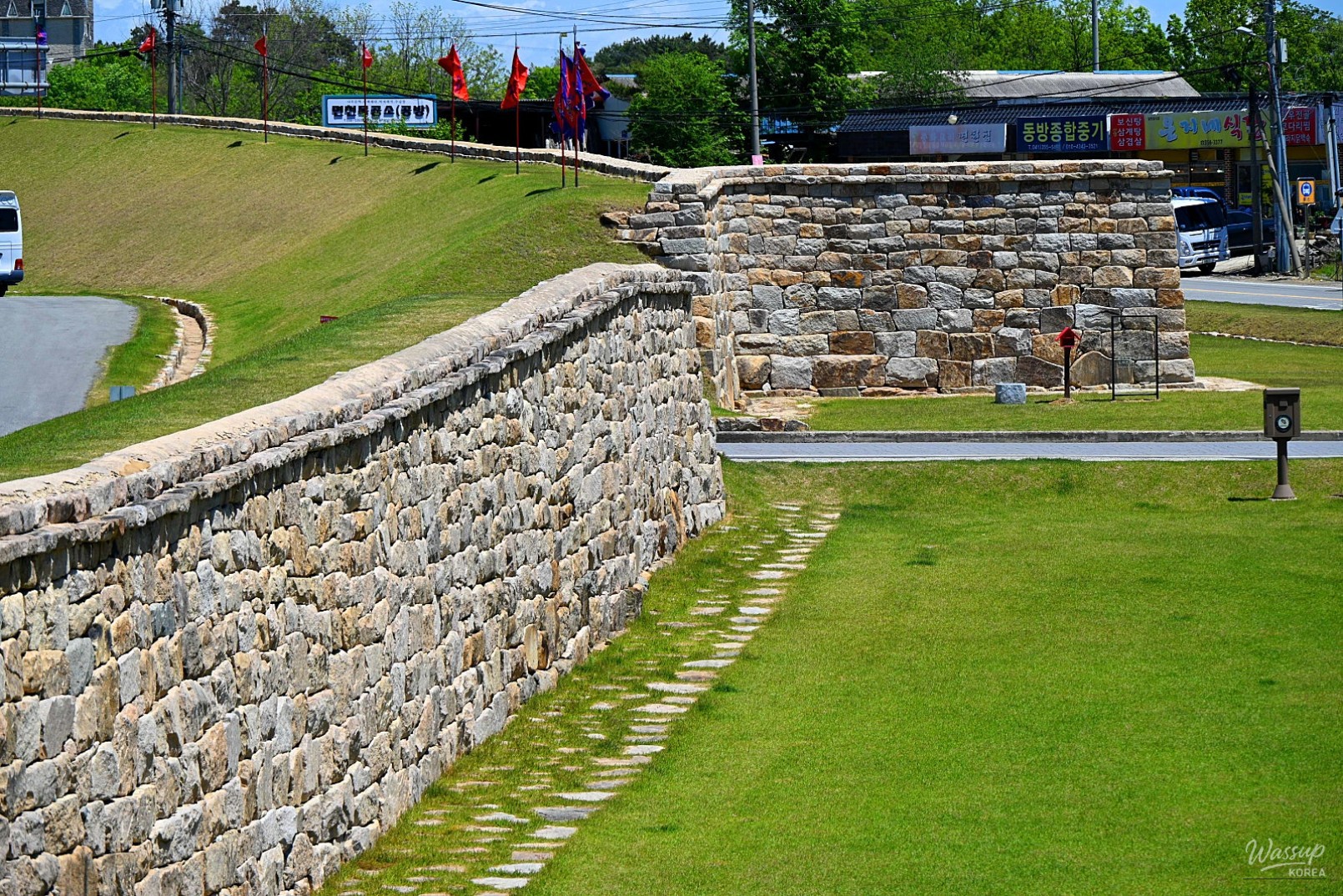
At the heart of Myeoncheon is the Myeoncheon Fortress, built in November 1439 to defend against Japanese invasions. It served as a military and administrative center until the late Joseon period.
The fortress has an almost square, oval shape, with walls made of natural stones. The outer layer consists of stonework, while the inner part is filled with stones and covered with earth.
The circumference of the fortress is approximately 1,336 meters, and the total length, including the walls and towers, is estimated to be around 1,564 meters.
To the east of Myeoncheon Elementary School is a small pond called Gunja-ji, with Gunja-jeong Pavilion situated in the center.
While the exact date of its original construction is unclear, it was renovated in 1719 by Bok Ji-gyeom's descendant, Bok Ji-gu. Records indicate that it was rebuilt in 1803.
The current pavilion was reconstructed during a restoration project in 1994. Initially an octagonal pavilion, it was reduced in size to a hexagonal one during Bok Ji-gu's renovation and restored to an octagonal shape in 1994.
After dredging in 1994, the lotus flowers disappeared, but water lilies bloom beautifully from spring to early autumn.
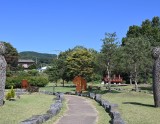
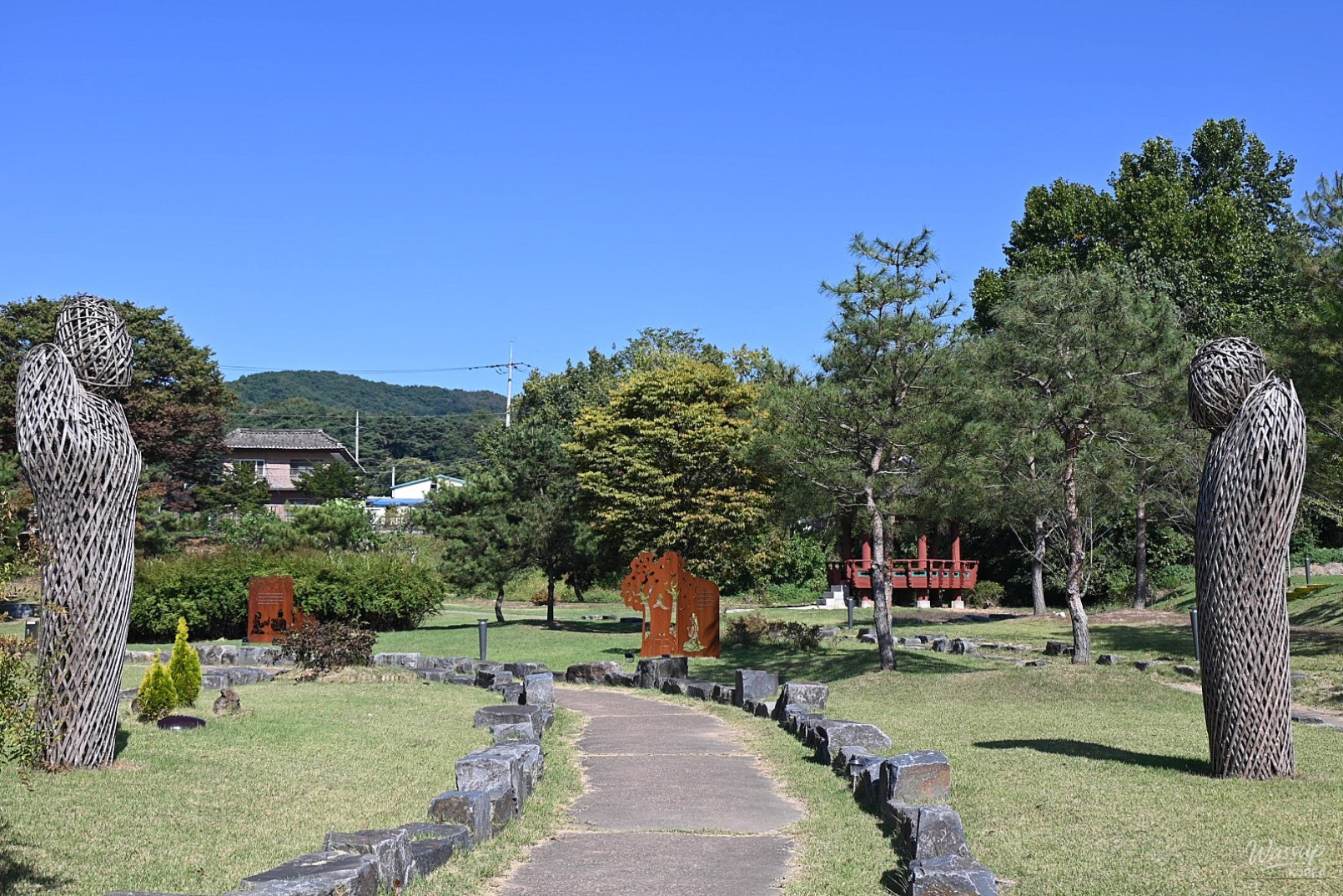
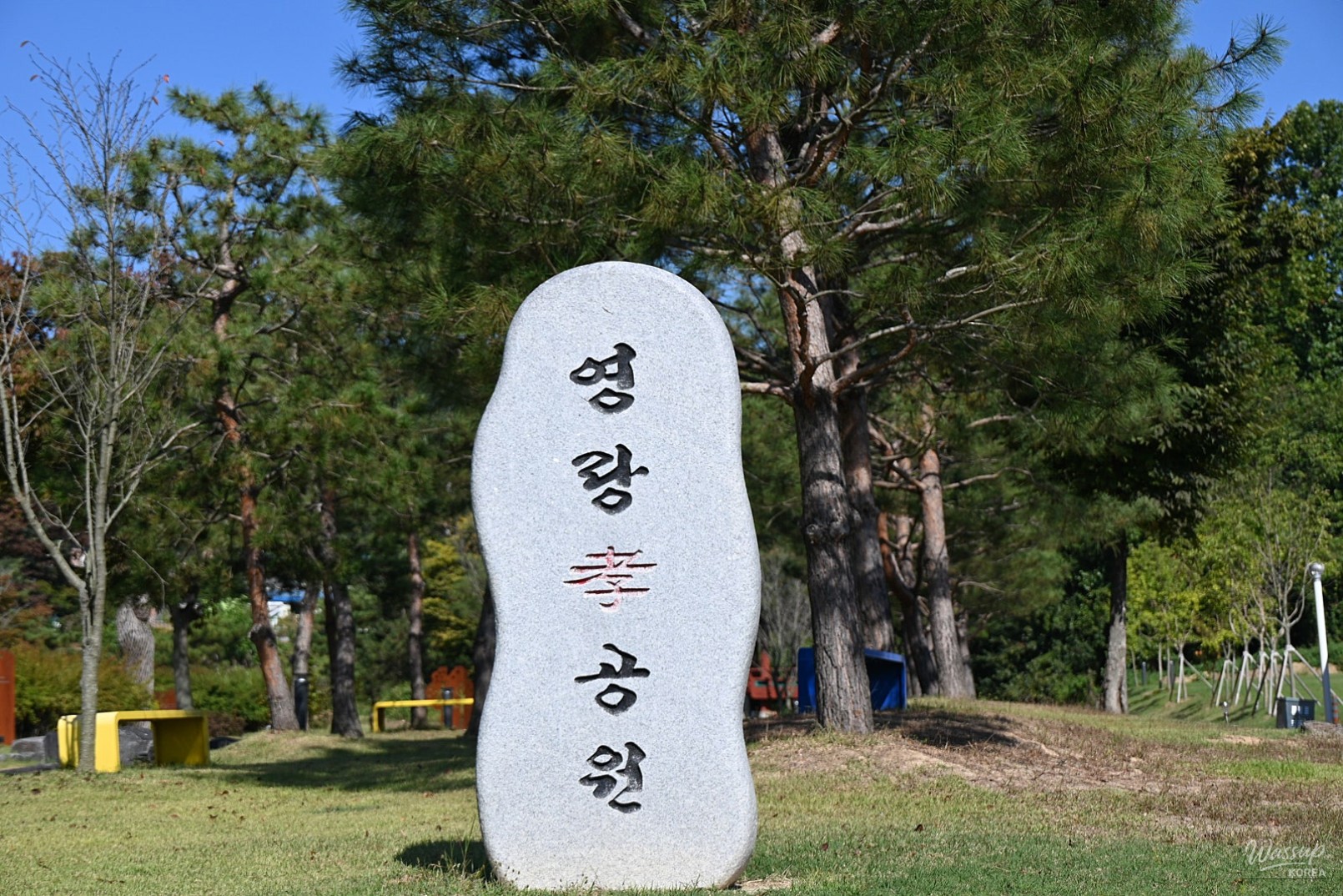
Behind Gunja-jeong, Yeongyanghyo Park has been established, with a sign at the entrance and pathways that make it a great place for a walk.
The park features a stream leading from Ansaem to Gunja-ji, with restrooms and various sculptures installed throughout.
At the end of the park lies Ansaem, where a legendary story tells of General Bok Ji-gyeom recovering from illness after following the advice of a mountain spirit that appeared in his daughter's dream.
Yeongyanghyo Park is named after Bok Ji-gyeom's daughter, Bok Yeong-rang, and contains a sign detailing her filial piety.
The park's story continues to resonate today, symbolizing the identity of the area and blooming with various flowers.
The alcohol produced from the flowers is linked to Myeoncheon's representative traditional liquor, Myeoncheon Dugyeonju.
The name Dugyeonju comes from the azaleas, known as Dugyeonhwa, and it remains a cultural heritage of Myeoncheon.
To the left of Yeongyanghyo Park stands two ginkgo trees, believed to be around 1,100 years old, planted by Yeong-rang.
These trees have been designated as natural monuments due to their historical and cultural significance.
Walking through the park, visitors can enjoy the serene atmosphere and the gentle sounds of nature.
After exploring, the retro street leading to 'The Art Museum Inside Myeoncheon Fortress' offers a nostalgic journey.
It is a wonderful place to visit for a peaceful experience surrounded by nature.
Images from the trip:
Source :https://blog.naver.com/dangjin2030/224441390351
More from Travel





No comments yet.