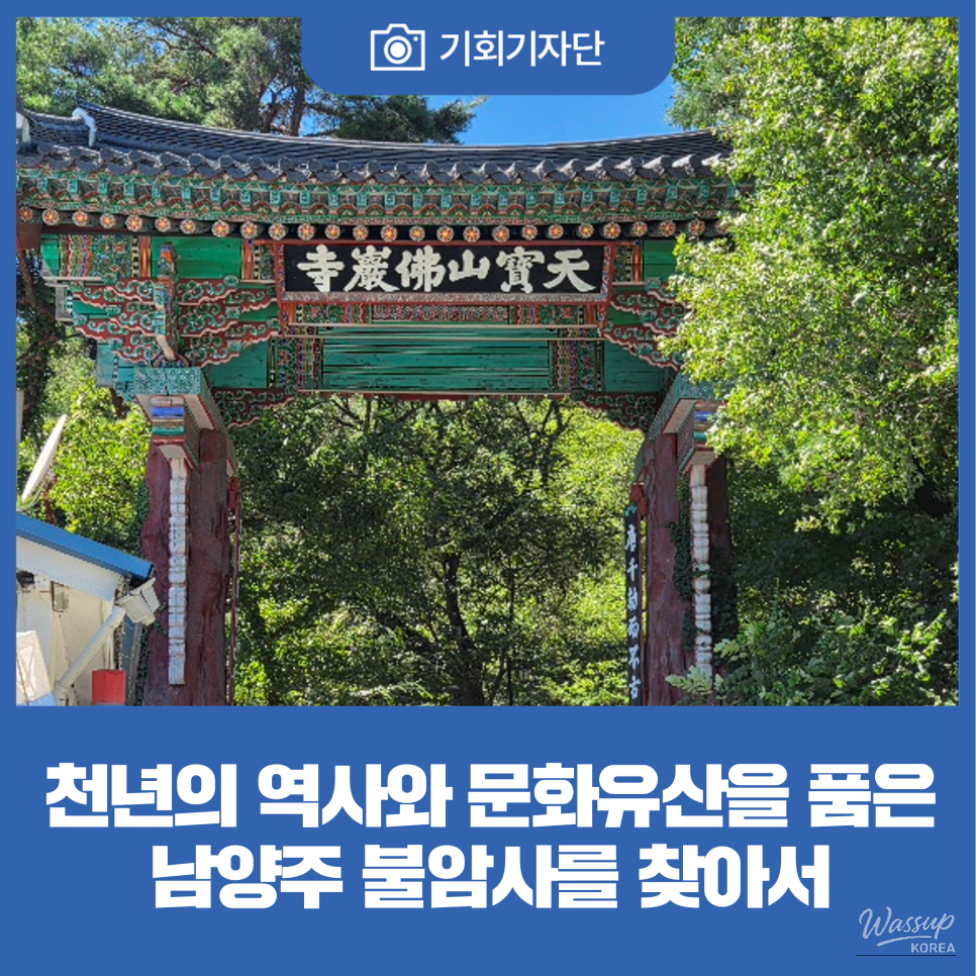
Treasures and Time of a Millennium-Old Temple at Bulamsan
- Original source
- blog.naver.com


[Reporter Kim Won-deuk]
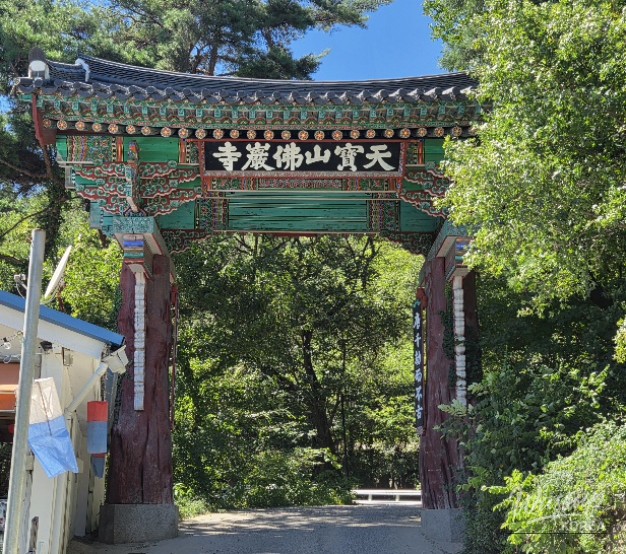
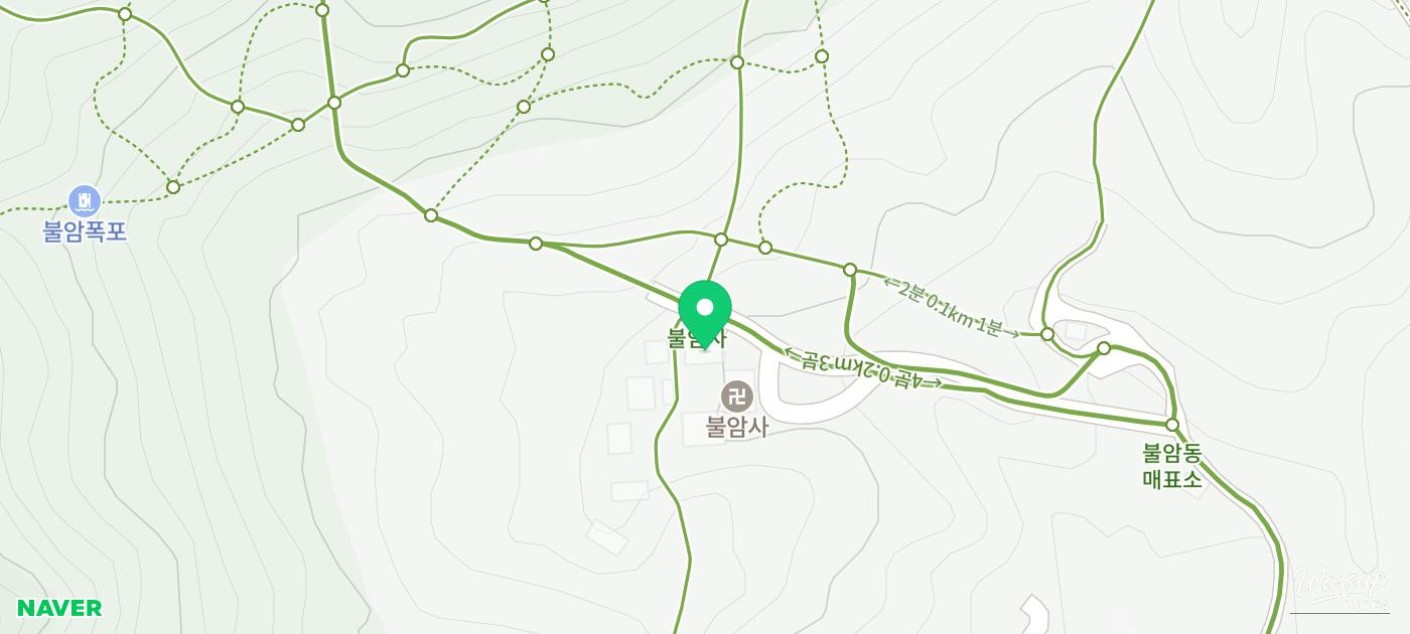
On September 16, I visited Bulamsa Temple, nestled at the foot of Bulamsan Mountain in Byeollae-dong, Namyangju, Gyeonggi Province, where lush greenery enveloped the area. Upon entering the temple's Iljumun gate, the atmosphere shifted dramatically, making it hard to believe how close it was to the city. Dense forests surrounded the temple, and the sunlight filtering through the branches, along with the mountain breeze, provided a refreshing escape from the summer heat.
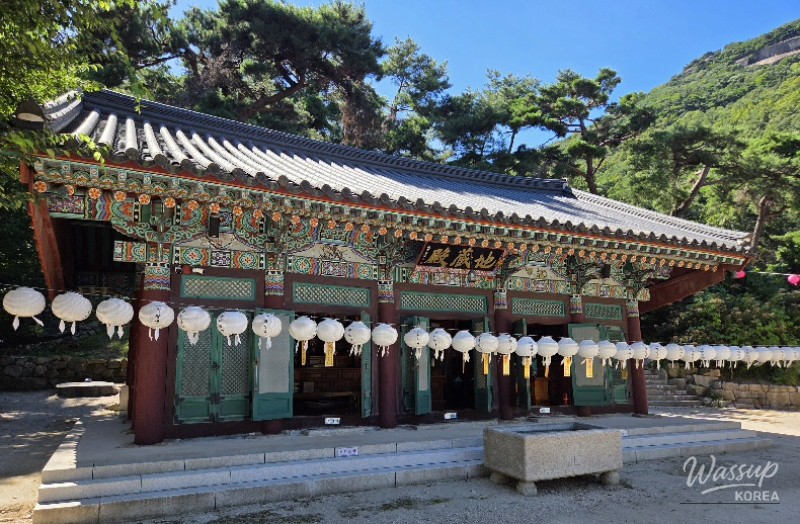
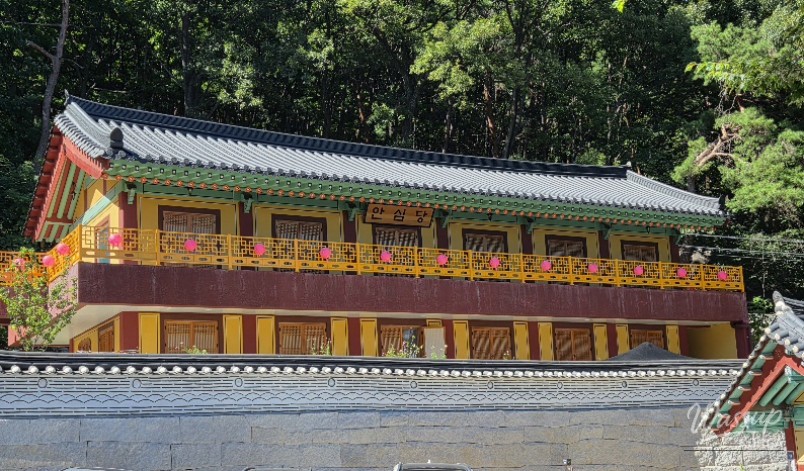
As I strolled along the path leading to the temple grounds, the sounds of rustling leaves and mountain birds accompanied me. The temple buildings, adorned with vibrant dancheong (traditional multicolored paint), harmoniously blended with the ridges of Bulamsan in the background. This was my first impression of Bulamsa: a unique opportunity to experience the deep ambiance of a mountain temple and the beauty of traditional architecture even within the metropolitan area.
Bulamsa is a historic temple that belongs to the Jogye Order of Korean Buddhism and is the branch temple of Bongseonsa, the headquarters of the 25th district. According to cultural tourism materials from Namyangju, Bulamsa was founded by the monk Jijung during the Silla Dynasty, with the traditional founding date attributed to 824 during the reign of King Heondeok. However, it is worth noting that Jijung's birth year is also reported as 824, making it prudent to consider that the temple was 'traditionally said to have been founded in 824.'
During the Joseon Dynasty, the temple underwent several renovations, including the construction of the Seondang in 1776 and the restoration of the Daeungjeon and Geukrakjeon in 1782. Thus, Bulamsa has continued to preserve its teachings and traditions through the ages.
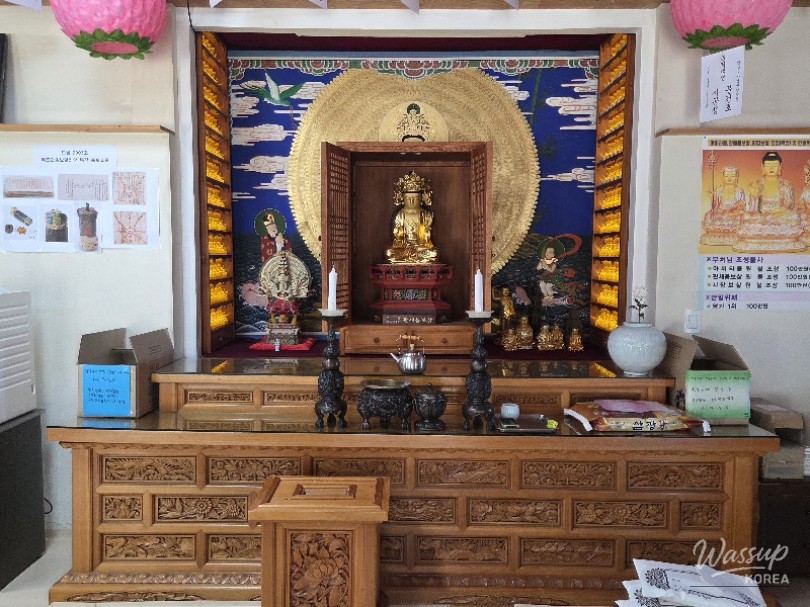
One of the most memorable moments during my visit was encountering the designated treasure, the Wooden Avalokiteshvara Bodhisattva Statue of Bulamsa. After explaining my purpose, I was granted the privilege to observe and photograph it closely, revealing its splendid crown, gentle expression, and intricate carvings.
This statue, approximately 67 cm tall, was created in 1649 by five sculptors, including Muyeom. With inscriptions remaining, it provides valuable insights into its creation year, the sculptors, and the enshrinement process, making it a significant artifact for studying 17th-century Buddhist sculpture. Gazing at this statue, which has survived for centuries, allowed me to connect with the faith, artistry, and cultural heritage of the people from that era.
Another treasure of Bulamsa is the 'Wooden Plates of Seokssi Wonryu Eungwha,' which depict the life of Buddha and Buddhist stories through illustrations and texts, totaling 212 plates. Created in 1673, they are currently managed by the Buddhist Central Museum. These cultural heritages illustrate that Bulamsa is not only a space of long-standing faith but also an important site for exploring Buddhist art and record culture from the Joseon Dynasty.
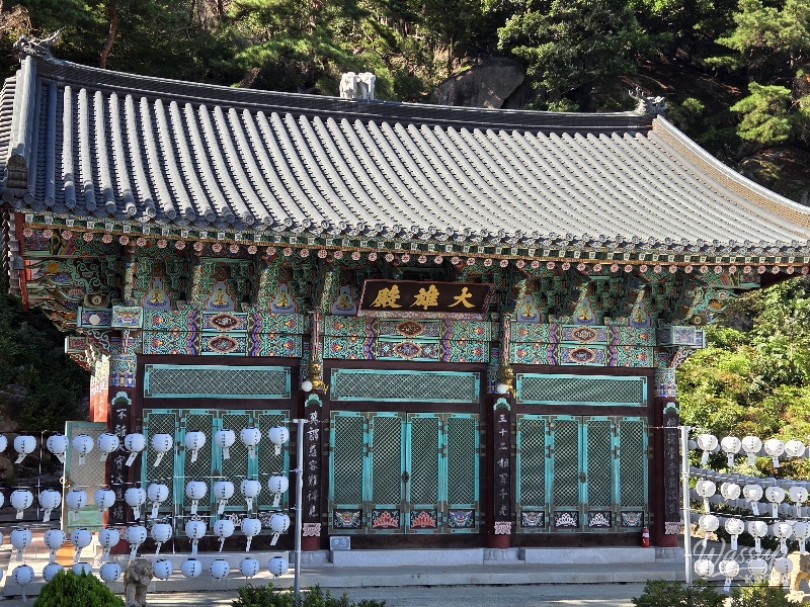
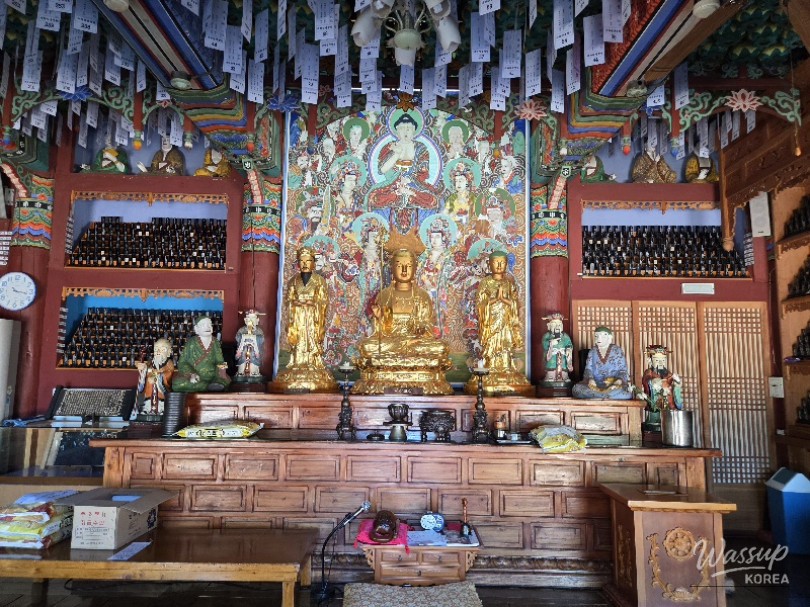
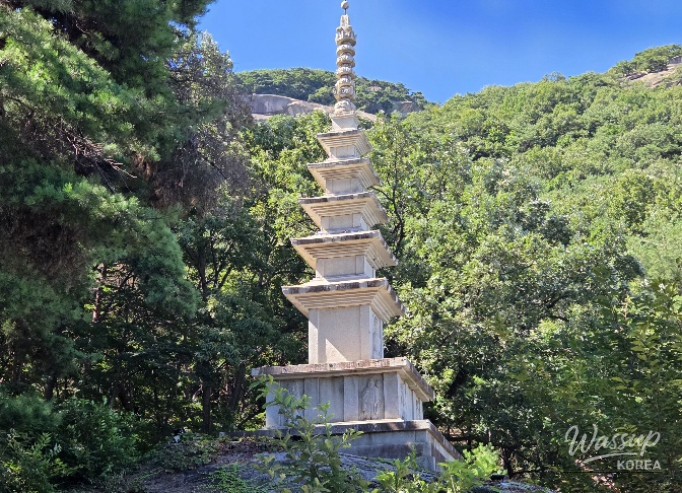
The temple grounds feature various buildings and Buddhist sculptures, including the Daeungjeon. The Jijangjeon, set against the backdrop of Bulamsan's green mountains, enhances the temple's atmosphere with its vibrant dancheong and traditional tiled roof. Inside, statues and paintings are enshrined, allowing visitors to feel the ancient ambiance throughout the grounds.
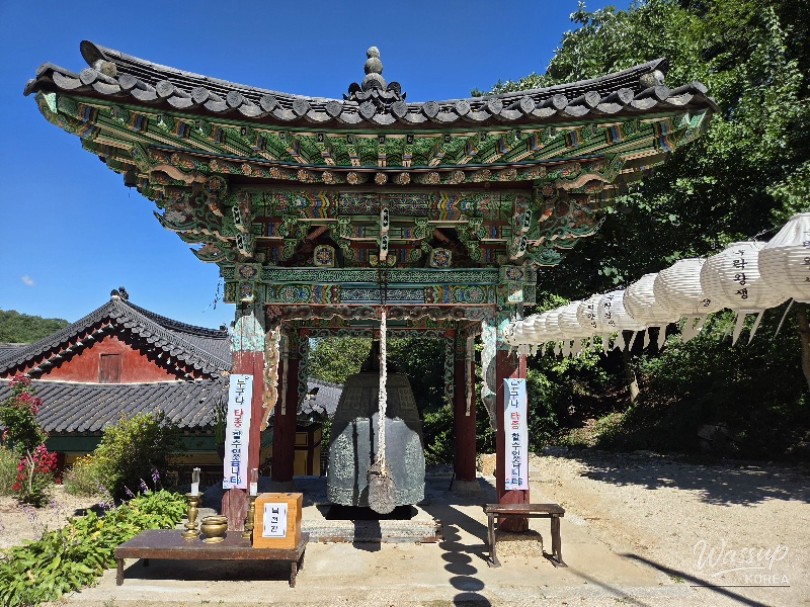
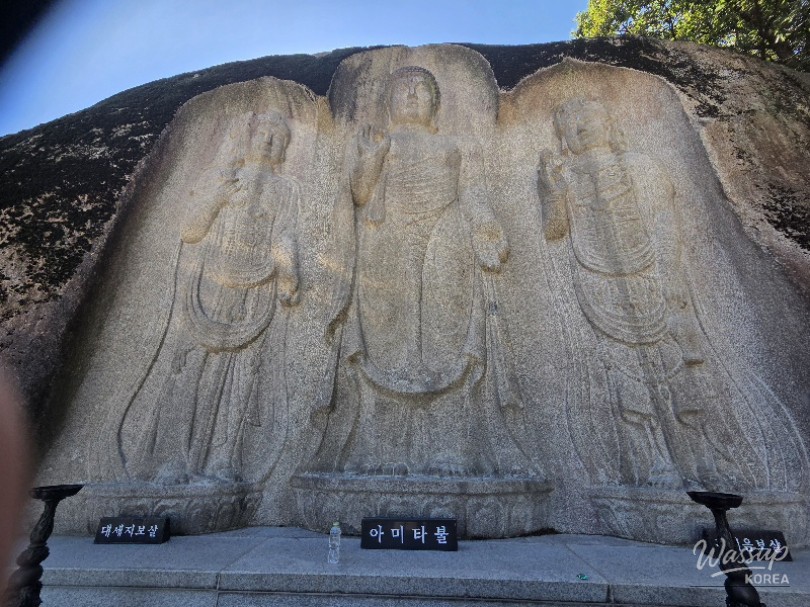
As I walked through the grounds, I encountered the bell pavilion adorned with dancheong, showcasing the delicacy of traditional temple architecture. Nearby, a statue carved from natural rock caught my eye, blending harmoniously with the surrounding landscape, exemplifying the unique scenery of Bulamsa.
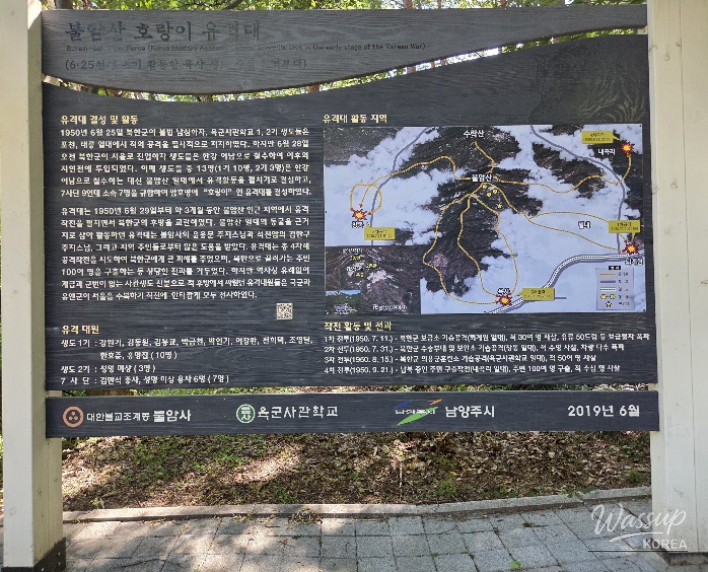
Bulamsa also bears traces of the Korean War, including the 'Bulamsan Tiger Guerrilla Unit Memorial.' According to cultural tourism materials, the 'Tiger Guerrilla Unit,' formed mainly by cadets from the Army Academy, operated in the Bulamsan area during the Korean War, receiving support from the temple's abbot and local residents. These historical remnants reveal that Bulamsa is not only a space of Buddhist culture but also a site that holds a chapter of modern Korean history.
Bulamsa serves as a resting place for hikers and visitors exploring cultural heritage, providing a tranquil atmosphere amidst its lush surroundings. Reflecting on my visit, I realized that describing Bulamsa merely as an 'old temple' would be insufficient. For some, it is a place of faith; for others, it is a learning space where cultural heritage can be experienced firsthand. It is a sanctuary for those seeking solace in nature, encompassing a rich history of construction, renovations during the Joseon era, and invaluable Buddhist cultural heritage, alongside stories of Bulamsan and the Korean War.

Source :https://blog.naver.com/gyeonggi_gov/224418794129
More from Place




No comments yet.