The National Treasure of Gwanghanru: A Palace from the Moon
- Original source
- blog.naver.com



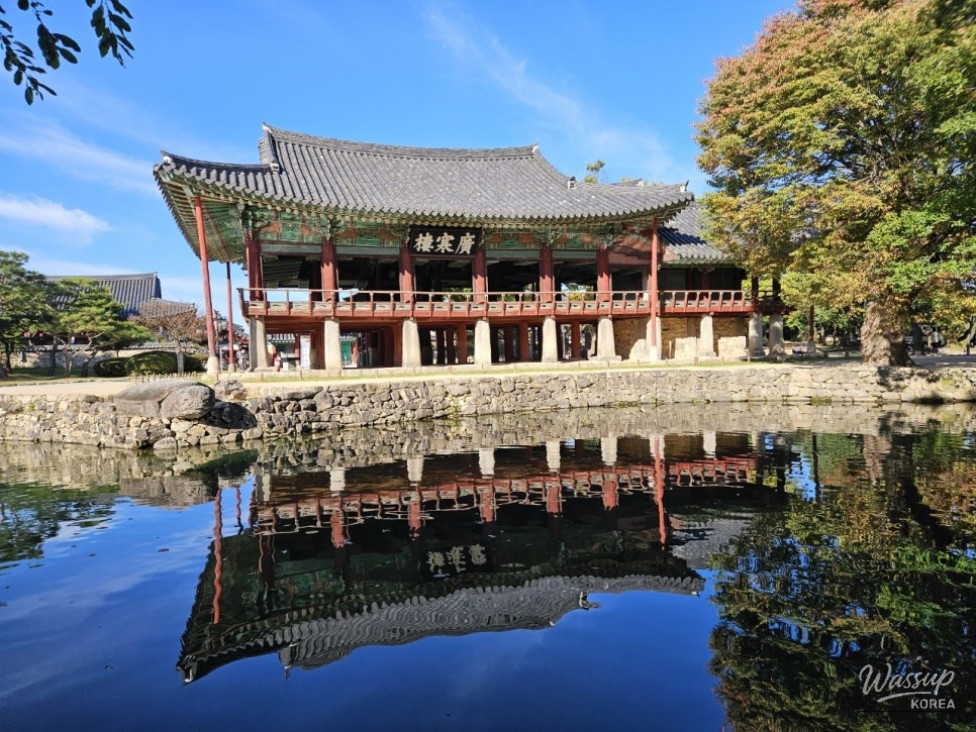
Gwanghanru, a national treasure that unfolds like a palace from the moon, is located in Namwon, Jeollabuk-do.
- Location: 1447 Yocheon-ro, Namwon, Jeollabuk-do
- Operating Hours: April to June: 08:00 to 21:00 / November to March: 08:00 to 20:00 (Free admission after 18:00)
- Regular Guided Tours: 10:30, 13:30, 15:00, starting from the main gate (South Gate).
(Wheelchair and stroller rentals available at the main and west gates.)
When you think of Namwon, does the traditional Korean narrative song, pansori, come to mind? Among the twelve chapters of pansori, the lyrics of Chunhyangga are well-known. In Namwon, the Chunhyang Festival is held in May and the Heungbu Festival in October. Today, we will explore Gwanghanru, which was designated as a national treasure on July 1, 2026, and serves as the main pavilion of Gwanghanruwon, the backdrop of the Chunhyangjeon.
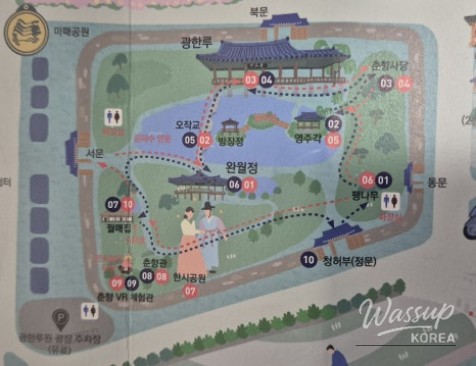
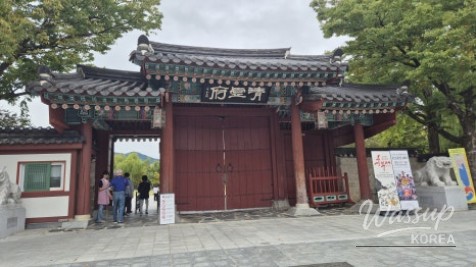
This is the main entrance to Gwanghanruwon. The sign reads 'Cheonghyo-bu,' which originates from Gwangtongru, built by Hwang Hee in 1419 when he was exiled to Namwon. Jeong In-ji, who visited during the reign of King Sejong, noted that Gwangtongru resembled the beautiful moon palace known as 'Gwanghancheonghyo-bu,' and thus it was named Gwanghanru.
Wow! This area is a traditional garden from the Joseon Dynasty, covering approximately 80,000 pyeong.
The Wanyuejeong Pavilion, visible in the distance, serves as the main stage for the Chunhyang Festival. This garden harmonizes the earthly and ideal worlds, featuring a pond symbolizing the Milky Way beside Gwanghanru, as well as the sacred mountains and the bridge of the magpies, encapsulating 600 years of history.
Now, let’s head to the highlight of the day, Gwanghanru located in front of the North Gate.
Gwanghanru was destroyed during the Imjin War in 1597 and was rebuilt in 1626 by Shin Gam, the governor of Namwon. After 63 years of being designated as a treasure, it was elevated to national treasure status due to its historical integrity, artistic harmony, and its cultural significance in relation to Chunhyangjeon and pansori.
At 10:30 AM, 1:30 PM, and 3:30 PM, access is granted only with a guide, so I timed my visit accordingly. Following the guide, I climbed to the numaru. The sign 'Gwangui' means viewing from the moon palace. It was here that the governor's son, Lee Mong-ryong, fell in love at first sight with a woman swinging on the swings during the Dano Festival.
“Miss Chunhyang, the governor's son Lee Do-ryeong wishes to meet you briefly.”
“What? A butterfly seeks a flower, but a flower can also seek a butterfly.”
Hearing this from Bangja, Mong-ryong became even more enchanted and waited for nightfall to become a night butterfly and fly to Chunhyang.
This tale symbolizes a dreamlike love that represents the realization of human equality. The sacred mountains are floating above the Milky Way, embodying the hope for a world where one does not age or die. The bridge of the magpies, which cannot be crossed, symbolizes the ideal love dream of Chunhyang and Lee Do-ryeong.
Gwanghanru, designated as a national treasure on July 1, is a remarkable structure. The National Heritage Administration has shown that the architectural wisdom in maintaining the spacious main hall, which was used for meetings and banquets, and the addition of Ondol rooms in the Yosun-gak, meaning 'a pavilion welcoming the immortals,' reflects both practicality and beauty.
The cultural value of Gwanghanru, maintained consistently for hundreds of years, and the scenic value of Gwanghanruwon, symbolizing the moon palace with the sacred mountains and the bridge of the magpies, have all been recognized.
As I cross the love bridge, I see mandarin ducks playing among a school of koi, creating a beautiful scene. The mandarin ducks, typically migratory birds that come in winter and leave in spring, have become year-round residents at Gwanghanruwon for about four years. Could it be that they are enchanted by the beauty of Gwanghanruwon? Or perhaps they are the reincarnated spirits of Lee Mong-ryong and Chunhyang?
I wish to live in the land of immortals and experience a love like that of Lee Mong-ryong and Chunhyang. I observe people feeding the koi and mandarin ducks, dreaming of perfect love in this perfect space.
As you explore Gwanghanru, Wanyuejeong, the Chunhyang Shrine, and Chunhyang Hall, I recommend enjoying the moonlight on the water and the beautiful night scenery. Take a leisurely stroll through Gwanghanruwon and immerse yourself in the moment where nature, history, folklore, and literature converge.
Source :https://blog.naver.com/jbgokr/224451071253
More from Place





No comments yet.