The Importance of Blood Donation
- Original source
- blog.naver.com



[Reporter: Shin Hyesoon]
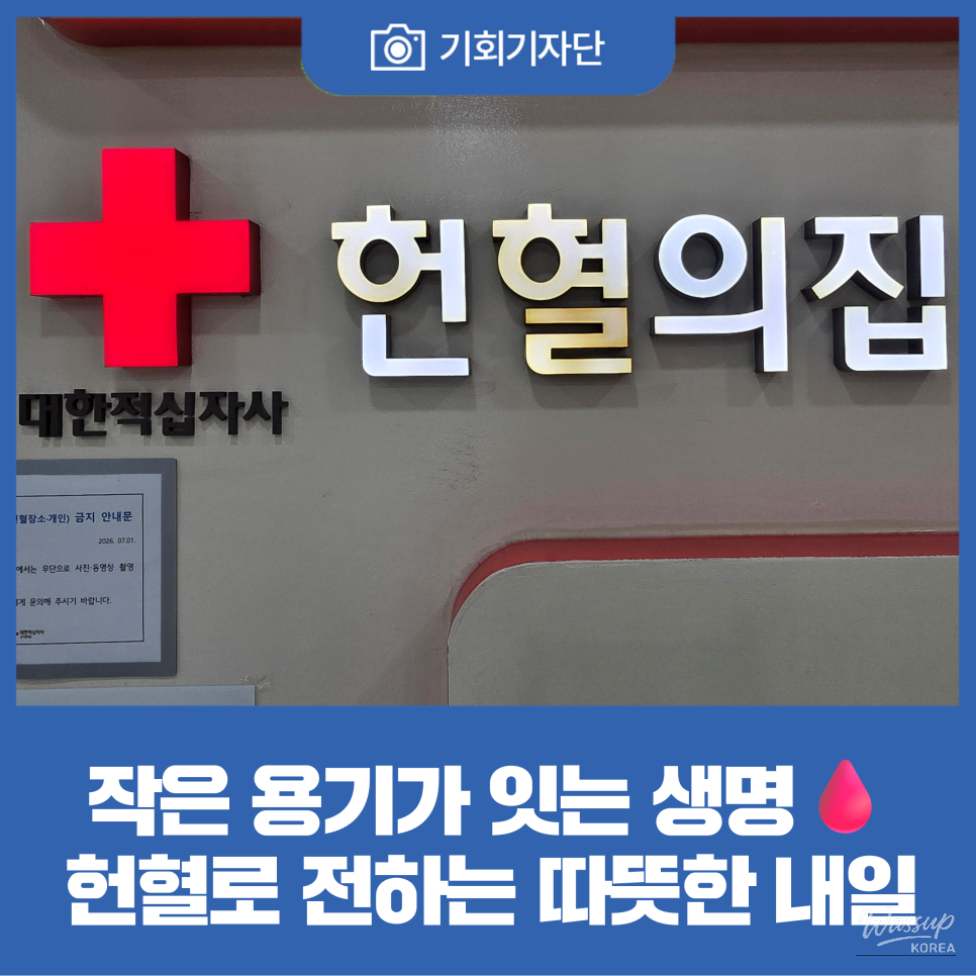
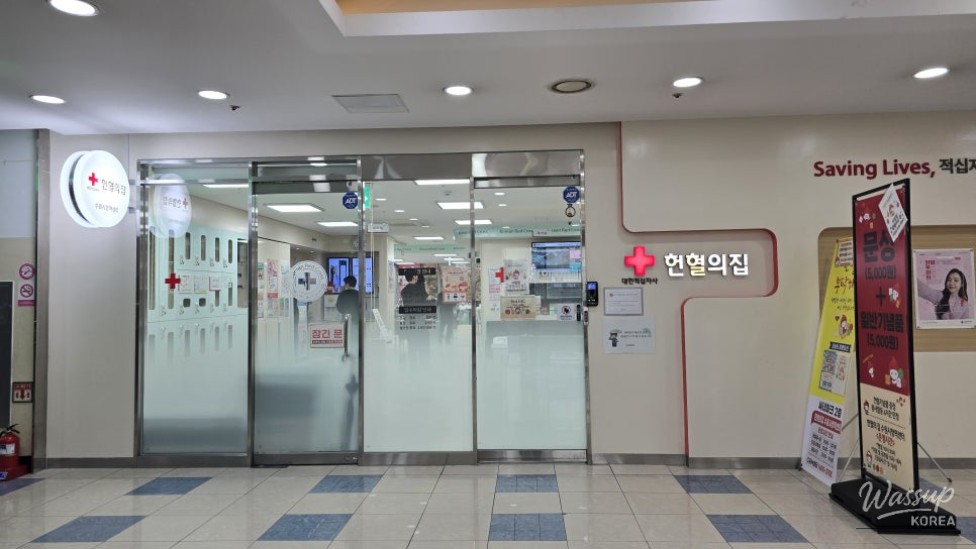
The Blood Donation House at Suwon City Hall Station
Next to the bus stop, a red banner caught my eye. I happened to pass by the building where the Blood Donation House is located. That moment reminded me of the day I first donated blood, when I was led by a friend who had already started donating.
Seeing the Blood Donation House banner at the bus stop made me want to contribute to saving someone's life through blood donation, but it wasn't easy to walk through the door. Just hearing the word 'donation' felt unfamiliar and frightening.
Once I started, it turned out to be easier than I expected, but it took courage to take that first step. I still vividly remember the pride and joy I felt after completing my first donation, thinking that I had given a small help to someone.
What memories do you have of blood donation?
Blood donation is a precious act of sharing life that healthy individuals voluntarily give to patients in need of transfusions. Blood is an essential resource for patients requiring transfusions. Since we have not yet been able to artificially create a substance that can completely replace blood, voluntary donations from healthy individuals are of utmost importance.
The whole blood collected from a donor goes through a separation process to provide red blood cells, platelets, and plasma to the patients who need them. From patients preparing for surgery to those requiring ongoing treatment, blood is a vital resource for them.
However, thinking about donating blood can bring up questions and fears. Is it safe? Where and how can I donate? How long does it take? Can anyone donate? Let's address these questions one by one.
If you want to participate in blood donation, you can make a reservation through the Korean Red Cross Blood Management Headquarters website or the 'Red Connect' mobile app. You can search for the nearest Blood Donation House and select your preferred location, date, time, and type of donation. Filling out an electronic questionnaire beforehand can also help reduce the time spent on-site.
However, making a reservation does not guarantee that you can donate on that day. The final decision on your eligibility will depend on your health status and the results of basic tests conducted on the day of your visit. While it is possible to donate without a reservation, it is more convenient to book in advance to avoid waiting times.
In Gyeonggi Province, the total number of blood donations recorded in 2025 was 617,131, with a donation rate of 4.5%. Although participation in blood donation continues, challenges in blood supply are expected to persist due to low birth rates, an aging population, and increased blood usage. Continuous interest and voluntary participation from various age groups are essential for stable blood supply.
For residents of Gyeonggi Province, it is a good idea to know the location of the nearest Blood Donation House. You can check local donation sites using the 'Find a Blood Donation House' service on the Korean Red Cross Blood Management Headquarters website.
Blood donation comes in two main types: whole blood donation and component donation. Whole blood donation collects all blood components at once, available in 320mL and 400mL. Component donation uses a component separator to collect only specific blood components, returning the rest to the donor.
To participate in blood donation, eligibility varies based on age, weight, and health status. Generally, individuals aged 16 to 69 can donate whole blood, while those aged 17 to 69 can participate in component donation.
After donating, donors can receive their blood test results, and various benefits and support are provided to express gratitude for their participation. Additionally, donors can choose to donate the value of their gifts to designated public welfare projects instead of receiving them.
Visiting the Blood Donation House, I realized that sharing life is not just for a select few but something we all contribute to. The small act of donating blood can help save lives.
Here’s to the warm sharing of life through blood donation. Your small act of courage can protect someone’s tomorrow.
Source :https://blog.naver.com/gyeonggi_gov/224466818074
More from Place



No comments yet.