The Climb of Annapurna: A Family's Journey
- Original source
- blog.naver.com


There are mountains that, no matter how great your will, do not easily grant access to their summits.
Annapurna in the Himalayas is one such mountain.
Many climbers dream of it, but it does not allow everyone to conquer it.
It is a mountain where many do not return alive.
Thus, Annapurna symbolizes the most arduous challenges that humanity faces throughout life.
To see the play My Heart's Annapurna, I visited the Ulsan Art Hall with members of the literature club.
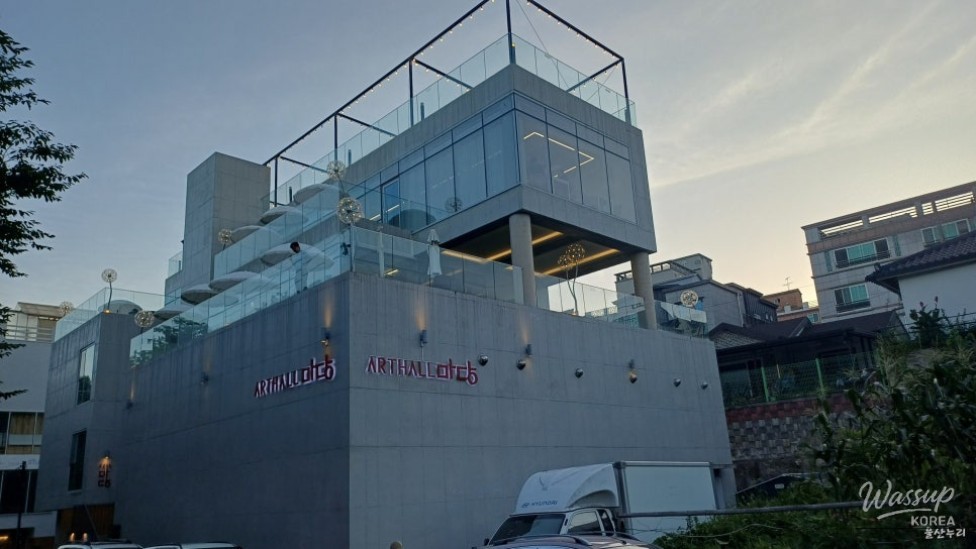
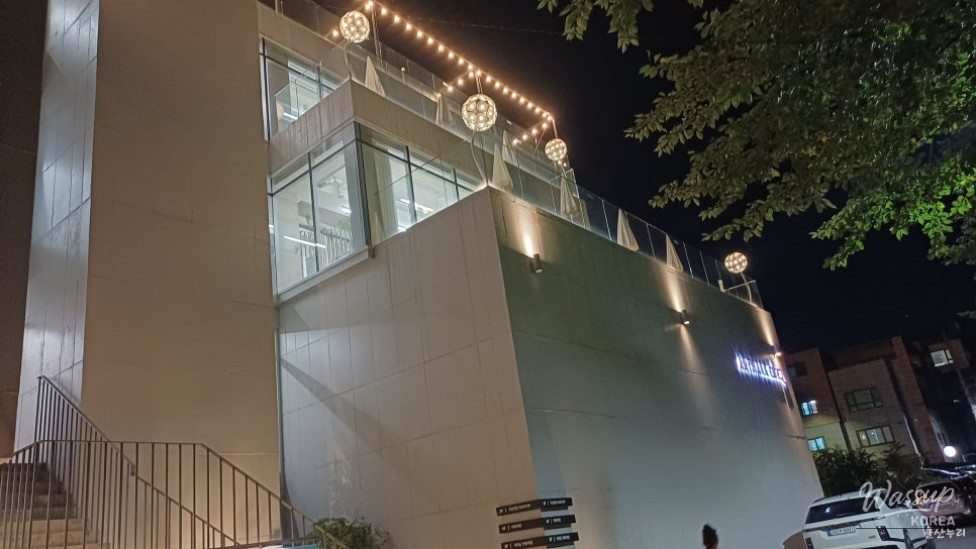
Located at 101 Seongan 1-gil, Jung-gu, Ulsan, it was a small theater that provided a healing atmosphere.
The Ulsan Art Hall, with its rooftop café, was a cozy five-story building.
It was a perfect place to spend precious time with family.
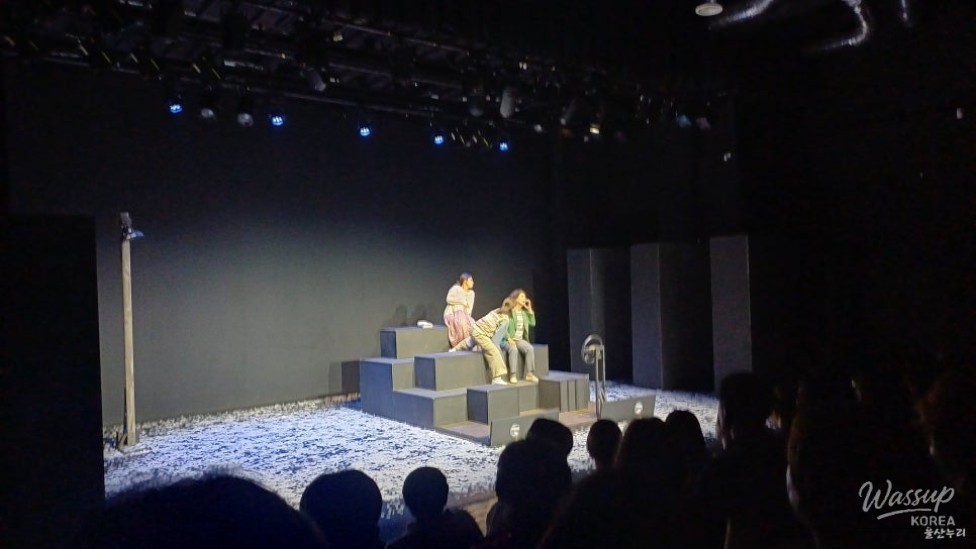
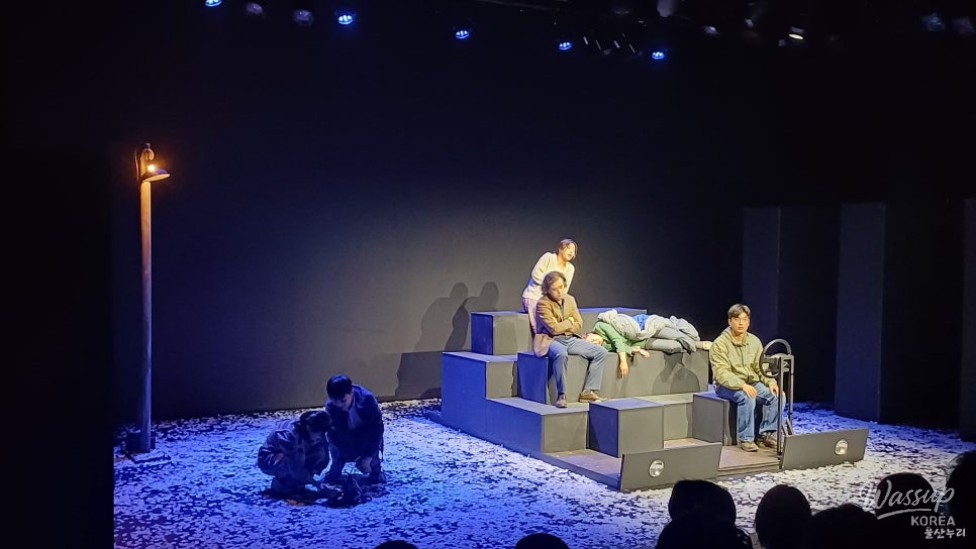
The intimate theater, with just over a hundred seats, was filled with the warmth of humanity rather than grandeur.
The distance between the actors and the audience was just a few steps.
Before the lights came on, the theater was already filled with a strange tension.
Though the performance had not yet started, the stage felt like the very heart of life.
The simplicity of the small theater meant that grand set designs and dazzling visuals could not replace the actors.
Thus, the actors had to move the audience's hearts with just their breath, gaze, dialogue, and silence.
When the performance began, the actors quickly blurred the lines between stage and audience,
and the audience became part of the family in the story.
This play was about a family setting out to meet a critically ill grandfather.
It started when the entire family was stranded on a highway due to heavy snowfall.
To make matters worse, the youngest daughter, who was heavily pregnant, suddenly went into labor.
The hospital was far away, and help was uncertain.
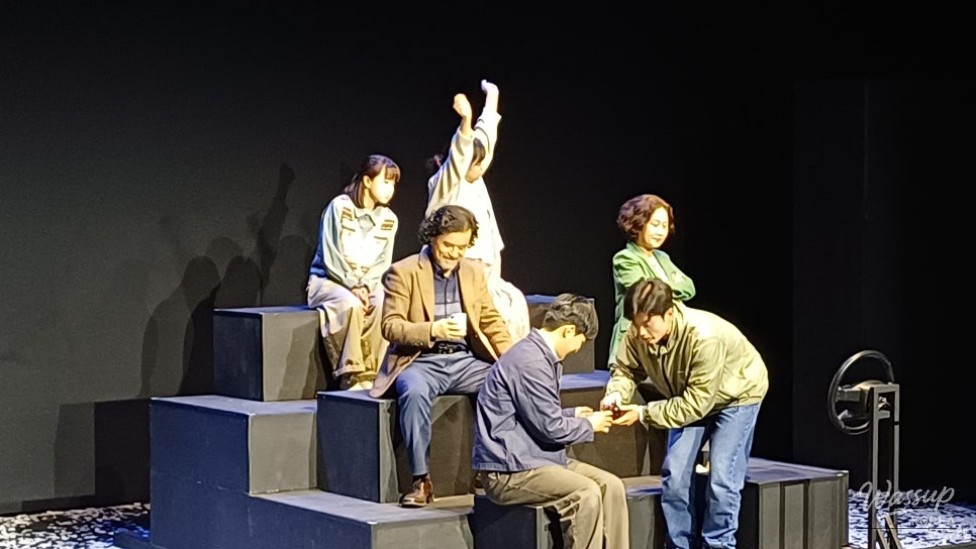
The cramped nine-seater van quickly turned into a delivery room.
The family had to endure a desperate time together to protect a life.
While the plot seemed like a single urgent event, the work aimed to portray a family coming together for childbirth.
In the most desperate moment before life is born, the family began to argue.
Long-buried wounds, regrets, apologies, and love began to surface.
Words that were usually hard to express came out sincerely in the face of new life.
The title 'Annapurna' became the most beautiful metaphor that ran through the entire play.
It represented the mountain that the eldest son, who passed away long ago, had tried to climb.
And it symbolizes the mountain each person carries within their heart.
Memories we want to forget, dreams unfulfilled, those we cannot forgive, and ourselves we cannot reconcile with.
Everyone lives with their own invisible Annapurna.
Watching the performance, I reflected on the mountains present in my own life.
In my youth, I believed I had to conquer every mountain.
Failure was defeat, and giving up was shameful.
However, time taught me differently.
Some mountains require the courage to descend rather than ascend, and it's okay not to climb some mountains at all.
What matters is who you walk that path with.
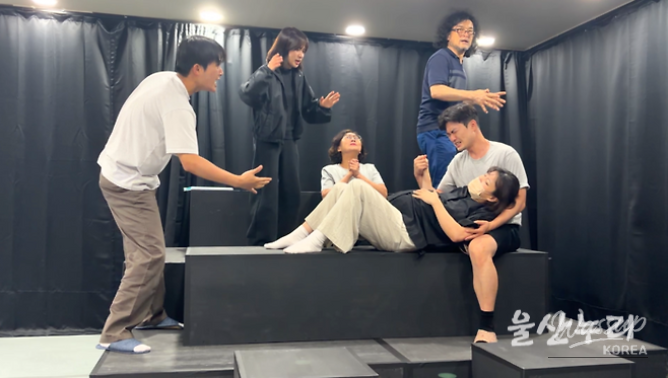
The most memorable scene from the performance was the childbirth scene.
Actress Jo Ah-ra's performance was astonishingly realistic.
Her breathless gasps, the expression of enduring pain, and the gestures of a mother trying to embrace her child silenced the audience.
It was the very wonder of life.
That scene reminded me of all mothers in the world.
No one easily remembers the pain their mother endured on the day they were born.
Life is a blessing, but that blessing blooms through someone's tears and patience.
The play deeply awakened this truth without grand explanations.
Families can hurt each other and fail to understand one another.
The closer we are, the more painful a single word can be, and the longer the silence stretches.
Yet, in the moment of birth, resentment and pride held no meaning.
Some held hands, others supported backs.
Some encouraged not to give up until the end.
As the performance concluded, warm applause filled the auditorium.
The actors took their bows, but the ones truly comforted were the audience.
Everyone will encounter their own Annapurna in life.
It could be a battle with illness, days of enduring failure, or separation from a loved one.
Some cry because of family, while others rise again thanks to their family.
The highest mountain in life is not nature, but the hearts among family, and this performance quietly conveyed that message.
Suddenly, I found myself asking, 'What mountain am I climbing now?'
There are still mountains I have not crossed and others I must face again someday.
This play taught me that together, we can conquer even the highest peaks.
The Annapurna I encountered today was not in the Himalayas.
It was a peak of life that I had long ignored deep within my heart.
When we hold hands in the name of family, it becomes a mountain we can climb.









Source :https://blog.naver.com/ulsan_nuri/224399371639
More from Place


No comments yet.