Gyeongbuk 365 Living Zone: Ensuring Essential Services Year-Round
- Original source
- blog.naver.com


Our Village Living Services,
Always available 365 days a year
Gyeongsangbuk-do is launching a new village policy.
It is called 'Gyeongbuk 365 Living Zone.'
The number 365 signifies a commitment to providing
basic living services every single day of the year.
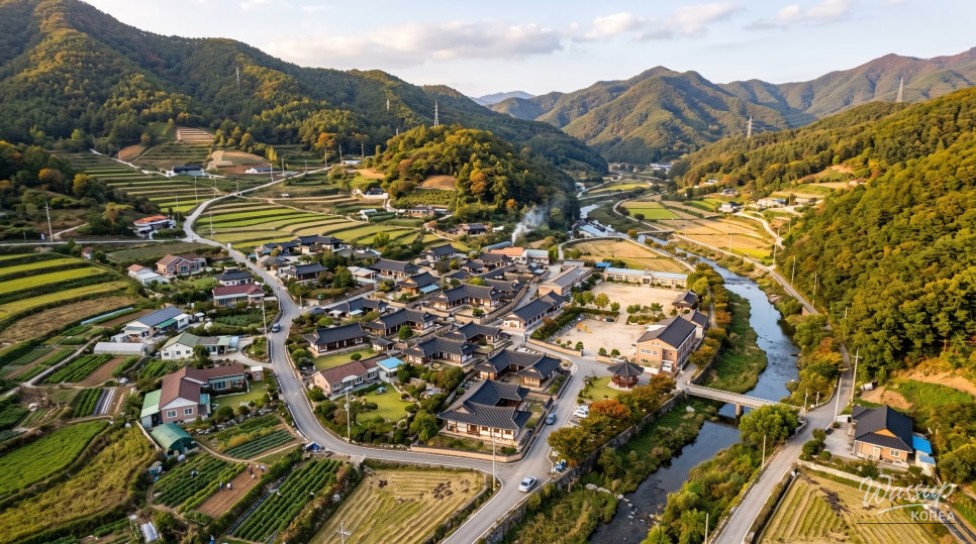
This policy addresses the reality in rural areas of Gyeongbuk,
where aging populations and a lack of basic infrastructure
have led to significant gaps in living services.
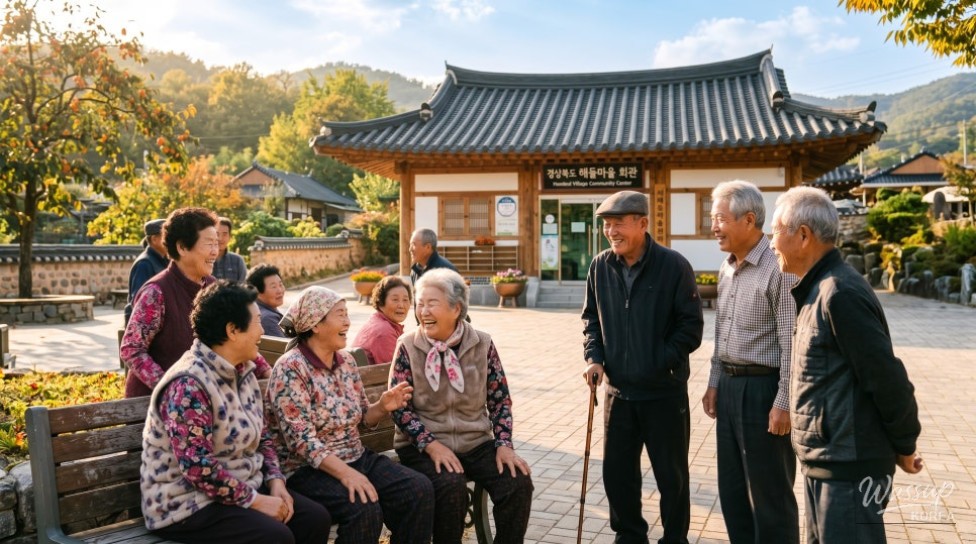
To visit a hospital, residents must travel to town,
and accessing welfare services is often challenging.
Existing village projects are often operated separately by different departments,
leading to overlaps or omissions in services.
This policy aims to fill those gaps.
Why is this policy needed now?
The aging rate in Gyeongsangbuk-do exceeds the national average.
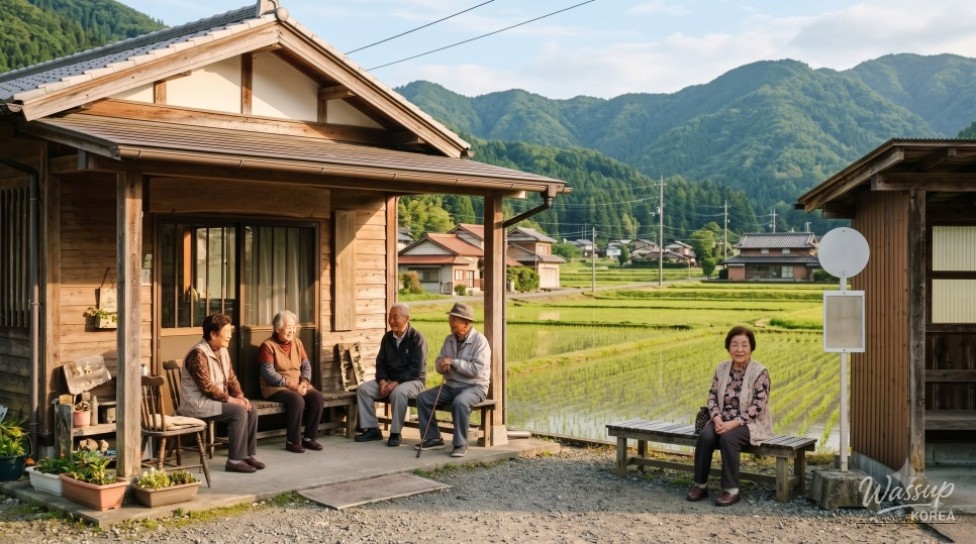
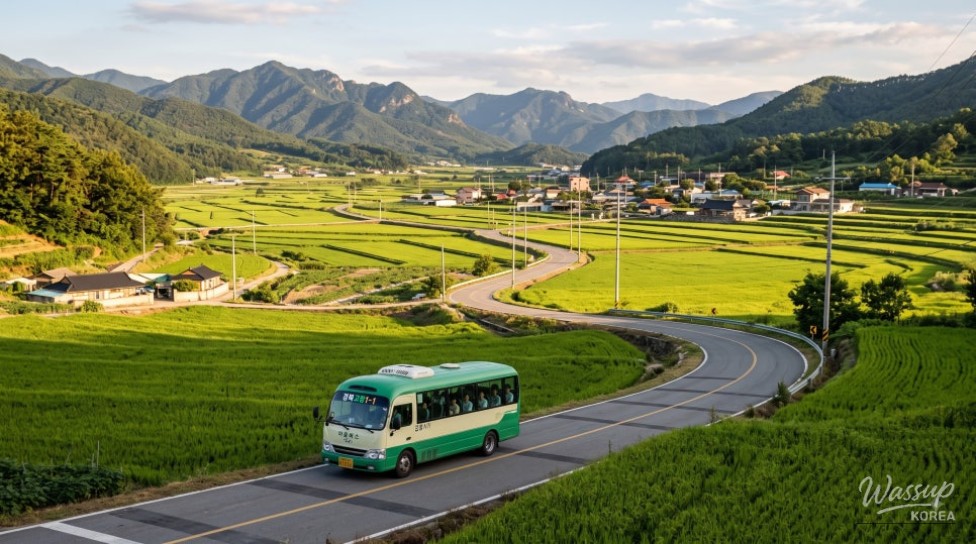
Rural areas especially have many elderly residents with mobility issues
and limited transportation options.
Ironically, those who need medical, welfare, and transportation services
the most are often the hardest to reach.
Previously, village projects in the province were managed
individually by various departments and organizations.
Similar projects were often duplicated under different names,
or essential services were overlooked entirely.
The 'Gyeongbuk 365 Living Zone' starts by integrating
these scattered projects into a cohesive system.
The policy categorizes village projects into four types:
Residential: Supporting living and community infrastructure.
Community: Supporting relationships and activities among residents.
Living Services: Connecting essential services like medical, welfare, and transportation.
Industry Linkage: Connecting agriculture and local industries.
By clearly defining which projects fall into which category,
it becomes easier to reduce overlaps and identify gaps.
This ensures that budgets are not wasted
and resources are focused where they are truly needed.
The policy is based on five principles: spatial integration,
stepwise linkage, exit assurance, regional cooperation, and coexistence of locals.
The core idea is simple: integrating living zones.
This involves linking urban service hubs with nearby rural areas
to create a unified living zone.
Utilizing facilities in urban areas,
mobile services will extend to rural areas,
making essential services accessible to all residents.
In 2027, pilot projects will be included in the budget.
Gyeongsangbuk-do plans to detail the contents and operations
of the Gyeongbuk 365 Living Zone for pilot implementation.
While this may not be a grand development project,
it directly impacts the daily lives of residents in rural areas.
Gyeongsangbuk-do's evolving village policies are worth watching.
Source :https://blog.naver.com/gyeongbuk_official/224418908970
More from Place


No comments yet.