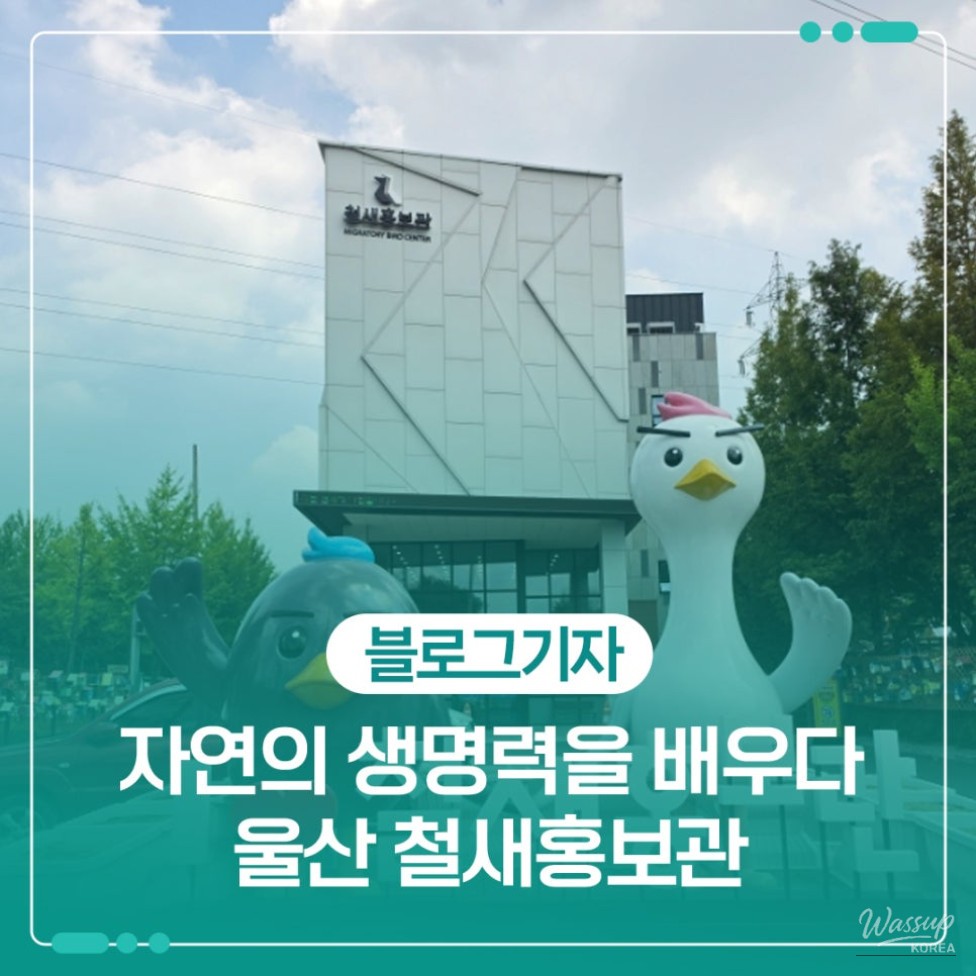
Exploring the Migratory Bird Promotion Center in Ulsan
- Original source
- blog.naver.com


Samho Migratory Bird Village in Nam-gu, Ulsan, is a special place where the blue waves of the Taehwa River flow gracefully, making it one of the first spots to experience seasonal changes through sight and sound.
Recently, during the hot summer months, visitors could see herons soaring above Samho-dong.
As winter approaches, flocks of crows create a stunning spectacle as they darken the sky at dusk.
The bamboo forest, home to these birds, has become a cradle of ecology that Samho-dong proudly boasts.
This place offers a unique opportunity to learn, experience, and document the incredible vitality of nature up close.
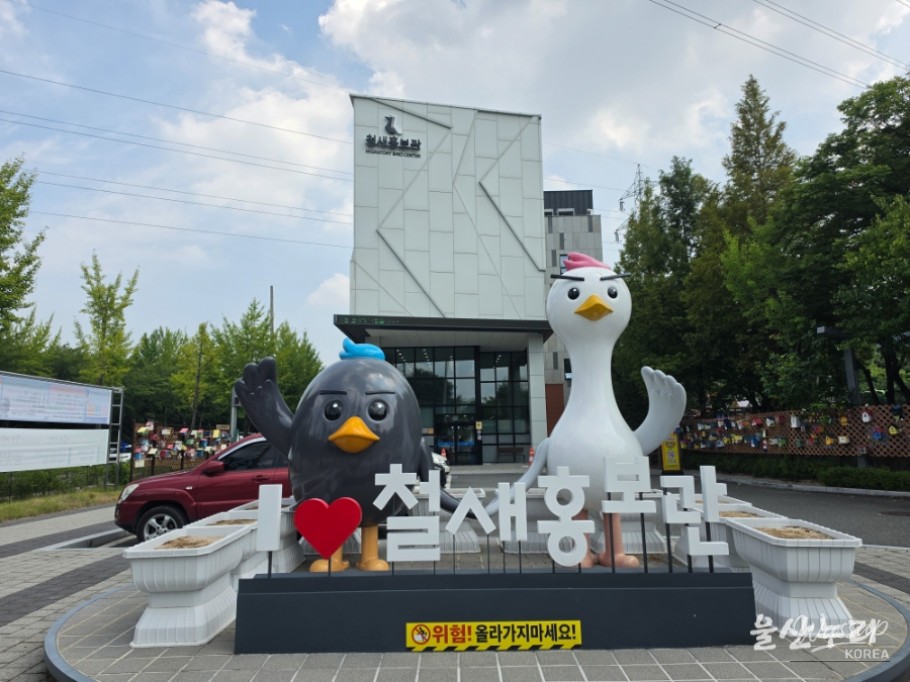
Today, I would like to introduce you to the Migratory Bird Promotion Center.
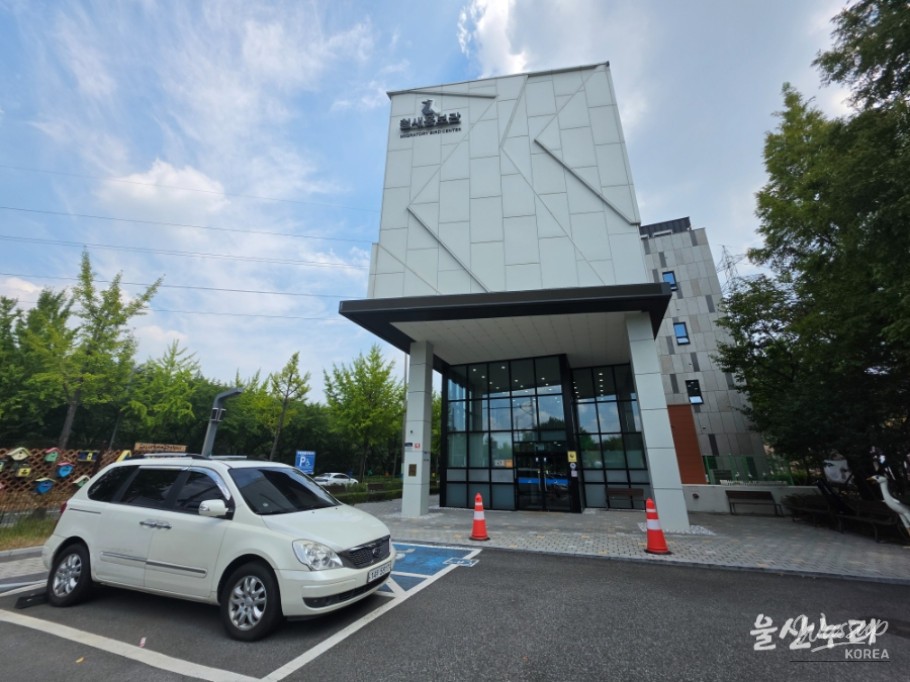
The center is located at 24 Nuljae-ro, Nam-gu, Ulsan.
Operating hours are as follows:
April to October: 09:00-18:00
November to March: 10:00-19:00
It is closed every Monday.
Parking is available for free in the designated parking lot.
Public transportation to the center is accessible via several bus routes.
In the past, there was a peculiar tension between the residents of Samho-dong and the migratory birds due to the noise and inconvenience they brought during breeding seasons.
However, since the opening of the Migratory Bird Promotion Center, a path of coexistence has been sought. The center has welcomed migratory birds as valuable ecological resources and friends, overcoming the challenges of environmental pollution.
As a result, the center has become a historical symbol of coexistence between humans and birds.
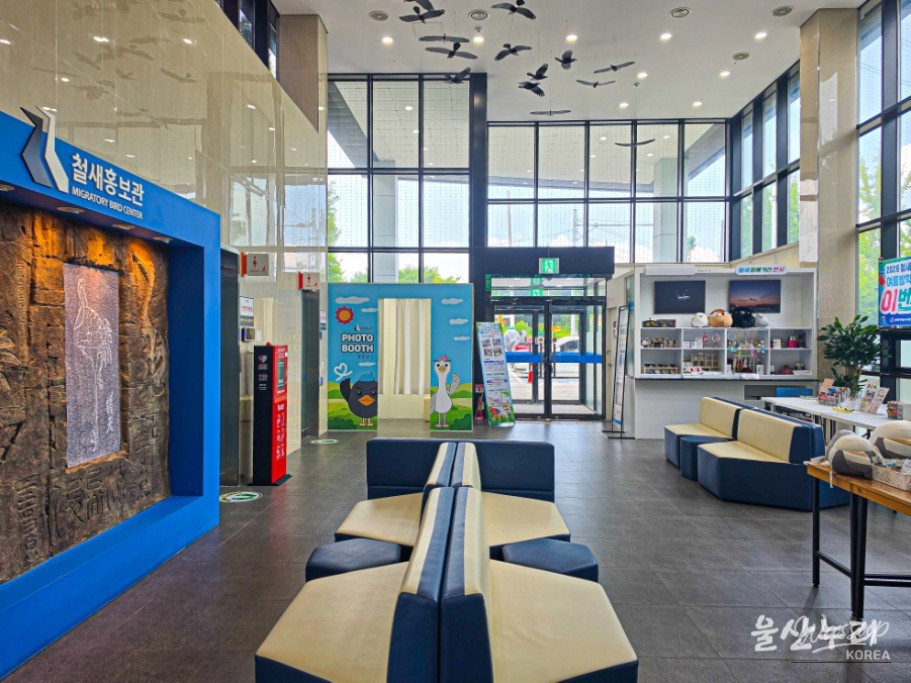
The center begins with an exhibition of the Bangudae Petroglyphs, showcasing the ecological and cultural significance of birds in prehistoric times.
For prehistoric people, birds were beings that could walk on land and fly in the sky, serving as intermediaries between gods and humans.
Historically, the area around the Taehwa River and Daegokcheon has been a natural wetland and migratory bird habitat, attracting various waterfowl.
The primary visitors to the Migratory Bird Promotion Center are children.
To enhance the experience for families, various hands-on programs and craft exhibitions are offered.
At the entrance, there is an interactive zone combining media technology with the traditional Ulsan Crane Dance.
Visitors can don white traditional costumes and experience the dance in sync with a monitor.
The exhibition hall features displays on the past and present of the Samho bamboo forest under the theme of coexistence.
It also provides friendly explanations about nearby natural ecological attractions such as the Taehwa River National Garden and Samho Migratory Bird Park.
The center offers specialized exhibitions about the world of birds, including resident birds, migratory birds, summer and winter species, and the Taehwa River migratory bird habitat.
Information on international migratory routes and local bird observations is also available.
It is evident that the center is dedicated to educating visitors about birds.
Furthermore, the center explains in detail the rich food sources that attract migratory birds to Ulsan each season.
In summary, seven species of summer migratory birds, including herons and egrets, can be observed in the Samho bamboo forest from April to October.
The winter migratory crows have been visiting Ulsan since 2001, residing from mid-October to late April.
The presence of egrets and crows each season indicates the successful preservation of their habitats.
The healthy management of the Taehwa River and Samho bamboo forest signifies a thriving environment.
Life-like models of various bird species are displayed, allowing close observation of rarely seen birds.
The stairwell features artwork from a children's bird drawing competition, emphasizing the theme of coexistence.
After learning about migratory birds, visitors can head to the top of the center for a panoramic view of the Taehwa River and the bamboo forest.
Equipped with high-performance telescopes, the observation deck allows for detailed views of nesting egrets and other migratory birds.
During winter, it is also the perfect spot to witness the spectacular return of thousands of crows at sunset.
The center serves as a symbol of ecological restoration, demonstrating how humans and nature can coexist harmoniously.
The transformation of the Taehwa River and Samho bamboo forest into a paradise for migratory birds is a remarkable achievement.
From the Bangudae Petroglyphs to the observation deck, the center showcases Ulsan's pride as it evolves from an industrial city to an eco-friendly ecological city.
Images from the center:
Source :https://blog.naver.com/ulsan_nuri/224403389691
More from Place



No comments yet.