

A Trip to Bulguksa Temple in June
- Place
- 불국사
- Address
- 15 Bulguk-ro, Gyeongju-si, Gyeongsangbuk-do
- Original source
- blog.naver.com



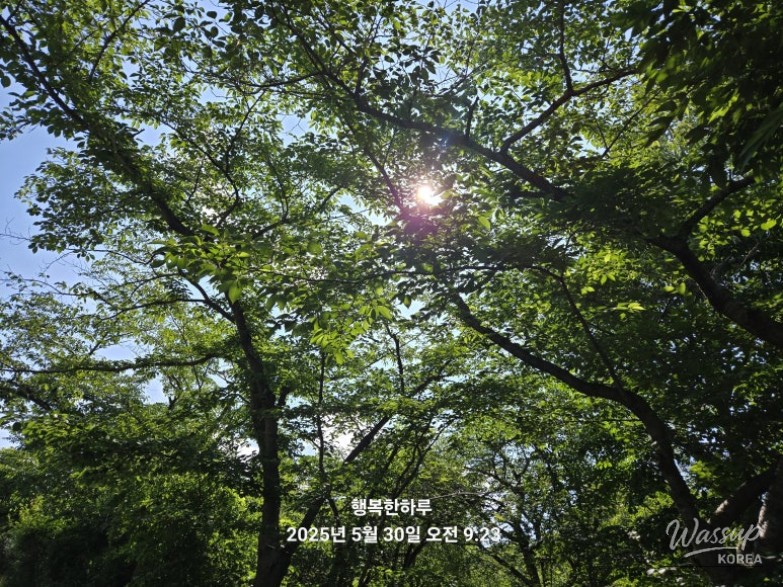
Visiting Bulguksa Temple (불국사) and Seokguram Grotto in June is an unforgettable journey into the heart of Silla Dynasty heritage. Starting early in the morning allows you to beat the crowds and experience the tranquil atmosphere of these UNESCO World Heritage sites at their most peaceful. The lush greenery of summer perfectly complements the ancient stone architecture, creating a picturesque setting for a historical stroll.
The journey from the main temple grounds of Bulguksa to the high-altitude Seokguram Grotto offers breathtaking views of Gyeongju's landscape. With clear blue skies and a gentle mountain breeze, this trip is a must for anyone seeking both spiritual healing and a deep connection with Korea's magnificent cultural past. From the iconic stone pagodas to the divine aura of the grotto, every step feels like a walk through history.
A Peaceful Morning Walk at Bulguksa Temple
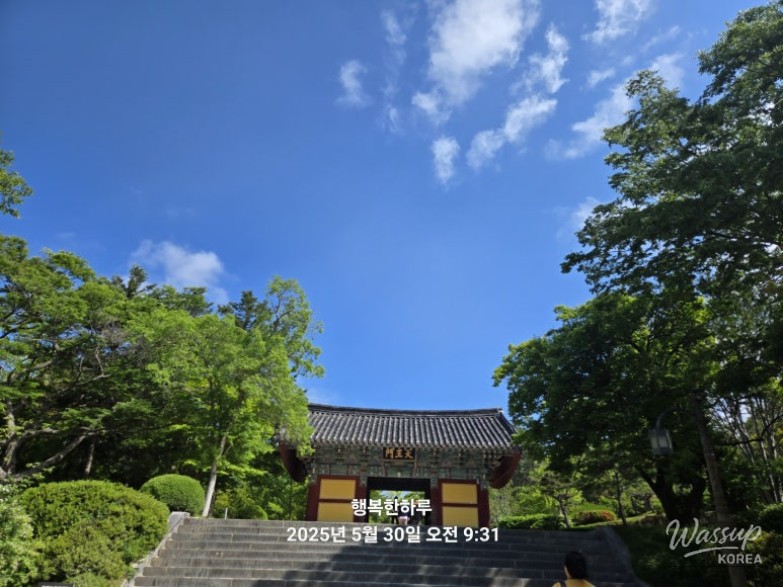
After checking out of the accommodation early, the day began with a quick bus ride to Bulguksa Temple. Arriving before the midday heat, the walk up to the temple grounds felt refreshing. The air was crisp, and the vibrant June foliage provided ample shade along the path. Bulguksa stands as a representative monument of Buddhist culture, and seeing its grand scale in person is truly impressive.
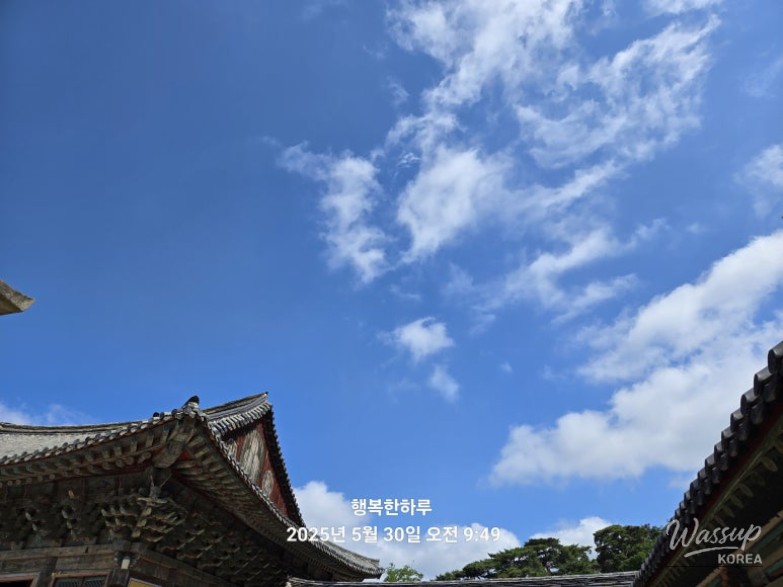
Exploring the various halls and courtyards, you can see the masterful craftsmanship of the Silla period. The temple is home to several national treasures, including the Dabotap and Seokgatap pagodas. June is an ideal time for photography, as the sunlight filters through the trees, illuminating the delicate colors of the temple's decorative paintings.
Heading Toward the Clouds: Seokguram Grotto
Next on the itinerary was a visit to Seokguram Grotto. After a short bus ride from the Bulguksa parking lot, I arrived at the mountain peak. The sky was exceptionally beautiful that day—a deep, clear blue that seemed to touch the horizon. Waiting for the bus at the Seokguram parking lot offered a moment to just sit and admire the vast mountain views below.
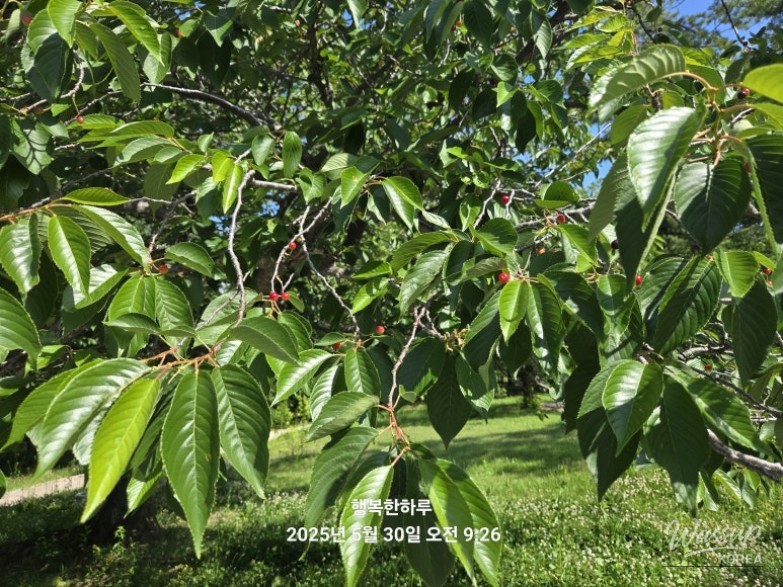
Architectural Harmony and Spiritual Healing
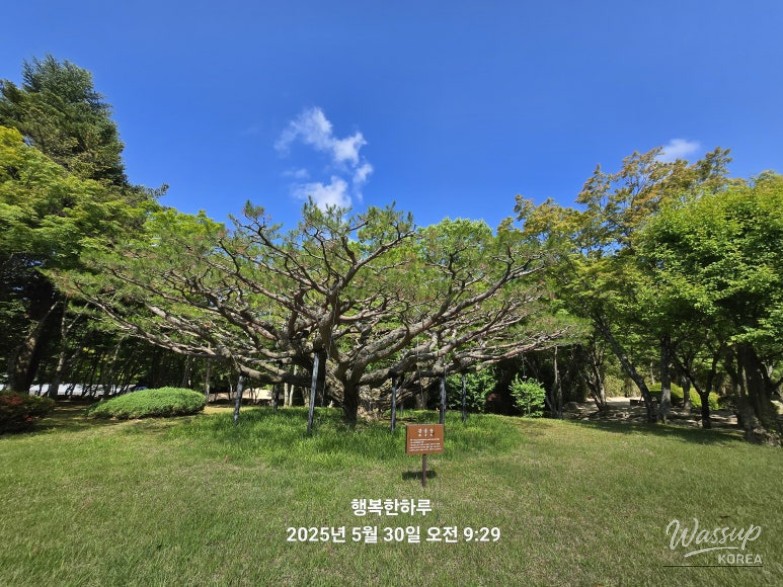
The walk from the entrance to the Grotto itself is a meditative experience. The path is lined with traditional lanterns and surrounded by dense forest. Once you reach the Grotto, the sight of the seated Buddha statue is awe-inspiring. The stone structure is a marvel of ancient engineering and spiritual devotion, harmonizing perfectly with the natural landscape.
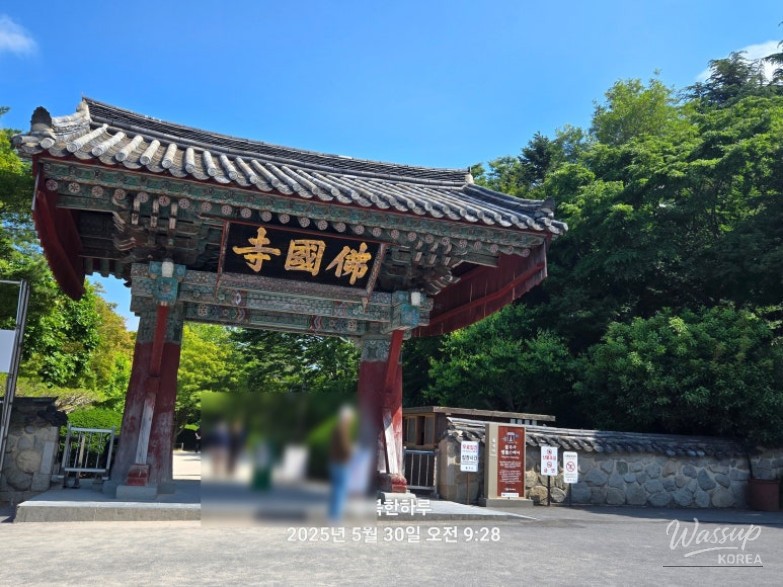
Capturing Memories of Gyeongju's Heritage
Every corner of these sites tells a story. Whether it's the weathered stone steps or the colorful roof tiles, there's a profound sense of "precious memory" in every photo. The trip concluded with a slow descent back to the city, leaving me with a deep appreciation for the "dreamlike moments" spent in these sacred mountains. Gyeongju truly is a living museum that heals the soul.
Practical Tips for Your Visit
If you're planning a June trip, remember to bring a hat and water, as the mountain sun can be quite strong. Also, check the bus schedule between Bulguksa and Seokguram in advance, as it runs at specific intervals. It's a journey well worth taking slowly to fully absorb the "valuable experience" of Korean heritage.
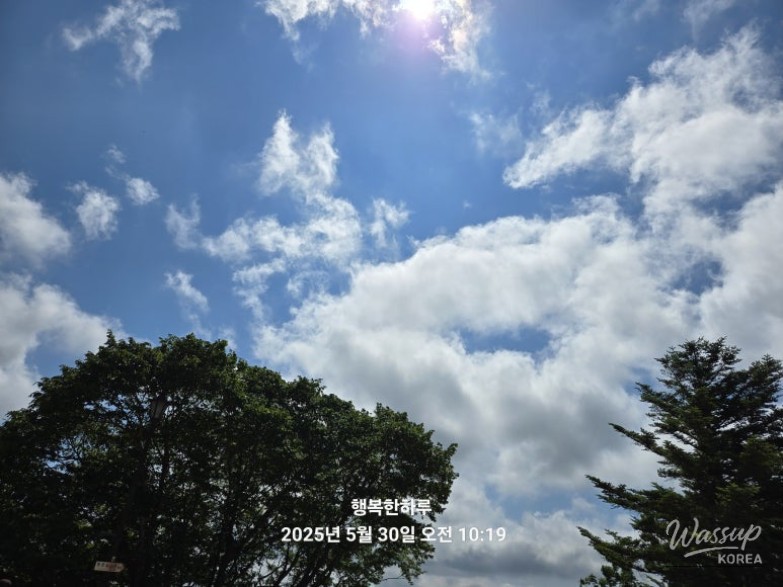
Photo Gallery
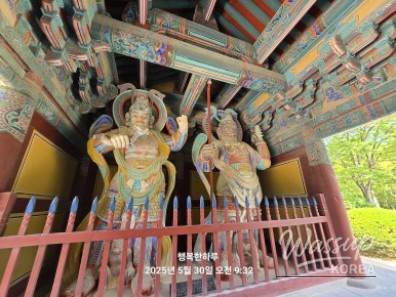
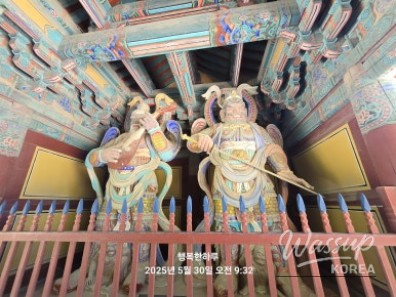
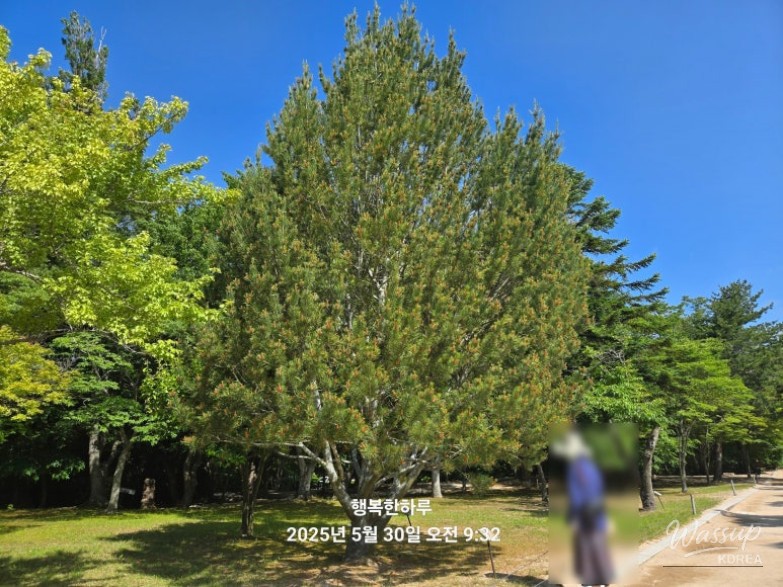
Have you ever experienced the quiet majesty of Bulguksa in the early morning? Which part of Gyeongju's history fascinates you the most—the intricate stonework of the pagodas or the spiritual mystery of the Grotto? If you're looking for more recommendations on the best local restaurants near the Bulguksa bus stop or need help planning your transit route from Gyeongju Station, feel free to ask!
More from Heritage


No comments yet.


