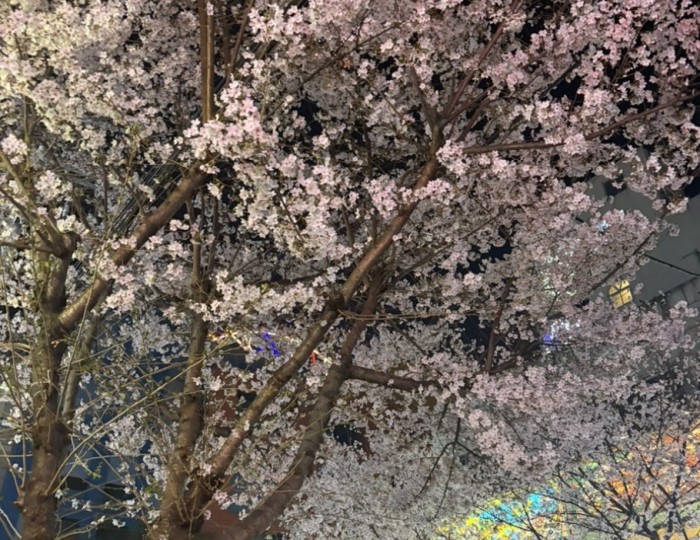
A Visit to Haeinsa Temple and the Tripitaka Koreana: A UNESCO World Heritage Site
122 Haeinsa-gil, Gaya-myeon, Hapcheon-gun, Gyeongsangnam-do
합천 해인사



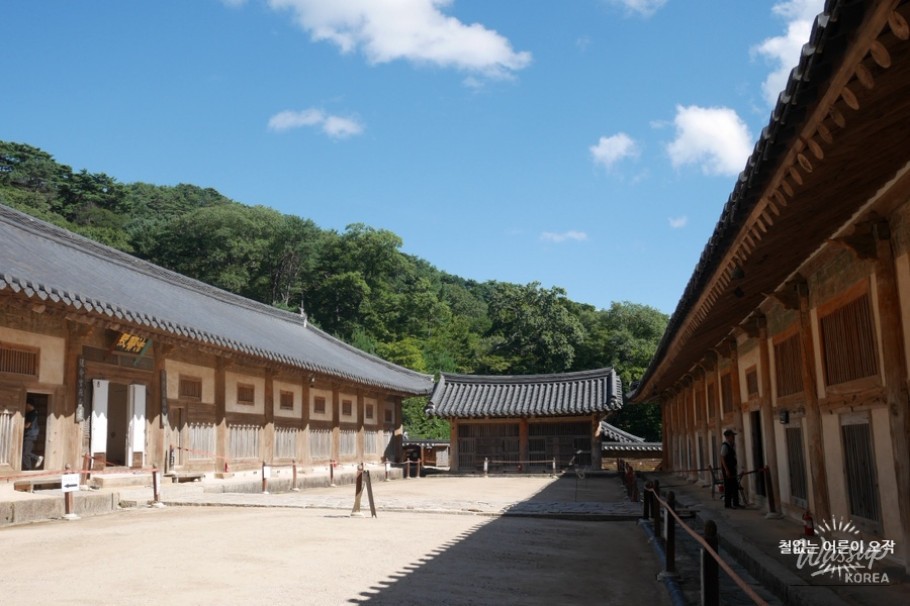
Haeinsa Temple (해인사), nestled within the breathtaking Gayasan National Park in Hapcheon, is home to one of Korea's most significant cultural treasures: the Tripitaka Koreana. Designated as a National Treasure in 1962 and recognized as a UNESCO World Heritage site, this sacred destination offers a profound encounter with history that many only experience through textbooks. Visiting this ancient temple is a moving journey that connects the past with the present in a remarkably peaceful setting.
While the journey from nearby cities like Daegu requires some travel time, the experience of walking through the shaded forest paths and witnessing the 13th-century woodblocks is well worth the effort. From the free admission to the fascinating museum exhibits, Haeinsa Temple provides a comprehensive cultural experience for both domestic and international tourists looking to explore the spiritual heart of Korea.
Starting the Journey at Haeinsa Temple Museum
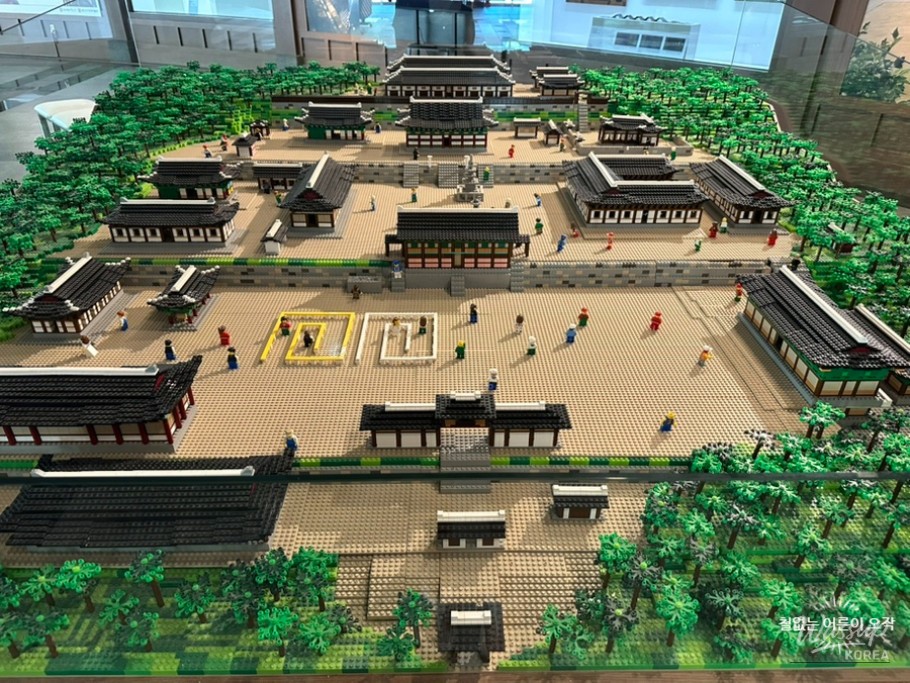
Before heading up to the main temple complex, a stop at the Haeinsa Temple Museum is highly recommended. It is located conveniently near the parking lot and offers free admission, providing a perfect opportunity to cool off and learn about the temple's history before your walk. One of the standout exhibits is an incredibly detailed Lego model of Haeinsa Temple, which captures the architectural grandeur of the site in a fun and engaging way.
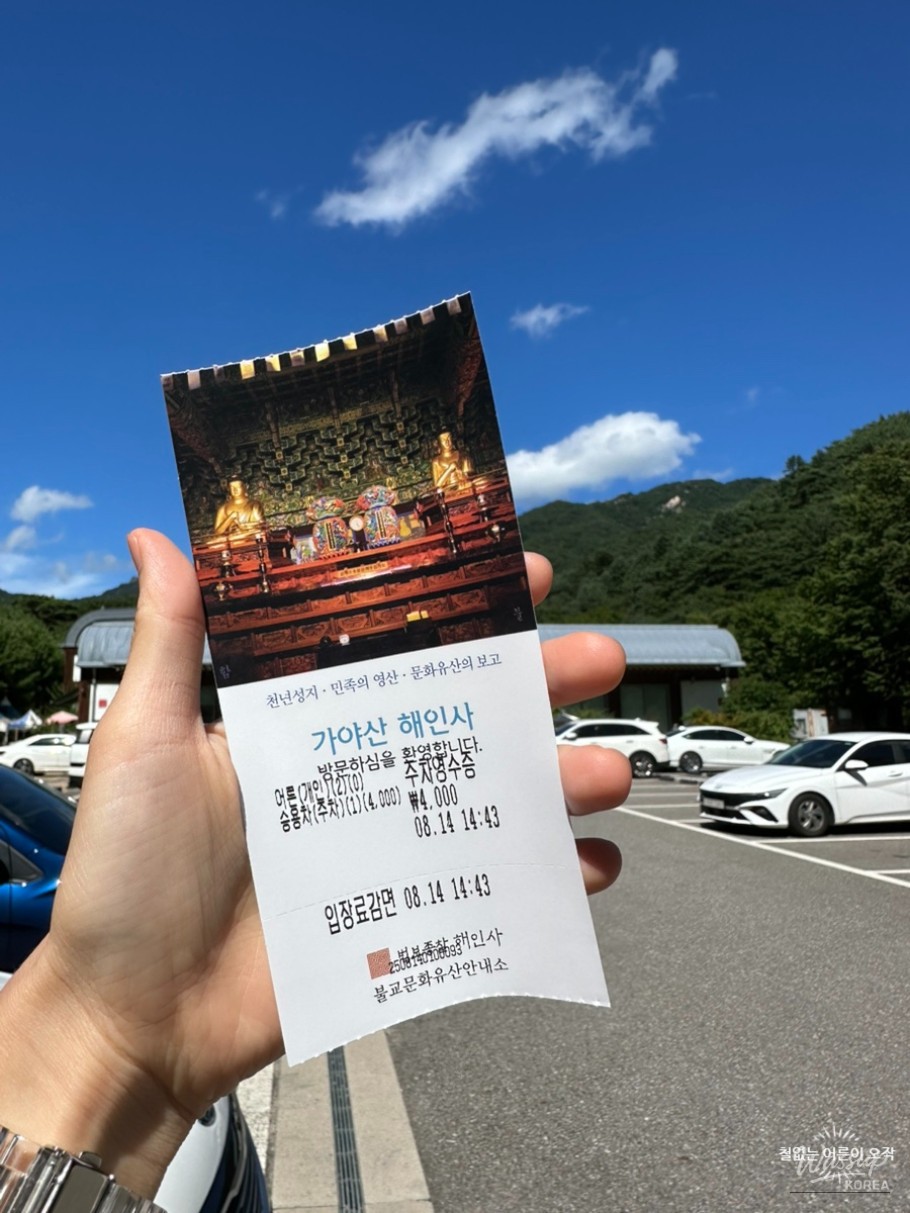
The museum serves as an excellent introduction to the spiritual and historical significance of the temple. After exploring the exhibits, it is a pleasant 10 to 15-minute walk to the entrance of the main temple grounds. The path is well-maintained and shaded by lush trees, making the stroll bearable even during the peak of summer.
Architectural Wonders and Ancient Pagodas
As you enter the temple grounds, the quiet and peaceful atmosphere immediately takes over. One of the first sights to catch the eye is the Three-Story Stone Pagoda, which dates back to the Unified Silla period. Despite the temple suffering from several fires throughout its long history, the pagoda still stands tall, showing visible traces of fire damage that only add to its ancient character and story of resilience.
The Sacred Janggyeong Panjeon and Woodblocks
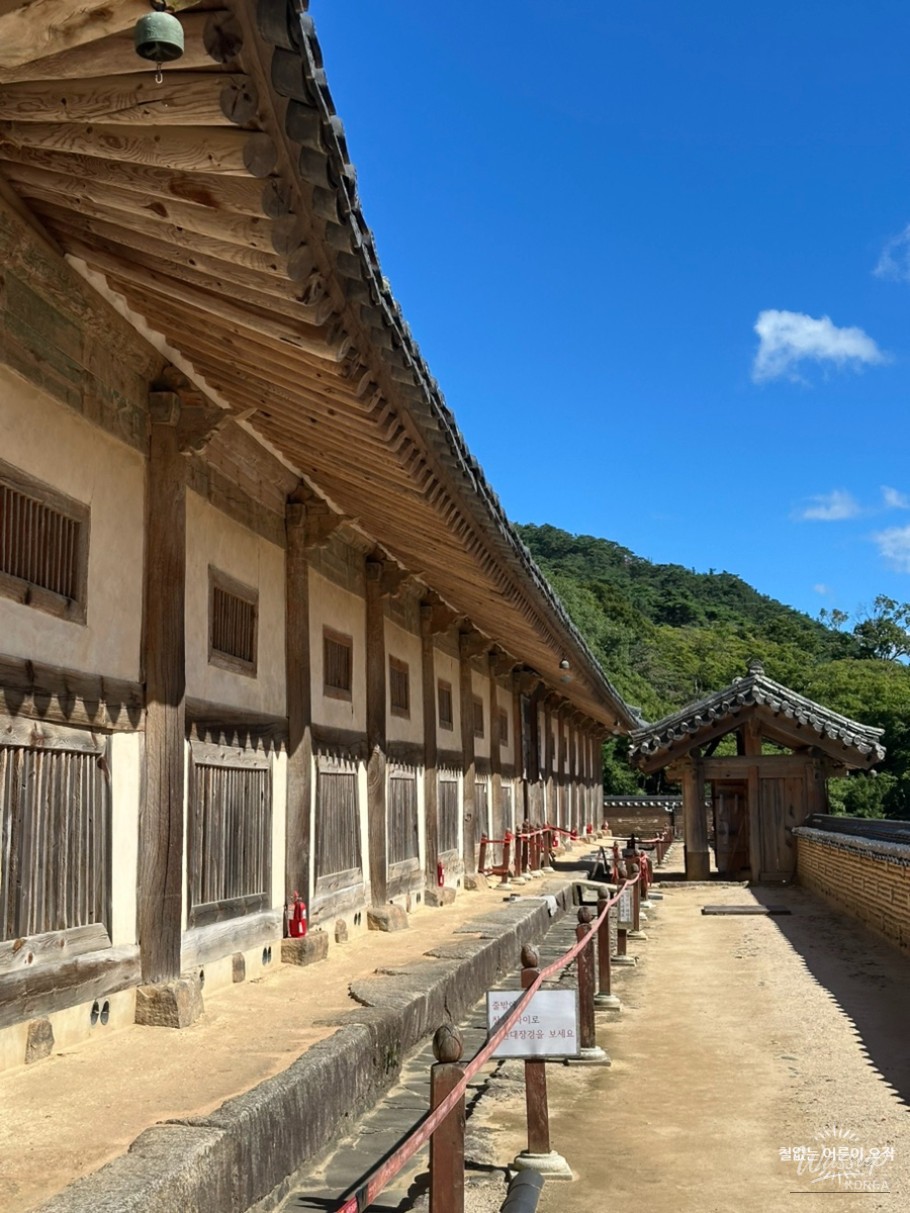
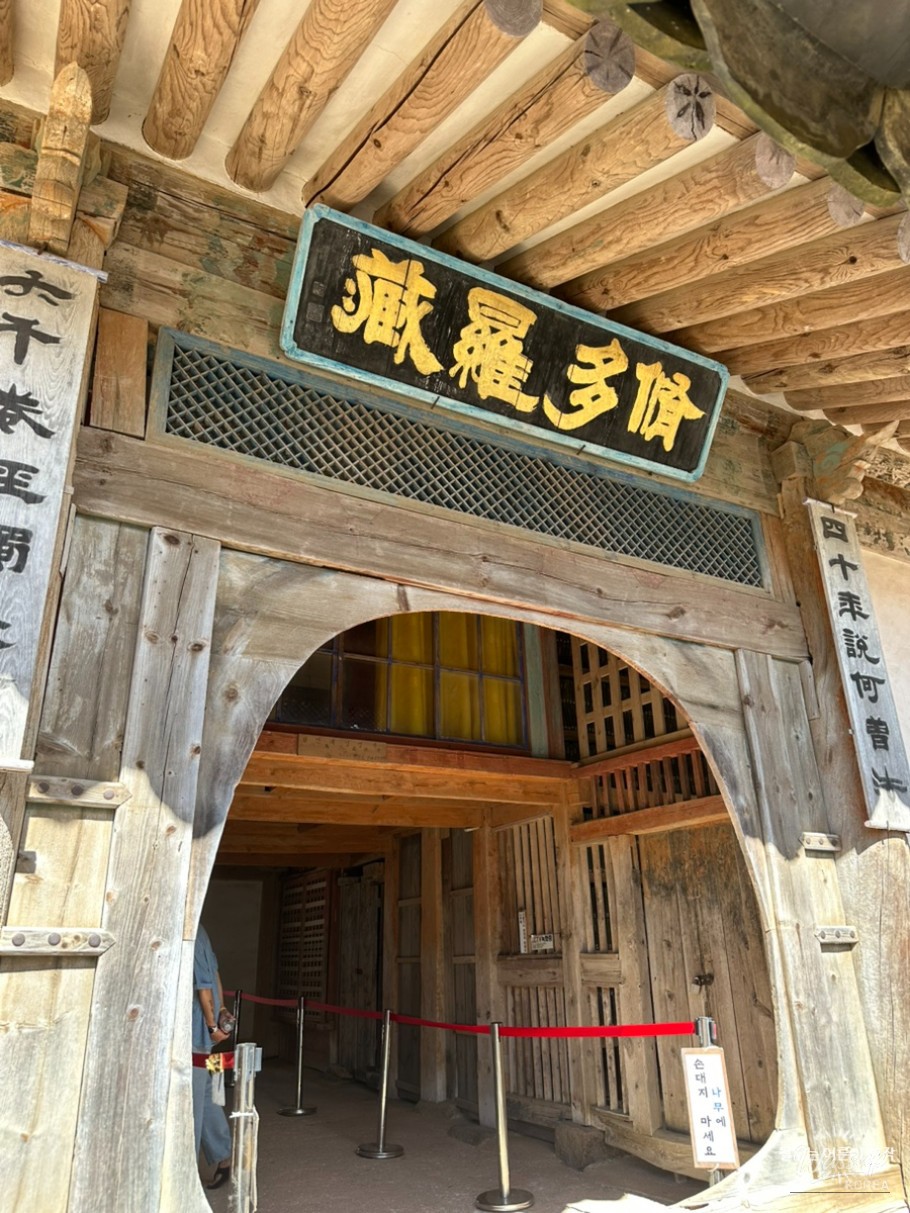
The primary goal for most visitors is the Janggyeong Panjeon, the specialized storage halls where the Tripitaka Koreana woodblocks are kept. These buildings are situated at a higher elevation within the temple complex. The architecture of the storage halls is a masterpiece of science from the 13th century, utilizing natural ventilation and humidity control to preserve the wooden blocks for over 700 years without major damage.
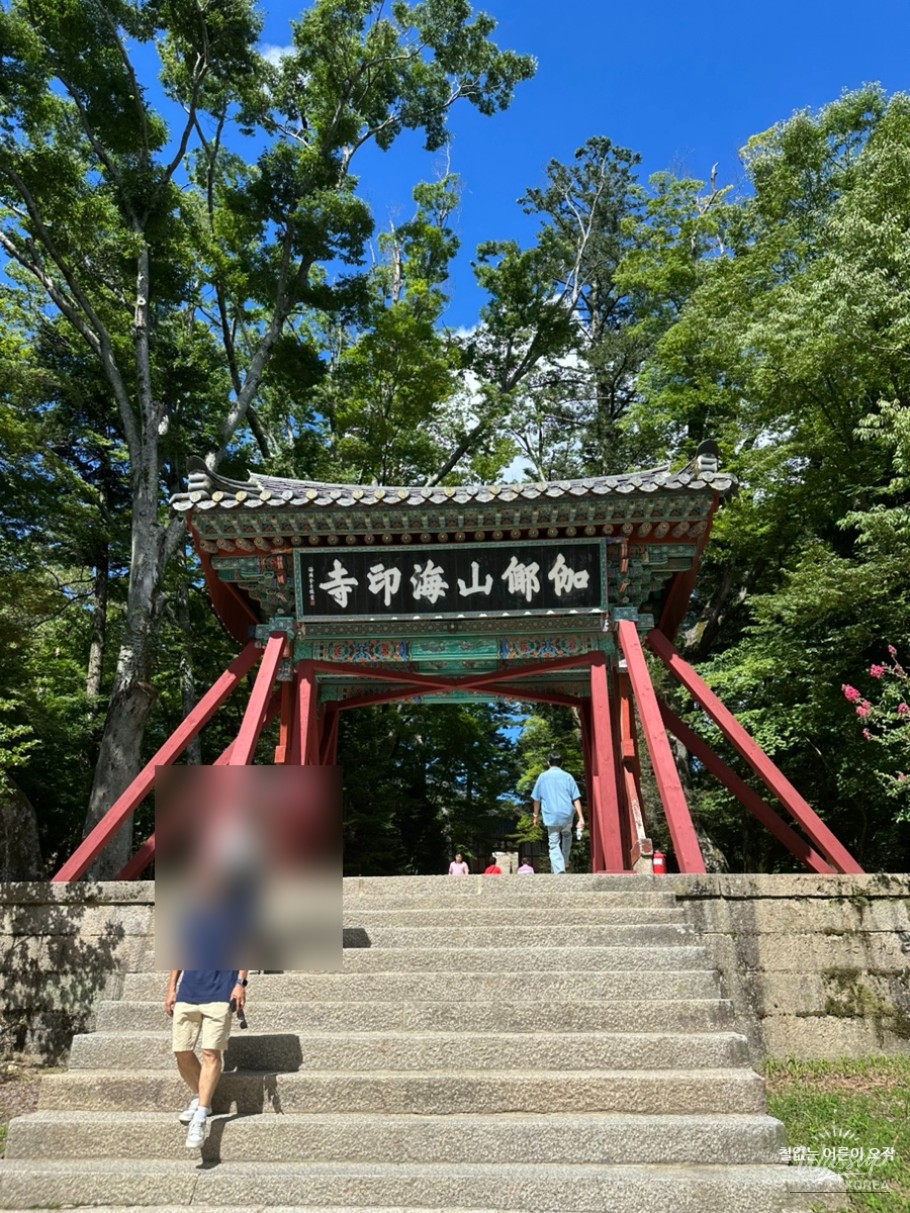
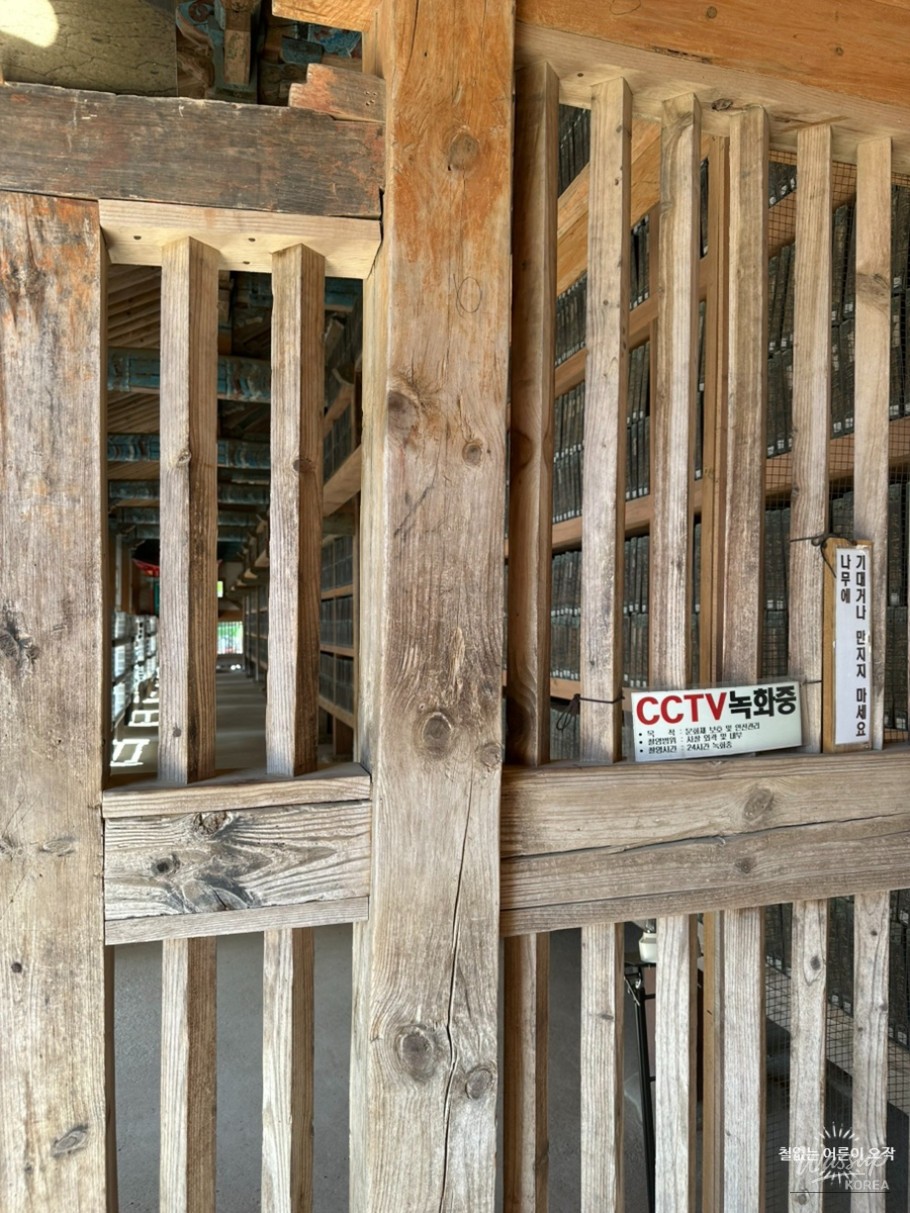
Due to the immense value of these woodblocks, the area is strictly protected by guards and monitored by CCTV. Visitors are reminded by signs everywhere not to touch the structures or the woodblocks. While internal viewing is restricted to those who have made prior reservations through the official website, seeing the thousands of woodblocks stacked behind the wooden bars is still a powerful and moving sight.
Viewing the Tripitaka Koreana Up Close
The experience of peering through the wooden slats to see the rows upon rows of carved blocks is a highlight for many. It is a moment that brings a sense of awe at the dedication of the ancestors who carved over 80,000 blocks to seek divine protection for the nation. The preservation of these wooden artifacts in such an open environment is a true testament to the scientific wisdom of the Goryeo Dynasty.
Exploring the Temple Grounds and Souvenirs
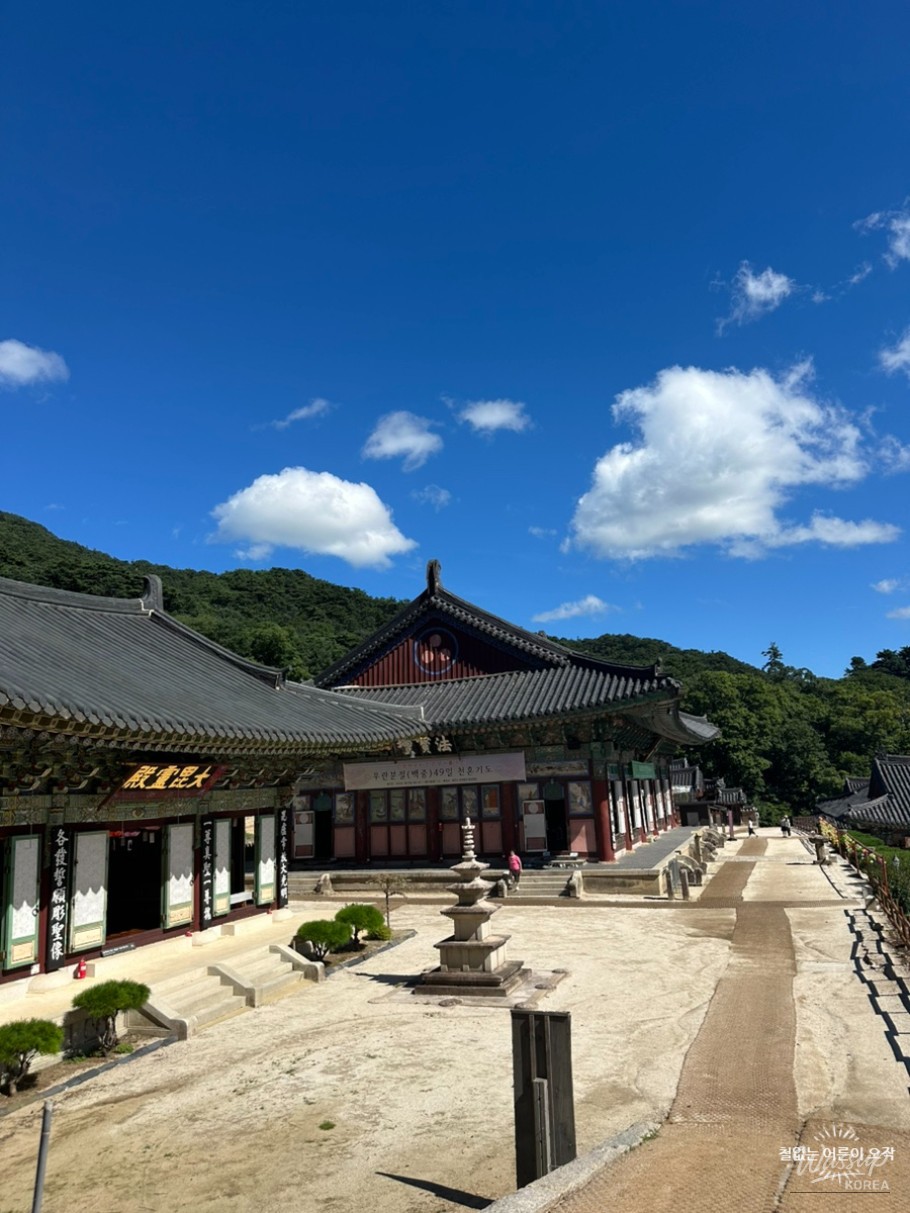
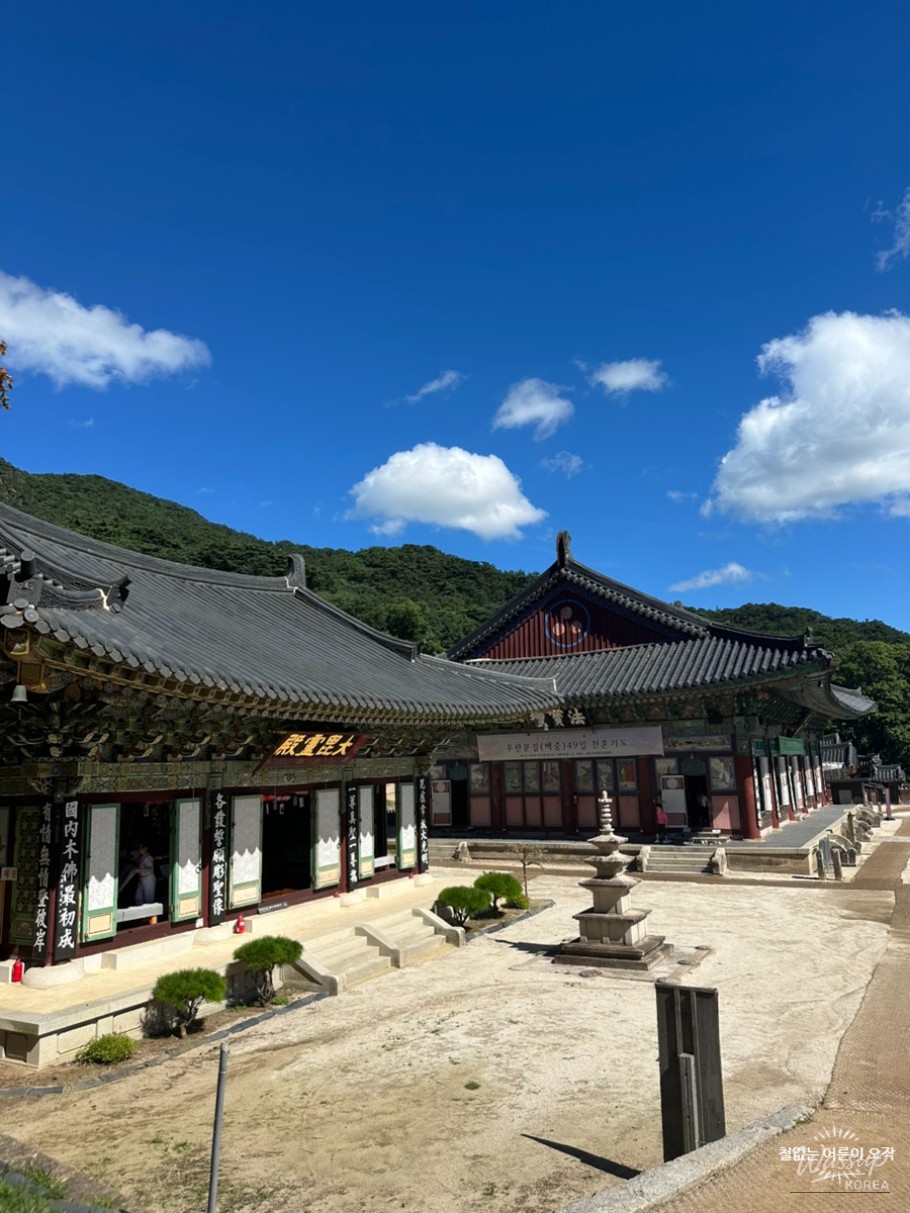
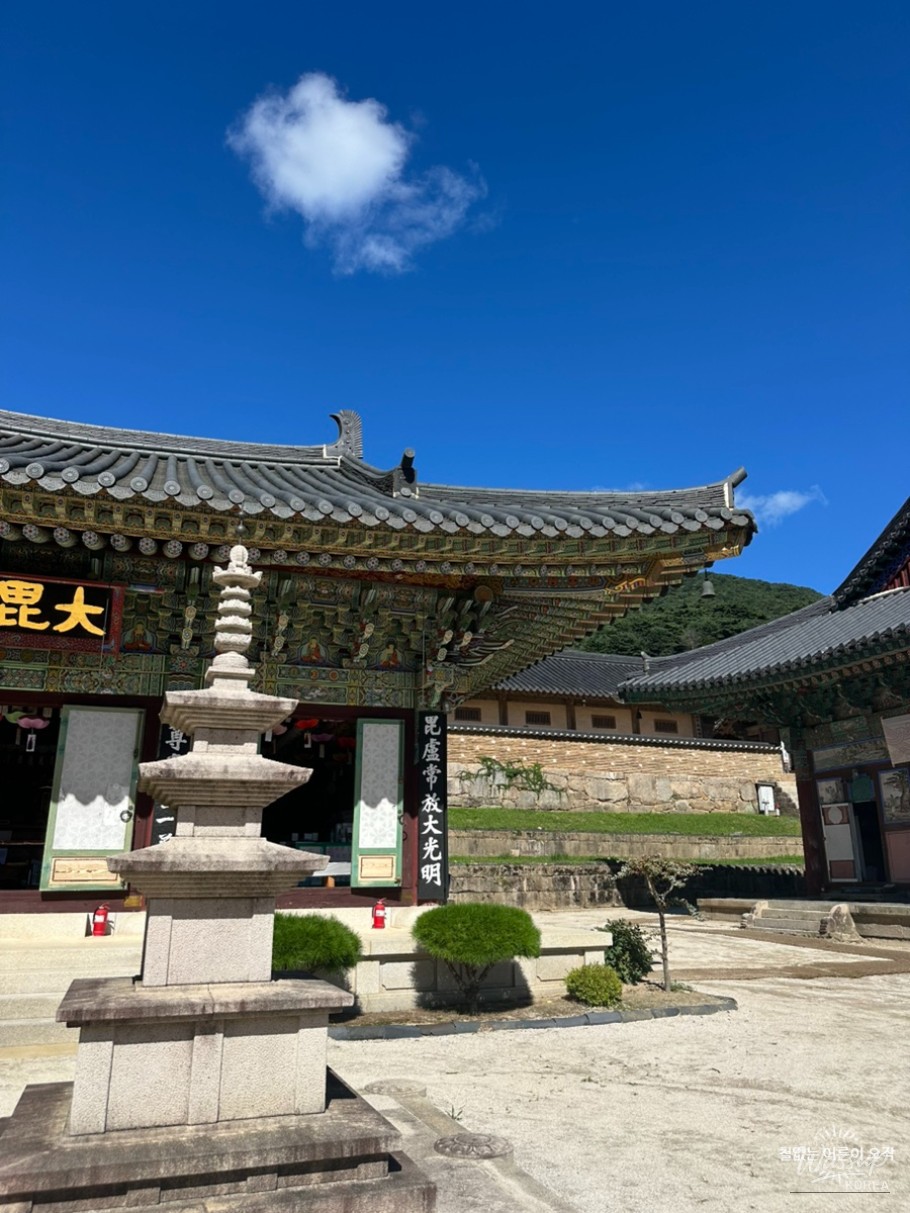
After paying respects at the Janggyeong Panjeon, the walk back down through the temple grounds reveals more of its daily life. The courtyards are often decorated with colorful lanterns, especially during event seasons, and there are plenty of spots to sit and soak in the spiritual energy of the mountain. The contrast between the bright blue sky and the traditional temple eaves creates a picturesque setting for photography.
No trip is complete without a small keepsake. The path leading up to and inside Haeinsa Temple is lined with various souvenir shops. For those who collect magnets, it might take a bit of searching to find a specific Haeinsa-themed one, but it is a rewarding hunt. Carrying a small piece of this National Treasure home serves as a reminder of the moving encounter with Korea's living history.
Visitor Tips and Practical Information
Planning a visit to Haeinsa requires some logistical awareness. While admission to the temple itself is free, there are parking fees ranging from 2,000 won for compact cars to 6,000 won for large buses. It is important to note that the external viewing hours for the Tripitaka Koreana vary slightly by season, usually closing an hour earlier in the winter. If you wish to enter the buildings for a closer look, you must use the pre-booked exploration system available on the temple's official website well in advance.
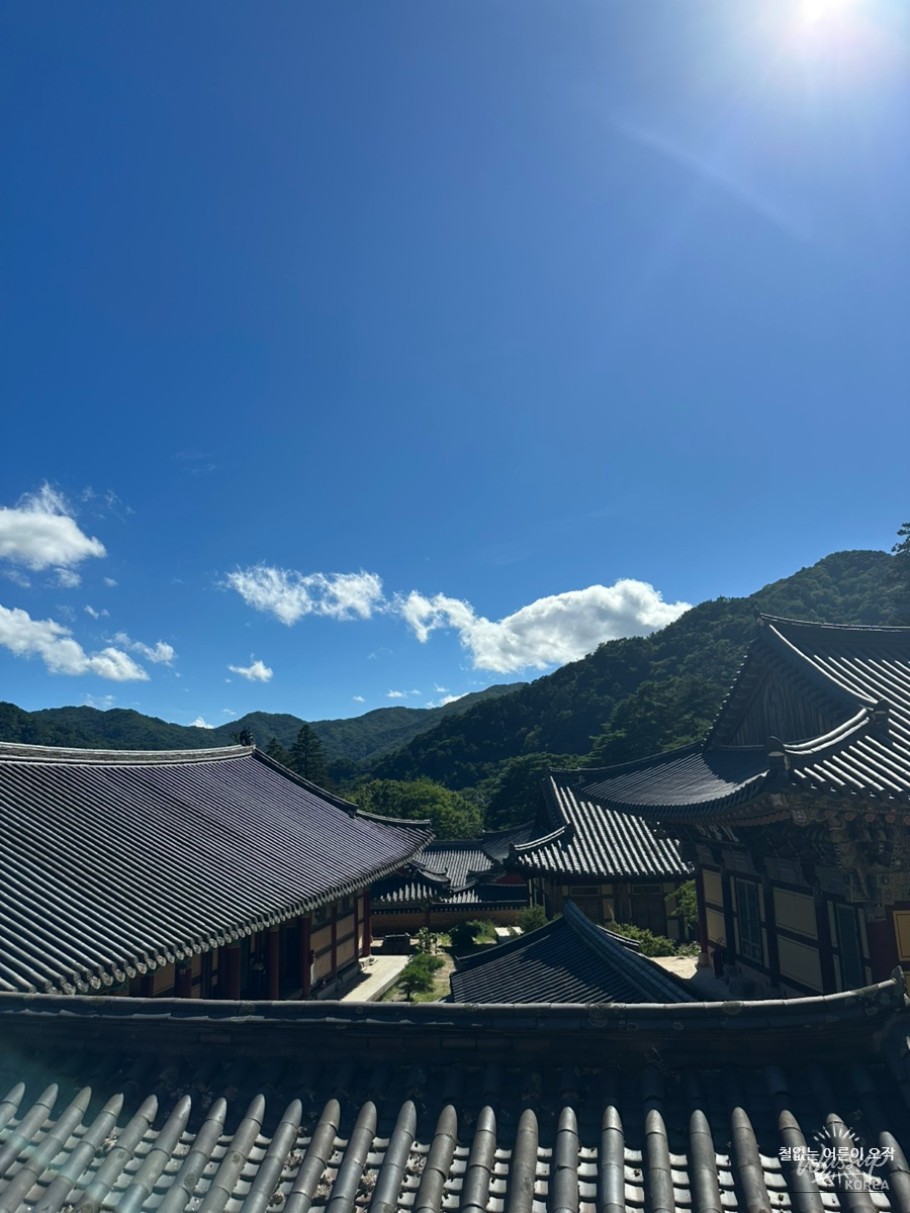
Photo Gallery: More Scenes from Haeinsa
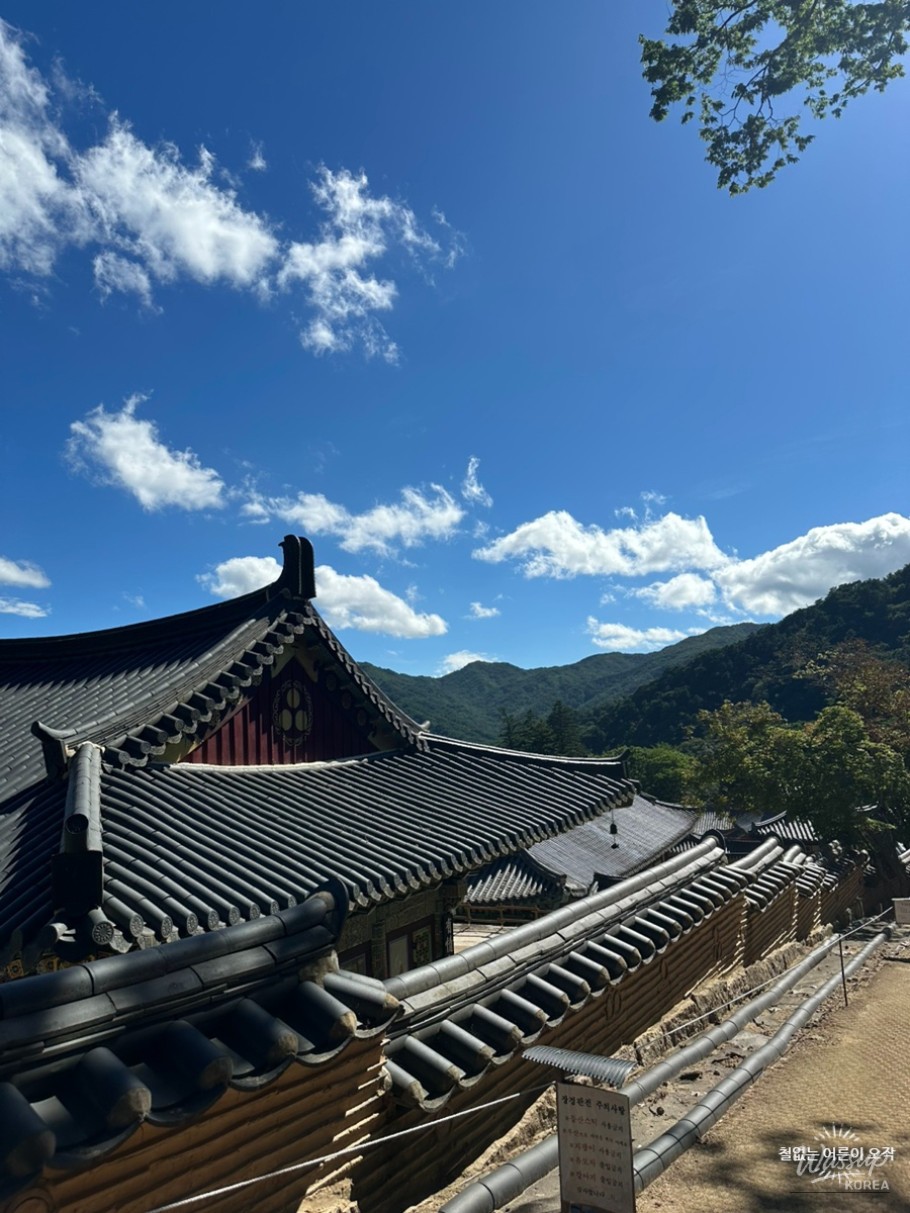
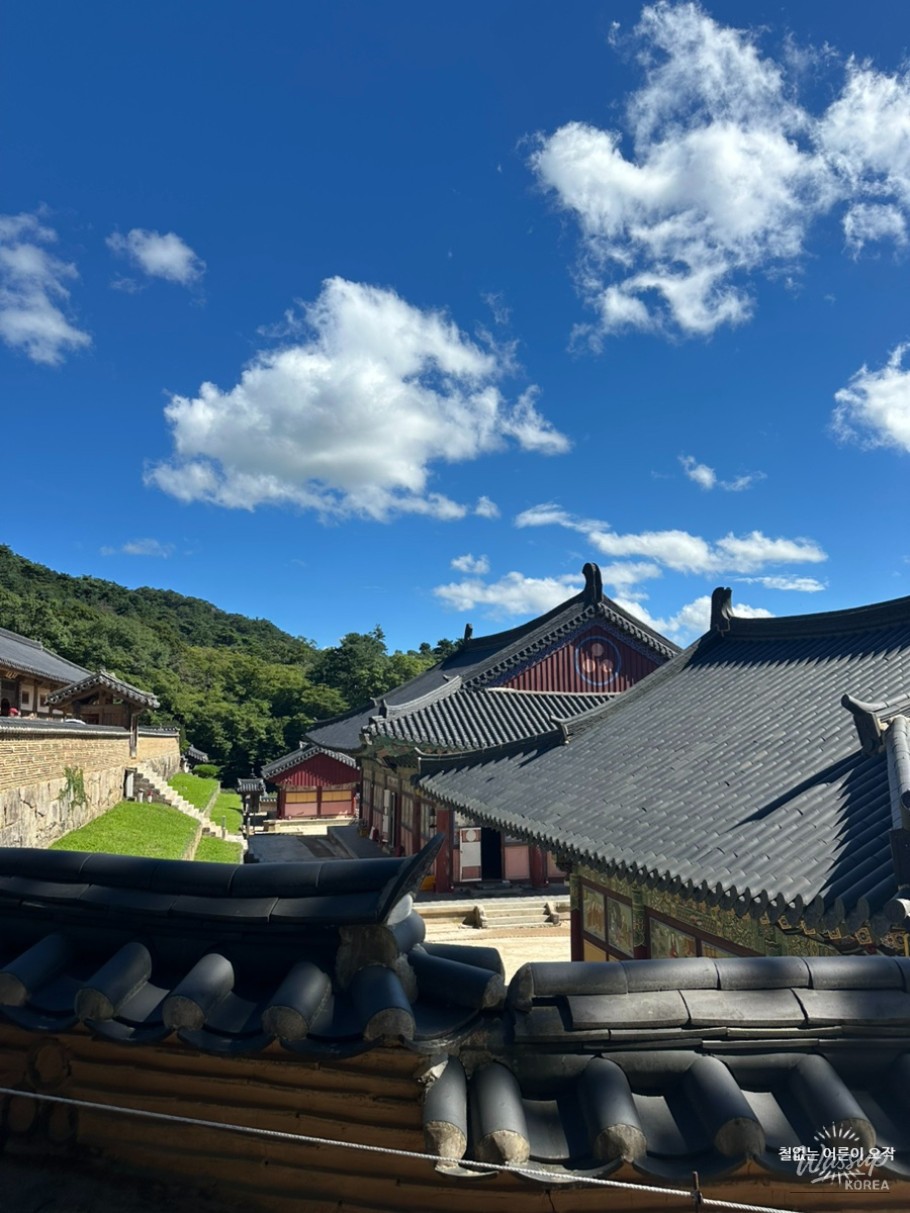
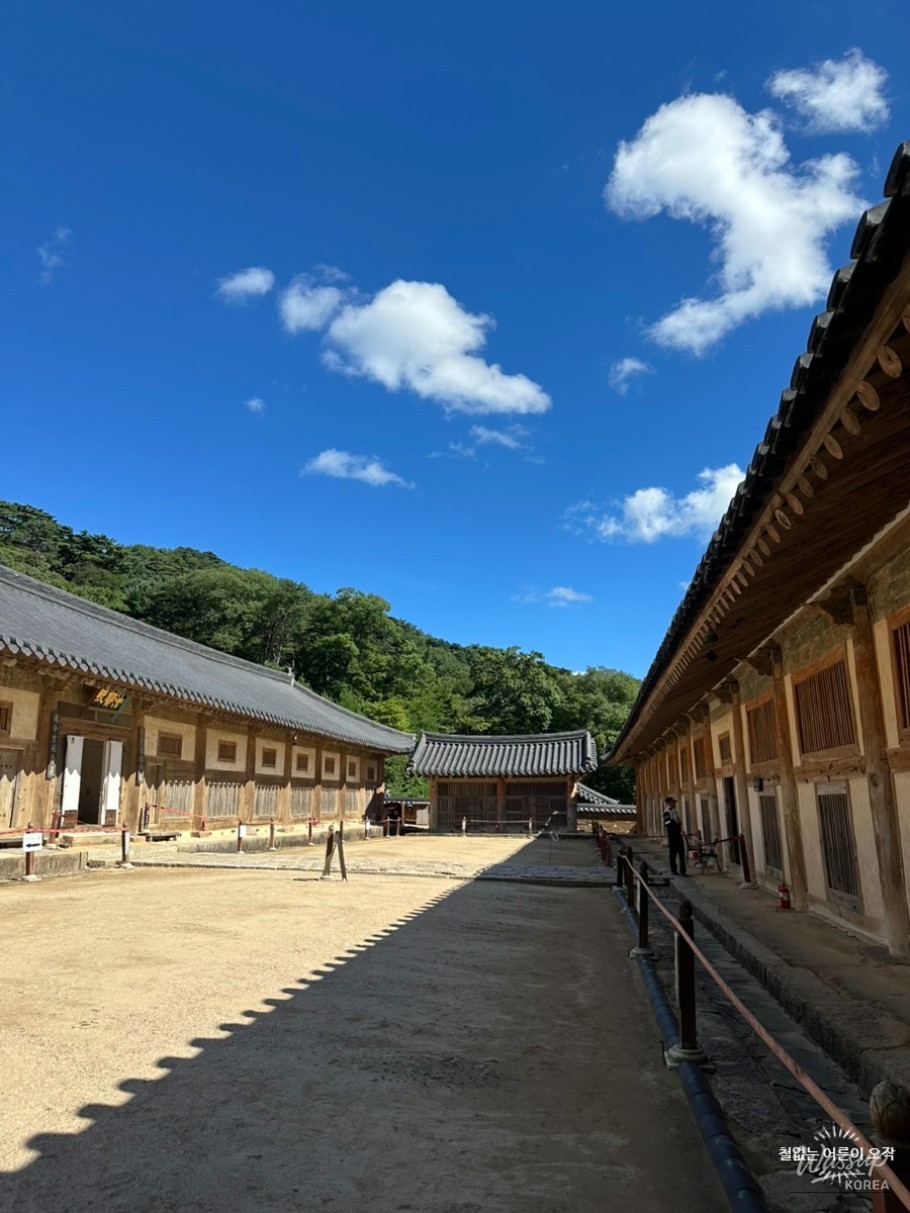
Have you ever had a moment where history felt truly alive right in front of your eyes? Seeing the Tripitaka Koreana at Haeinsa Temple is one of those rare experiences. Are you planning to try the pre-booked internal tour, or would you prefer a peaceful walk through the Gayasan forest? Let us know if you have any questions about the reservation system or the best local spots to visit in Hapcheon!
No comments yet.