Nostalgia: Longing for Home - Part 2: Affection for Hometown – Reclaimed Land
157 Dunsandaero, Seo-gu, Daejeon
이응노미술관



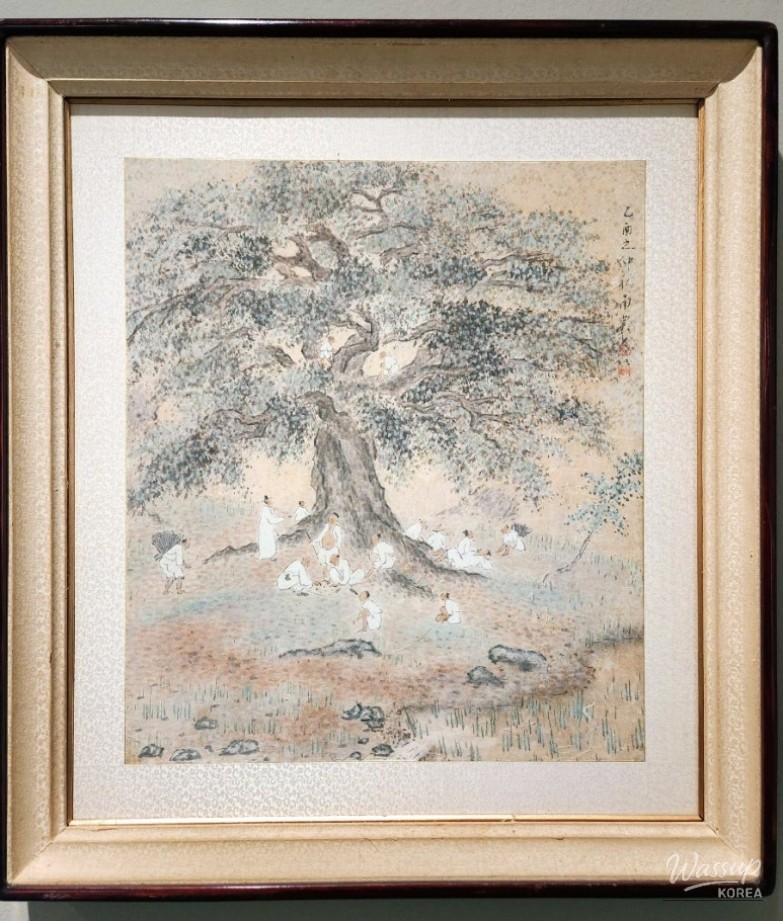
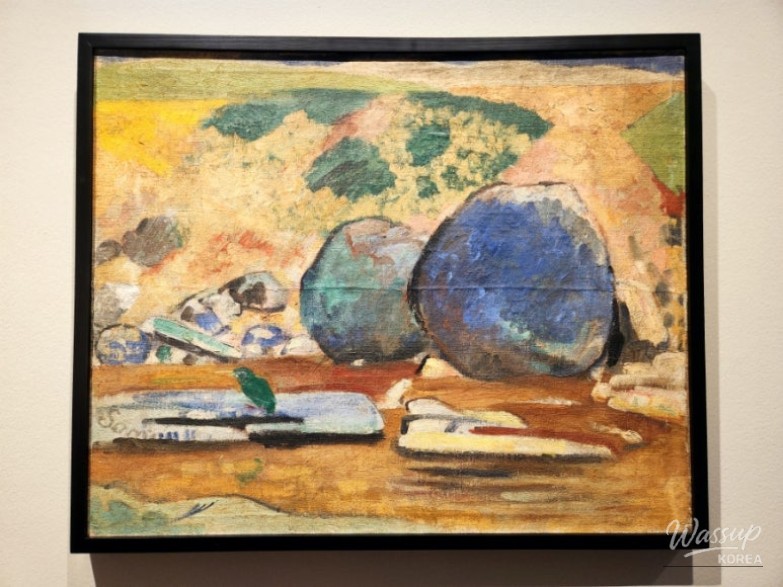
Following the liberation of Korea, the domestic art world underwent a significant transformation, seeking to shed colonial influences and establish a unique national identity. This movement, titled "Part 2: Affection for Hometown – Reclaimed Land," explores how legendary Korean artists returned to their roots to find inspiration. By blending traditional aesthetics with Western modernism, these masters captured the vivid energy of the Korean climate and terrain, moving away from stereotypical colonial objectification.
Through the works of pioneers like Lee Ung-no, Kim Whanki, and Yoo Young-kuk, we witness a surge in landscape paintings that celebrate the historical traditions and emotional depth of their respective hometowns. From the blue islands of Shinan to the rugged mountains of Uljin and the stormy shores of Jeju, this exhibition demonstrates how the Korean landscape served as the vital foundation for modern artistic motifs and original formative language.
The Dawn of Liberation and the Cheongjeon Style
Immediately following liberation, artists turned their gaze toward the homeland with renewed vigor. Lee Sang-beom’s 1945 work, Returning Home at Dawn, serves as a poignant historical marker, created on the very day of liberation, August 15. The painting depicts a farmer and his cow crossing misty fields, utilizing the 'Cheongjeon style' characterized by fine brushstrokes and vertical trees that resemble utility poles, capturing a pastoral mystery that signaled a new era.
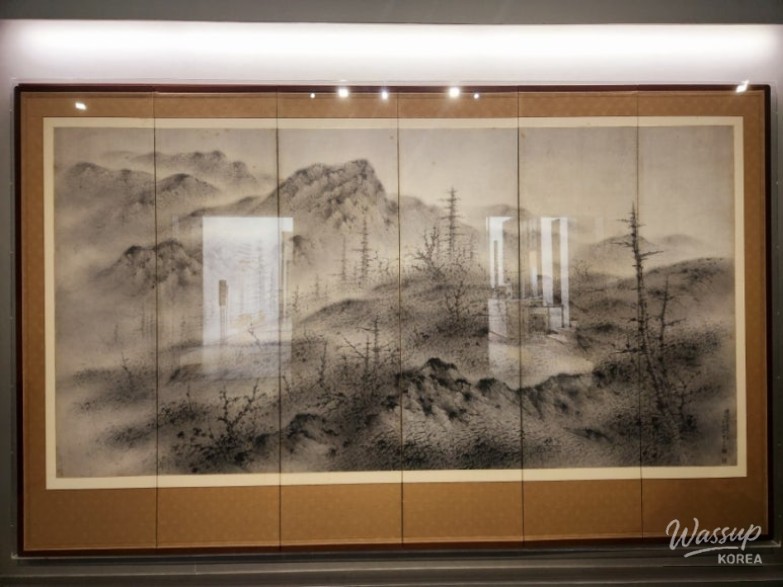
Lee Ung-no: Innovation in Modern Ink Wash Painting
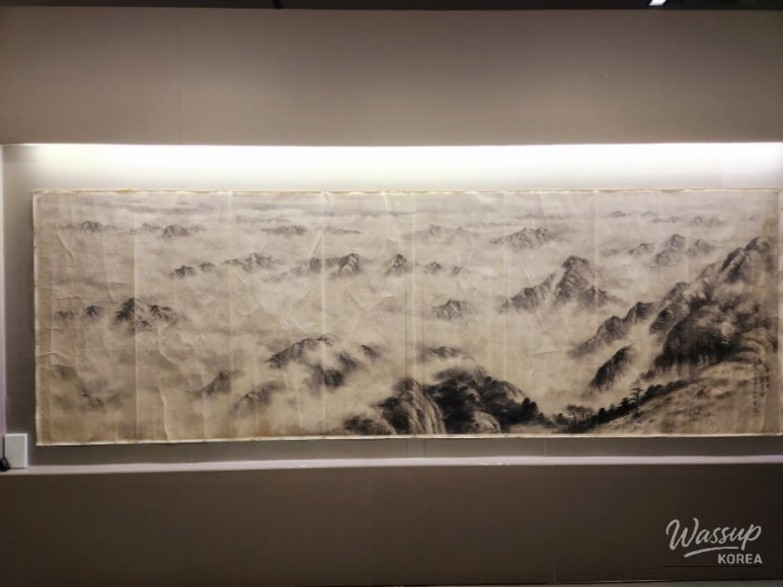
Lee Ung-no (1904-1989), a master who spanned calligraphy and modern abstraction, drew heavily from his hometown of Hongseong and the surrounding Chungcheong-do scenery. His 1940s works, such as Gongju Fortress and Hongseong Wolsanha, demonstrate a concise composition with clear, light colors. This realistic approach eventually evolved into 'New Eastern Painting,' where he experimented with subjective landscapes and even expressive abstraction.
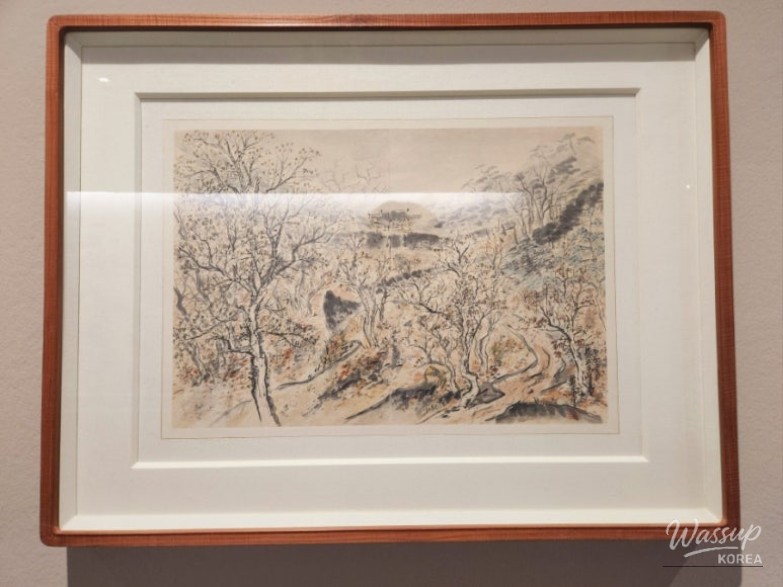
Evolution of the Hometown House Series
By the 1950s, Lee Ung-no's style began to incorporate Fauvist blurring and rougher, more expressive brushstrokes. His Panoramic View of Deoksungsan Mountain showcases a subjective realistic landscape that perfectly balances decorative pointillism with evocative light colors, illustrating the modernization of traditional Eastern painting styles.
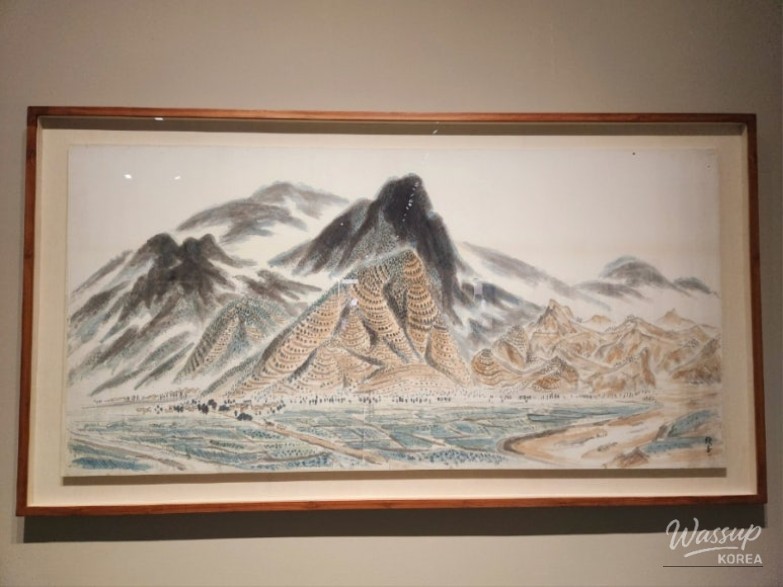
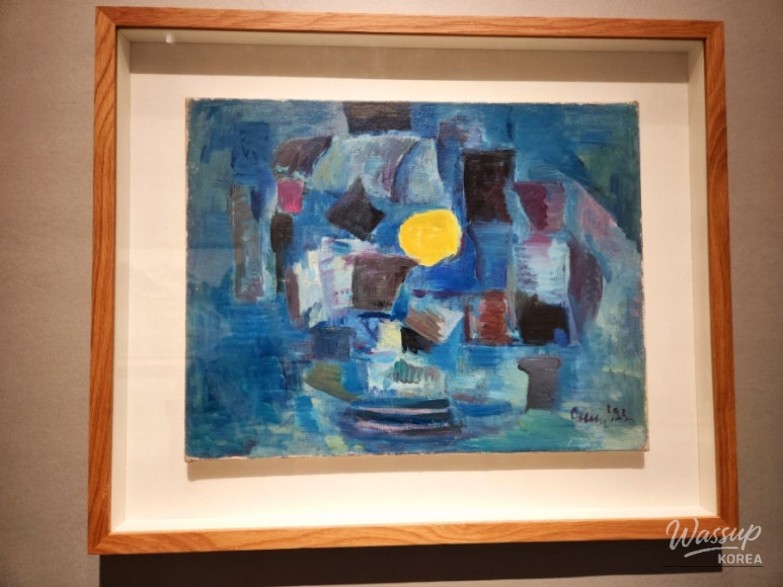
Jeon Hyuck-lim and the Cobalt Blue of Tongyeong
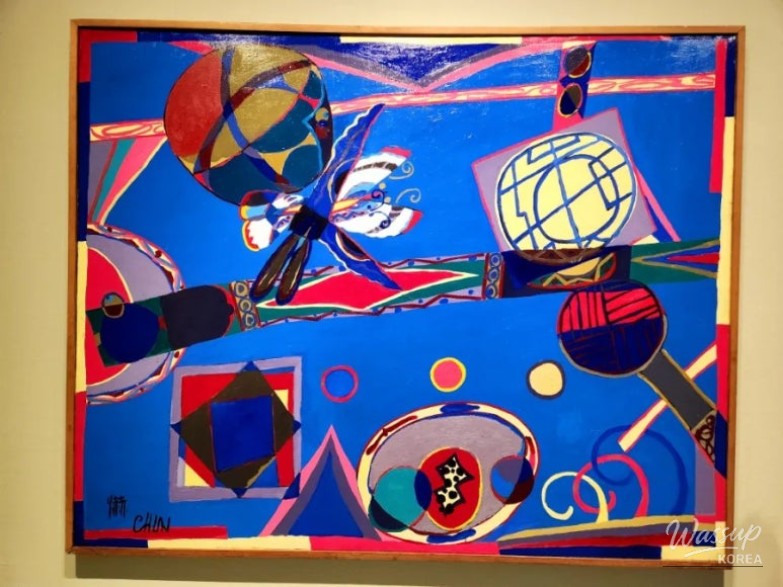
Known as the "Painter of the Sea," Jeon Hyuck-lim devoted his artistic life to capturing the unique colors of Tongyeong and Busan. His work reinterprets Joseon folk paintings through a modern lens, emphasizing deep shades of blue. In Sea and Butterfly, inspired by Kim Kirim's poetry, he integrates Korean motifs like dancheong and bojagi patterns against a vibrant maritime background.
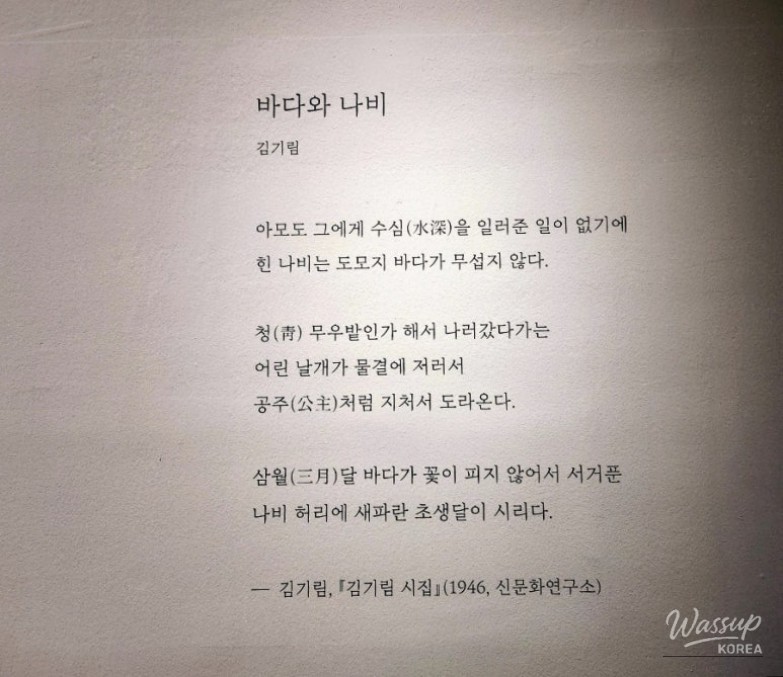
Visions of Harbor Scenery
Jeon's panoramas, such as Tongyeong Scenery and Harbor Scenery, offer a bird's-eye view of coastal life. By rearranging geographic elements into organic clusters, he created a multi-layered landscape that feels both solitary and warm, reflecting the rhythmic daily life of fishing villages in the Gyeongnam region.
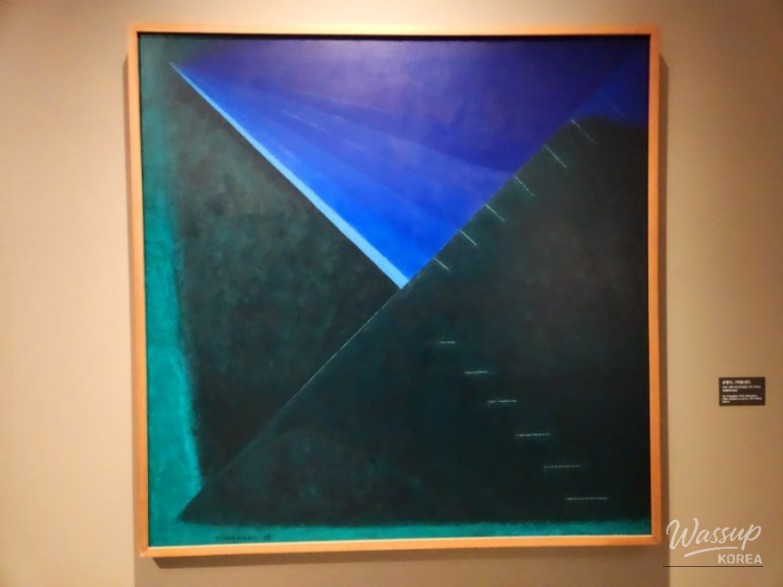
Yoo Young-kuk: The Sublimity of Mountains
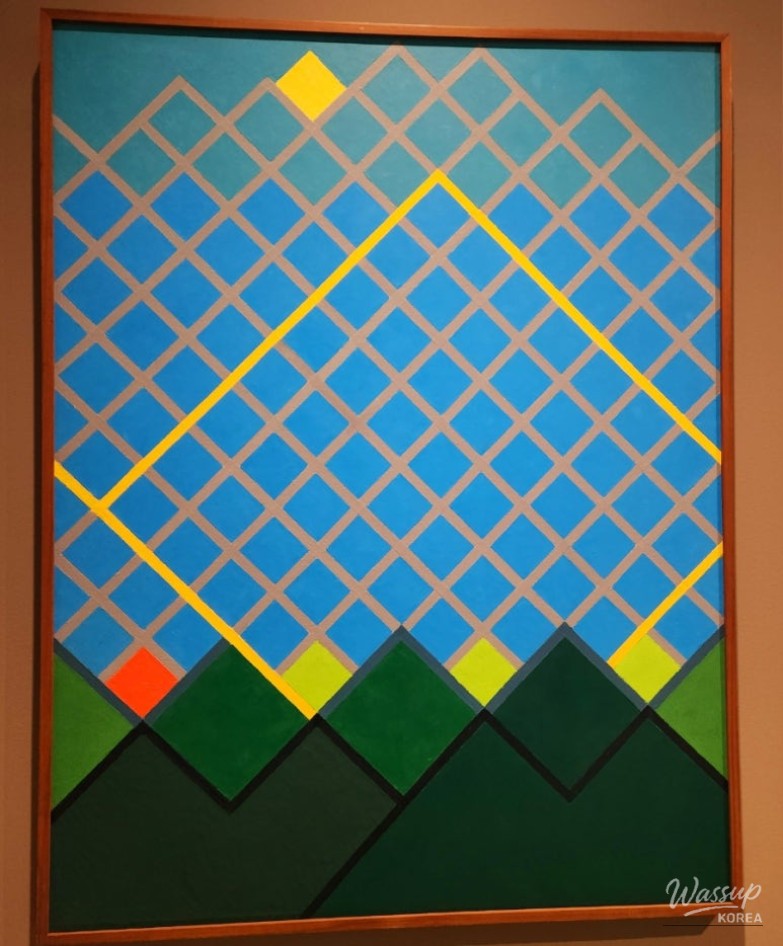
Yoo Young-kuk (1916-2002) is a towering figure in Korean abstract art, primarily focused on the motif of the "Mountain." Born in Uljin, he viewed the mountain not as a simple landscape but as a prototype of nature's mystery. His works from the 1960s to the 1980s moved from intense primary colors and thick textures to strictly geometric color planes, deconstructing three-dimensionality into a simple yet powerful formative language.
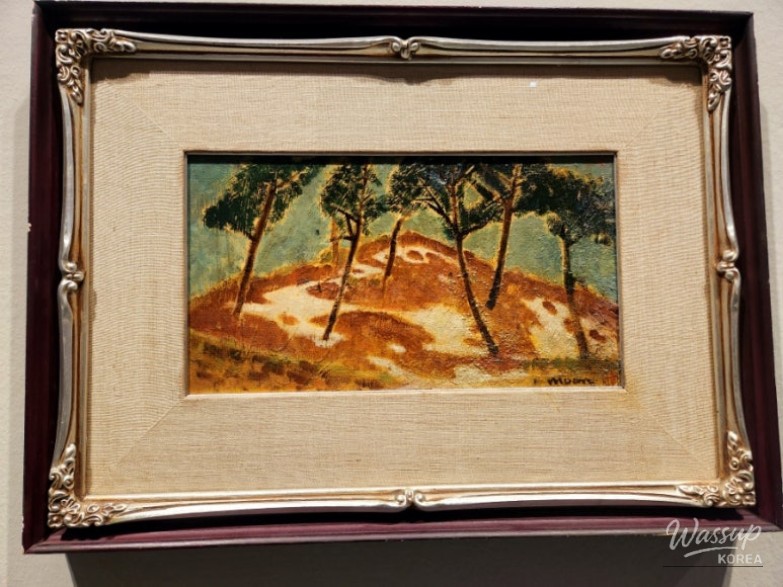
Moon Shin and the Lyricism of Masan
Moon Shin captured the quiet, simple life of his childhood home in Masan. His Residual Snow uses restrained colors and concise brushstrokes to create a sense of deep lyricism. He often explored the relationship between humans and the purity of nature, as seen in his works depicting logged mountains and the dynamic, fighting spirit of fisherman in the local Masan sea.
Son Il-bong: Lyrical Realism of Gyeongju
Son Il-bong's art is characterized by imbuing realistic objects with deep lyrical emotion. Returning to Gyeongju, he painted a series of Silla historical sites like Cheomseongdae Observatory and the Royal Tombs. His work reflects a quiet contemplation and affection for his hometown, utilizing soft brushstrokes and natural tones to capture subtle human emotions within the landscape.
Byun Si-ji: The Wind and Solitude of Jeju
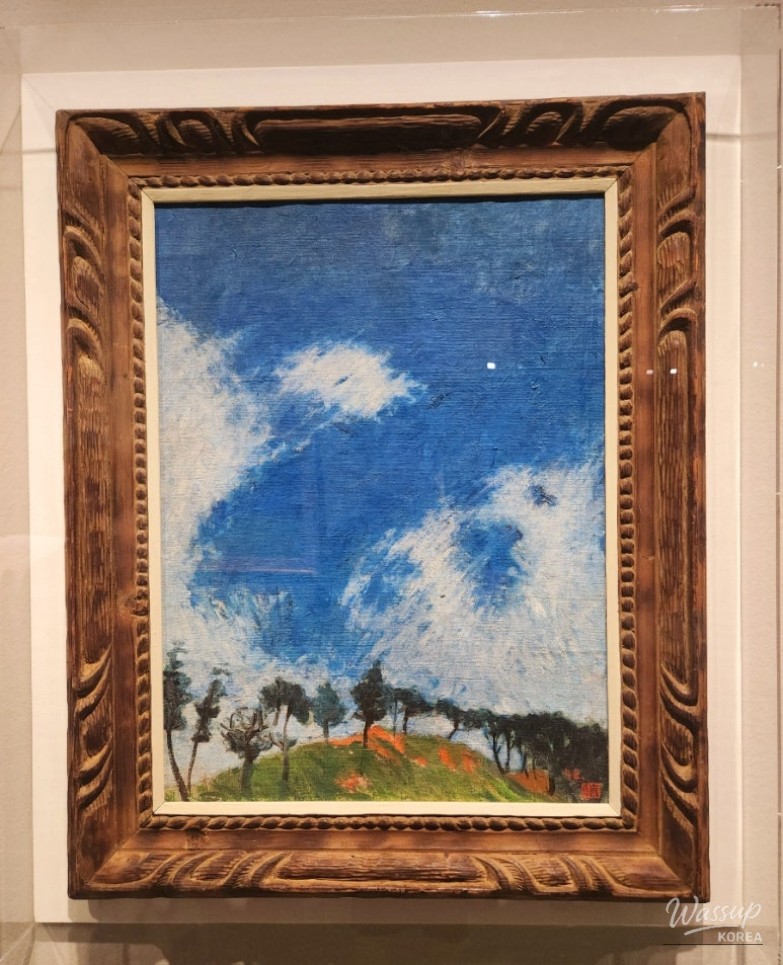
Byun Si-ji established a unique "Jeju aesthetic" by fusing Eastern literati painting with Western oil techniques. His signature yellow backgrounds and simple black lines depict the wind, sea, and horses of Jeju as symbols of existential loneliness and patience. His work, such as Seogwipo and Jeoldo Island, provides a philosophical meditation on human isolation and the stillness that remains after a storm.
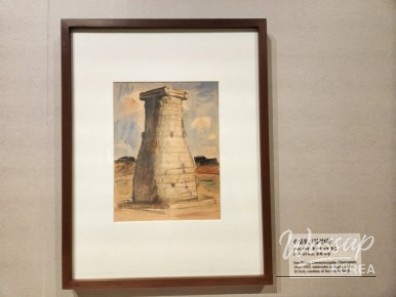
Photogallery: Traces of the Homeland
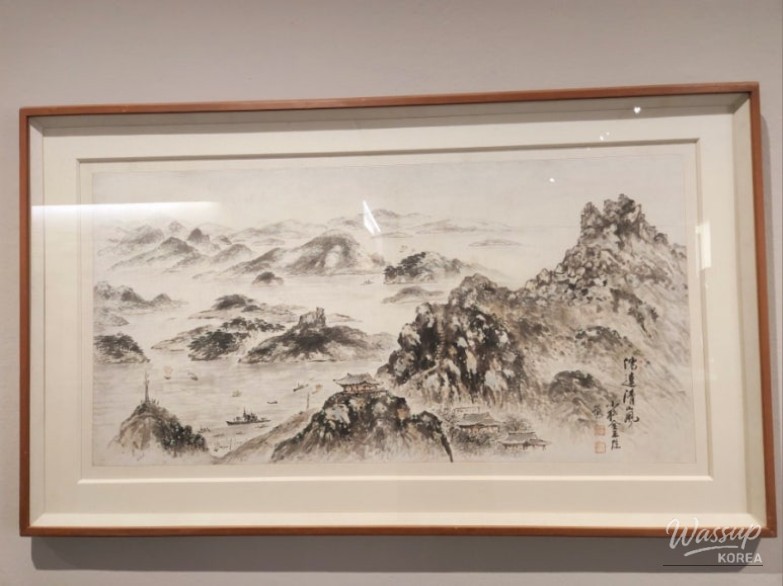
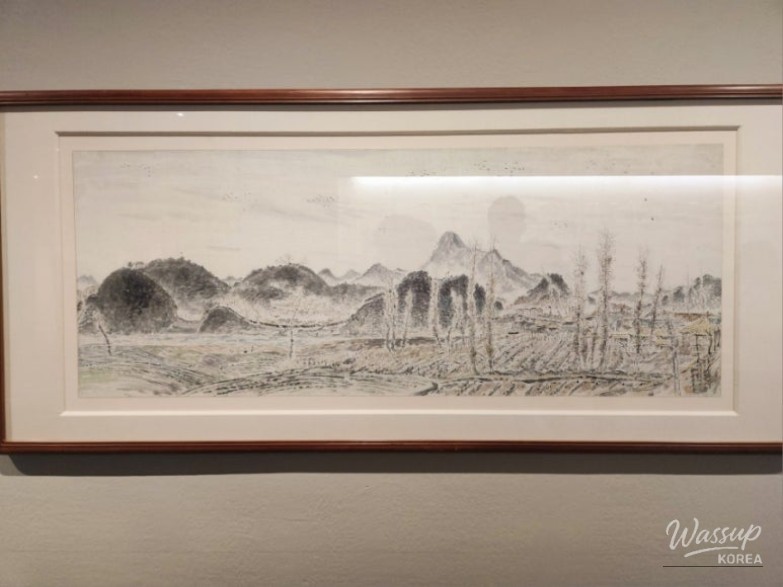
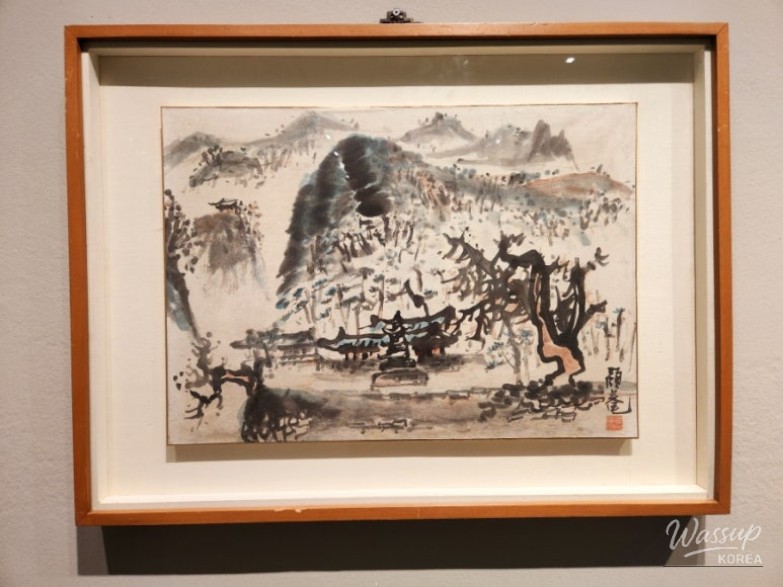
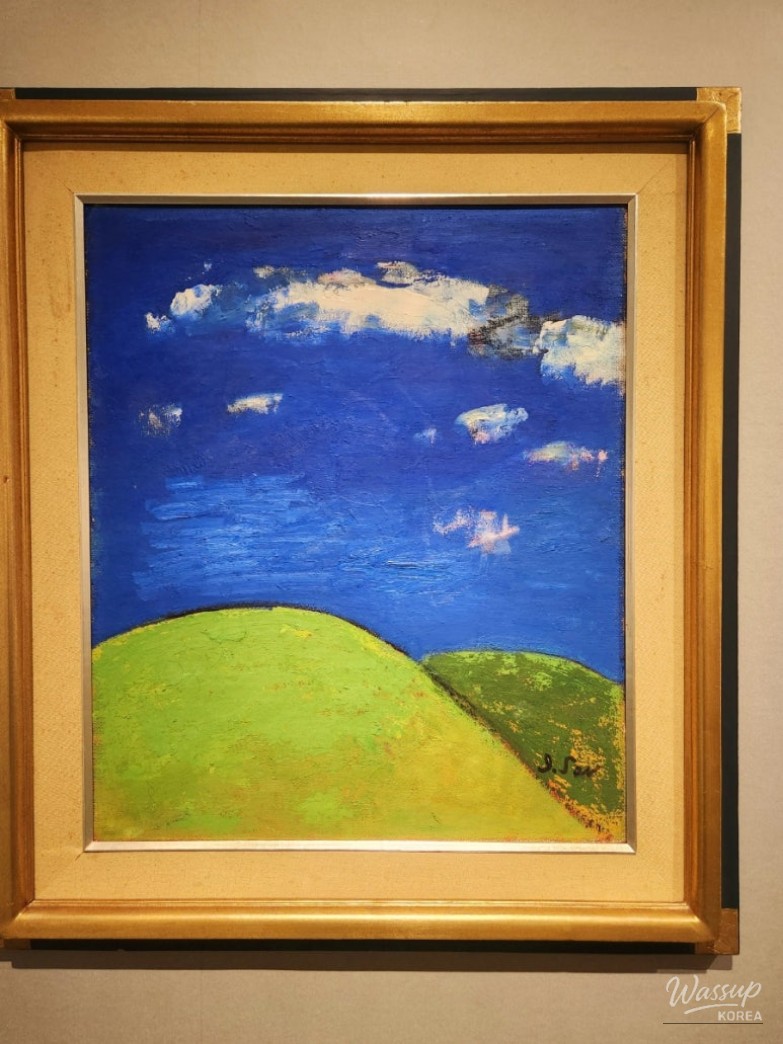
Which of these masters' interpretations of the Korean landscape resonates with your own sense of "hometown"? Are you drawn to the vibrant cobalt blues of Jeon Hyuck-lim or the geometric peaks of Yoo Young-kuk? For those visiting Daejeon, the Lee Ungno Museum and surrounding cultural complex offer a wonderful opportunity to explore these works in person. What other artists do you think effectively captured the spirit of post-liberation Korea?
No comments yet.