What Does the G-Mark Ensure from Farms to Schools?
- Original source
- blog.naver.com


[Reporter: Go Do-hye]
To supply safe livestock products to schools, meticulous management is required from the production stage through processing and distribution. The G-Mark system in Gyeonggi Province verifies these management standards and continues to conduct inspections even after certification.
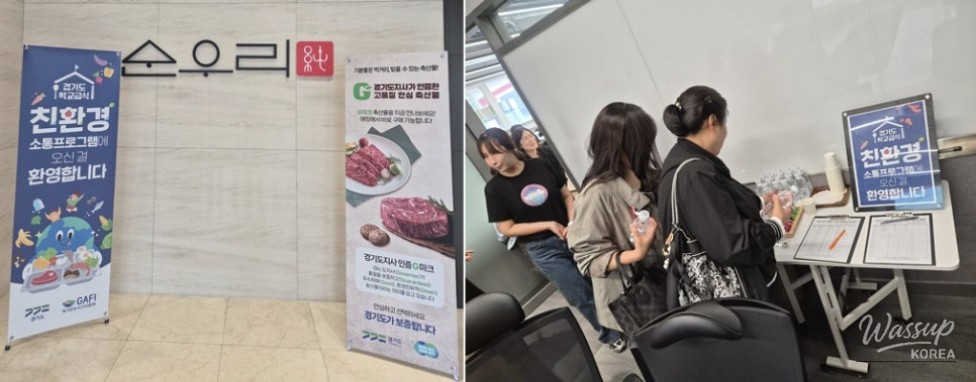
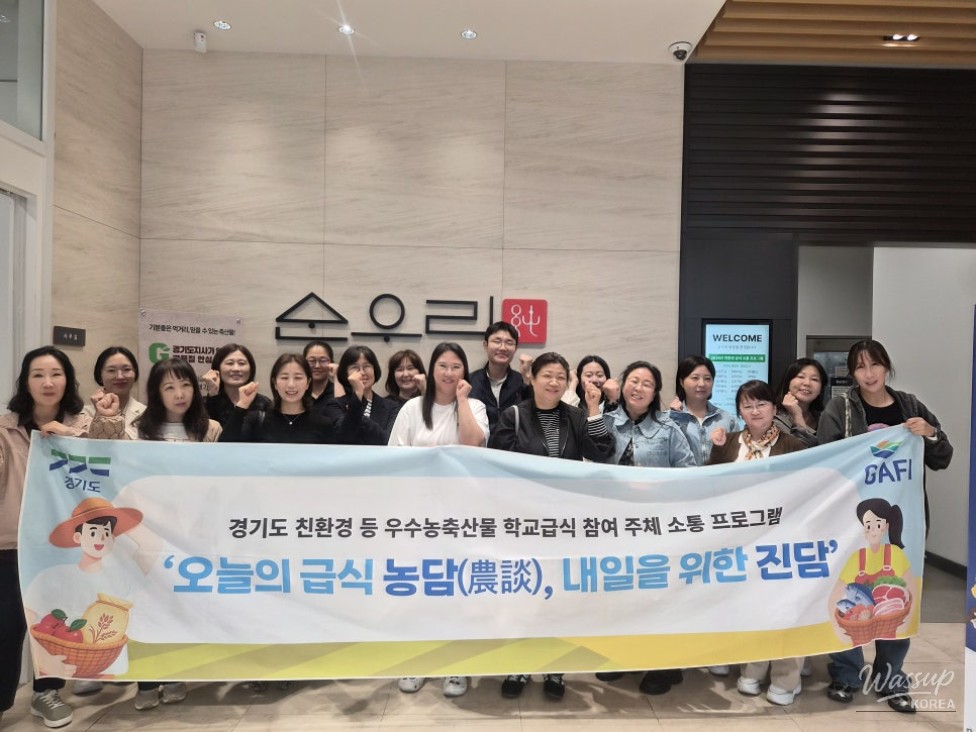
A welcome banner for the "2026 Gyeonggi Province Eco-friendly and Excellent Agricultural Products Nutritionist Communication Program" is displayed as participants enter. ⓒ Go Do-hye
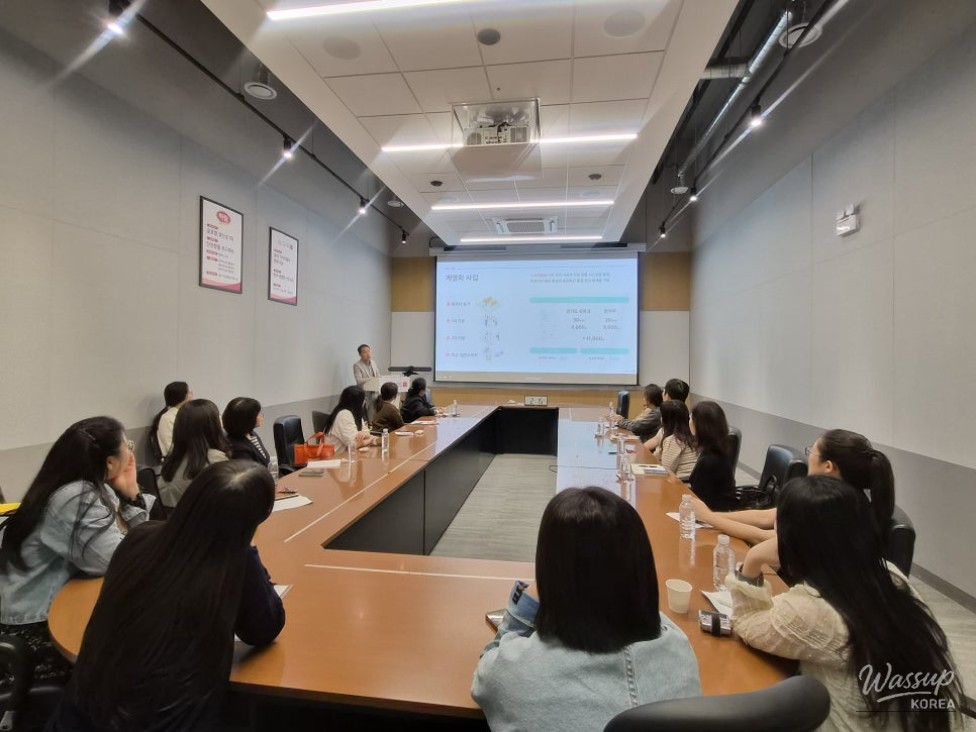
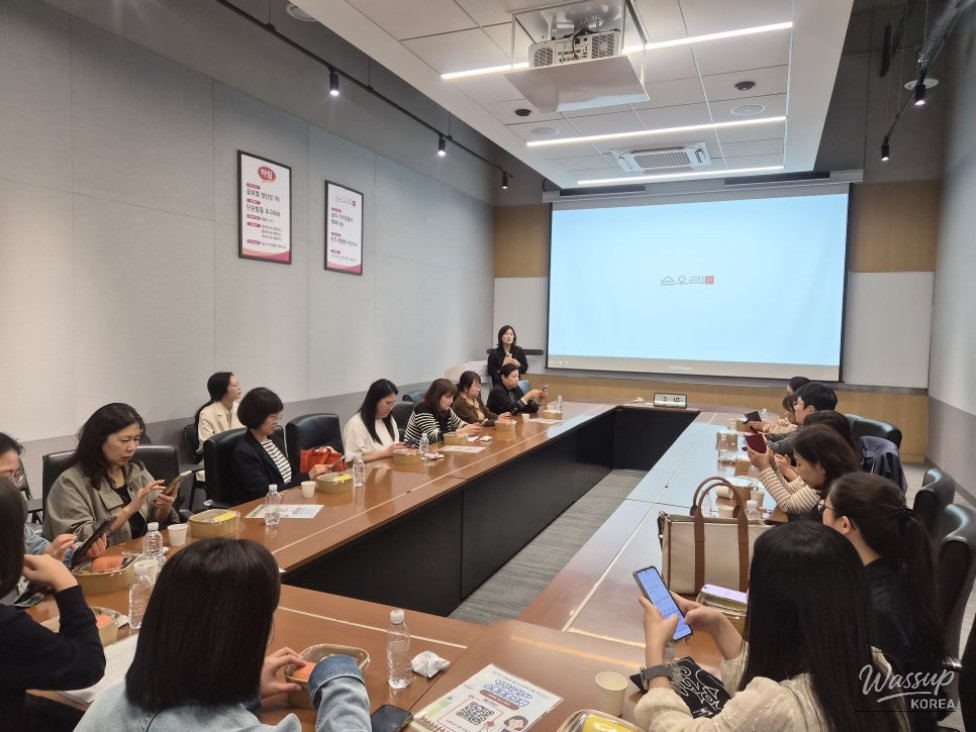
On October 12, the "2026 Gyeonggi Province Eco-friendly and Excellent Agricultural Products Nutritionist Communication Program" took place at the agricultural corporation Sunuri in I-dong, Cheoin-gu, Yongin City. Officials from the Gyeonggi-do Icheon Education Support Office, including nutritionists, listened to an explanation of the G-Mark excellent livestock school meal support project and observed the current status of Sunuri and its livestock processing facilities.
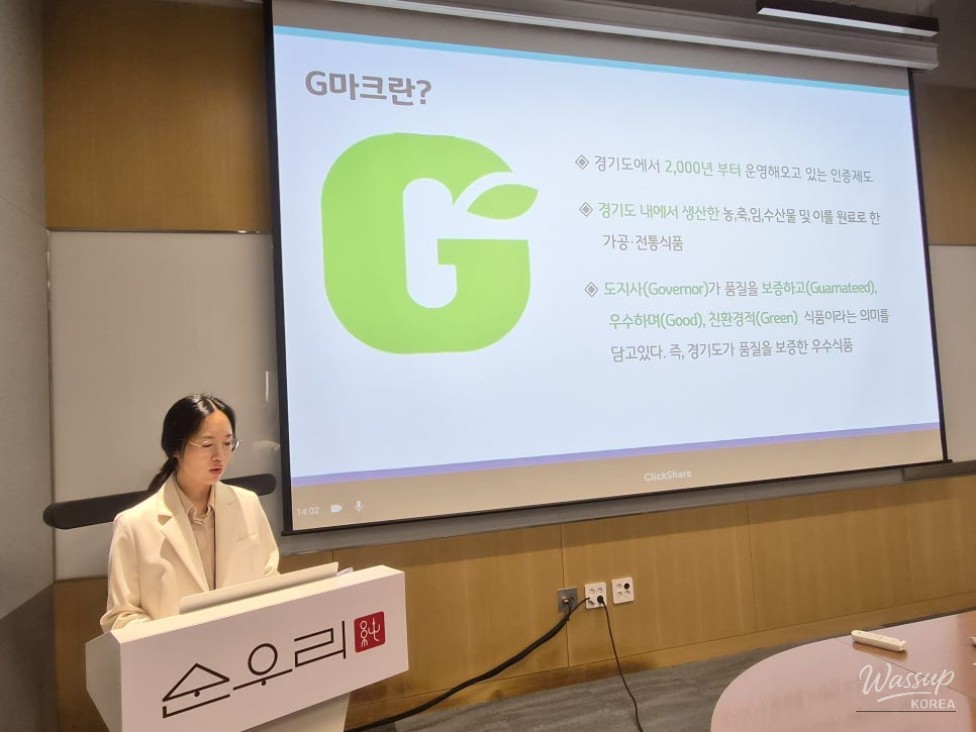
The explanation of the G-Mark support project was provided by Park Joo-ah, a public official from the Gyeonggi Province Eco-friendly Meal Support Center. Participants understood the policy framework supporting the supply of excellent livestock products for school meals through this explanation.
Gyeonggi Province supports the price difference between grade 1 or higher G-Mark certified livestock products and regular livestock products. The support scale for the 2026 project is 23.15 billion won, covering 3,118 schools across 31 cities and counties in the province. Supported items include Hanwoo beef, pork, chicken, and eggs.
If the support project backs the supply of school meals, the G-Mark certification ensures that livestock products meet specified requirements. What procedures are involved in certification, and what kind of management follows after certification?
To understand the quality and safety of livestock products, one must consider management standards at both the processing and production stages. Factors such as feed, breeding environment, and antibiotic use standards are relevant to livestock management. However, specific application standards may vary depending on the certification target and related systems.
The G-Mark certification in Gyeonggi Province involves document reviews, on-site investigations, and expert deliberations regarding related requirements. The certification process checks compliance with established standards, followed by post-certification management procedures to ensure those standards are maintained.
Certification does not end with a label. Continuous management and inspections are necessary to ensure that livestock products meeting the standards are consistently supplied. Participants then learned about the current status of Sunuri's livestock operations and toured the actual processing facility.
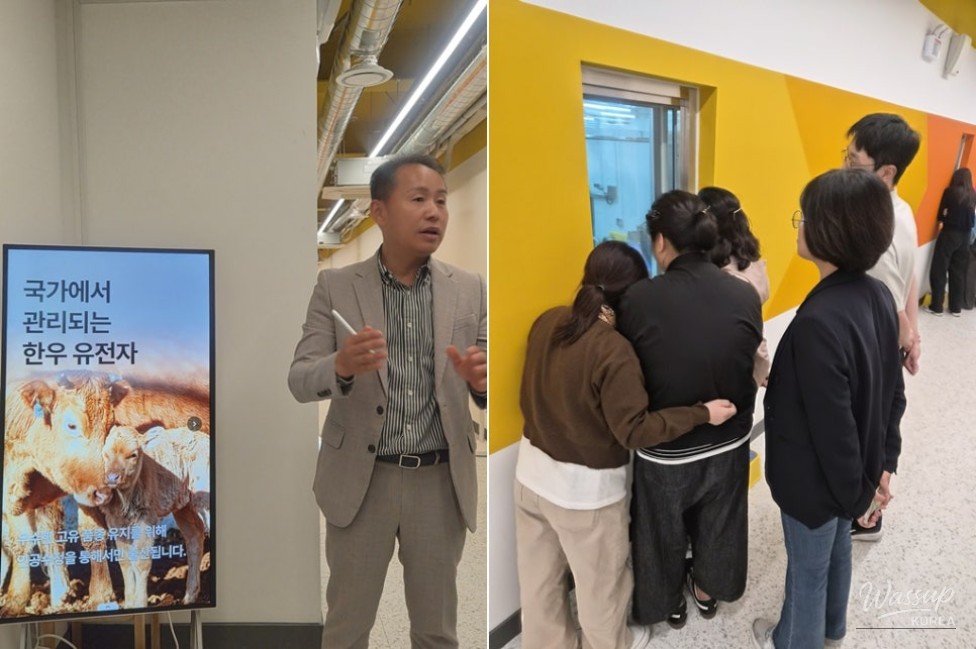
The field trip was guided by Shin Eun-jae, the head of Sunuri. He introduced the company's status and major projects, explaining the processing and distribution of Hanwoo beef. Participants gained insight into Sunuri's role and the livestock supply process.
Afterward, participants moved to the secondary processing facility to observe the packaging system. This visit focused on the packaging equipment rather than the breeding or slaughter processes, allowing participants to see the livestock products transition from processing to supply.
Several procedures, including product standards and hygiene management, are intertwined in supplying livestock products to school meals. Participants concretely verified parts of the livestock supply process through on-site explanations and facility tours.
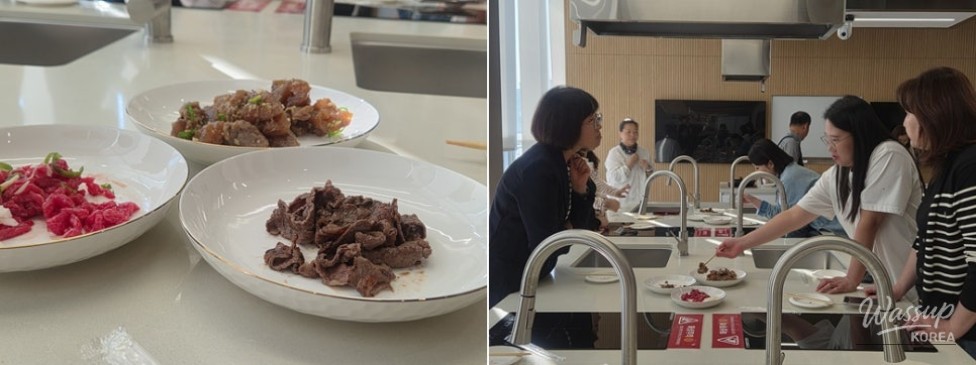
After the facility tour, a tasting experience of beef dishes, including brisket, sashimi, and bulgogi, followed. Participants experienced the characteristics of different beef cuts through these dishes.
This program was designed not only to hear about the project's purpose but also to examine the company's status and processing facilities, culminating in a tasting experience. Through explanations about the system, site visits, and food experiences, participants explored livestock products used in school meals from various perspectives.
Especially significant was that school meal officials, including nutritionists, directly visited the livestock processing site. The information gained on-site can enhance understanding of the supply process for meal ingredients and increase interest in excellent livestock products.
Quality management continues even after certification. It is not enough to merely tour the processing facility; there must be procedures to check compliance with established standards. Various management procedures, such as residue tests, hygiene inspections of processing plants, product standard inspections, and genetic testing of Hanwoo beef, are employed to ensure quality and safety.
Regular inspections and unannounced checks verify compliance with standards, and if requirements are not met, actions such as revoking certification may occur. Post-management aims to ensure that management standards are maintained beyond initial compliance.
This inspection system connects with the observed processing stages. Establishing certification criteria, adhering to them in practice, and verifying compliance afterward are essential for maintaining the management system of livestock products supplied to school meals.
During the communication program, participants had the opportunity to ask questions. ⓒ Go Do-hye
"This is my first time participating in the eco-friendly meal communication program, making it a meaningful experience. I learned how systematically things are managed, from selecting safe raw materials to a system tailored to school meal standards, reaffirming the excellence of the G-Mark," said Lee Na-hyun from the Gyeonggi-do Icheon Education Support Office, sharing her thoughts on the program and the management system she learned about on-site.
This visit provided school meal officials with the opportunity to hear about the support project and directly observe the livestock processing facilities. By broadening their understanding of the system through field trips, they could examine the management system of livestock products supplied to school meals more concretely.
Such on-site experiences are expected to help school meal officials understand the characteristics and management processes of G-Mark excellent livestock products, enhancing trust in meal ingredients. Furthermore, continuous communication between production, processing companies, and school meal officials can positively contribute to sharing on-site feedback and establishing a stable supply foundation for excellent livestock products in school meals.
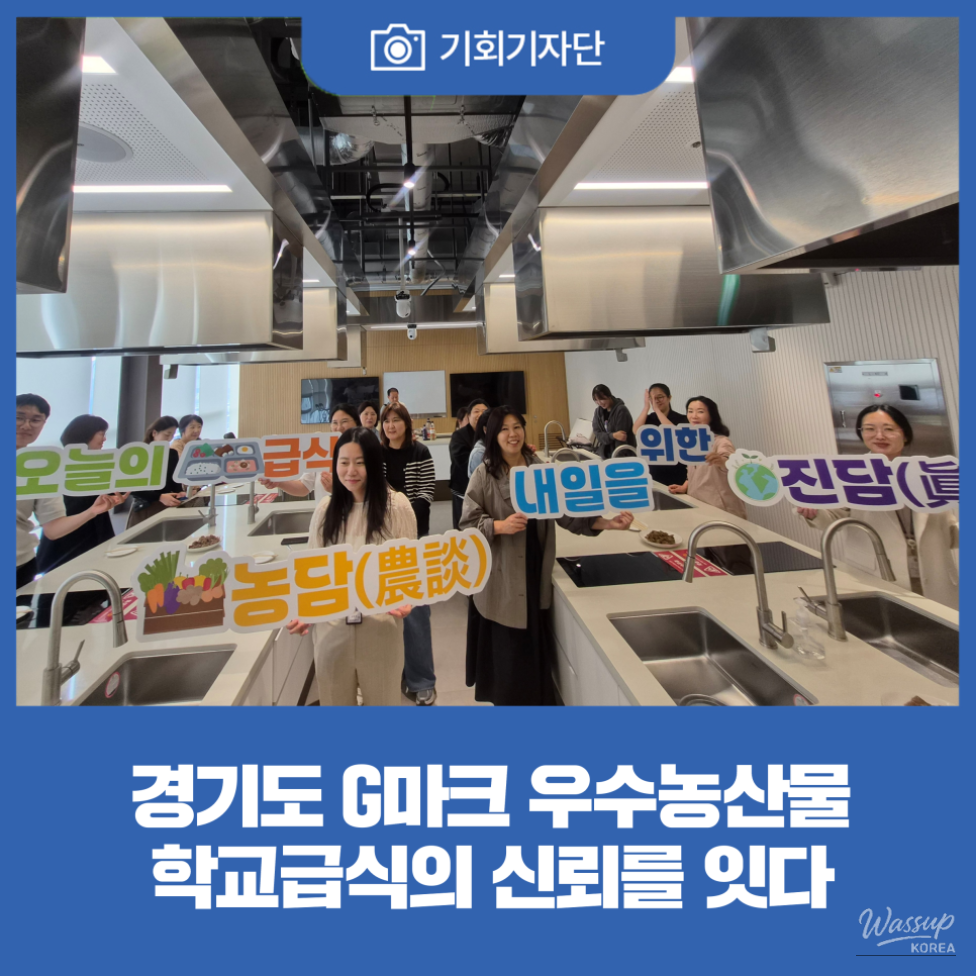
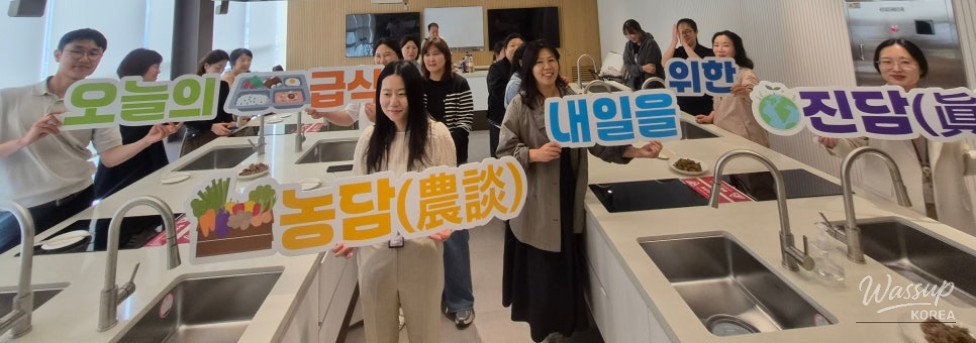
With the slogan "Today's Meal Talks for Tomorrow's Truth," a commemorative photo was taken. ⓒ Go Do-hye
The supply process of livestock products from farms to schools involves the roles and efforts of various stakeholders. This visit served as an opportunity to understand that process and confirm each other's roles, and it is hoped that continued on-site communication will deepen the understanding and trust in G-Mark excellent livestock products in school meal settings.

Source :https://blog.naver.com/gyeonggi_gov/224442835907
More from Place


No comments yet.