The Unique Heritage of Wibong Mountain Fortress, Wibong Temple, and Wibong Waterfall in Wanju
- Original source
- blog.naver.com



The Wibong Mountain Fortress, Wibong Temple, and Wibong Waterfall in Wanju, Jeollabuk-do, are special heritages that preserve both history and nature.
Located at the foot of the mountains from Daehung-ri in Soyang-myeon to Sumang-ri in Dong-sang-myeon, these three sites hold different stories.
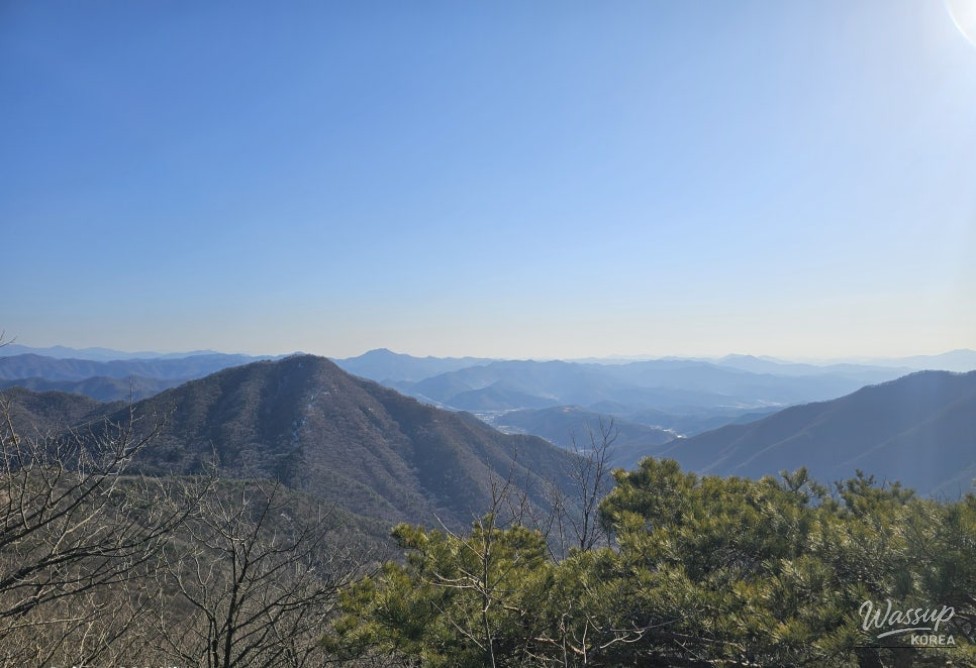
The Wibong Mountain Fortress was built to protect the symbol of the Joseon royal family, while Wibong Temple embraces the legend of the phoenix and a rich Buddhist culture. Wibong Waterfall pours down between steep mountain ridges and rocky cliffs.
Each of these sites represents a different aspect: a fortress, a temple, and a natural landscape. However, upon closer examination, they are not just nearby heritages; they are interconnected memories of people who appreciated the history of the Joseon royal family, Buddhist culture, and nature against the backdrop of a single mountain.
Today, we will explore how history and nature converge in the area surrounding Wibong Mountain through these three heritages.
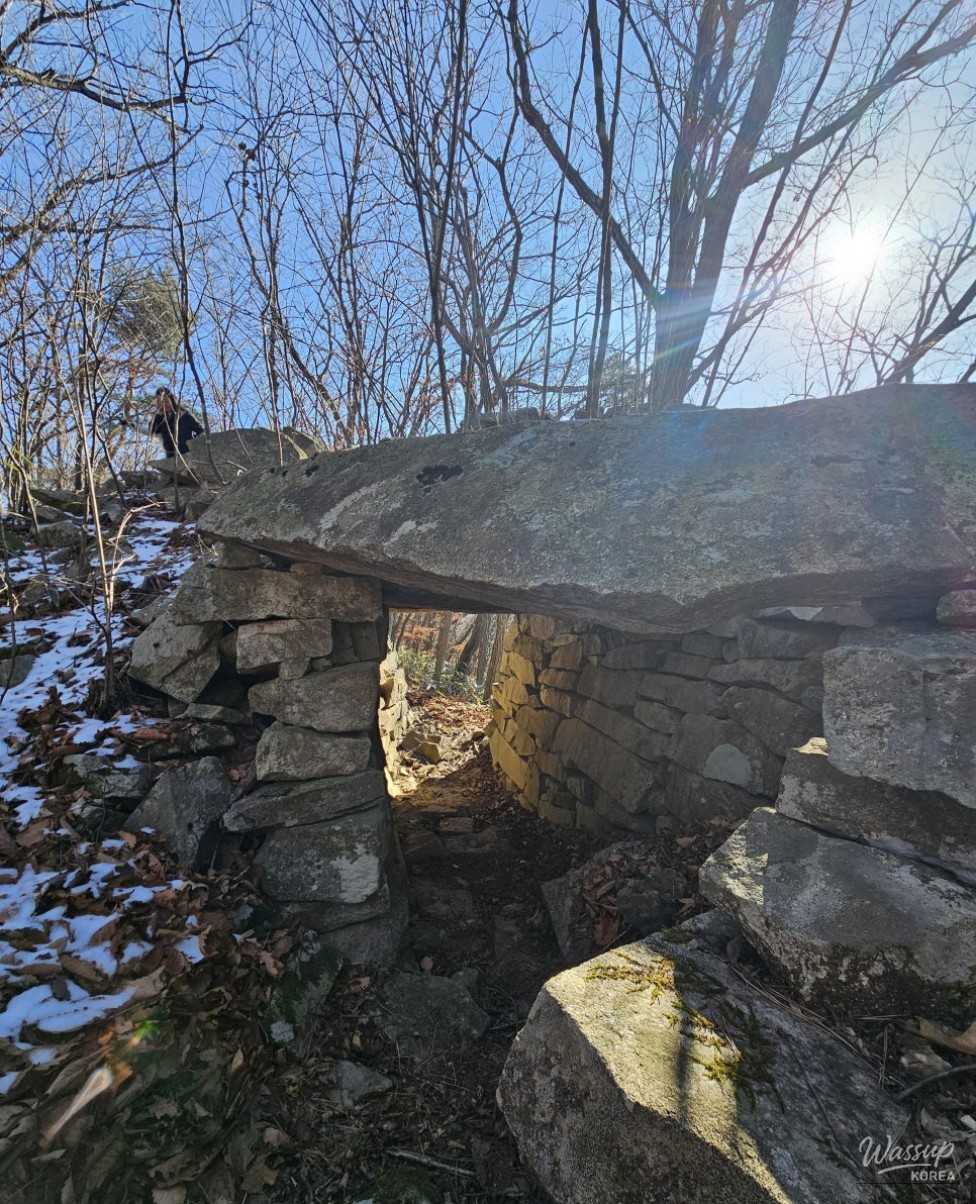
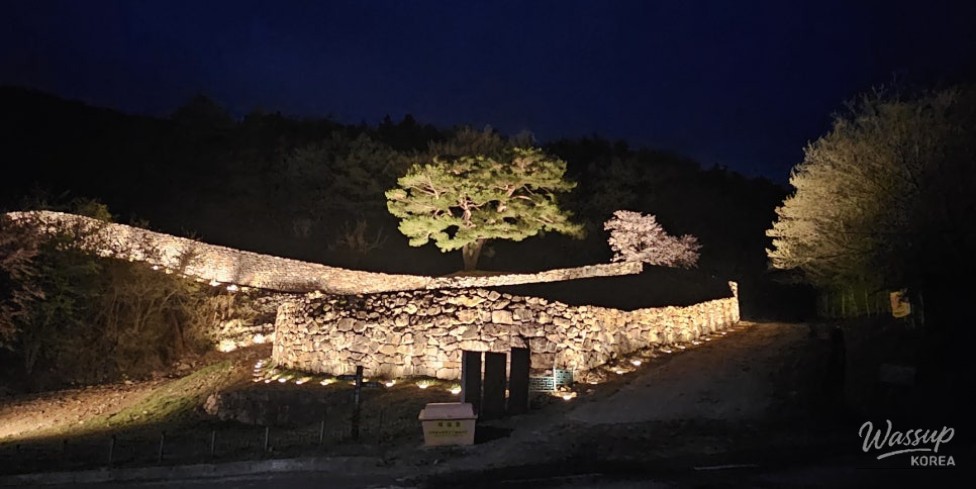
The Wibong Mountain Fortress served as a refuge for the Joseon royal family during the Goryeo period. This fortress, which encircles the rugged mountain and valleys, has a total perimeter of approximately 8.6 km and was designated as a national heritage in 2006, preserving the history and construction techniques of Korean fortresses.
Initially, it was believed that Wibong Mountain Fortress was constructed in 1675 by Gyeongju Governor Kwon Dae-jae to protect the portrait of King Taejo and the royal tablets of the Jeonju Yi clan. However, recent studies suggest that the fortress may have origins dating back to the Goryeo period, initially built to prepare against invasions.
During the Donghak Peasant Revolution in 1894, the fortress served as a refuge to relocate the royal portrait and tablets from Jeonju Fortress to a safe location.
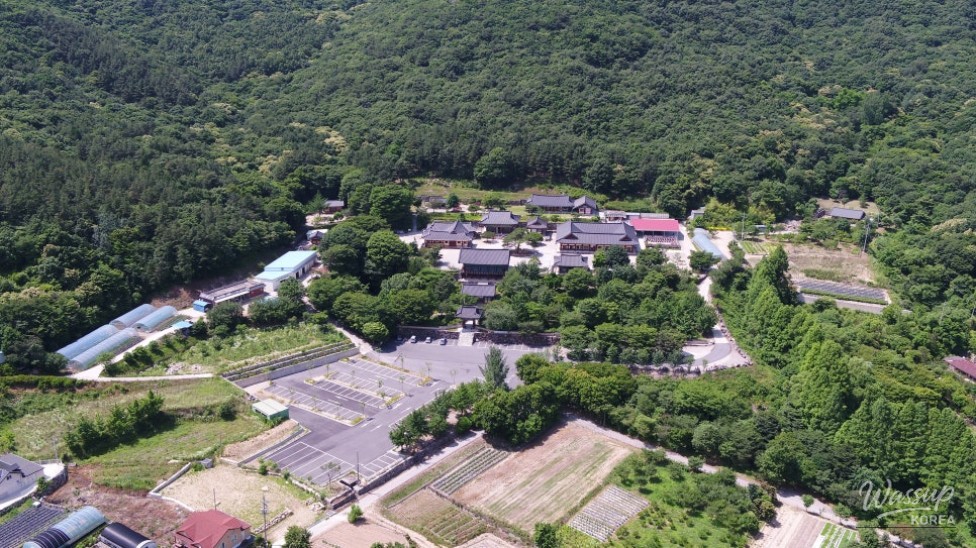
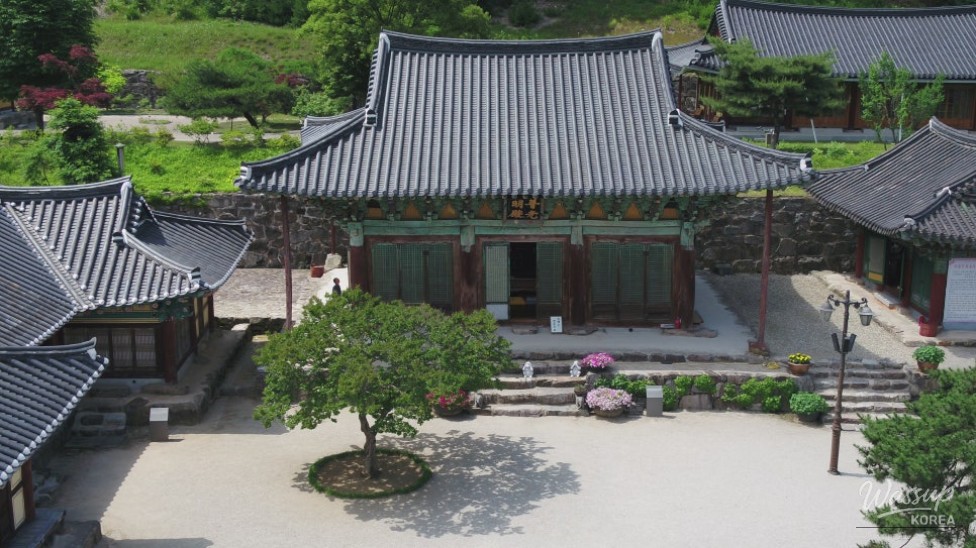
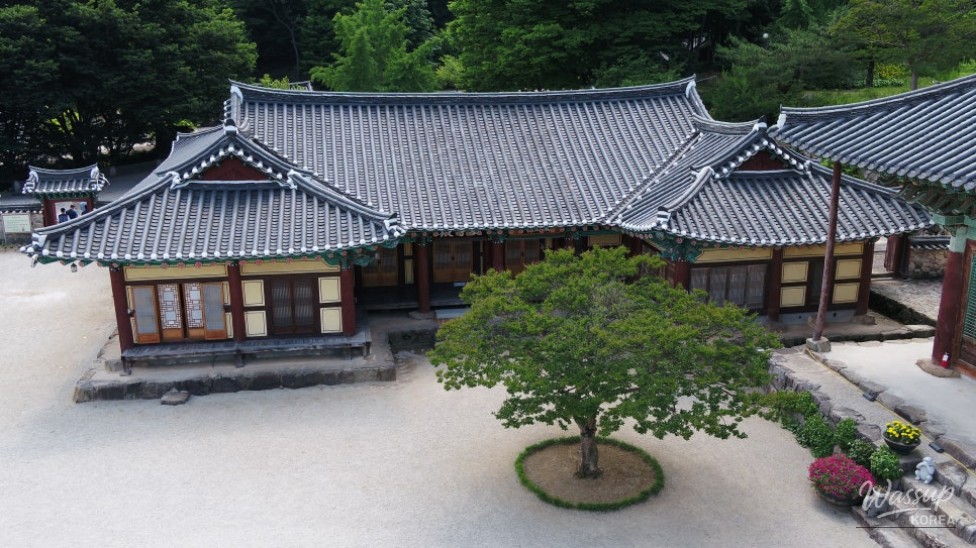
Wibong Temple, located within the fortress, holds a rich Buddhist culture and tradition. According to a legend recorded in 1868, a man named Choi Yong-gak witnessed three phoenixes fighting over the temple site, leading to its name, Wibong (meaning 'surrounding the phoenix').
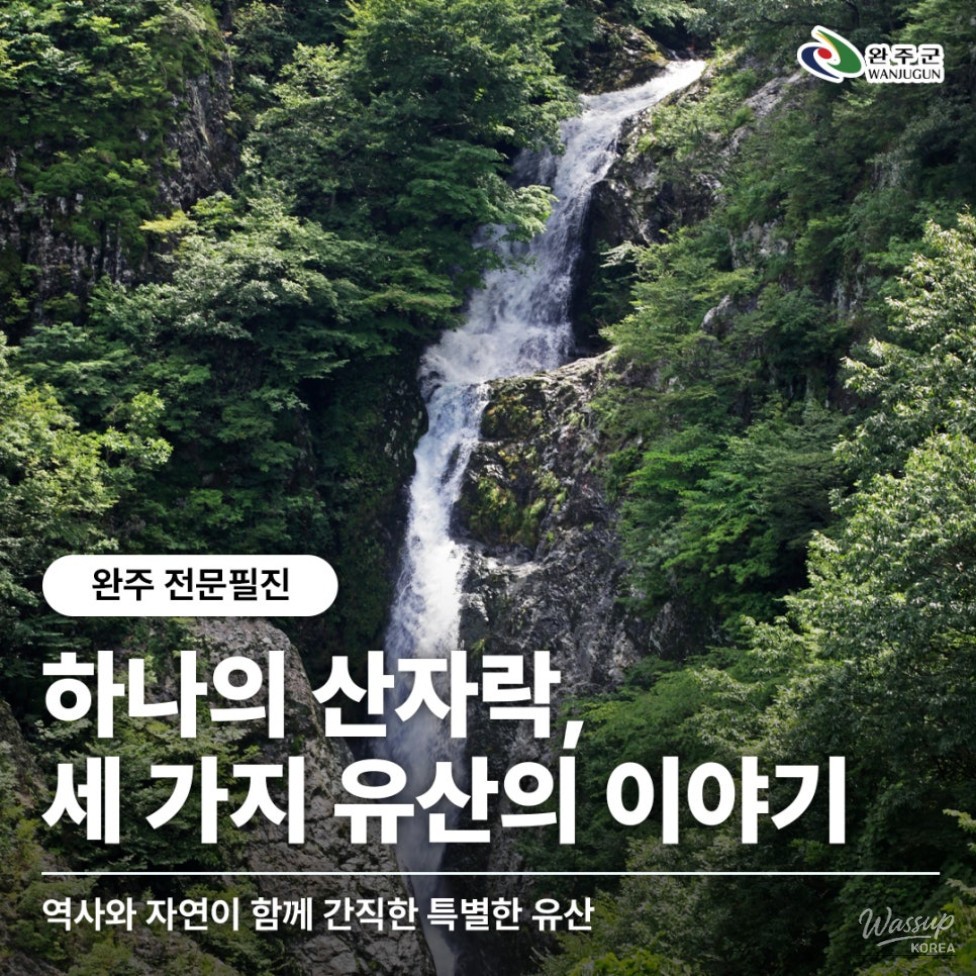
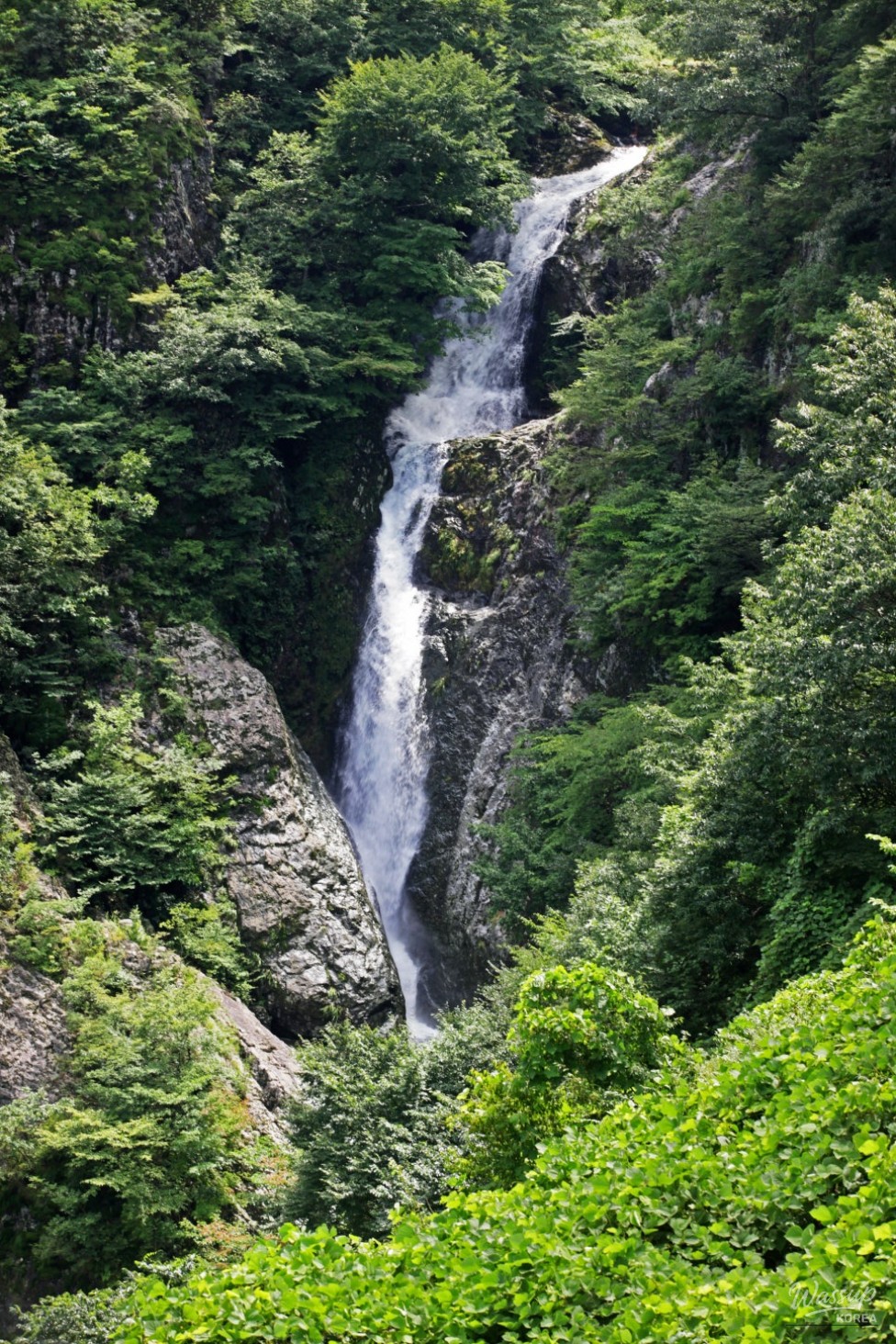
Wibong Waterfall, approximately 60 meters high and located east of the fortress, is renowned for its breathtaking beauty and was designated a national scenic area in 2021. Its charm lies not only in the cascading waters but also in the majestic mountains, deep valleys, and rugged rocks that create a harmonious landscape.
These three heritages, while distinct, share a common natural environment that has shaped their significance throughout history. Walking along the fortress walls, exploring the temple's Buddhist traditions, and listening to the sounds of the waterfall allows visitors to encounter the layered history and memories accumulated in this unique area.





Source :https://blog.naver.com/wanjugun/224466692421
More from Walking





No comments yet.