Exploring the Traditional Culture of Dwiungbakgoeul
- Original source
- blog.naver.com


Dwiungbakgoeul is a traditional theme park created to promote the healthy food culture of our ancestors, who thoughtfully prepared fermented sauces for the health of their families.
I visited Dwiungbakgoeul, longing for the beautiful autumn scenery.
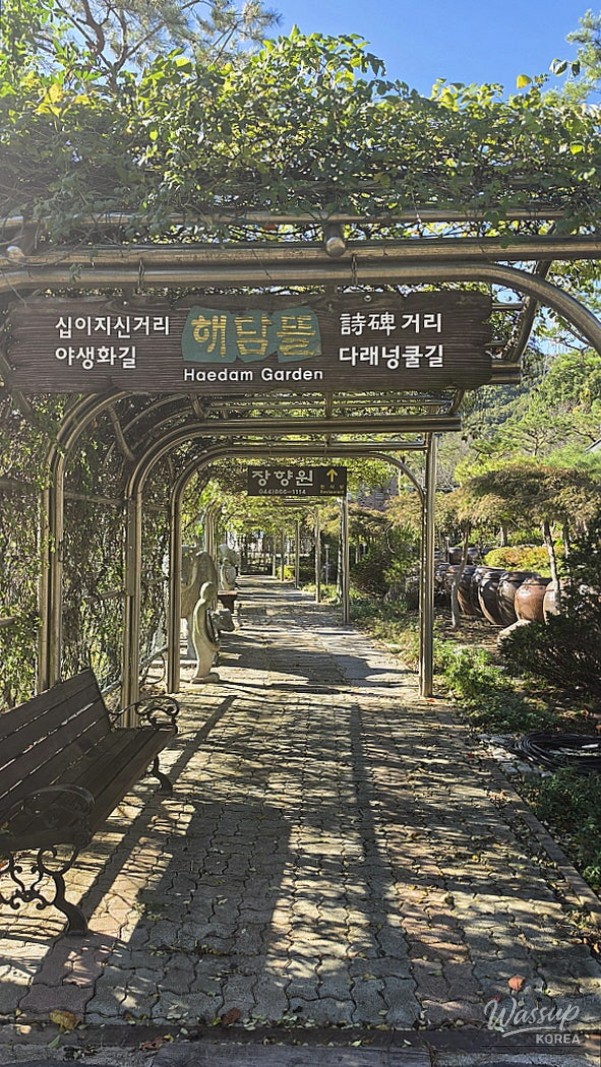
The path from the parking lot to Dwiungbakgoeul is charmingly decorated with vines, known as the 'Darae Vine Path', and scattered rocks inscribed with poetry, referred to as 'Poetry Street'.
There are also sculptures representing the twelve zodiac animals along the way, and a section called 'Wildflower Street' where you can encounter wildflowers.
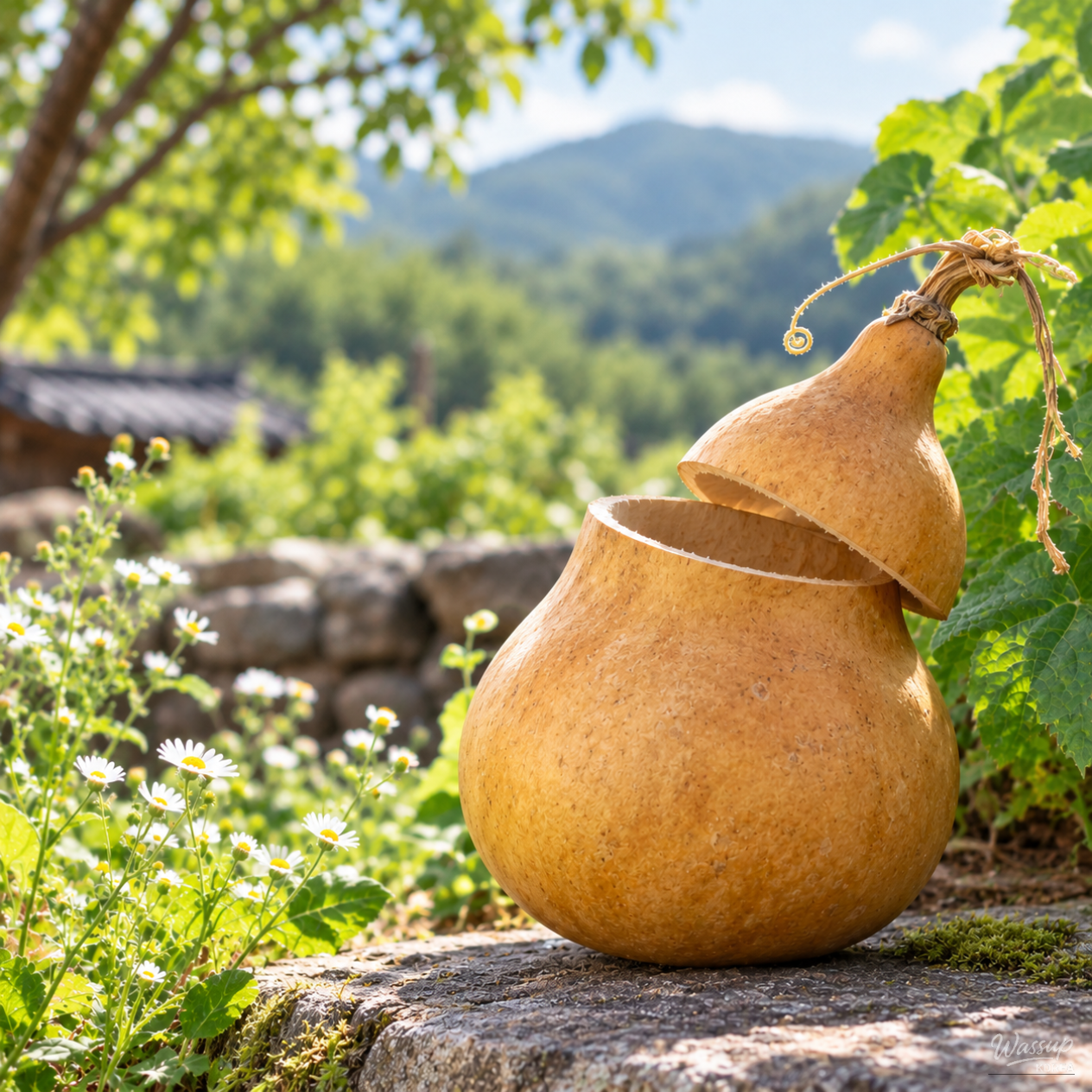
To help with understanding, I created these photos with the help of AI.
Our ancestors' way of life was filled with wisdom about cherishing nature, one of which is the Dwiungbak.
The Dwiungbak is a simple scoop made by hollowing out a gourd without splitting it in half, leaving a small hole near the top.
Though it appears rough and plain, it embodies the wisdom of our ancestors who lived through many years.
Dwiungbak has moisture-controlling properties, making it useful for storing rice in summer and for keeping seeds or eggs safe.
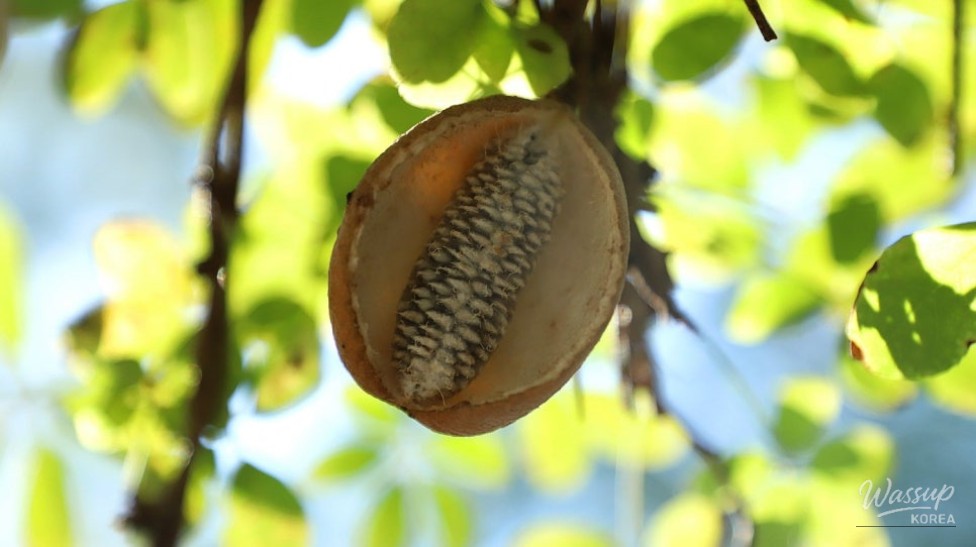
The ice vines hanging from the ceiling are ripening beautifully, and the fruit of the vine, known as 'Eureum', is recognized for its excellent anti-cancer properties.
In my childhood, they were a delightful treat.
While working on the vines, an employee offered me some Eureum fruit, which was so sweet and delicious that it brought back memories of my childhood.
Sculptures of the twelve zodiac animals, including the dog, the eleventh in the zodiac, stand by the roadside.
As I walked past the Darae Vine Path, I reached Haedam-dong, where a mother giraffe and her baby look beautiful and heartwarming.
The cute Gujeolcho flowers peeking out between the jars in Haedam-dong are quite charming.
Gujeolcho is a perennial plant from the chrysanthemum family, named for its stem segments, with various legends about its naming.
After passing Haedam-dong and climbing the stairs, the 'Jangdokdae', a symbol of Dwiungbakgoeul, captures attention.
Jangdokdae is where essential foods like doenjang, gochujang, and soy sauce are stored, considered a sacred space by our mothers.
To prevent pests from spoiling the sauces, stones were laid on the ground, creating a protective mound.
The contrast between the Gujeolcho flowers and the Jangdokdae is truly beautiful.
At the last step, more Gujeolcho flowers greet visitors with their fragrant aroma.
On the way to the Paldo Jangdokdae, there are interesting sculptures nestled among the Gujeolcho flowers.
At Paldo Jangdokdae, you can see various regional styles of jangdok from Jeju, Jeolla, Gyeongsang, and Gyeonggi provinces.
Climbing up to the pavilion to take in the scenery of Dwiungbakgoeul is also a great idea.
After passing Paldo Jangdokdae, you will encounter the columnar joint formations, which are not only beautiful but also impressive in how they were transported here.
This time, I captured the landscape of the jangryu park, where statues depicting traditional weddings, wrestling, and snacks showcase our folk customs.
The warm image of a mother serving snacks and a child following her with a kettle is particularly striking.
After exploring Dwiungbakgoeul, I took a different path down to the parking lot, where I encountered a mother grinding in the Gujeolcho flowers.
As I descended, I captured a beautiful shot of the Jangdokdae and Gujeolcho flowers.
Dwiungbakgoeul, where the scent of tradition blends with the beauty of autumn, is a place worth visiting.
To the left on the way down is the Sejong Traditional Jangryu Museum, which opened in 2013.
This museum systematically organizes the history and value of traditional jangryu culture in Korea, preserving precious cultural assets related to jang for future generations.
As the first specialized museum in Sejong City, it offers a rich array of exhibits on the history of jang and Korean fermented foods, including various types of soybean seeds and scientific storage containers.
Before autumn passes, why not take a trip to Dwiungbakgoeul with family or loved ones, where the fragrance of traditional culture and the beauty of nature come alive?
Dwiungbakgoeul also features a Korean restaurant and cafe, allowing visitors to enjoy traditional flavors while dining or having a cup of tea.
However, even if you do not use the restaurant or cafe, the area is open for leisurely strolls.
As you walk under the clear autumn sky, enjoying the fragrant Gujeolcho flowers and the beautifully colored leaves, you will find a sense of peace and forget the busyness of daily life.
Please note that Dwiungbakgoeul is closed every Tuesday, so check ahead before your visit.
Enjoy a happy time at Dwiungbakgoeul, where the beauty of tradition and the essence of autumn harmoniously blend.
Source :https://blog.naver.com/sejong_story/224443909340
More from Walking



No comments yet.