Visit to Saeter Chapel: A Journey Through History
- Place
-
Saeter Chapel
새터공소 - Region
- Dangjin-si, Chungcheongnam-do
- Address
- 충청남도 당진시 신평면 샛터길 13-4
- Coordinates
- 36.9084362983245, 126.800386770103
- Original source
- blog.naver.com


This visit to Saeter Chapel was an unplanned journey that led to a deeper encounter with a quiet but meaningful religious site in Sinpyeong-myeon.
From its humble beginnings as Wonmeori Chapel to its role during persecution and post-war revival, the chapel holds layered historical value.
Surrounded by open fields and calm scenery, Saeter Chapel offers both historical insight and a peaceful setting for slow exploration.
First Encounter with Saeter Chapel in Sinpyeong-myeon
I visited Saeter Chapel for the first time after realizing I had already been to another nearby chapel I originally planned to see.
The chapel is located at 13-4 Saeter-gil, Sinpyeong-myeon, but finding chapel addresses in this area can be confusing, so it is best to follow the exact address carefully.
Some visitors choose to walk, but if you arrive by car, extra caution is needed.
There is no designated parking space, and the surrounding roads are narrow, so stopping briefly without blocking traffic is important for safety.
Names and Origins of Saeter Chapel
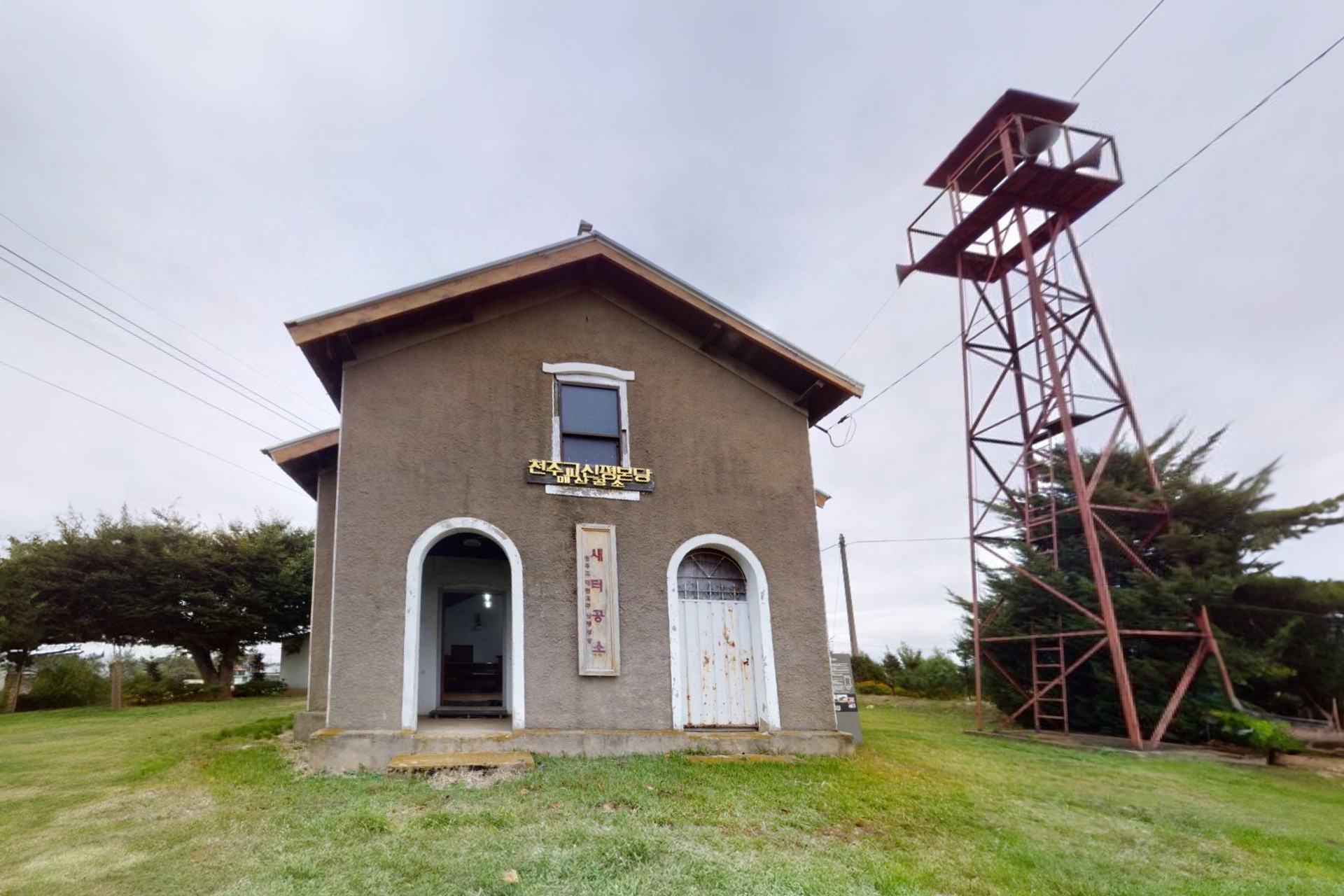
At first glance, the exterior of Saeter Chapel resembles an old modern building rather than a traditional religious structure.
An information board installed near the entrance is especially helpful for first-time visitors.
Saeter Chapel is also known as Maesan Chapel, and the names appear to be used interchangeably by locals.
It was originally called Wonmeori Chapel, which explains its close connection to the nearby Wonmeori Sanctuary.
From Wonmeori to Saeter, A Growing Community
The chapel began as Wonmeori Chapel and later became Saeter Chapel in 1886 as the local population grew.
Land reclamation projects attracted new settlers, leading to the formation of a new village, which gave rise to the name Saeter.
During the persecution period around 1854, French missionaries are said to have continued their religious activities here.
They also cared for orphans, leaving behind stories of quiet dedication during difficult times.
Revival, Education, and Changing Times
In 1929, Saeter Chapel experienced a period of revival through various community activities.
One notable effort involved collecting donations to create a Christmas manger that was sent to an orphanage in Seoul.
After the Japanese occupation, the chapel became even more active.
Until the 1970s, parishioners received strict education on doctrine and chapel etiquette, reinforcing a strong sense of faith and discipline.
Today, the entrance sign has been replaced with a modern one, reflecting its status as a chapel with a long and respected history.
Saeter Chapel Today and Virtual Exploration
Like many rural areas, Saeter Chapel has been affected by population decline and aging.
The number of parishioners has decreased significantly, leading to its integration with the nearby Maetdolpo Chapel.
Although current activities are not always visible, visitors can explore the chapel through the Chungcheongnam-do Location VR platform.
This virtual tour allows you to view both the interior and exterior structures in detail.
Architecture, Surroundings, and Photography Appeal
Next to Saeter Chapel stands an older building that is also part of the chapel grounds.
Internal photos of this structure are displayed on the information board, offering another layer of visual interest.
The surrounding landscape is flat and open, while the chapel itself sits on slightly elevated ground.
In spring or summer, misty scenery can create beautiful photo opportunities.
Photography enthusiasts may find sunrise shots particularly appealing, with the chapel standing quietly against the dawn light.
Construction History and Lasting Impressions
The original Saeter Chapel was a thatched-roof wooden building constructed before 1917.
The current structure was designed by Father Boardbang, with construction beginning in 1956.
The chapel was consecrated on June 15, 1960, by Bishop Won Hyung-geun.
Its auditorium features a cement brick structure topped with a rectangular gable roof.
Learning these detailed stories through the information board made the visit especially meaningful.
Occasionally visiting small, historic chapels like Saeter can be a quietly rewarding experience, and this visit is one I am glad to share.
More from Travel




No comments yet.