The History of Water That Enriched the Haduk Plain
- Original source
- blog.naver.com


Hello everyone :)
Today, turning on a faucet gives us easy access to water, but in the past, when farming was the center of life, securing and delivering water to agricultural fields was of utmost importance.
In particular, to cultivate rice on vast plains, irrigation facilities were essential for storing water and supplying it where needed.
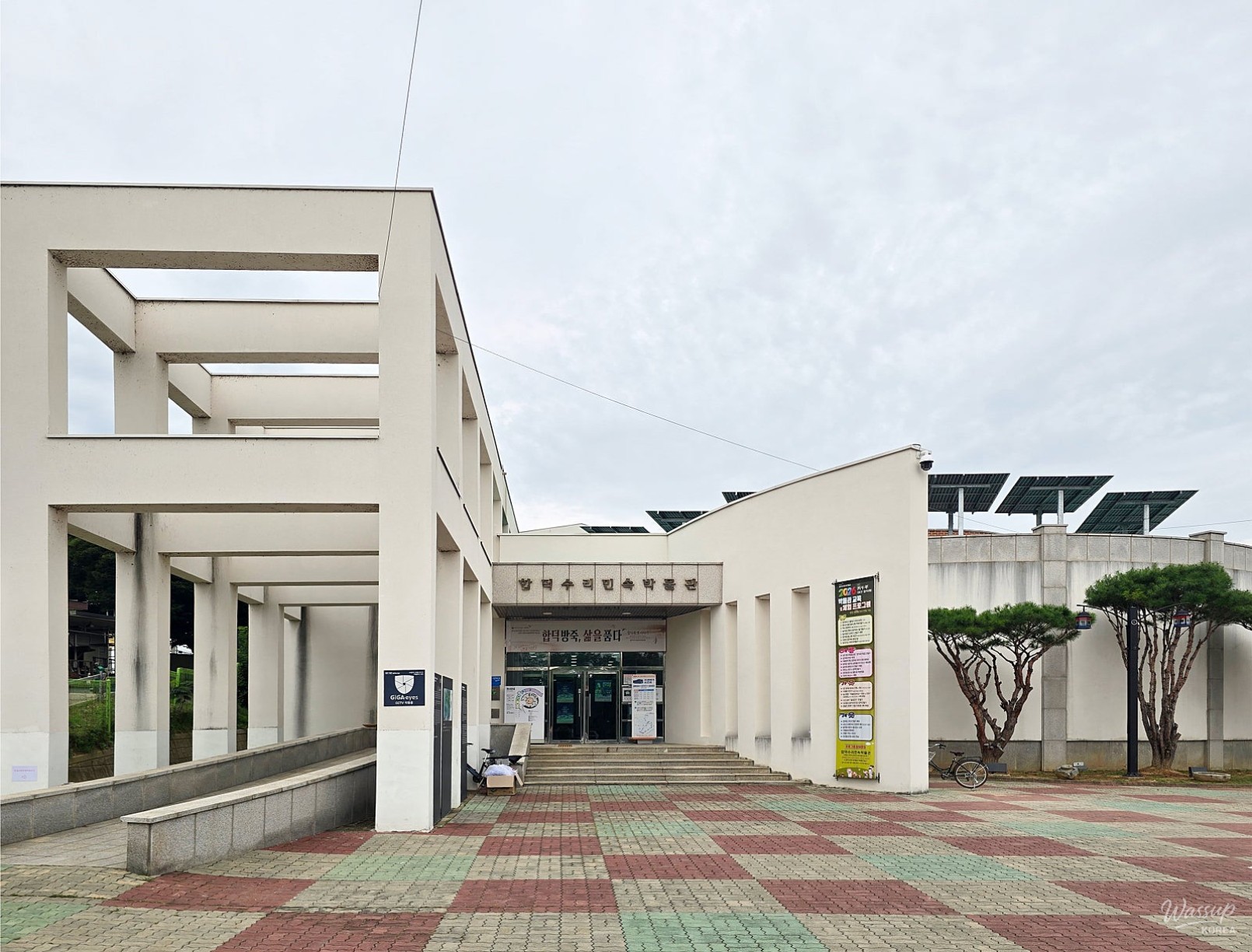
In this context, I would like to introduce the Haduk Irrigation Folk Museum in Dangjin, where you can explore the agricultural culture and irrigation history of Haduk all in one place.
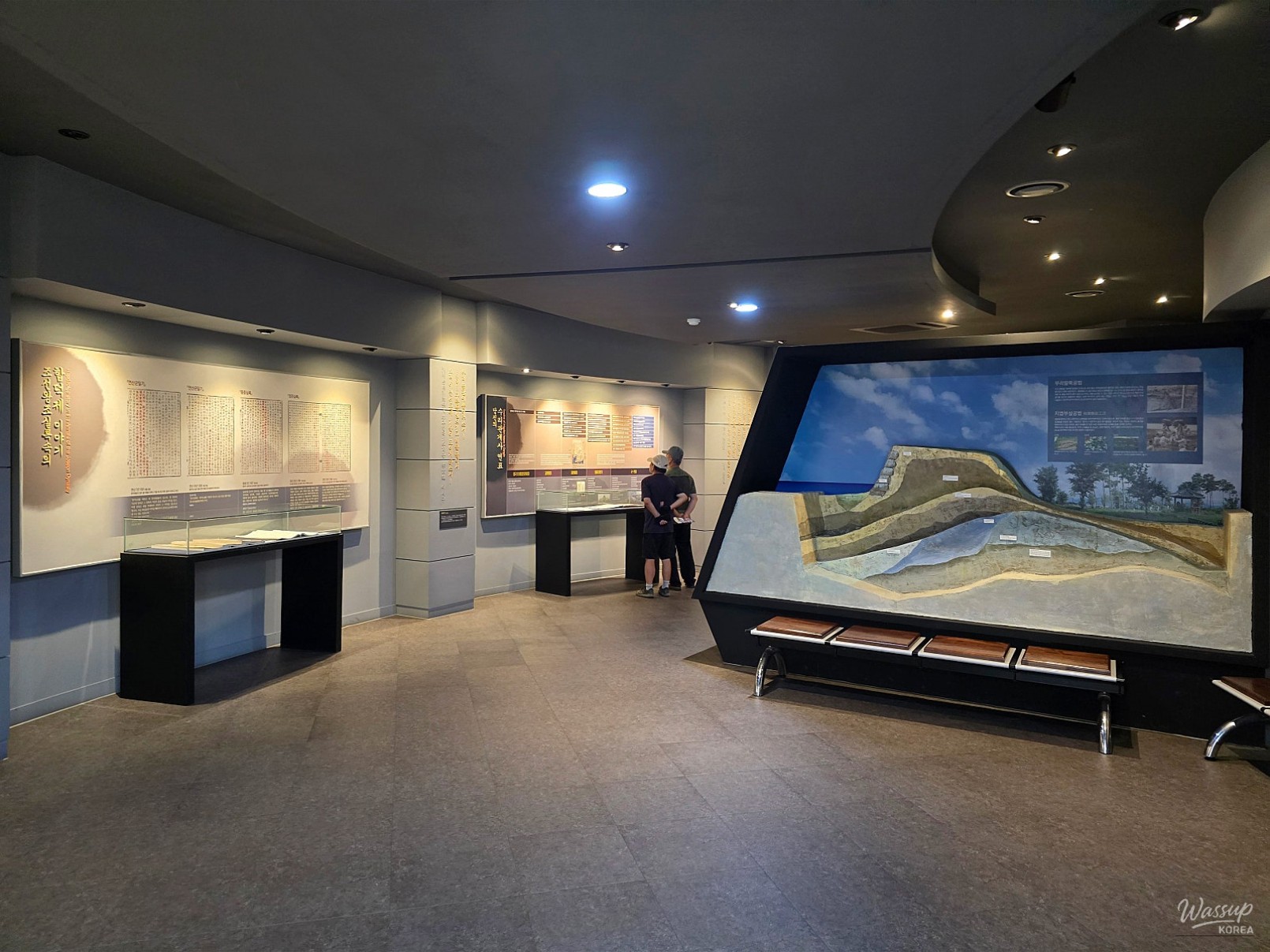
The museum was established to commemorate the Haduk Reservoir, one of the three major reservoirs from the Joseon Dynasty. As you explore the museum, you will naturally learn how ancient people managed water for farming and the role the Haduk Reservoir played in the lives of local residents.
What kind of place is the Haduk Irrigation Folk Museum?
Located in Haduk-eup, Dangjin-si, the Haduk Irrigation Folk Museum is a specialized museum focusing on irrigation and agricultural culture.
Haduk has been a region where agricultural culture flourished since ancient times, thanks to its vast plains.
At the center of this development was the Haduk Reservoir, which supplied agricultural water.
The museum was built to honor this reservoir and to share the wisdom of ancestors who recognized and utilized the importance of water early on.
It is significant not only for displaying ancient farming tools but also for preserving and introducing the traces of our agricultural culture and irrigation facilities that are gradually disappearing in the modern era.
Wisdom in Managing Water: Discovering Irrigation Culture
One of the key aspects to observe in the museum is the irrigation culture.
Here, irrigation refers to the efficient use and management of water necessary for farming and daily life.
In times when agricultural water supply facilities were not systematically established, it was crucial to store water during heavy rains and supply it to areas in need during droughts or farming seasons.
Especially for rice farming, which requires a lot of water, irrigation facilities like reservoirs, embankments, and sluices were vital for the success of the harvest.
As you tour the Haduk Irrigation Folk Museum, you will realize that our ancestors did not solely rely on nature but utilized various methods to store and manage water, sustaining their agricultural lifestyle.
Exploring the Haduk Reservoir
The exact date of the Haduk Reservoir's creation is not clearly documented. However, it is believed to have been constructed by Gyeon Hwon, who established the Later Baekje during the late Unified Silla period.
Over the years, it played a central role in supplying water to the Haduk Plain, thus supporting local agriculture.
Today, the former reservoir has transformed into rice paddies, with the embankment remaining prominently intact.
At the western end of the embankment, there are five stone monuments that record the restoration of the Haduk Reservoir, confirming that it has been maintained and repaired over a long period.
To fully understand the Haduk Irrigation Folk Museum, one cannot overlook the Haduk Reservoir, built to supply agricultural water to the vast Haduk Plain.
The embankment stretches approximately 1,771 meters with a height of about 7-8 meters above the plain, showcasing its large scale.
The earth was piled up to create the embankment, and traces of stone use can also be found from later restoration processes.
There were also nine sluices to supply water to six villages, highlighting the significance of the Haduk Reservoir as an essential agricultural infrastructure in the Haduk Plain.
Haduk Reservoir was also known by another name: Yeonji, or Lotus Pond, due to the abundance of lotus flowers that once bloomed there.
In summer, the embankment was said to be adorned with blooming lotus flowers, making it not only a practical irrigation facility but also a beautiful seasonal landscape.
The reason the Haduk Reservoir has been closely connected to the lives of local residents for a long time can be found in this aspect.
A Special Agricultural Culture Journey in Dangjin
While exploring the Haduk Irrigation Folk Museum, what stands out is the opportunity to view water, which we often take for granted, from a new perspective.
In an era where agriculture was central, water was not just a natural resource; it was a vital resource directly linked to the livelihoods of local people.
To store this water, massive embankments were constructed, and through sluices, it was supplied to the necessary agricultural fields, allowing the agricultural culture of the Haduk Plain to thrive.
The Haduk Irrigation Folk Museum is the place where you can explore the history of the Haduk Reservoir, irrigation culture, and the traces of ancient agricultural culture that are now hard to find.
If you are looking for a place to learn about history and culture with your child during your trip to Dangjin or a unique museum experience, visiting the Haduk Irrigation Folk Museum and the Haduk Reservoir together would be a great way to discover the stories of our ancestors' lives with water.
Haduk Irrigation Folk Museum Q&A
Q: What kind of place is the Haduk Irrigation Folk Museum?
A: It is a specialized museum where you can explore the history of irrigation, the Haduk Reservoir, and traditional agricultural culture through various exhibits.
Q: Why is the Haduk Reservoir famous?
A: It is known as one of the three major reservoirs of the Joseon Dynasty and was registered as a World Heritage Site for irrigation facilities in 2017.
Q: Is it okay to visit the museum and the Haduk Reservoir together?
A: Yes. Learning about the history of the Haduk Reservoir in the museum and then visiting the actual site will greatly enhance your understanding of irrigation culture.



Source :https://blog.naver.com/dangjin2030/224400865984
More from Travel



No comments yet.