Exploring the Tranquil Yeongsusa Temple at Duta Mountain
- Original source
- blog.naver.com


Today, I would like to introduce Yeongsusa Temple, a serene temple located at the foot of Duta Mountain in Jincheon.
Rather than visiting a bustling tourist spot, I opted for a quiet atmosphere and decided to visit early in the morning.
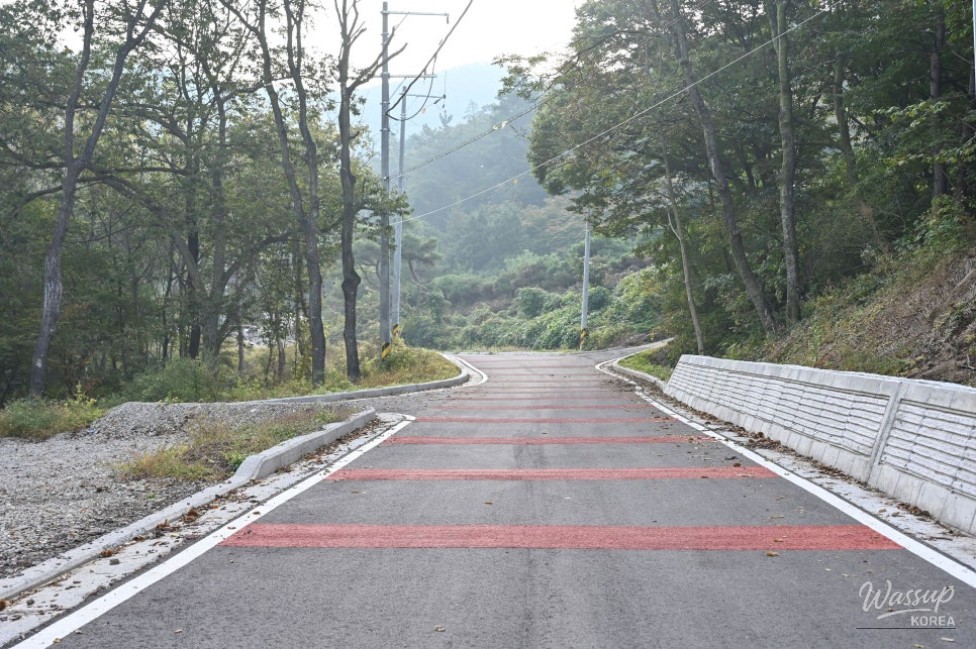
Upon my return to Yeongsusa after some time, I found the access road well-maintained, making it easy for vehicles to enter. In the past, the road was narrow, allowing only one car to pass, but now it is wide enough for two vehicles to meet comfortably.
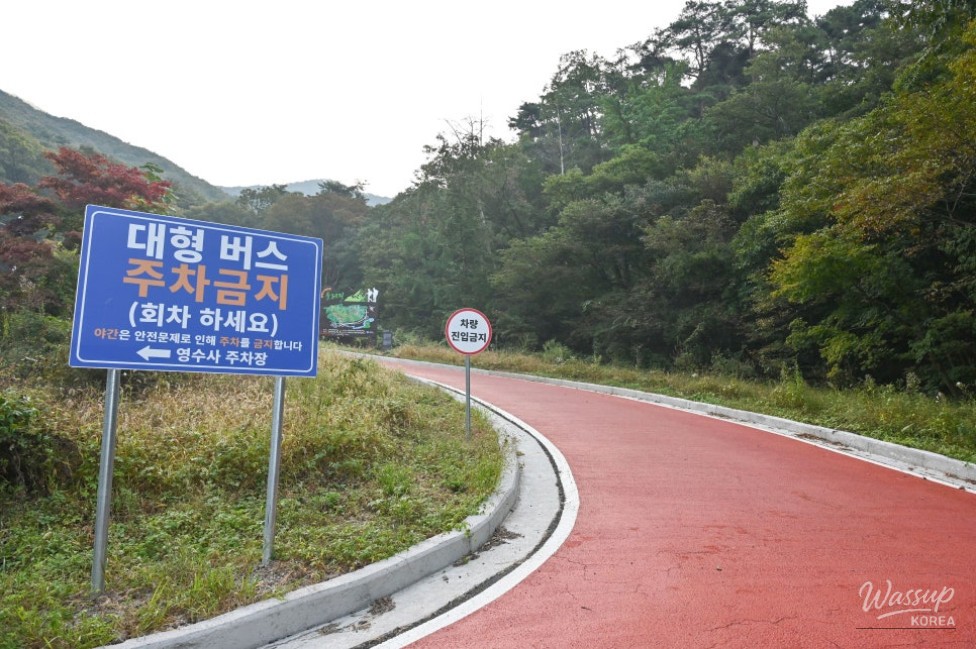
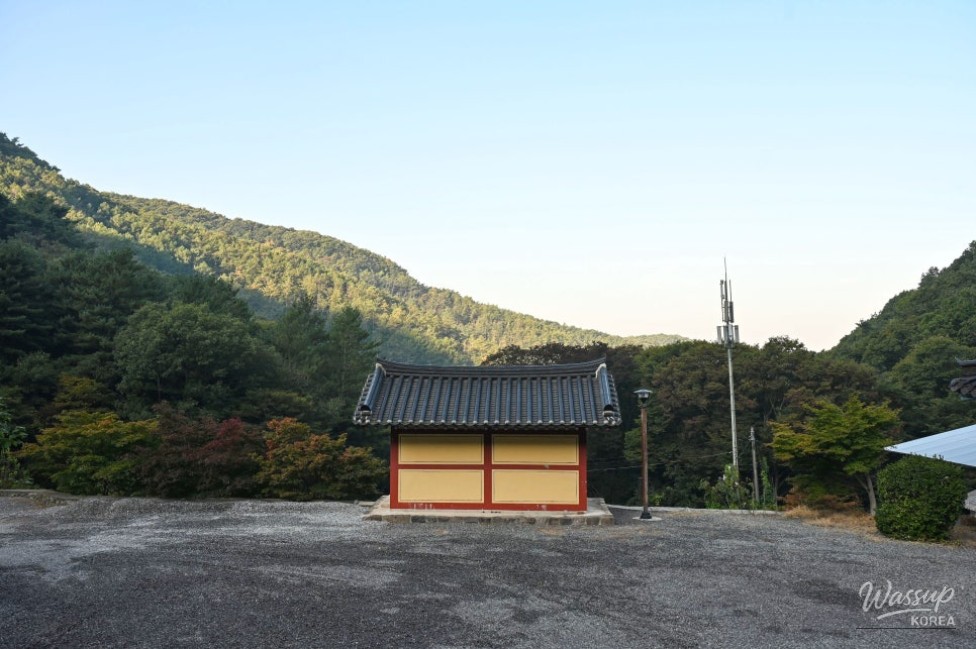
The parking lot has been neatly landscaped, transforming the previously overgrown area into a pleasant space. Yeongsusa is a small temple located about 15 minutes by car from Jincheon County Office and is near the Chopyeong Reservoir.
If you follow the path upward from the parking lot, you will arrive at Yeongsusa in no time. The road is now wide enough for buses, although large buses cannot use the temple's parking lot and must park outside after turning around.
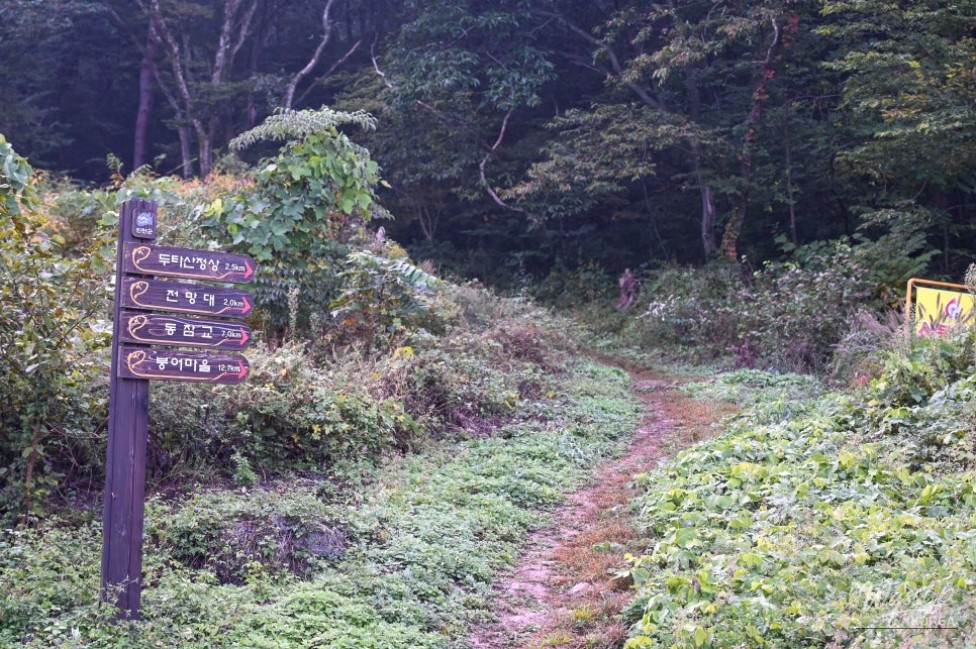
Yeongsusa is also well-known as the shortest route to the summit of Duta Mountain. The hiking trail leads not only to the mountain but also connects to the Hanbando Geomorphology Park.
The hike from Yeongsusa to the summit of Duta Mountain takes approximately 2.5 km and can be completed in 2 to 3 hours round trip. The hiking trails vary in length from 3 to 7 hours, so visitors should choose a route that suits their fitness level.
Yeongsusa is a small temple believed to have been founded by the monk Jeungtong during the Goryeo Dynasty, preserving a long history and Buddhist cultural heritage.
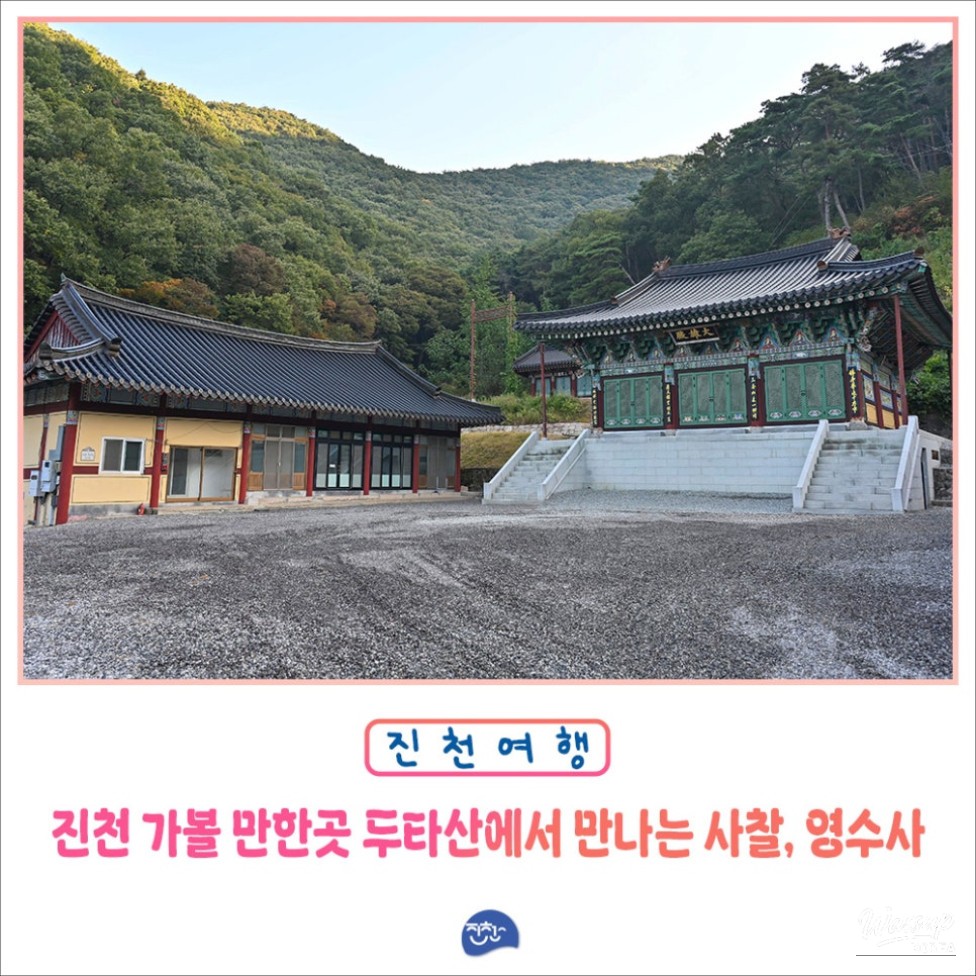
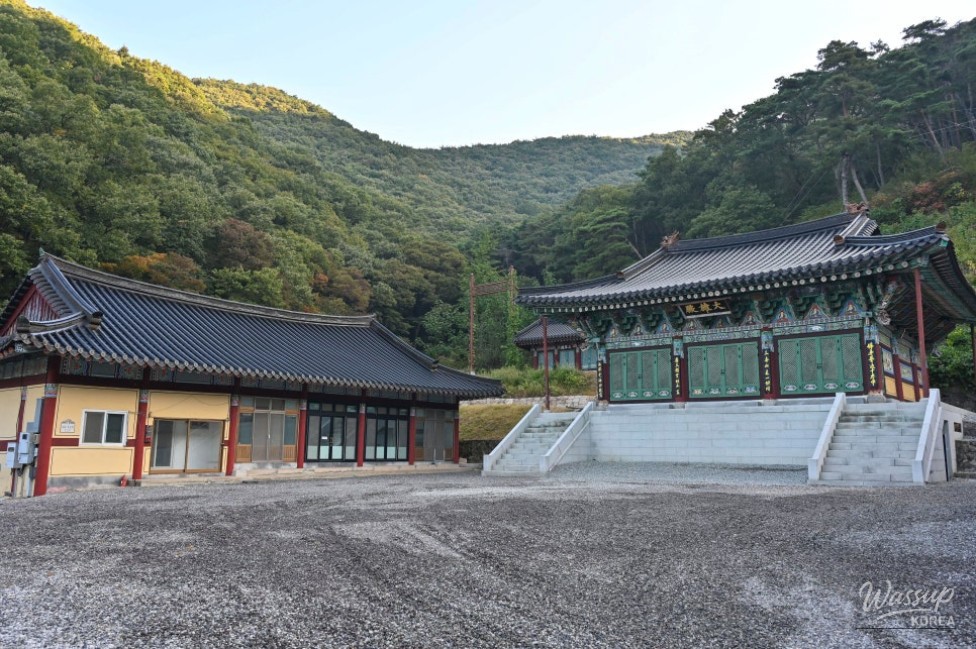
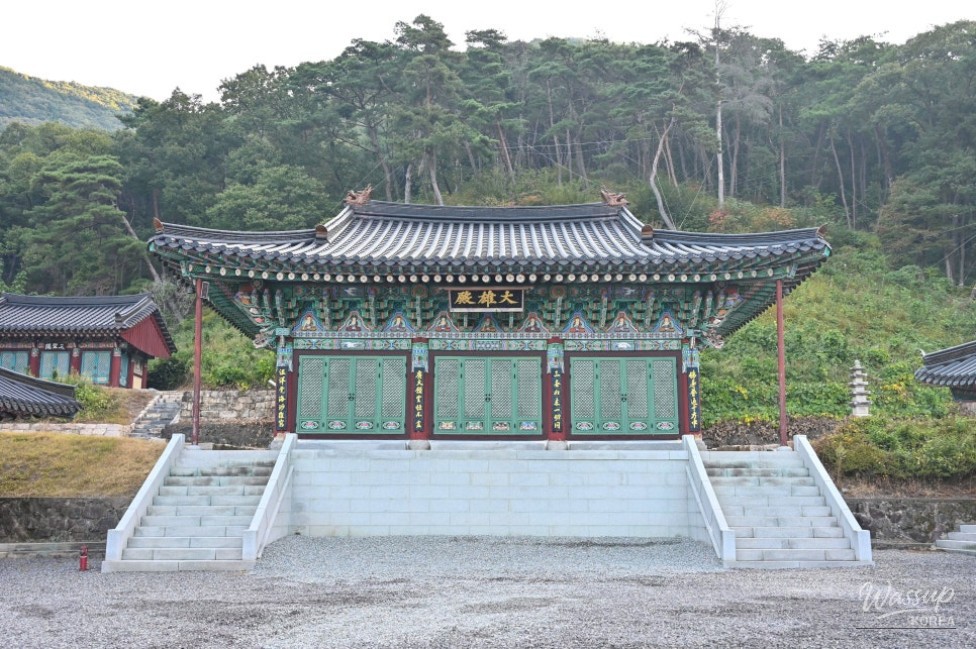
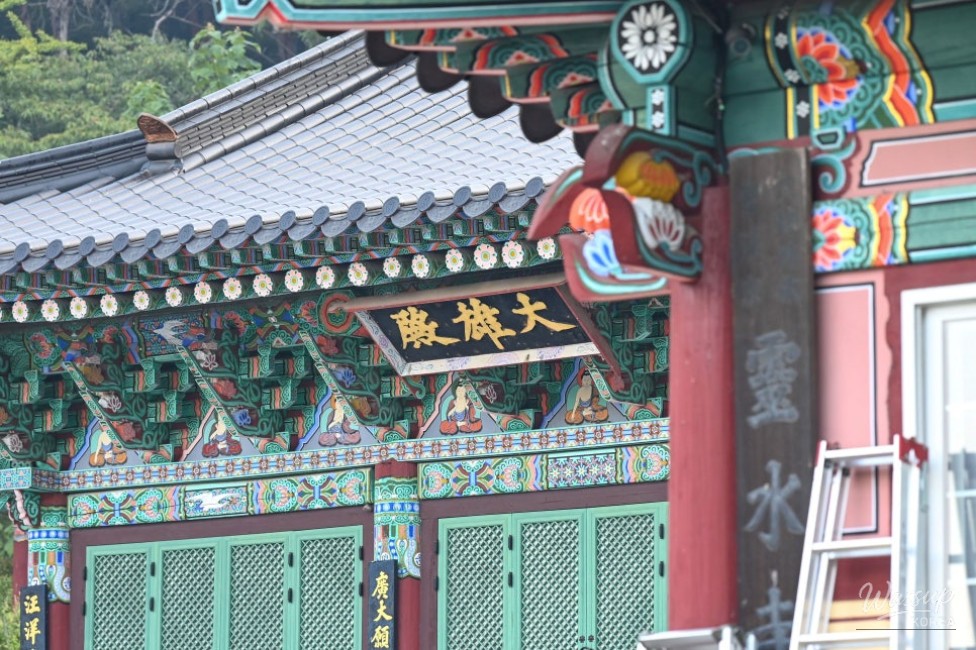
Upon arriving at Yeongsusa, you will see the large Daeungjeon Hall, which is typically the main hall of a temple where the statue of Buddha is enshrined. Unfortunately, my early morning visit meant the doors were closed, and I could not explore the interior.
The view from Daeungjeon Hall is stunning, surrounded by mountains, and I imagined how beautiful it would be to visit during the autumn foliage.
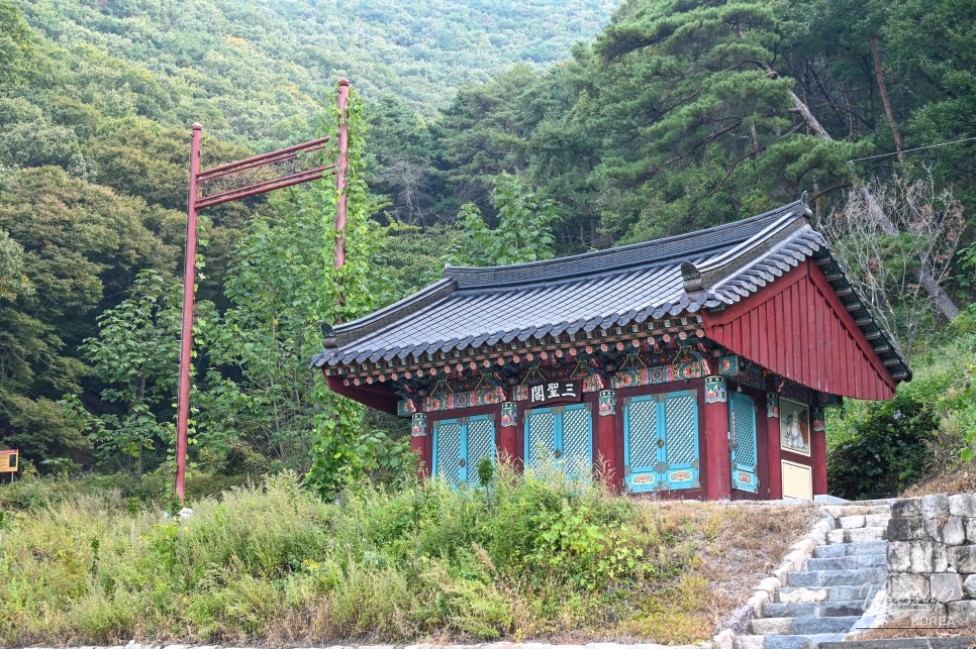
To the left of Daeungjeon Hall, you will find the Samsunggak shrine and the Hongsalmun gate, which embody traditional mountain temple beliefs. Samsunggak is a hall dedicated to faith, blending Buddhist culture with folk beliefs.
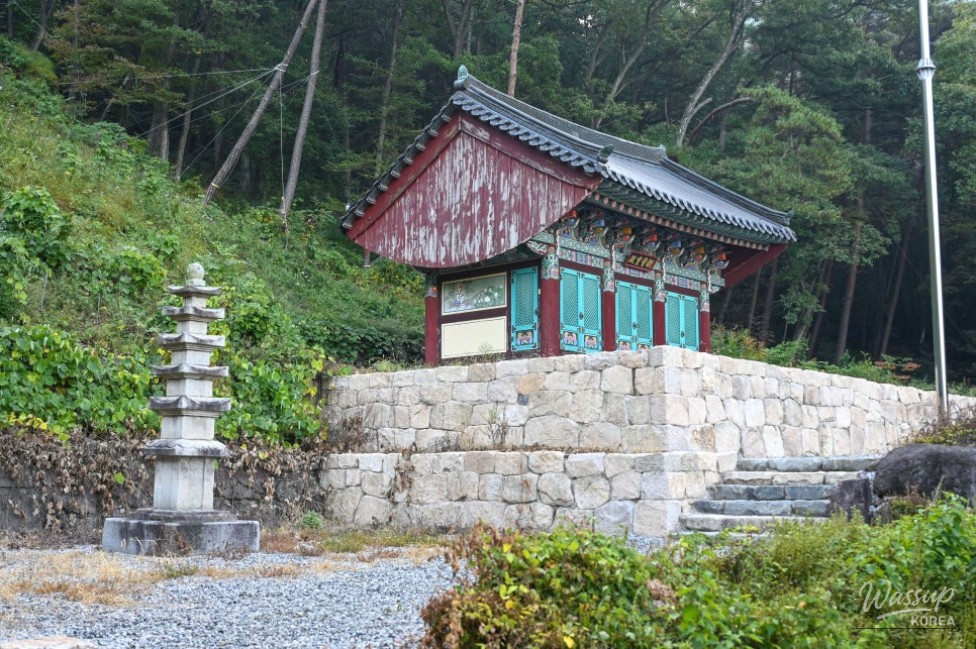
On the right side, there is the Gwanumbojeon Hall and a five-story stone pagoda, which was built in 1978 and was once located in front of Daeungjeon Hall. Gwanumbojeon is a small hall dedicated to Avalokiteshvara, embodying the meaning of compassion.
Yeongsusa is home to the cultural heritage of Yeongsan Hoegul, which cannot be seen in person. Nestled in the natural surroundings of Duta Mountain, Yeongsusa offers a peaceful retreat, and with a hiking trail leading to the summit, I encourage you to visit this autumn.



Source :https://blog.naver.com/jincheongun/224443651388
More from Travel




No comments yet.