Exploring the History of Catholicism at Sinri Shrine in Dangjin
- Place
- Sinri Shrine
- Region
- Dangjin-si, Chungcheongnam-do
- Original source
- blog.naver.com


Hello everyone :)
When traveling, it's wonderful to see beautiful landscapes, but understanding the history and stories of the people in that area can give you a different perspective on the same space.
This time, I would like to introduce you to Sinri Shrine and the Sinri Martyrdom Art Museum, located in the heart of the vast Naepo Plain in Dangjin, South Chungcheong Province.
Sinri Shrine holds significant meaning in the history of Korean Catholicism. Particularly at the Martyrdom Art Museum, you can explore the stories of five saints from Sinri and the history of persecution and martyrdom experienced by Catholic believers in the late Joseon period through various artworks.
Beyond its religious significance, it is a place where you can delve into the history of Dangjin and the Naepo region, as well as the stories of people who lived during that time. It's worth taking your time to explore.
What is 'Naepo', where Sinri Shrine is located? Before learning about the history of Sinri Shrine, it's essential to understand the Naepo region.
Naepo (內浦) translates to a coastal area situated inland, derived from the Korean word for 'fog'. It initially referred to the area where seawater entered inland through waterways, connecting the land and the sea.
Over time, the term expanded to encompass a broader area, and during the Joseon Dynasty, it referred to the northwestern region of Chungcheong Province, including present-day Dangjin, Seosan, Asan, Hongseong, and Cheongyang, extending as far as Boryeong.
In the context of Korean Catholic history, Naepo refers to a more specific area. Early French missionaries referred to the vast plain formed around the Sapgyocheon and Muhancheon rivers as the Naepo Plain.
Today, this includes Sinpyeong-myeon, Ugang-myeon, and Habdeok-eup in Dangjin City, as well as areas in Yesan County.
Why was Catholicism able to grow in the Naepo region? The local characteristics of Naepo at the time played a crucial role.
With flat wetlands connected to the West Sea, reclamation projects were actively undertaken, and the development of waterways and roads created a conducive environment for interaction with outside regions.
As people and goods moved along these routes, new ideas and religions could naturally enter the area.
Sinri Shrine, located in the Naepo region, played an important role in the growth of Catholicism during the late Joseon period.
Sinri was home to many Catholic believers, and it was also a significant place where Bishop Daveluy stayed and conducted pastoral activities.
Bishop Daveluy would visit the area, meet with believers, and conduct confessions and faith education. It is said that he frequently celebrated Mass at the house of a believer named Thomas Sonjasun, who had about 400 believers.
He also collected materials on the history of the Joseon Church and martyrs and compiled Korean catechisms for new believers.
Therefore, Sinri Shrine is not just a place to remember martyrs; it is a historical space where Catholic faith and culture were preserved during that time.
If you visit Sinri Shrine, there is another place you should explore: the Sinri Martyrdom Art Museum.
This museum holds special significance as it presents the history of Sinri and the stories of martyrs through art.
In the museum, artworks by artist Lee Jong-sang, created over three years and donated to the church, feature portraits of the five saints of Sinri and 13 martyrdom paintings.
Rather than just reading about the history and martyrdom stories, you can encounter each scene through paintings, allowing for a deeper reflection on the situations and the lives of the individuals involved.
You can view the portraits of the five saints deeply connected to Sinri: Saint Bishop Daveluy Antonio, Saint Priest Ometre Peter, Saint Priest Wiang Luka, Saint Hwang Seok-du Luka, and Saint Thomas Sonjasun.
By observing each portrait slowly, you can better understand the connections these figures had with Sinri and their lives, making it easier to grasp why Sinri Shrine is remembered as an important site in Korean Catholic history.
Another noteworthy aspect of the Sinri Martyrdom Art Museum is the 13 martyrdom paintings. Each work stands alone, but when viewed in chronological order, they tell a cohesive narrative of the history of Korean Catholicism and martyrdom.
The museum is best enjoyed by following the flow of the story: from Father Kim Dae-geon's ordination to the entry of missionaries into Joseon, pastoral activities, Mass and writings in Sinri, arrests and imprisonment, the martyrdom at Galmaemot, and the persecution and martyrdom of Sinri believers.
This approach makes the experience more meaningful. The museum presents the complex history of Catholic martyrdom in an accessible artistic form, allowing even those who are not Catholic to explore the history and culture of Korea before modern times.
If you plan to visit the Sinri Shrine and the Martyrdom Art Museum, be sure to check the visiting hours:
⏰ Opening hours: 9 AM to 5 PM
✅ Last admission: 30 minutes before closing
❌ Closed: Every Monday
As a space to remember the martyrs, it is advisable to keep phone sounds and loud conversations to a minimum while appreciating the artworks.
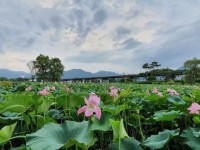
Sinri Shrine offers a chance to experience an important part of Korean Catholic history amidst the scenic Naepo Plain.
Especially after visiting the Sinri Martyrdom Art Museum, the history of martyrdom, which may seem daunting in written records, becomes more relatable through art.
Understanding the stories of the five saints, including Bishop Daveluy, and those who upheld their faith in Sinri will allow you to view the landscape of Sinri Shrine in a new light.
If you want to explore the history and culture of a region beyond just visiting famous tourist spots in Dangjin, I highly recommend visiting Sinri Shrine and the Sinri Martyrdom Art Museum to slowly discover the stories of Catholic history and martyrdom preserved in the Naepo region.
Thank you :)
Q&A about Sinri Shrine
Q. What is Dangjin Sinri Shrine?
A. It is a significant shrine that remembers the history of Catholicism in the Naepo region and the martyrs of Sinri.
Q. What can be seen at the Sinri Martyrdom Art Museum?
A. You can view the portraits of the five saints of Sinri and 13 martyrdom paintings.
Q. Can non-Catholics visit?
A. Yes, it is a cultural space where you can explore not only religion but also the history and art of Dangjin.
Source :https://blog.naver.com/dangjin2030/224399492607
More from Travel




No comments yet.