Exploring Beopjusa Temple: A UNESCO World Heritage Site



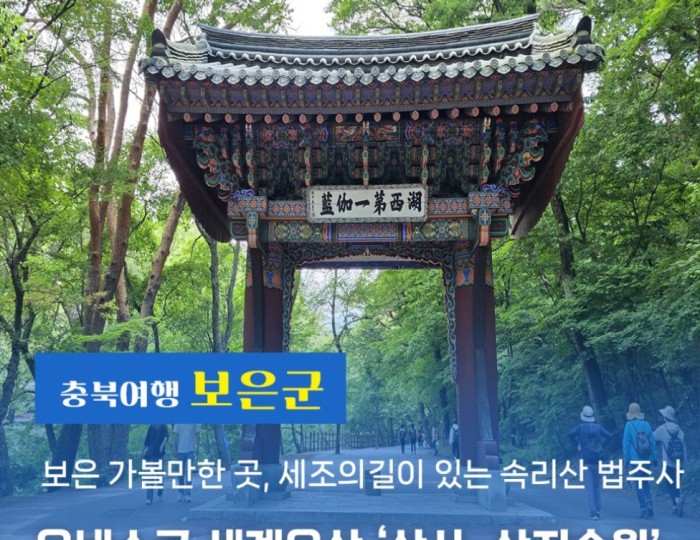
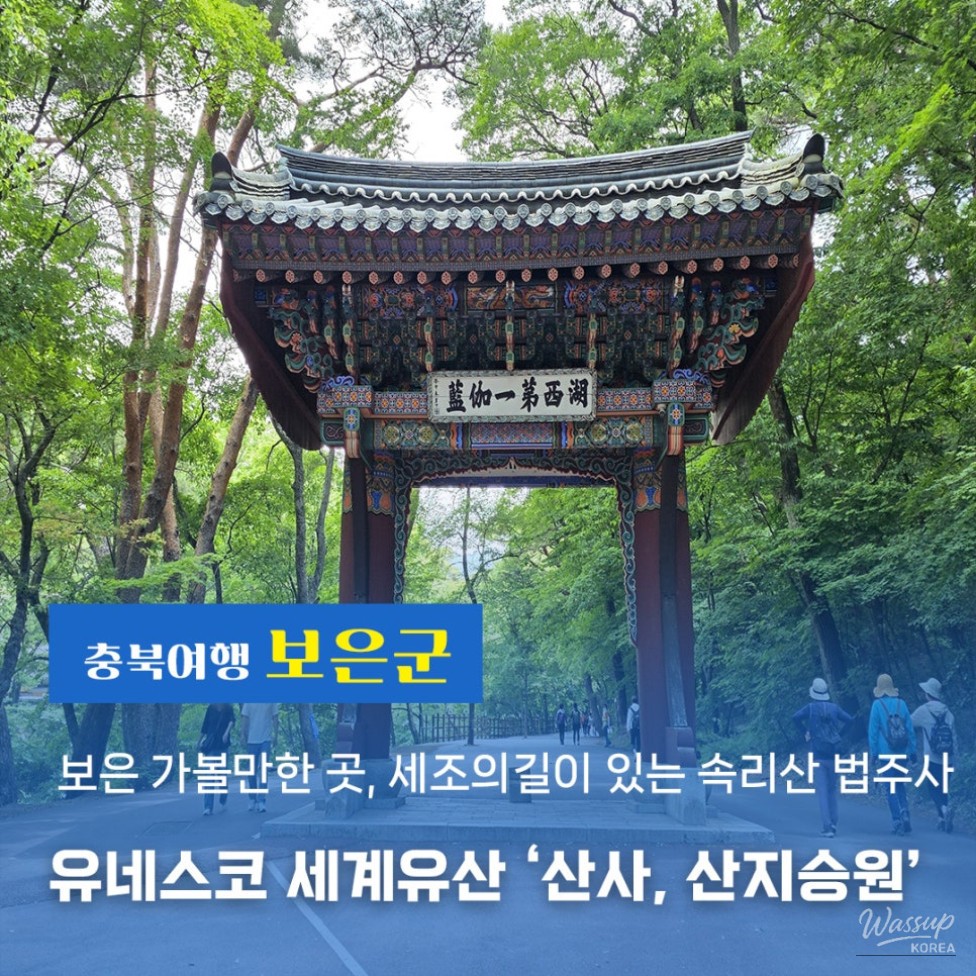
Beopjusa Temple on the Path of Sejo, UNESCO World Heritage Site 'Sanasa, Korean Mountain Monasteries'
Located in Sokrisan, Boeun-gun, Chungcheongbuk-do, Beopjusa Temple is a UNESCO World Heritage site.
Designated on July 4, 2018, 'Sanasa, Korean Mountain Monasteries' includes seven temples: Tongdosa, Buseoksa, Bongjeongsa, Magoksa, Seonamsa, Daeheungsa, and Beopjusa in Boeun, all founded between the 7th and 9th centuries.
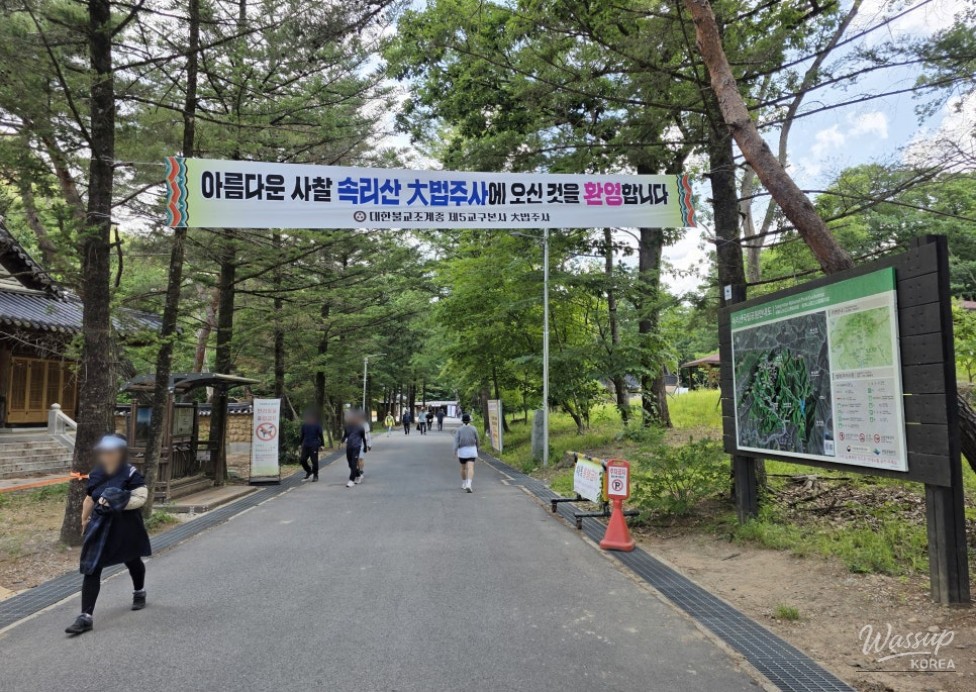
The path leading to Beopjusa is known as the Sejo Trail, a natural observation route.
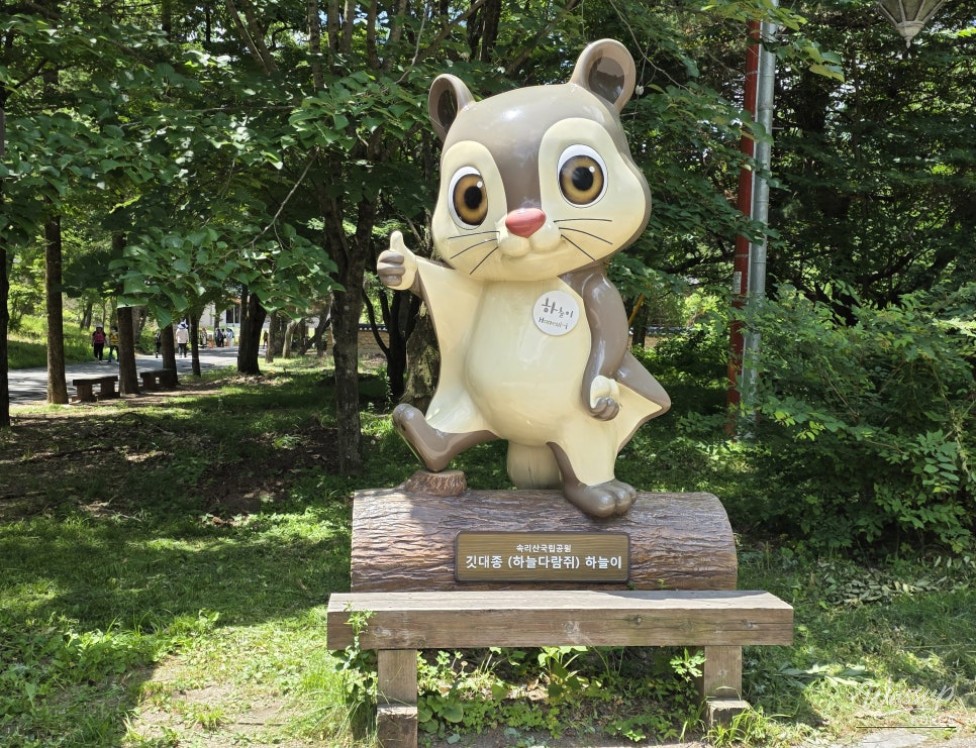
Along this path, you can find the character 'Hanuli', a flying squirrel, which symbolizes the Sokrisan National Park.
The grandeur of Beopjusa can be seen in photographs showcasing its vastness.
The area surrounding Sokrisan is rich in scenic spots, and it is said that King Sunjo's royal tomb is also located here.
The path through the forest leading to Beopjusa is wheelchair accessible, featuring two routes: one for independent wheelchair users and another for those needing assistance.
The Sejo Trail is adorned with explanations about the plants and animals representative of Sokrisan.
As you pass through the Iljumun Gate at Beopjusa, you will notice the impressive scale of the temple, often referred to as 'Great Beopjusa'.
To the right of the entrance is the stupa area, showcasing various designs of stupas dedicated to monks.
Continuing past the stupas, you will find the Sejo Trail, also an accessible walking path.
In 2024, Beopjusa Temple will be designated as an open tourist site by the Ministry of Culture, Sports and Tourism, ensuring accessibility for all visitors.
Nearby, you can find the 'Small Munjangdae', resembling the large rock peak at the summit of Sokrisan.
The Gold Mountain Gate features a floor adorned with lotus patterns.
The temple grounds are filled with national treasures, including the twin lion stone lantern.
The Daeungjeon Hall is recognized as one of the three great Buddhist halls in Korea, alongside Muryangsaja and Hwaeomsa.
The hall, along with its stone steps and intricate carvings, showcases remarkable craftsmanship.
Beopjusa is a treasure trove of national heritage, making it a unique museum without a roof.
Beopjusa offers a temple stay program, allowing participants to immerse themselves in Buddhist culture and nature.
This program includes activities such as temple tours, meditation, tea with monks, and making lotus lanterns.
Visitors are encouraged to maintain silence as the temple is an active practice area for monks.
The temple has a rich history, having undergone numerous events, including suffering during the 1980 Gwangju Uprising.
After visiting Beopjusa, you can also see the 'Jeongipumsong', a tree that was honored by King Sejo.
The temple is a beautiful place to reflect and appreciate the deep cultural heritage of Korea.
Source :https://blog.naver.com/cbkb21/224320951880
No comments yet.