Nostalgia at Hogye Station


Hello, this is Kim Soon-jeom from Ulsan Nuri.
For this month's second article, I would like to reflect on some bittersweet memories as the moon shines bright.
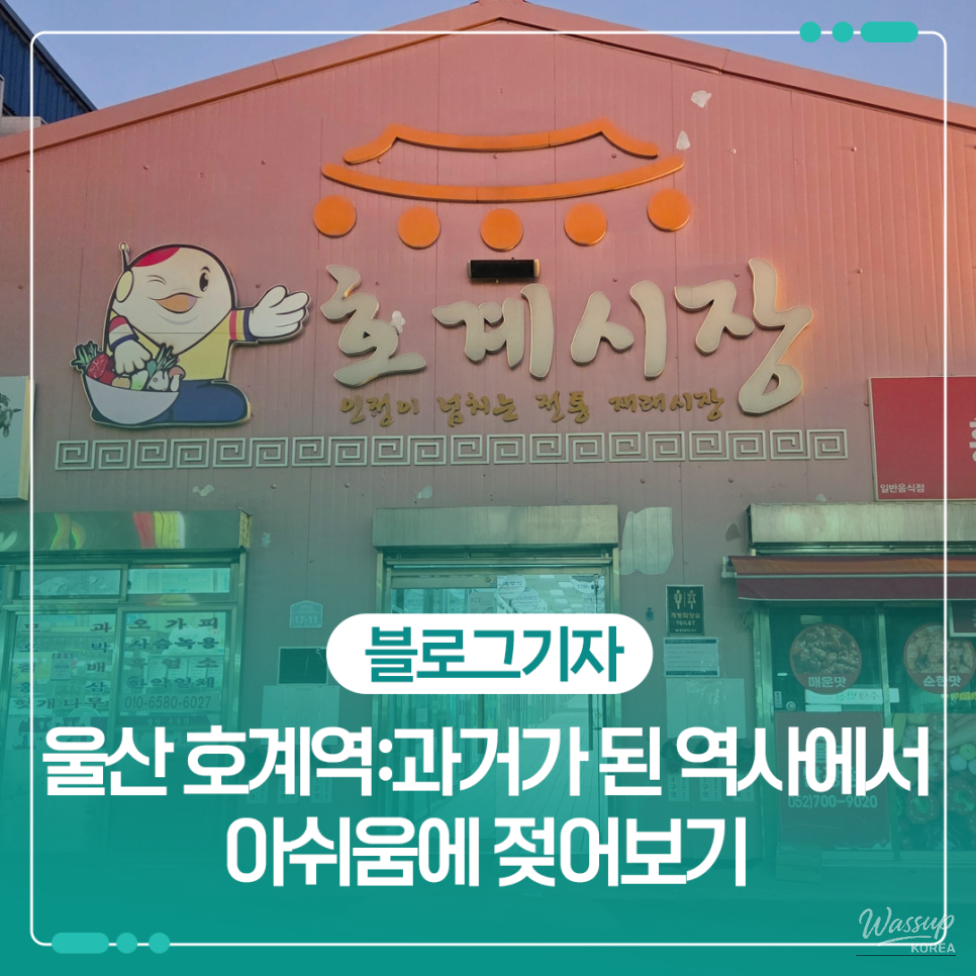
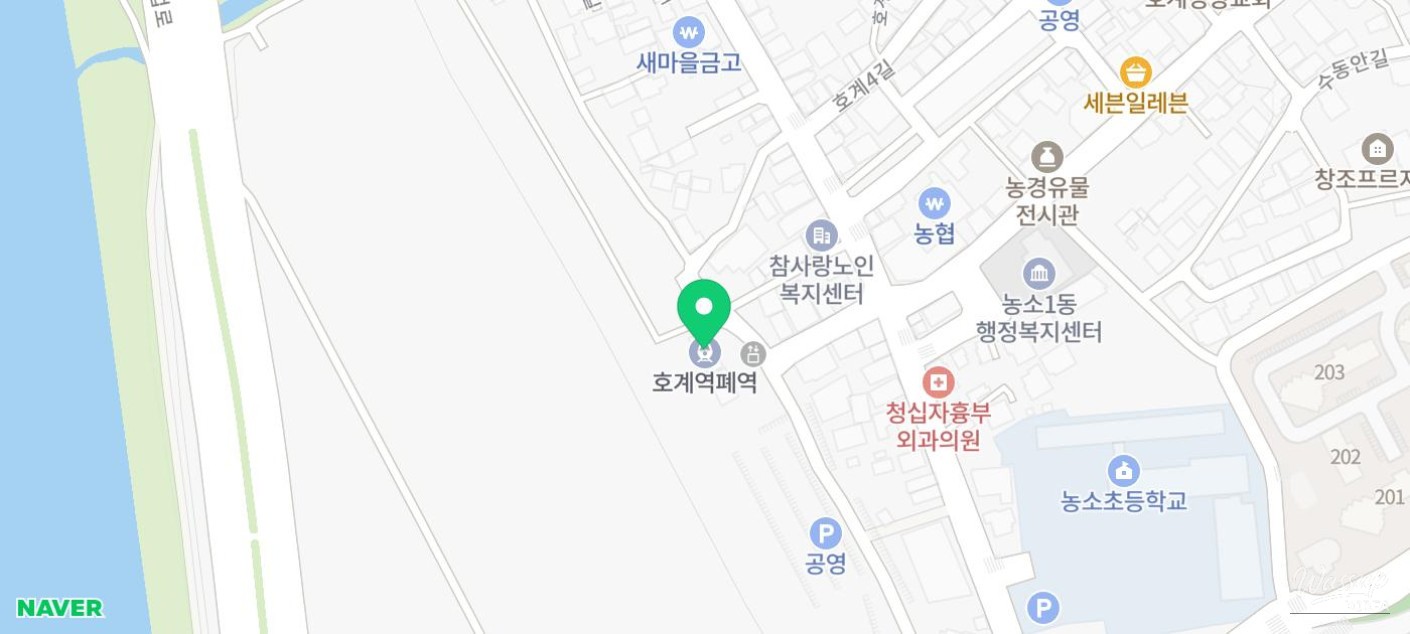
Today, I want to reminisce about Hogye Station, once a bustling traditional market in Ulsan's Buk-gu, known for its heavy foot traffic.
Modern traditional markets have evolved from their humble beginnings.
They now feature roofs, clean restrooms, and even host festivals like Horakaya.
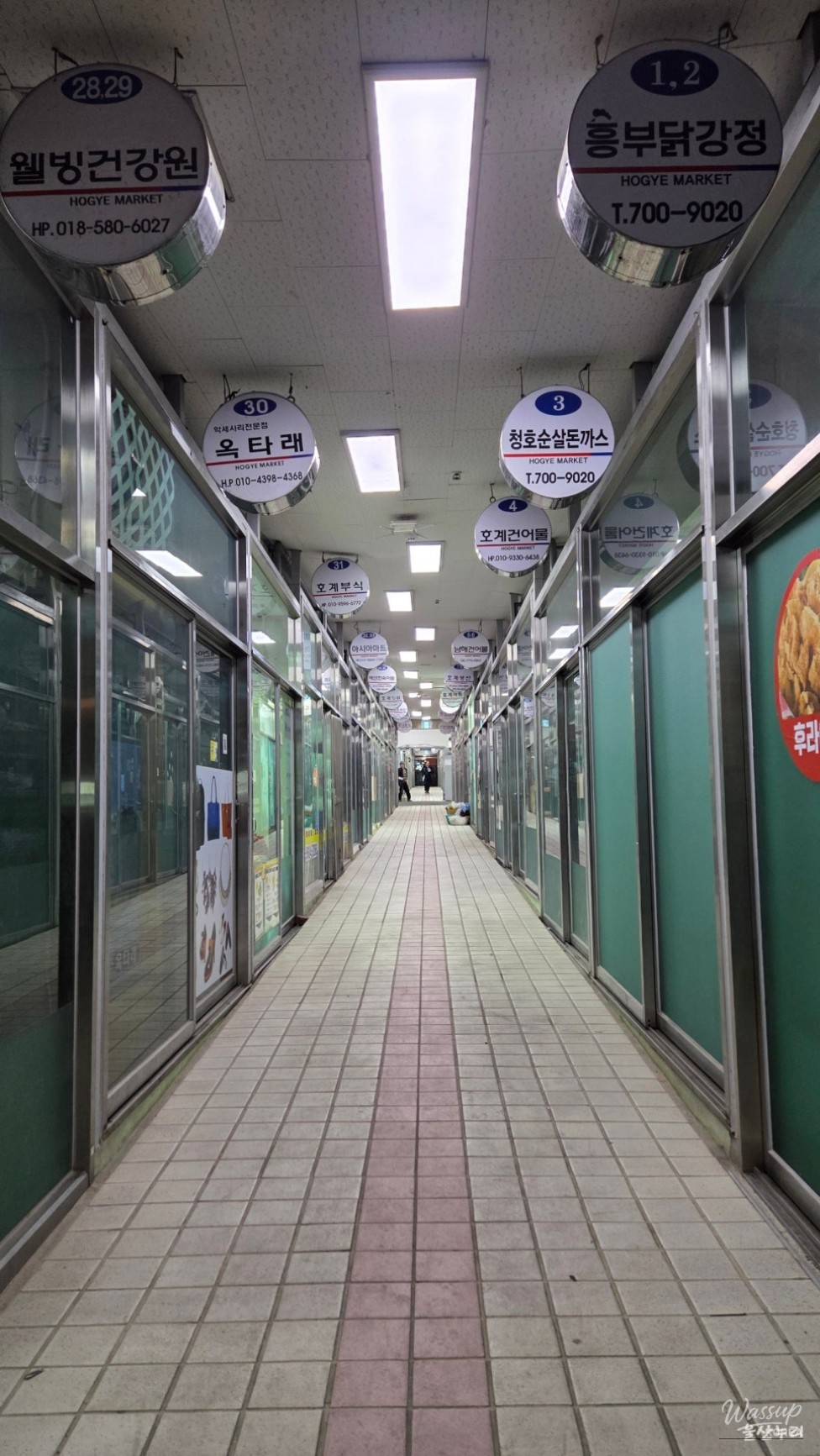
Yet, when you visit in the dim evening light, the flickering fluorescent lights and dark alleys can evoke a sense of nostalgia.
While I came here to buy some snacks, I find myself wandering through the history that has now become a memory.
History, it seems, is shrouded in darkness.
Every entrance is locked tight with padlocks.
Curiosity compels me to sneak a peek behind.
In that moment, I pause, feeling a wave of emotion that, while perhaps unique to me, resonates with many.
It's a mix of loneliness and melancholy...
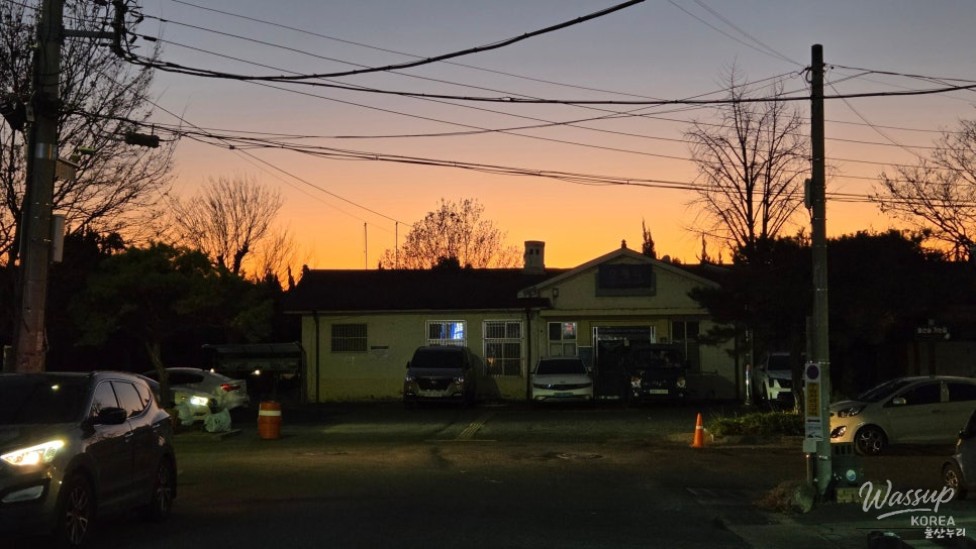
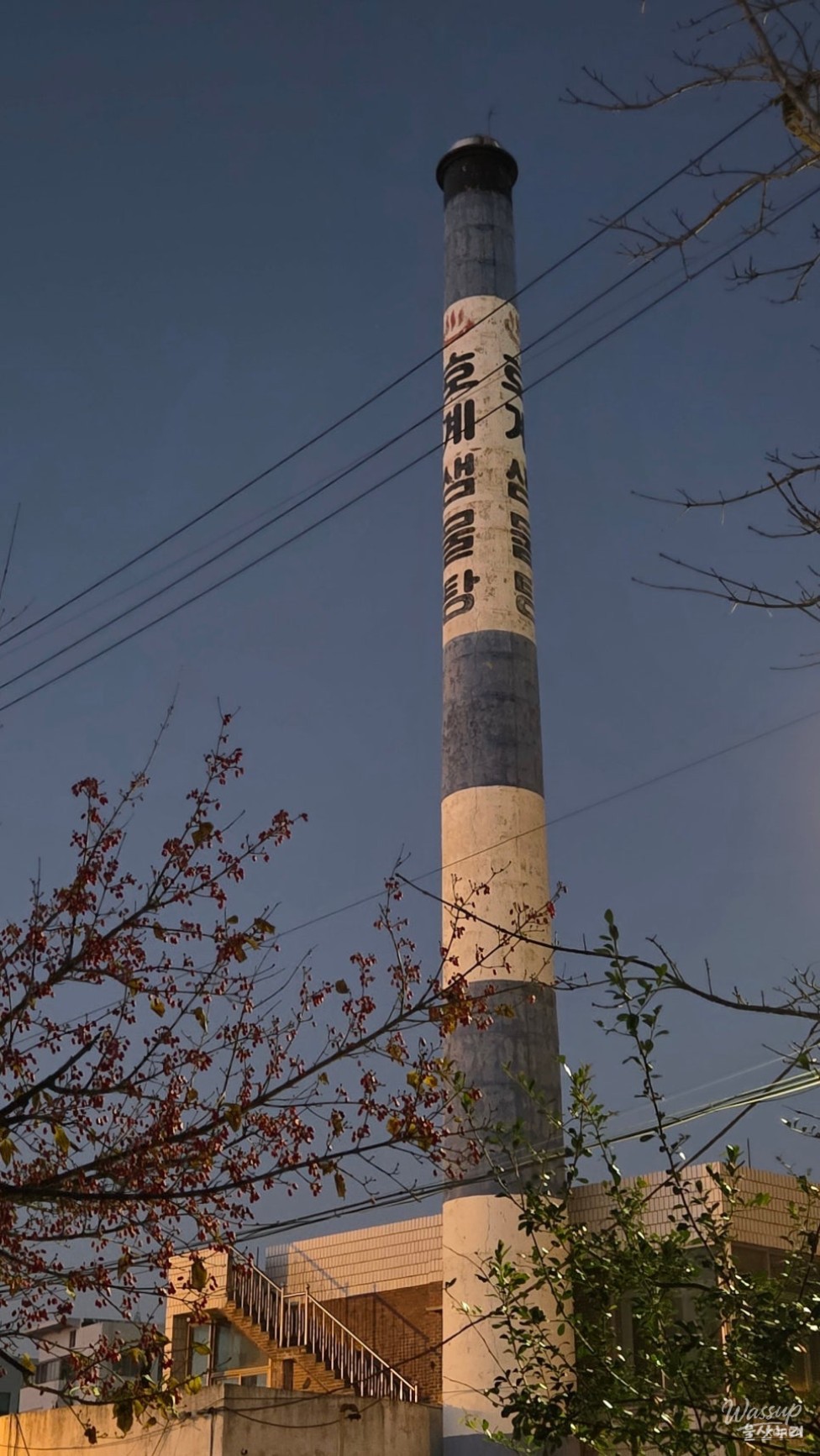
Looking around, I see a tall chimney from a spring water bath, its operation uncertain.
Established in 1985, it has a significant history.
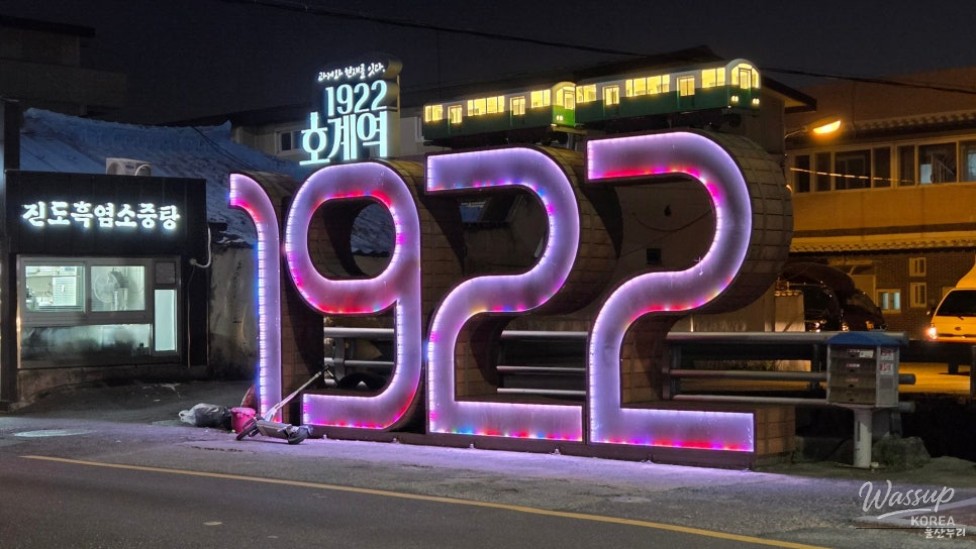
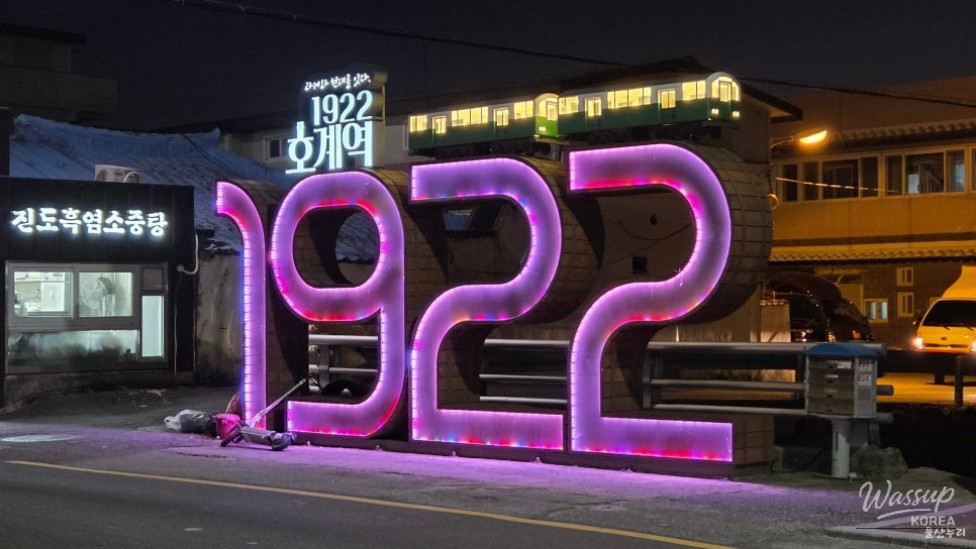
The sign boldly states it was founded in 1922...
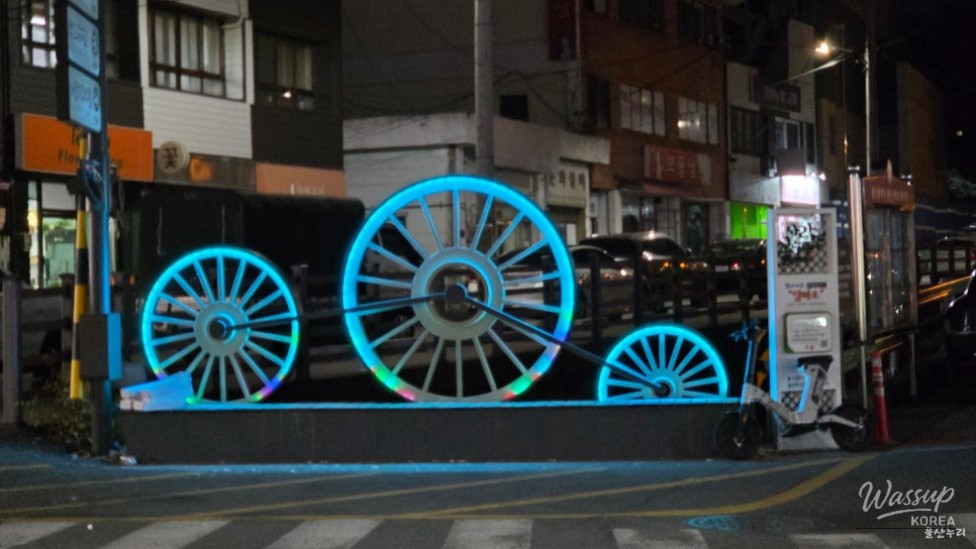
As I turn back to the history, I recall a time when there were tracks, and you couldn't enter without a ticket.
I even remember filming a train approaching from afar.
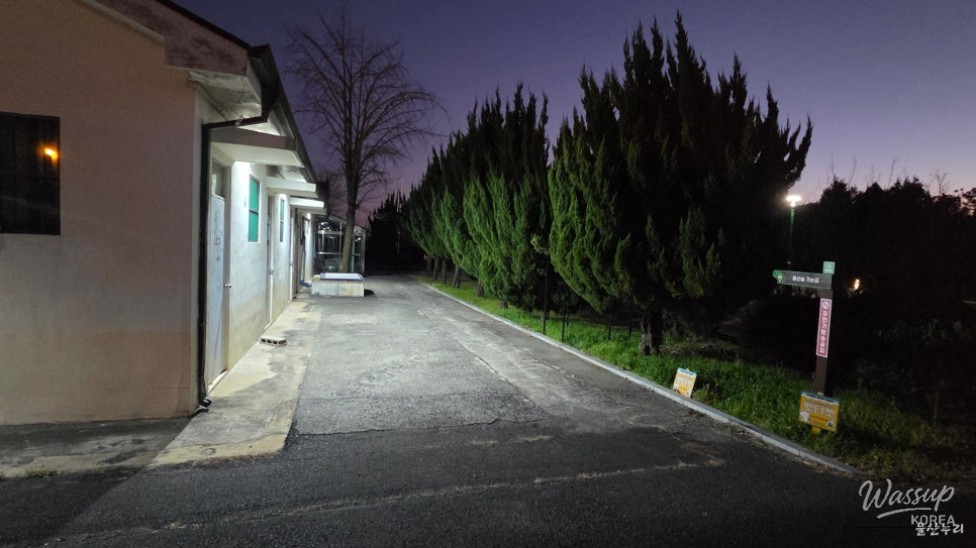
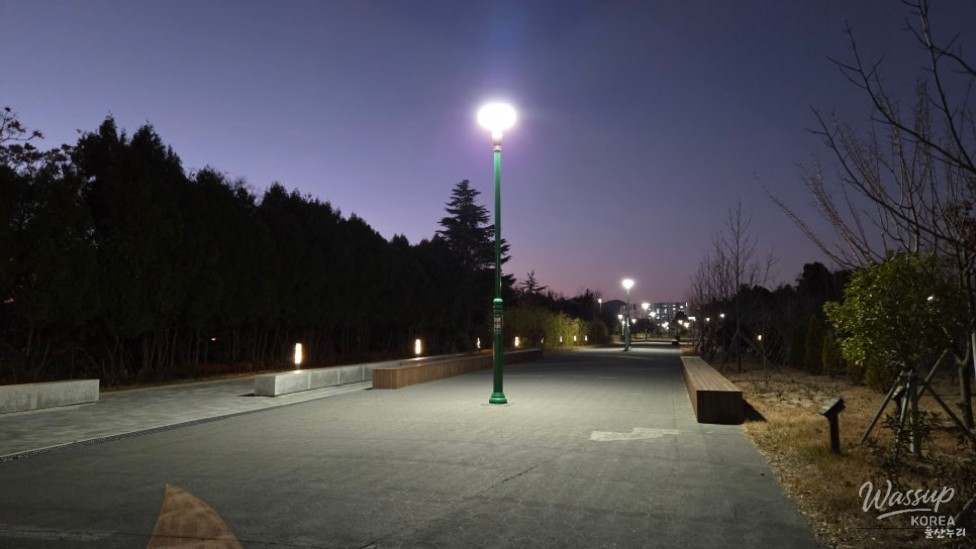
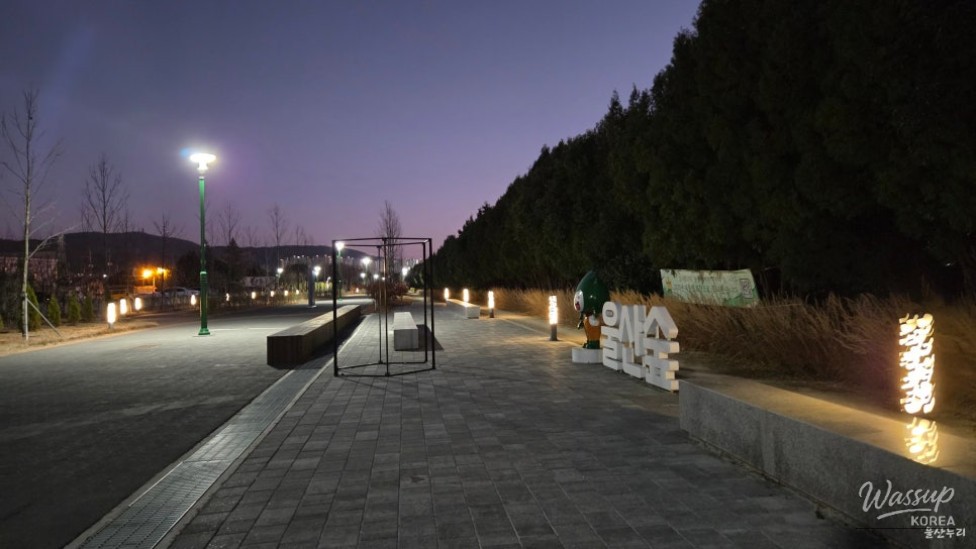
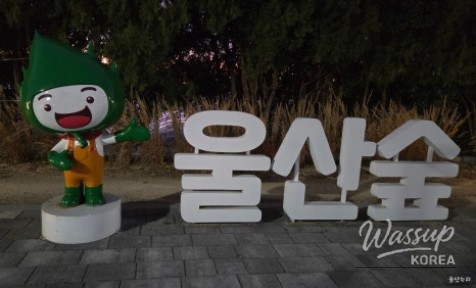
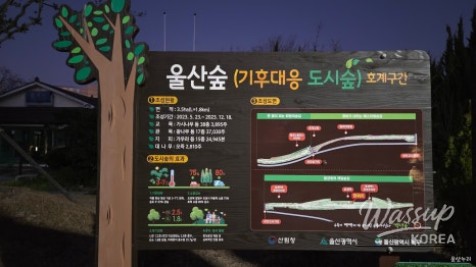
Ulsan Forest stretches alongside Dongcheon, connecting the north and south along the industrial road.
While it's nice that the railway land has transformed into a recreational area for the community, I can't help but wish the tracks could have been preserved in some way.
People pass by, combining walks with exercise, sharing warm conversations.
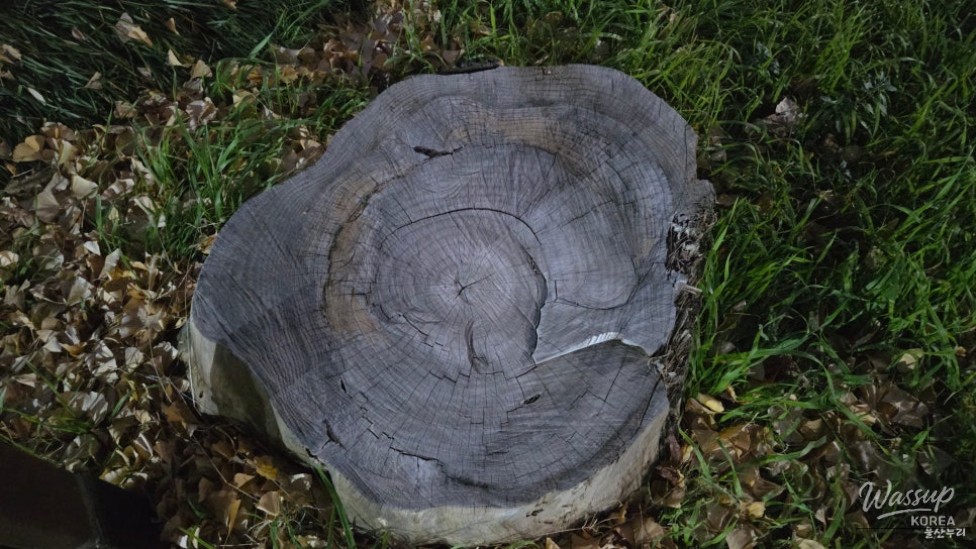
This tree, with only its stump remaining, bears witness to time.
To me, it feels like a house I was chased out of by my mother, with the light inside now a distant glow.
It's a cold, hungry, and sorrowful sensation.
Once, I commuted to school and work, shopped at the market, and traveled from Hogye Station.
Of course, there is Buk-Ulsan Station at the foot of Muryongsan, but the train next to the market had a much more human feel.
As I reminisce about the trains I once filmed, I find myself lost in nostalgia at Hogye Station, a bridge between the past and present.
How about you, dear readers? Visit the lively Hogye Market and take a moment to reflect on the past on the once-bustling tracks?


No comments yet.