Honoring the Loyalty and Integrity Towards King Danjong Against King Sejo



Today, we embark on a historical journey to the sacred site of Geumsung Daegun Shrine located in Sunheung-myeon, Yeongju, Gyeongsangbuk-do.
This site is where the noble spirit of Geumsung Daegun resides, who remained loyal and committed to restoring his nephew Danjong's throne against the tragic usurpation by King Sejo during the Joseon Dynasty.
Shall we begin our transcendent journey through time together?
Information and Parking Guide for Geumsung Daegun Shrine:
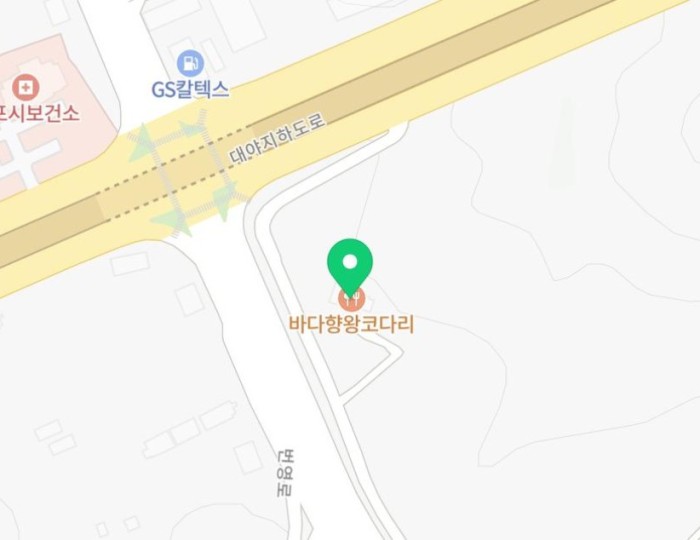
📍 Location: 70 Naejuk-ri, Sunheung-myeon, Yeongju, Gyeongsangbuk-do
🕒 Hours: Open 24/7
* It is recommended to visit before sunset for a better experience of the internal buildings and shrine areas.
✅ Admission: Free
🚗 Parking: Available / Free of charge
- If the parking lot is crowded, you may also use the nearby Sosu Seowon or Seonbi Village large parking areas and enjoy a pleasant walk.
To fully understand Geumsung Daegun Shrine, we must first examine the tragic reign of King Danjong, his uncle Geumsung Daegun, and the major event known as the Gye-yu Jeongnan that shook the politics of the time.
Geumsung Daegun was the sixth son of King Sejong and Queen Sohyeon, making him the uncle of Danjong. In 1453, the Gye-yu Jeongnan instigated by Prince Suyang led to the brutal murder of the court officials supporting Danjong, and even Prince Anpyeong was exiled and executed.
During this turmoil, Geumsung Daegun remained steadfast in his resolve to protect Danjong. Ultimately, after Sejo ascended the throne, Geumsung Daegun was exiled.
In 1456, the first movement to restore Danjong, led by the Six Martyrs, failed, and in 1457, Danjong was exiled to Cheongnyeongpo in Yeongwol, Gangwon-do. To isolate Geumsung Daegun from Danjong and completely cut off his influence, Sejo moved his exile to the remote area of Sunheung-myeon, Yeongju.
In Sunheung, Geumsung Daegun shared deep exchanges with the governor Lee Bo-heum, lamenting the times. They united in their desire to restore Danjong to the throne, secretly preparing for an uprising by gathering local scholars and soldiers.
However, in the fall of 1457, their plans were leaked. Sejo ordered a thorough crackdown, leading to the event known as the Jeongchuk Incident.
As a result, Geumsung Daegun was transported to Andong and executed, while Lee Bo-heum was also exiled to Bakcheon and later executed. Many scholars and citizens of Sunheung who participated in the uprising were brutally massacred, and it is said that their blood flowed down the Jukgyecheon River for miles.
Sejo completely abolished the Sunheung district, erasing it without a trace, leading to a tragic period where the area remained desolate for over 200 years until it was restored during the reign of King Sukjong.
As time passed and Danjong was restored to the throne during Sukjong's reign, extensive rewards and memorial projects for those who sacrificed themselves for Danjong were initiated. In 1683, the Sunheung district was re-established, and the local scholars sought to create a space to honor the spirits of Geumsung Daegun and Lee Bo-heum.
They found the site where Geumsung Daegun had been exiled and built a 'Shindan' to honor his spirit, as he had no grave. Named 'Yeongju Geumsung Daegun Shindan,' it is now designated as Historic Site No. 491 and is preserved at a national level.
This place transcends the concept of a simple shrine, symbolizing the dedication to the highest Confucian values of loyalty and righteousness against unjust power.
As visitors enter, they are greeted by detailed information and banners related to the film 'The King and the Man.' There is a modern resurgence in interest surrounding Geumsung Daegun Shrine, encouraging visitors to deeply reflect on the values of loyalty and integrity that transcend time.
Upon entering the shrine's main gate, you will first encounter the building where officials and scholars prepared for rites. The wooden pillars and earthen walls echo the depth of history, creating a solemn yet peaceful atmosphere.
As you sit on the long porch, you can almost feel the unwavering resolve of the Sunheung scholars who risked their lives for loyalty.
The final gateway to the core space of the shrine is the inner gate, adorned with vibrant colors and the prominent symbol of the Samtaegeuk. Passing through this gate leads to the holiest area where the spirits of the martyrs are enshrined.
Beyond the inner gate, three altars and stele are lined up on a spacious lawn. Unlike typical shrines, Geumsung Daegun Shrine features a unique architectural layout centered around the altar, reflecting its significance as an exile site.
A large stele recording the deeds and loyalty of Geumsung Daegun stands proudly on the green grass, surrounded by stone altars honoring loyal subjects. Each character engraved on the stele embodies noble loyalty and integrity that transcends time.
The central altar honors Geumsung Daegun, who sacrificed himself for Danjong's restoration; the right altar honors Lee Bo-heum, the governor of Sunheung; and the left altar honors the spirits of countless righteous figures from Sunheung who suffered during the Jeongchuk Incident.
The arrangement of these three altars visually represents the noble community spirit that united individuals regardless of status, bound solely by 'loyalty.'
Currently, Yeongju City is promoting a significant 'surrounding maintenance project' to further publicize the historical value of Geumsung Daegun Shrine and provide visitors with a more pleasant and enriching experience.
Just a five-minute walk from the shrine are the Sosu Seowon, the first Confucian academy in Korea, and Seonbi Village, where visitors can experience the lives of scholars, making it an ideal historical exploration course.
How was your visit to Yeongju's Geumsung Daegun Shrine? It was a poignant experience reflecting on the life of Geumsung Daegun, who stood firm in his beliefs against the harsh sword of power, and the loyalty of countless Sunheung citizens. I sincerely recommend visiting this significant historical site with your family or loved ones to walk along the scenic stone walls and encounter this great history of loyalty.
Source :https://blog.naver.com/gyeongbuk_official/224314029114
No comments yet.