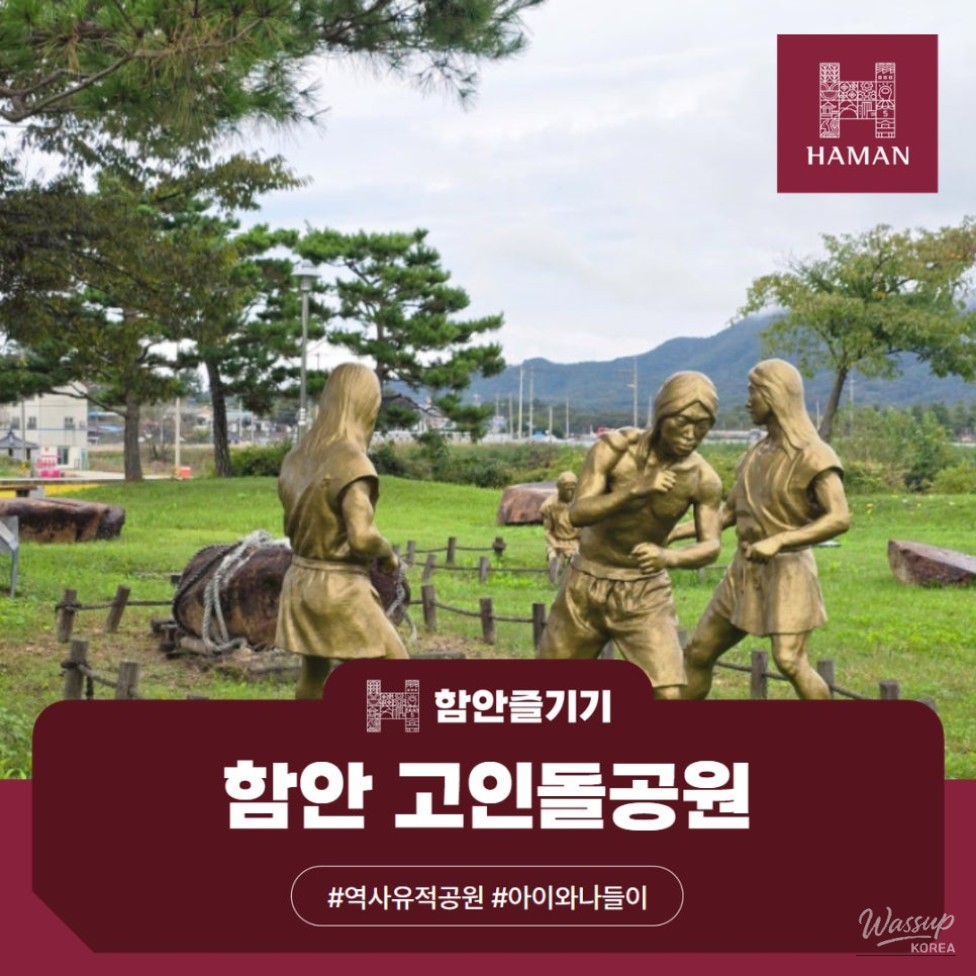
Haman Dolmen Park: A Historical Site for Families in Gyeongnam



By 14th SNS Reporter Park Hyun-sook
Haman Dolmen Park: A Great Place to Visit with Kids in Haman, Gyeongnam
Haman Dolmen Park: Embracing History
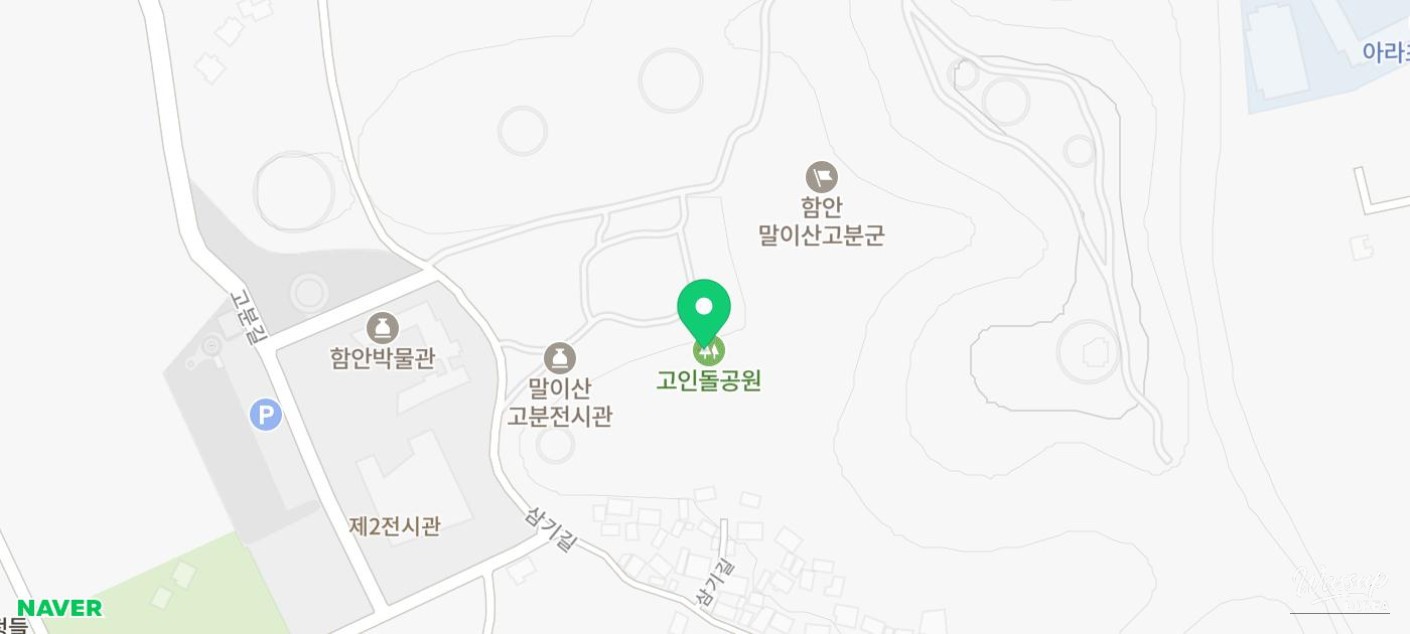
Address: 579 Dohang-ri, Gaya-eup, Haman-gun, Gyeongsangnam-do, South Korea
Admission: Free
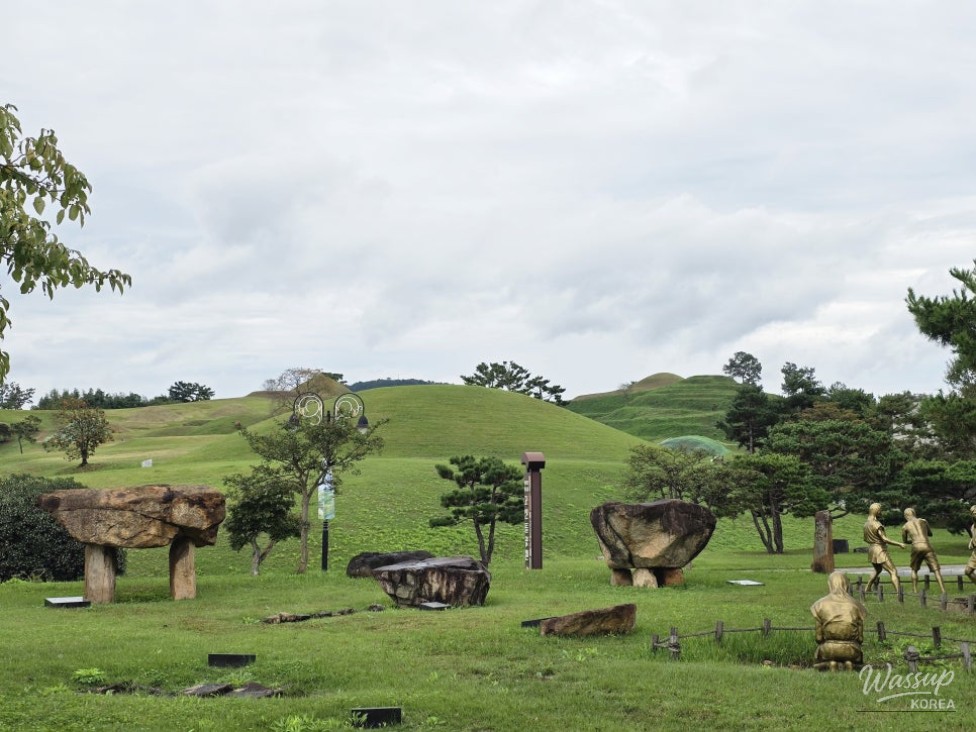
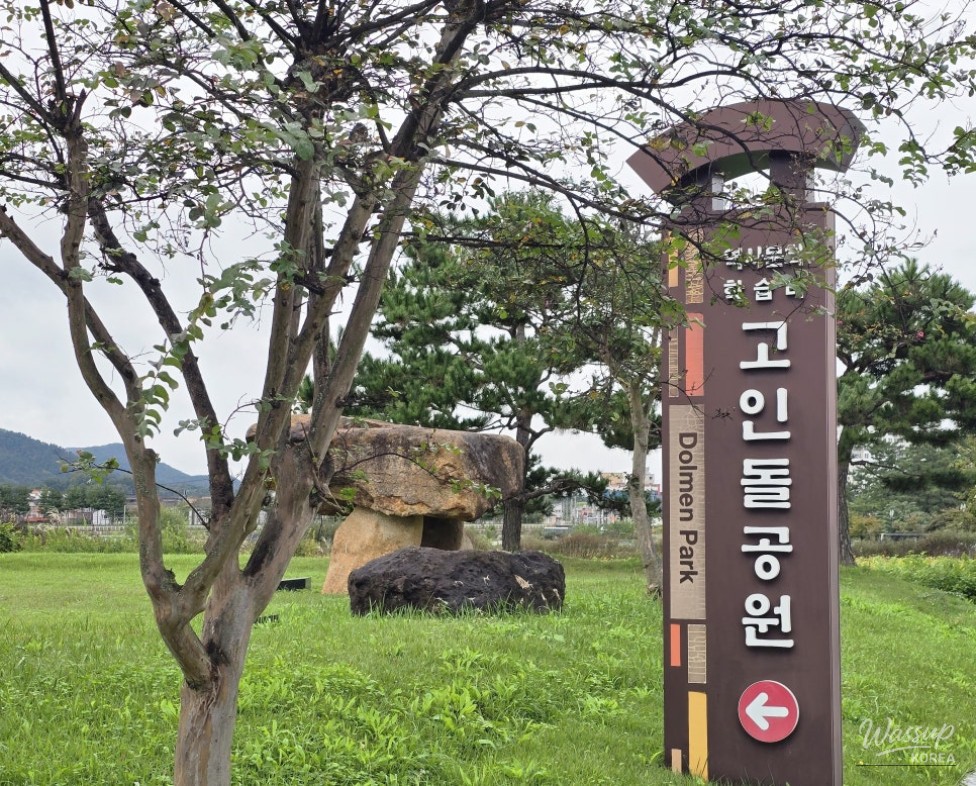
I visited Haman Dolmen Park, located in Dohang-ri, Gaya-eup, Haman-gun, Gyeongsangnam-do. In October, the rice fields of Haman were turning golden, and the unpredictable rain clouds characteristic of autumn weather came and went. The park offered a serene atmosphere with its blend of green pine trees and grass. It's a historical site where you can see the tomb culture and traces of life from the Bronze Age at a glance, and a cultural space where nature and historical education come together.
Haman Dolmen Park was created around the Haman Dohang-ri Dolmen Group, where more than 200 dolmens have been identified. Dolmens are giant stone tombs built by prehistoric people as tombs for ancestors or the ruling class, and are important relics that allow us to estimate the social structure, beliefs, and technological level of the time.
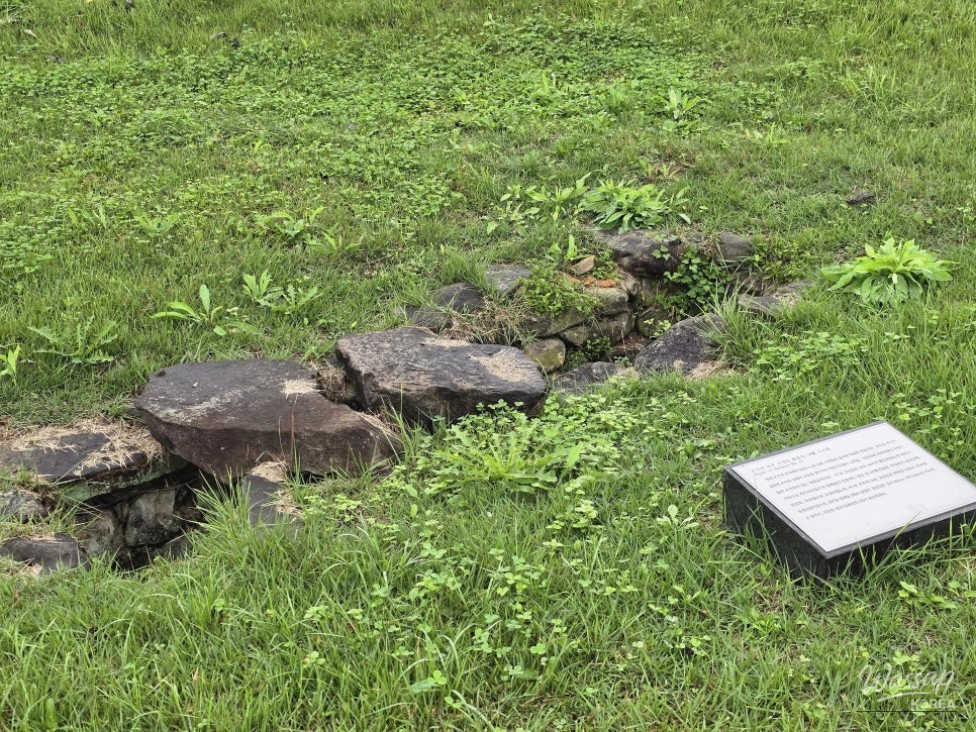
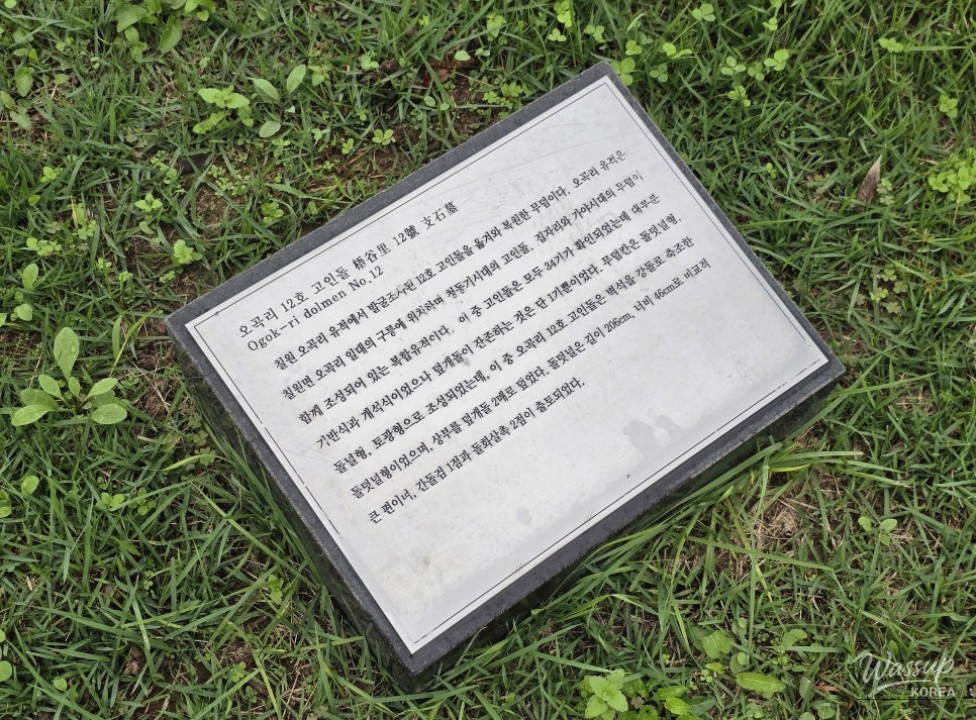
Haman Dolmen Park features the relocated and restored 'Chilwon Ogok-ri Dolmen No. 12'. This dolmen is a tomb from the Bronze Age, originally excavated from the hilly area of Ogok-ri, Chilwon-myeon. It is a complex site where dolmens, house sites, and Gaya-era tombs were found together.
A total of 34 dolmens were identified in the Ogok-ri area, most of which were table-style and base-style structures, but only one had its capstone fully intact. Among them, Dolmen No. 12 has a stone-lined structure with walls made of strong stones, and two capstones are placed on top. The size of the stone coffin is relatively large, about 206cm long and 46cm wide, and one polished stone sword and two stone arrowheads were excavated from the inside. These excavated artifacts provide important clues for understanding the funeral customs and social hierarchy of the time.
The dolmens in this area are academically valuable because they include various types such as table-style dolmens, base-style dolmens, standing stone-style dolmens, and petroglyph dolmens, which are representative forms of southern Korea. These diverse forms show not only structural differences in tombs but also differences in customs, social class, and consciousness of each region.
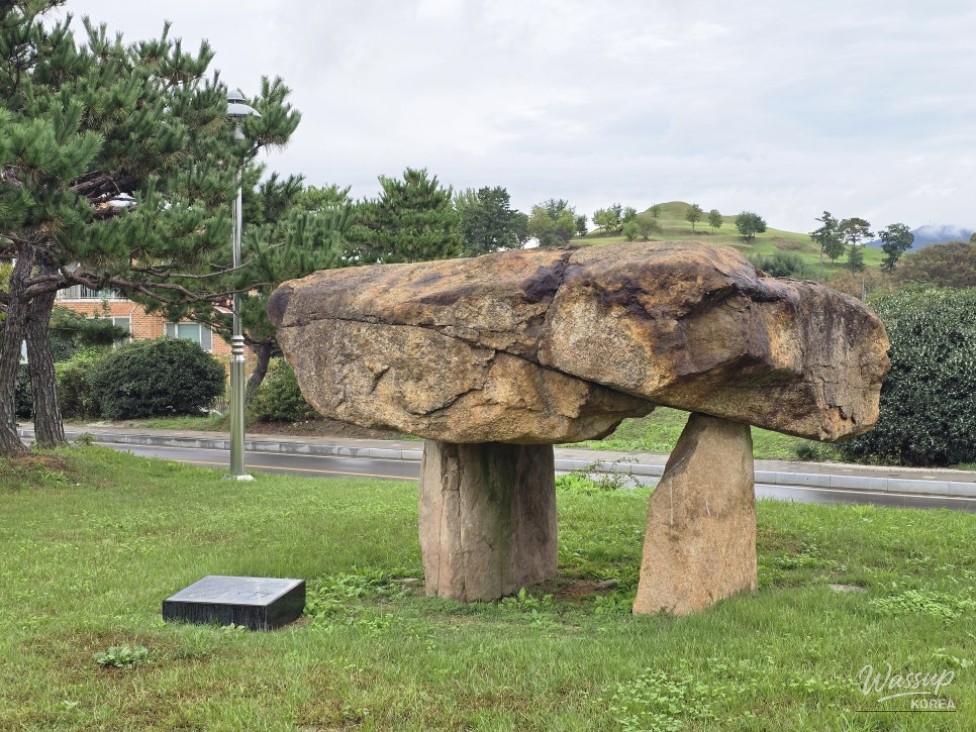
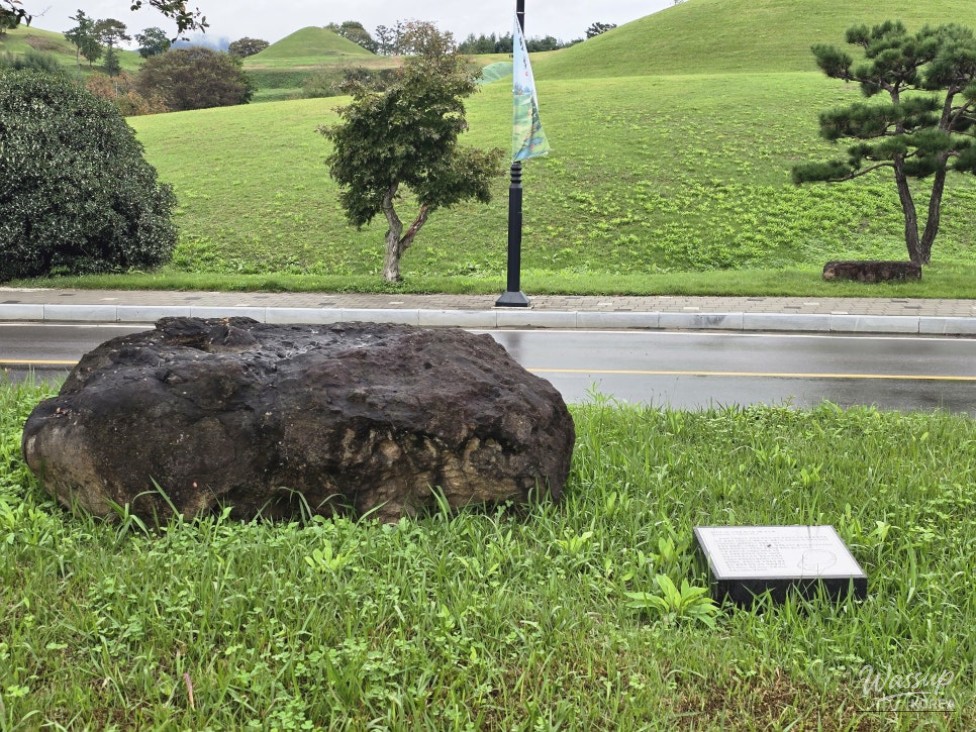
First, the table-style dolmen has a large capstone placed on several supporting stones, so it is named because it looks like a table. It is mainly found in the southern region, and you can see a relatively complete table-style dolmen in Haman. It is considered a tomb of the ruling class in the Bronze Age.
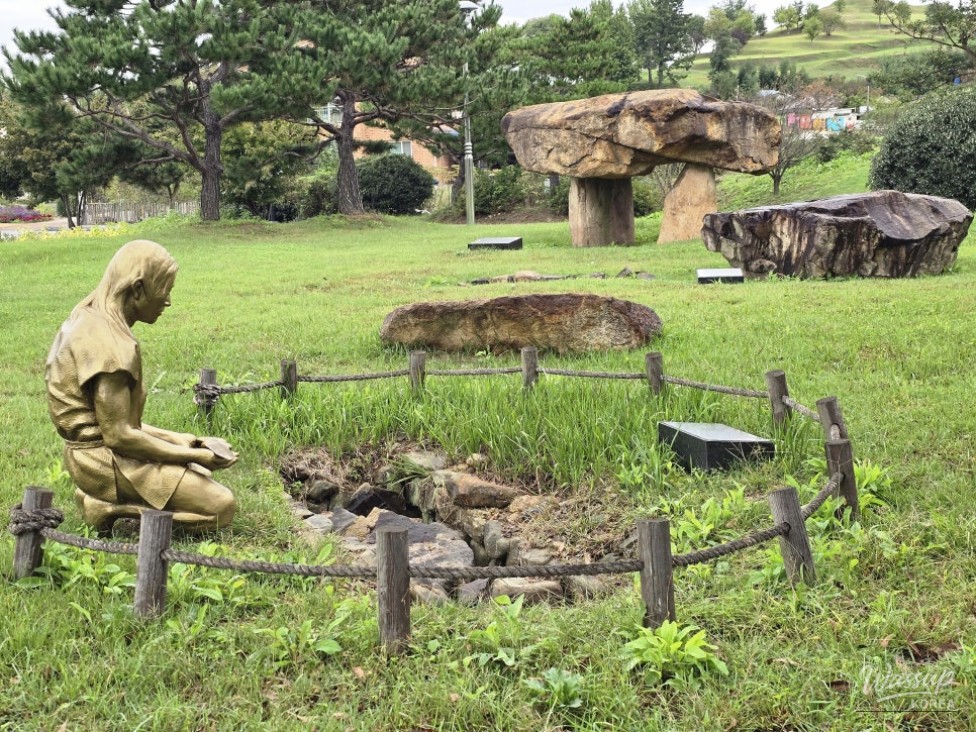
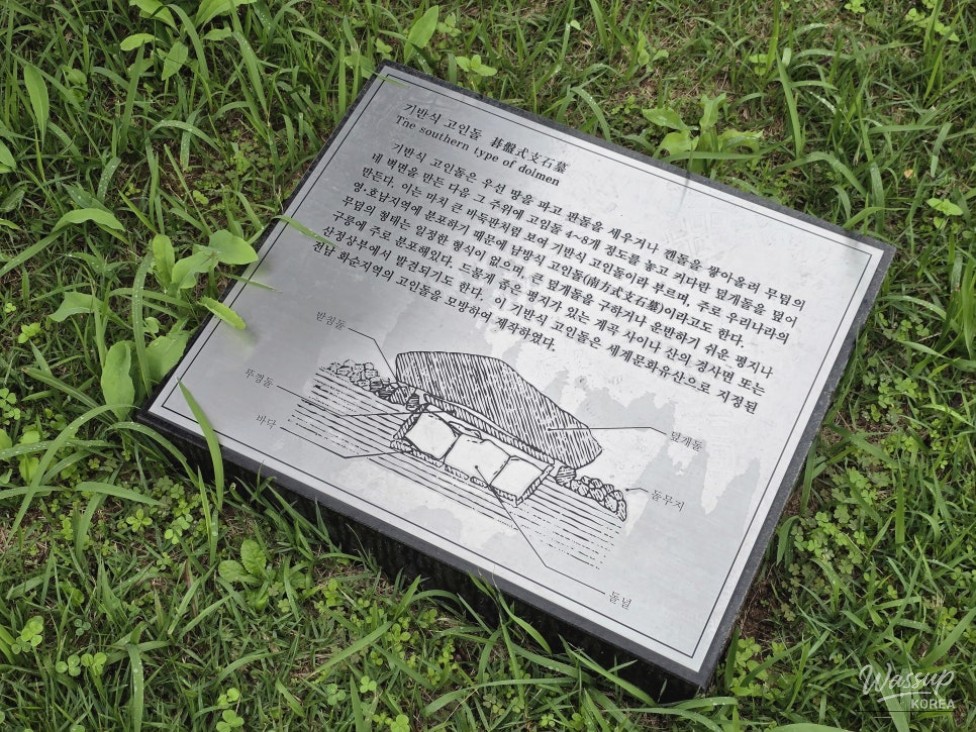
The base-style dolmen has a structure in which the burial chamber under the capstone is prepared below the ground. After digging a deep hole in the ground to enshrine the body and burial goods, a large stone is placed on top. This method requires less labor and is practical, so it is presumed to be the tomb of the common people. You can also find this type of dolmen at Haman Dolmen Park.
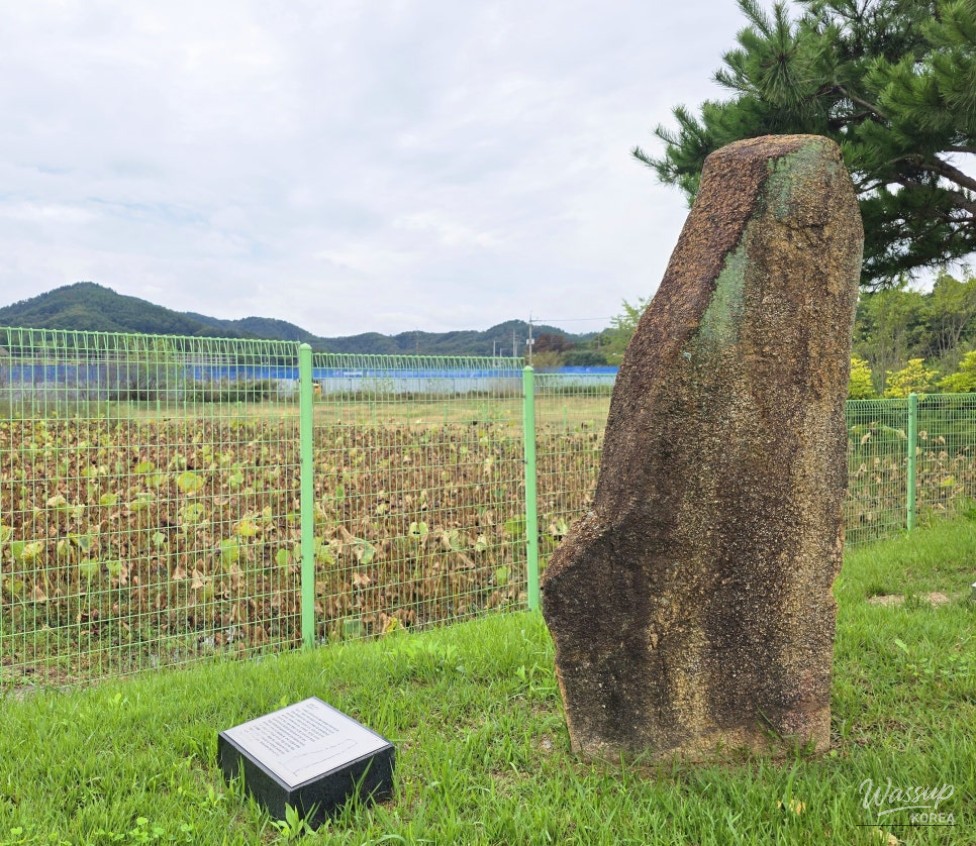
In addition, unlike other dolmens, the standing stone-style dolmen has a structure in which a single large stone pillar (in the form of a monument) is erected as a symbol of the tomb. It is interpreted as a symbol of commemorating the dead or having ritualistic meaning rather than the tomb itself. In some ruins of Haman, standing stones are placed next to dolmens, indicating that rituals and funerals were performed at the same time.
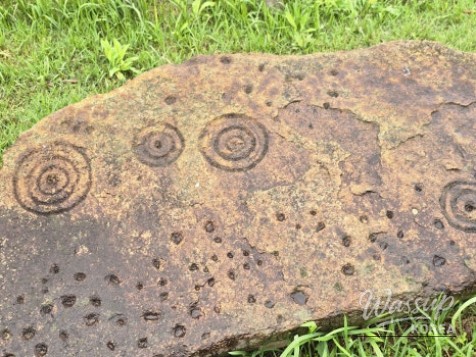
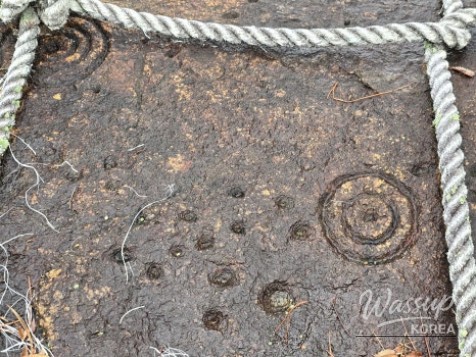
An interesting form is the petroglyph dolmen. This is a dolmen with patterns or symbols engraved on the surface of the capstone, including human faces or bodies, hunting scenes, concentric circles, and geometric patterns such as rhombuses. It is said that the petroglyphs found on the capstone of the Daho Dolmen in Dohang-ri, Haman, have many cup marks and eight concentric circle patterns.
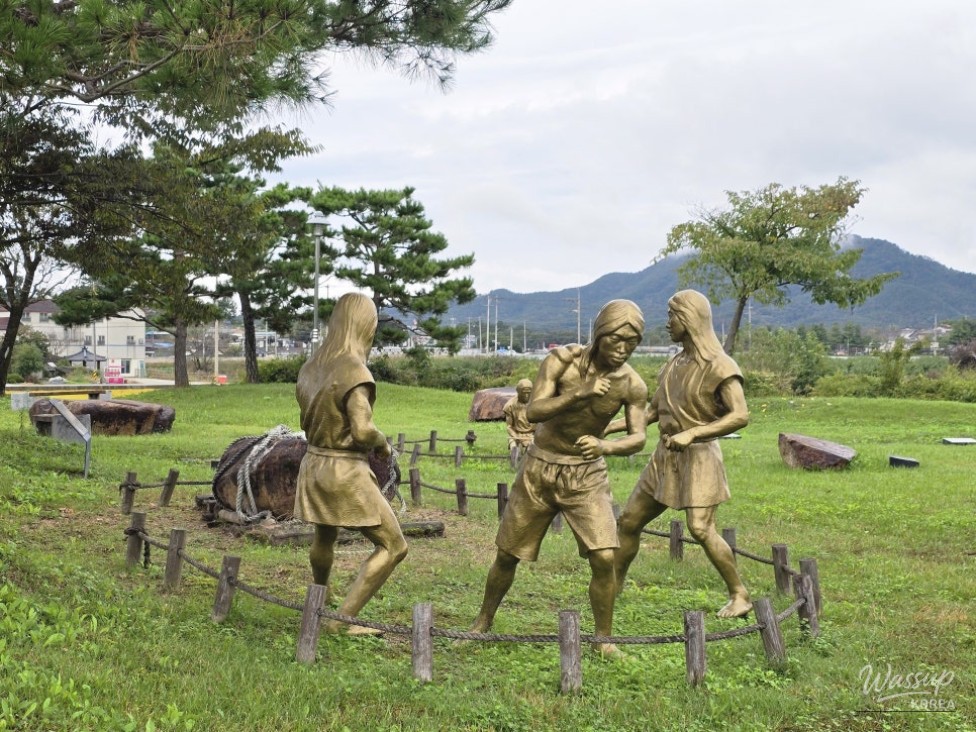
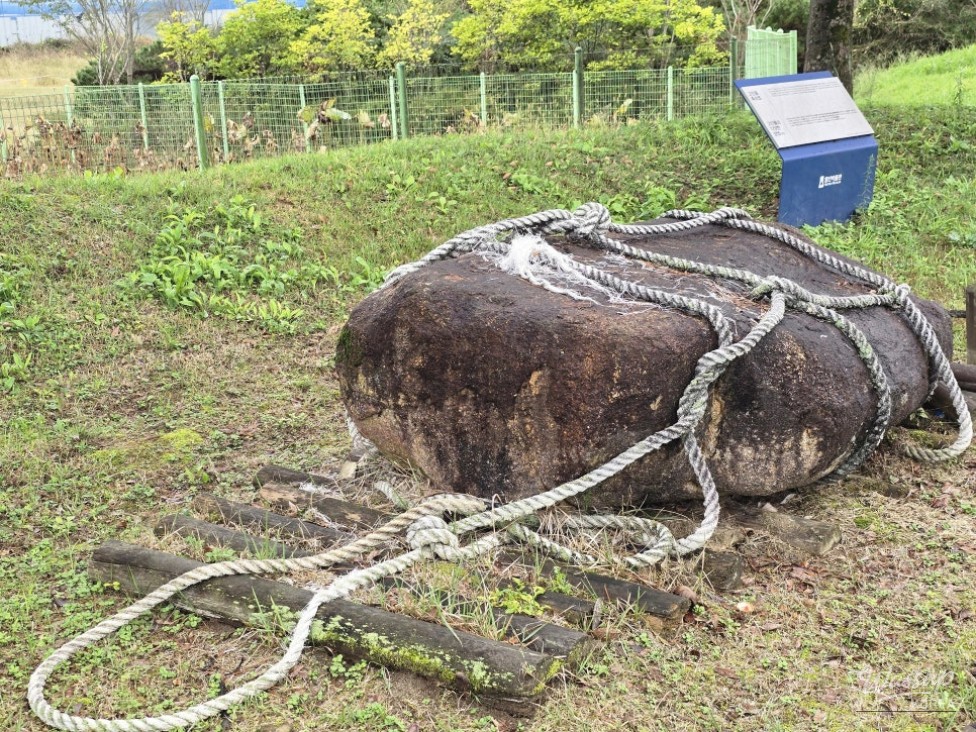
The construction process of the dolmens was very precise. Wooden levers, rollers, and ropes were used to transport large stones, and the center of gravity was carefully calculated to stably place the capstone on the supporting stones. This high level of technology is evaluated as evidence of the community's cooperation and social organization at the time. This process is amazing and impressive every time I see it.
There are various burial methods in dolmens. Representative examples include direct burial, where the body is laid directly in the pit, stone coffin burial, where the body is laid in a stone box, and earthen burial, where the body is covered with soil and then covered with stones. Traces of cremation (burial after burning) have also been found in some dolmens, indicating that various funeral cultures already existed in the Bronze Age.
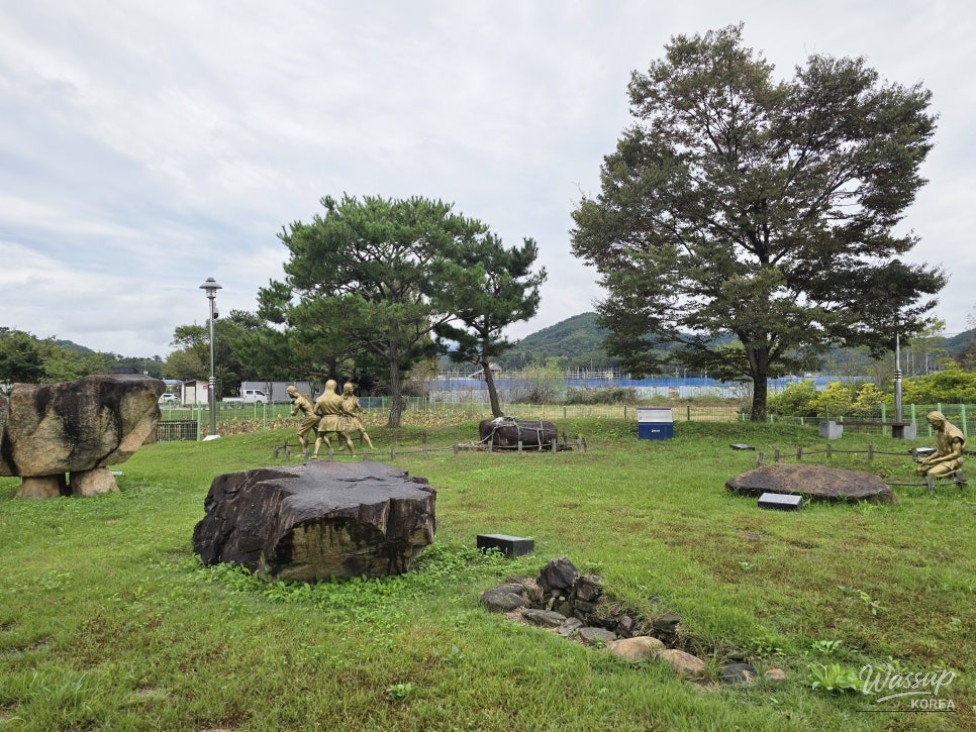
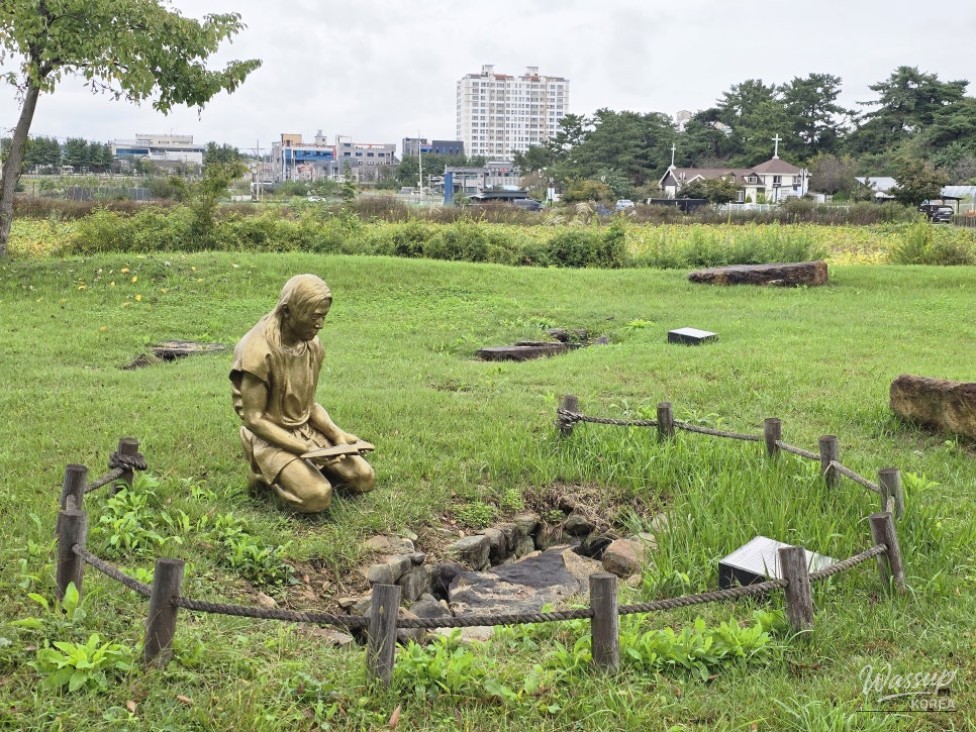
Haman Dolmen Park has these various dolmen forms and construction methods restored and displayed on the actual site. The information boards introduce the structure and meaning of each dolmen with photos, so even visitors without historical knowledge can easily understand it. It's like going back in time and concentrating while imagining the past.
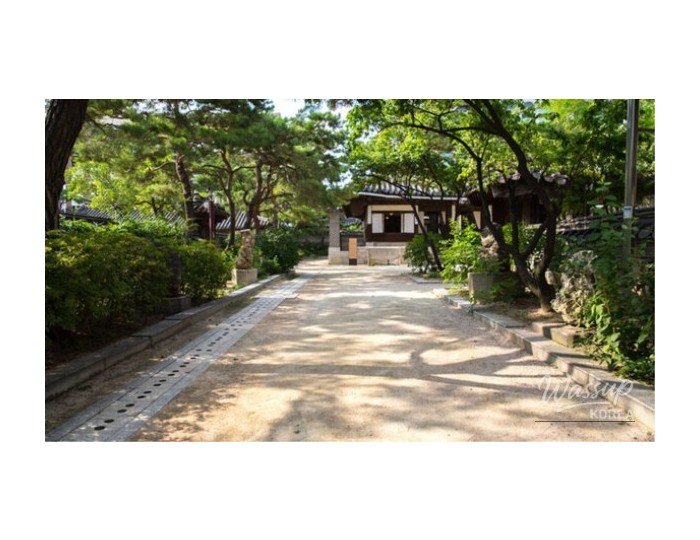
The park is not large or fancy, but it consists of gentle walking trails, so seniors and children can walk without difficulty. The scenery created by the green pine forest path and dolmens creates a unique atmosphere where vitality is felt even in the midst of tranquility.
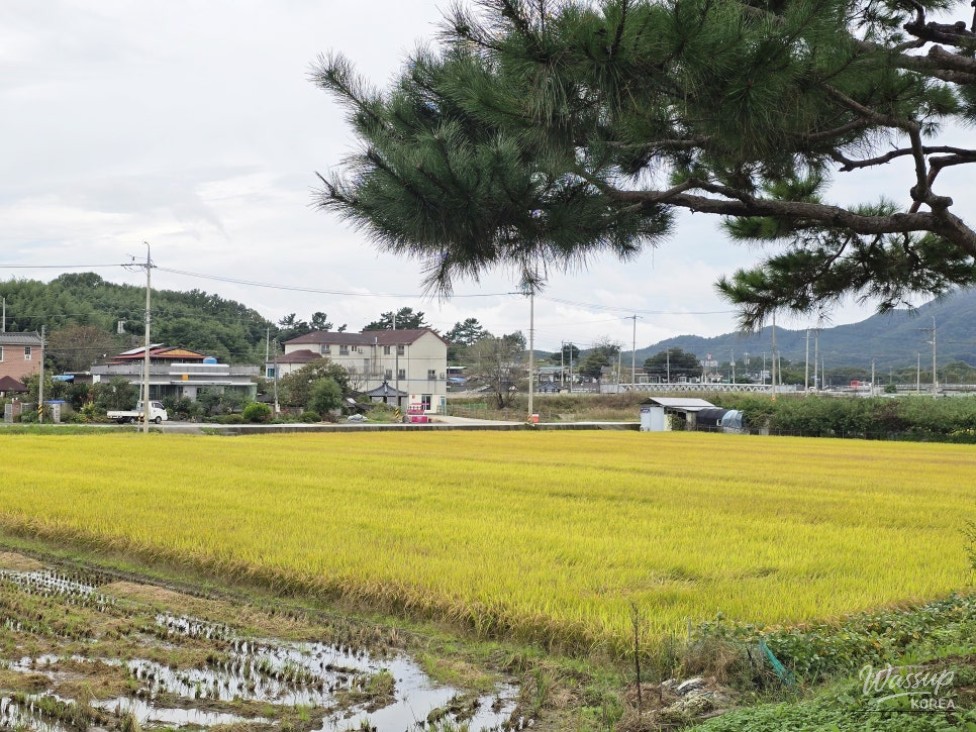
In October, Haman Dolmen Park is centered on green grass and pine trees rather than autumn foliage, but the surrounding area is endlessly filled with golden rice paddies. The scenery of green and gold together gives the impression that the ancient and the present coexist.
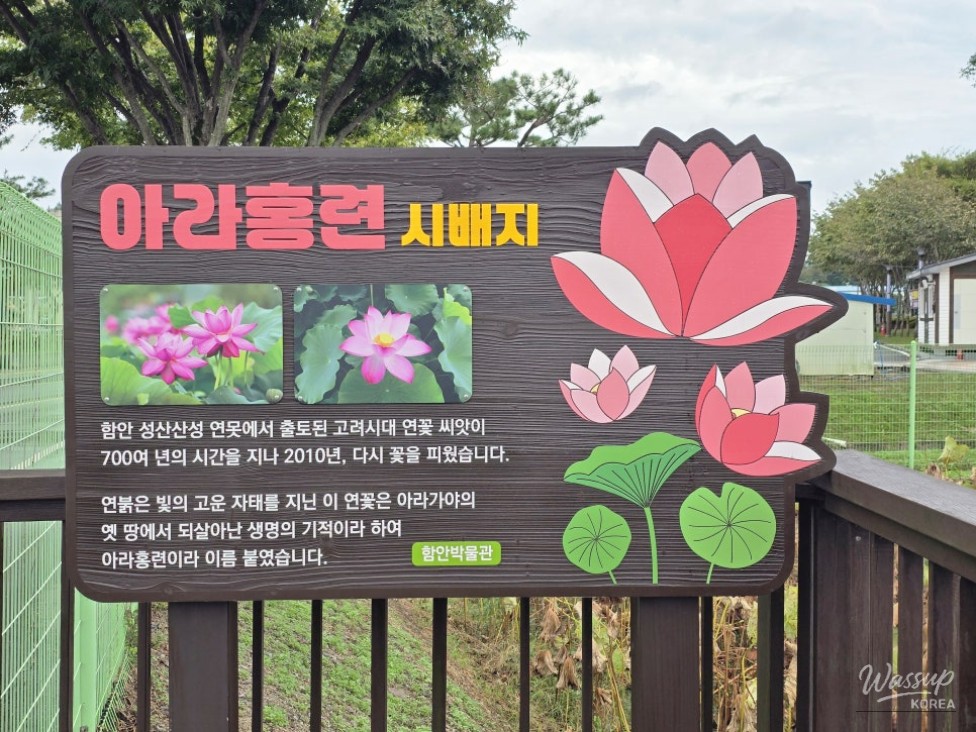
Next to Dolmen Park is Ara Hongnyeon Sibaetji, another famous place that is good to visit together. It is the site of a miracle where lotus seeds that had been sleeping underground for 700 years germinated and Ara Hongnyeon bloomed again, becoming a symbol of Haman's history and life.
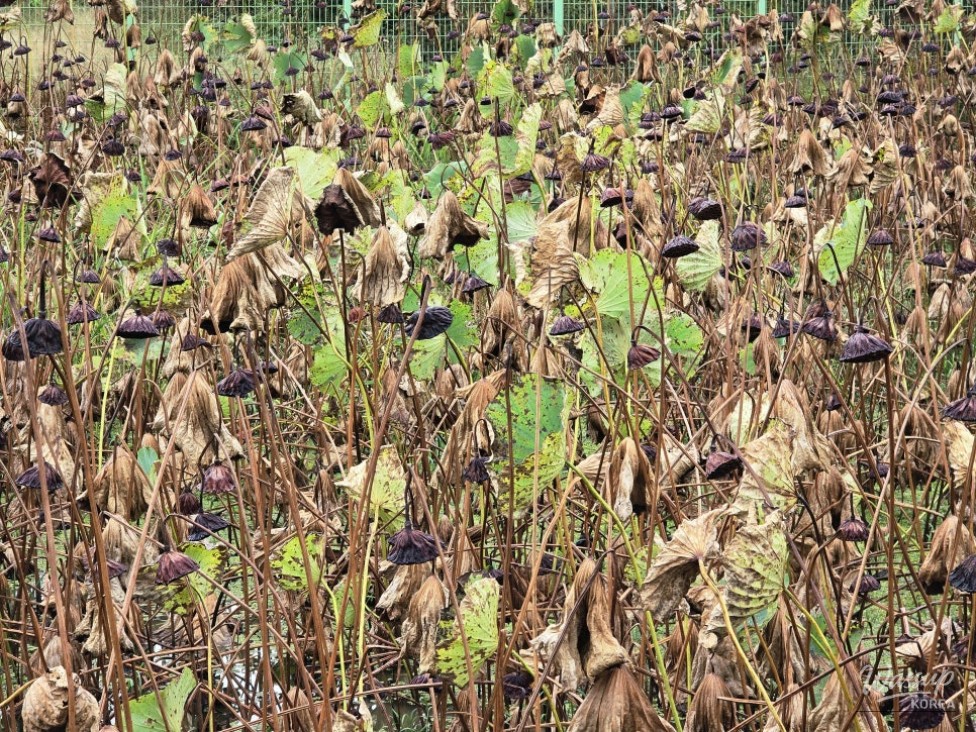
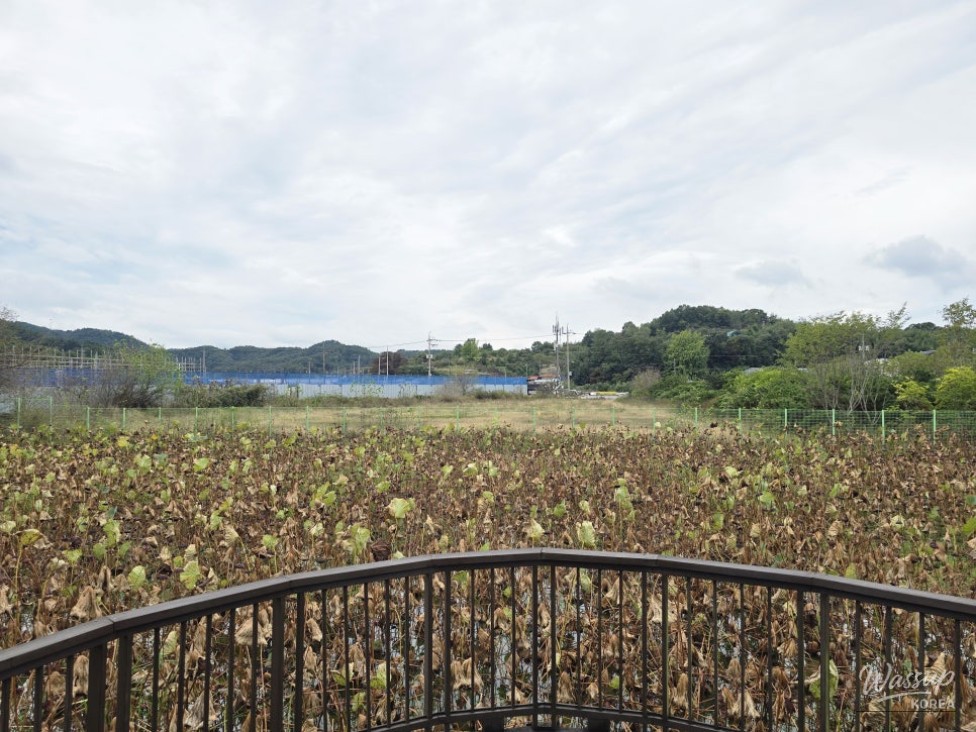
In October, the Ara Hongnyeon Sibaetji already has dry lotus leaves swaying in the wind in place of the flowers that have fallen, creating a lonely beauty. The splendor of summer has disappeared, but the scenery of dry lotus leaves harmonized with the autumn atmosphere leaves an even deeper impression.
This place is also popular with photographers. The composition created by the dry lotus leaves, the calm surface of the water, and the fields of Haman in the distance is as calm and neat as a landscape painting. You can take atmospheric photos even with your smartphone.
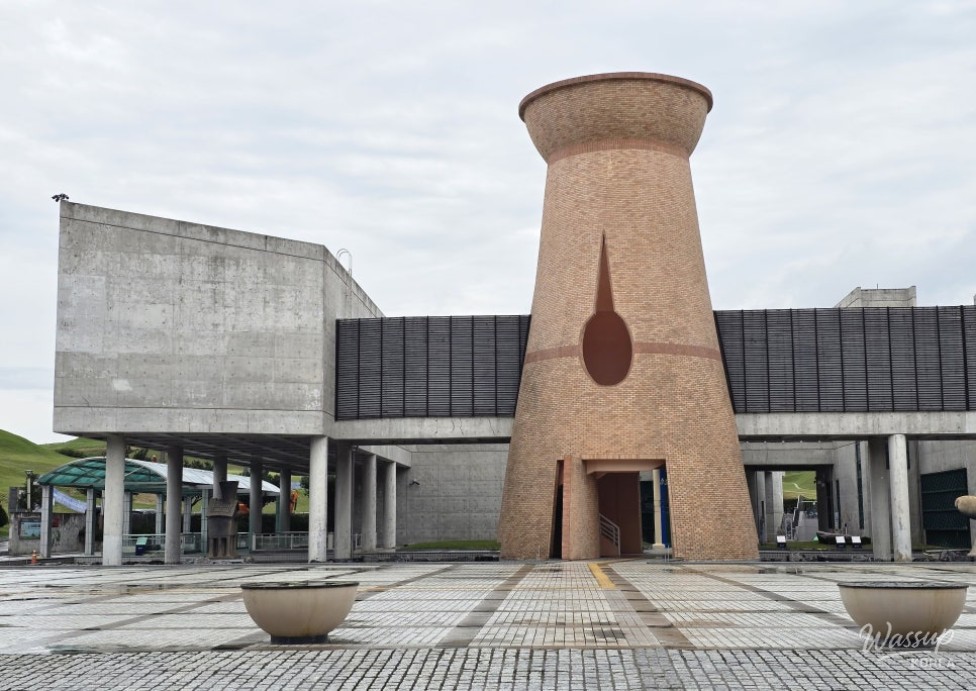
If you have finished touring Dolmen Park and Sibaetji, it is also a good idea to head to the Haman Museum. You can systematically examine the long history of Haman through Bronze Age artifacts, pottery, and restored models of Gaya-era ruins in the Haman area.
Under the October sun, Haman Dolmen Park, with its blue grass and golden rice paddies, is a space where nature and history quietly coexist. The grandeur of the dolmens, the vitality of Ara Hongnyeon, and the deep historical stories of the Haman Museum all come together here, making it the best autumn travel destination to stop for a while and enjoy a walk into the past.

Source :https://blog.naver.com/arahaman/224054051926
No comments yet.