Exploring Ulsan Onggi Museum: A Perfect Indoor Destination



On hot days when outdoor activities become challenging, where is a good indoor travel destination in Ulsan?
A perfect half-day trip is to 'Oegosan Onggi Village'.
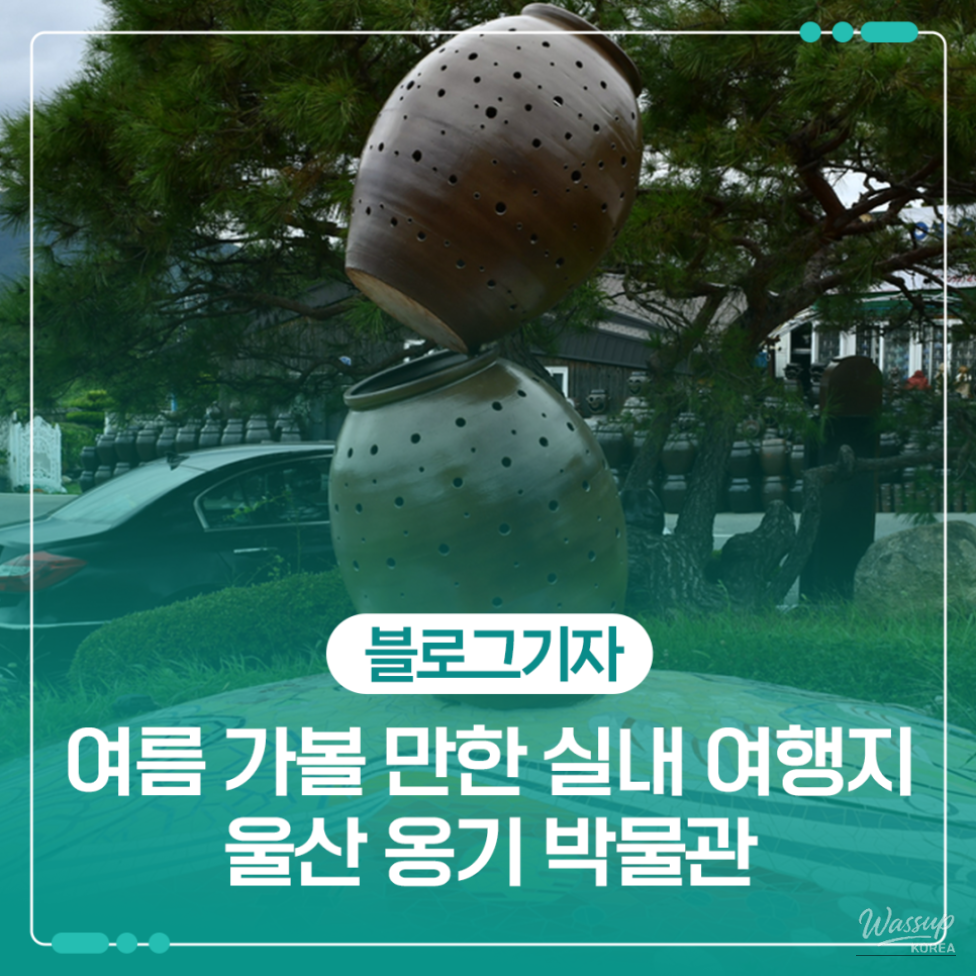
Today, I would like to introduce the Ulsan Onggi Museum.
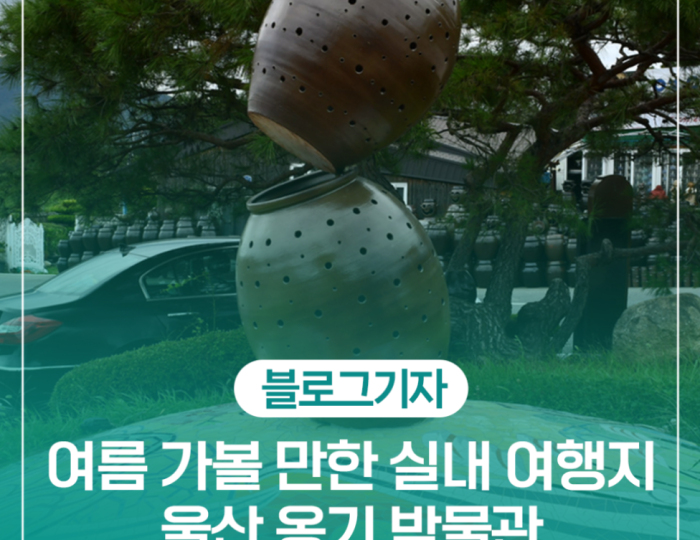
The Ulsan Onggi Museum is located in Oegosan Onggi Village, the largest collection of traditional Korean Onggi pottery in the country. It is a first-class specialized museum that showcases the history and culture of Onggi.
Shhh~ There is even the world's largest Onggi, recognized by Guinness!
Traditional Onggi embodies the wisdom of our ancestors, although it is not used as much today.
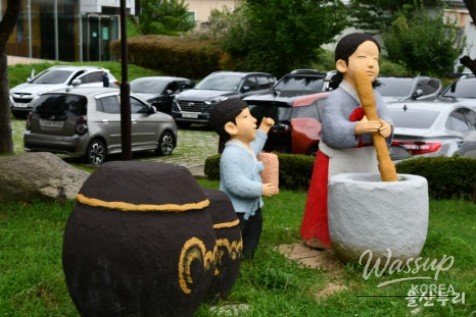
At the Ulsan Onggi Museum, you can see various Onggi and learn about the wisdom of our ancestors who used them to store various sauces and side dishes.
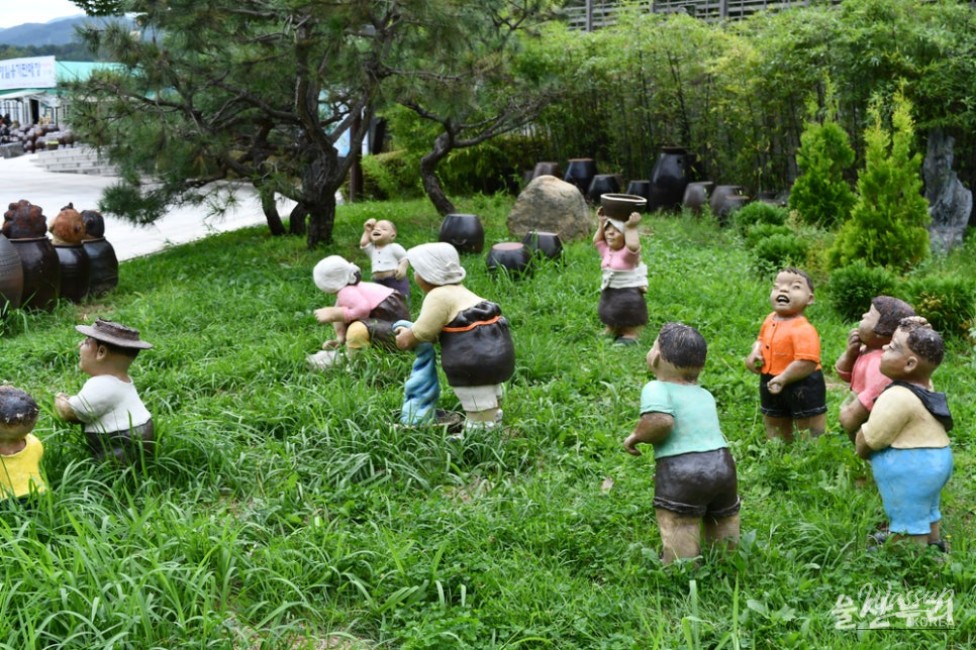
This is a great place to visit with children.
In addition to the Ulsan Onggi Museum, Oegosan Onggi Village also features the Onggi Academy, Fermentation Academy, and Ulju Folk Museum. You can participate in experience programs through online reservations.
The Onggi Academy is currently accepting applications for the Make Your Own Onggi Pot program, priced at 7,000 KRW per person.
The Onggi Village Children's Experience Space, Onggi Imagination Playground, is available on the first floor of the Onggi Academy, free of charge. It can accommodate individuals and groups, with reservations for up to 20 people per session.
Onggi is a yellow-brown glazed vessel used for storing food and has also been used as coffins.
The museum building is designed in the shape of a traditional jar. The exterior features striped wall tiles, and the path to the first and second floors mimics the slope of traditional Onggi kilns.
The exhibition halls are organized around the culture of Onggi, showcasing past, present, and future spaces. It is an educational space where you can learn about the characteristics of Onggi from different regions.
Onggi shapes vary according to their uses. During the Goryeo Dynasty, large jars were used for storing rice and sauces, as well as vinegar and drinking water. Onggi has been widely used due to its breathability, storage, fermentation properties, and economy.
Onggi exhibits different characteristics depending on the maker and the natural environment. The shapes differ based on coastal, mountainous, and plain areas, with regional variations being a notable feature.
✨ In Gyeonggi Province, the shape is tall and slender relative to its height.
✨ In Chungcheong Province, the mouth and base diameters are nearly identical, with a long neck and a narrow opening, appearing straight from top to bottom compared to southern regions.
✨ In the inland areas of Gyeongsang Province, Onggi has well-developed shoulders and bellies.
✨ In other regions, the entire body is egg-shaped. A common feature of Gyeongsang Onggi is its small base diameter and relatively narrow mouth diameter compared to other regions.
✨ Jeolla Province has developed plains, resulting in a crescent-shaped jar with soft curves and a wider mouth diameter than base diameter.
✨ Jeju Island's geology is formed from volcanic soil, which limits Onggi production due to iron content. Thus, smaller Onggi developed that are convenient for carrying or storing small amounts of water.
The Ulsan Onggi Museum displays Onggi that reflect these regional characteristics.
As the new school semester began in March, we are now about 100 days into it, and the upcoming summer vacation starting in July is eagerly awaited.
If you're looking for experiential learning places mentioned in textbooks before the end of the first semester, this is a recommendation!
Ulsan Onggi Museum is a cool indoor destination to visit during hot weather. How about visiting this weekend with your child?
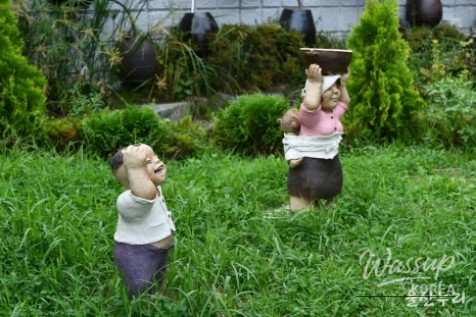
Here are some images from the museum:
Source :https://blog.naver.com/ulsan_nuri/224312969959
No comments yet.