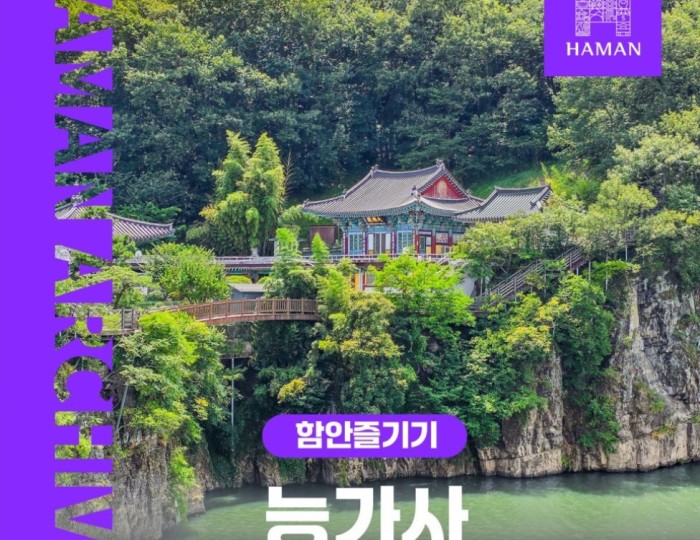
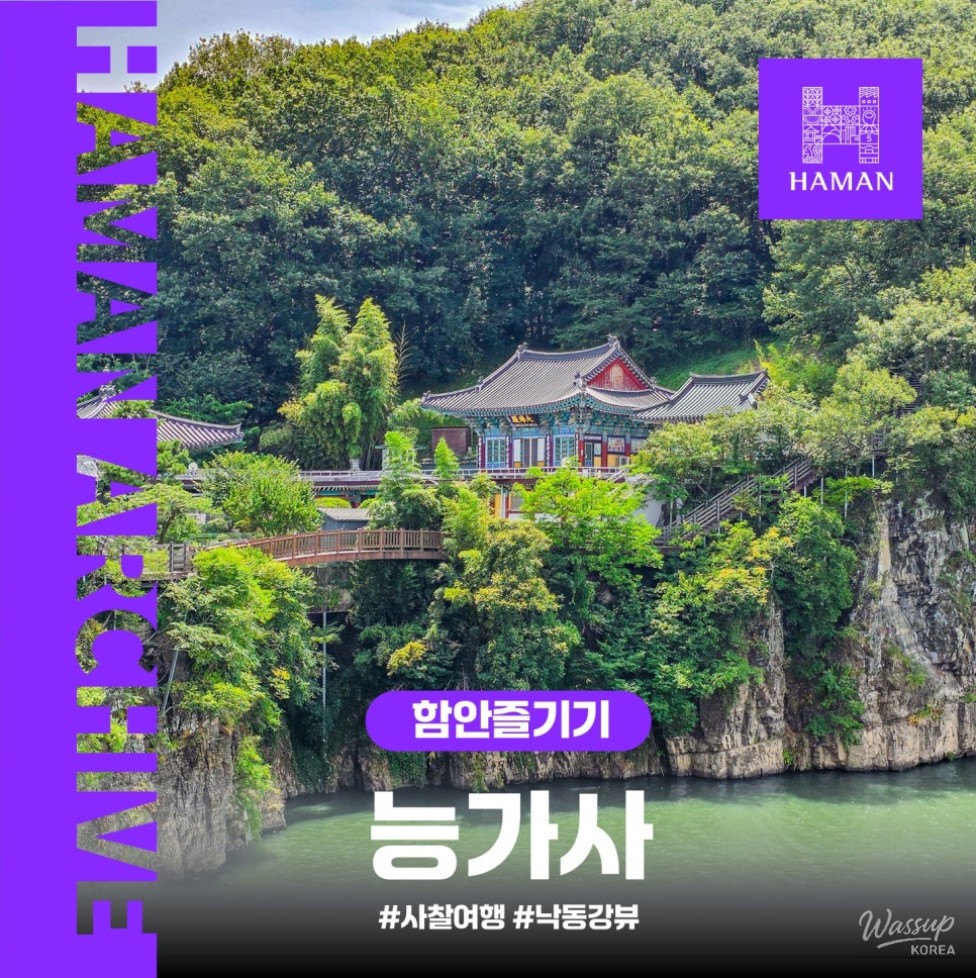
Exploring the Serenity of Nungasa Temple



Kim Myung-hoon, SNS Reporter, 15th Term
Nungasa Temple
Address: 107 Gye-nae 1-gil, Chilseo-myeon, Haman-gun, Gyeongsangnam-do
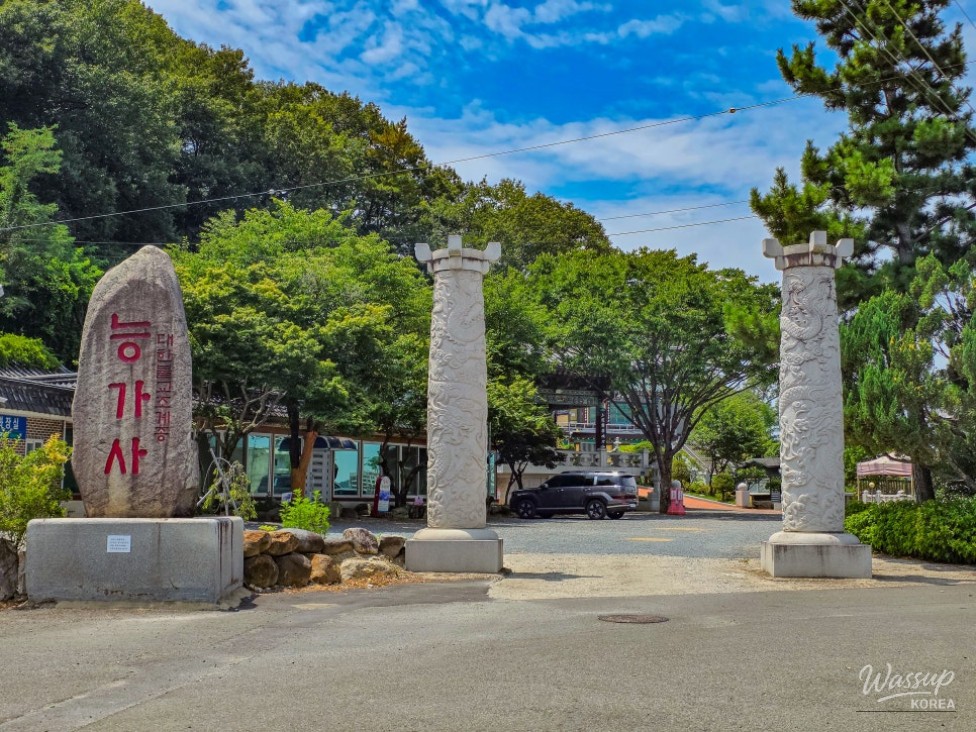
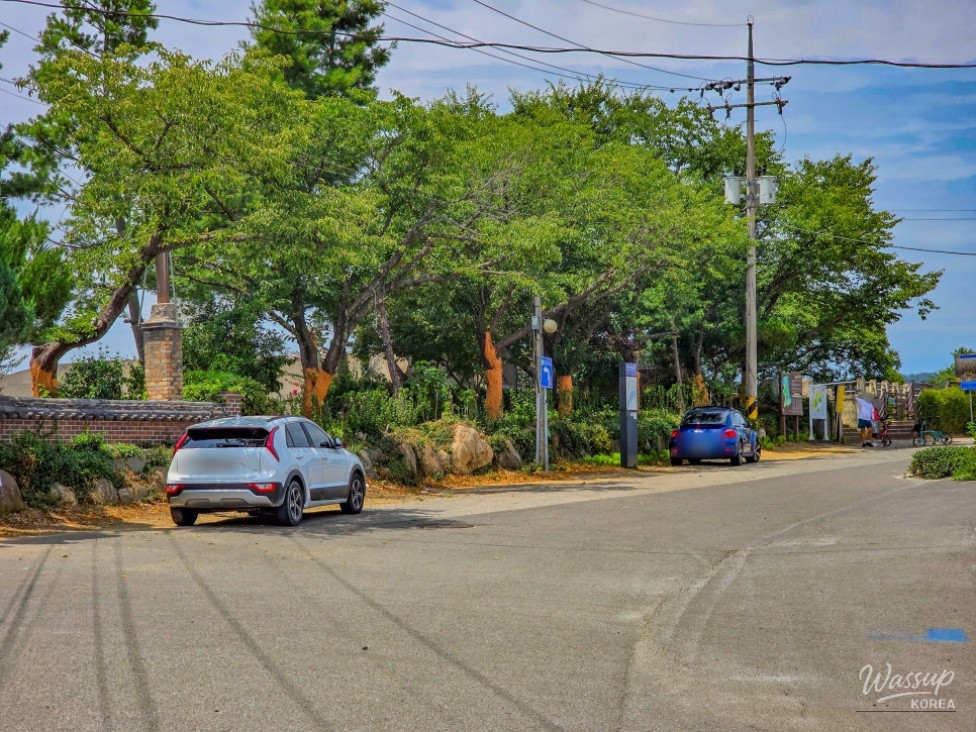
Parking: Next to the entrance of Nungasa Temple
Are you looking for a quiet travel destination where you can take a break from the summer heat?
Nungasa Temple, a serene temple located on the slopes of Yonghwa Mountain in Chilseo-myeon, Haman-gun, offers a breathtaking view of the Nakdong River.
Founded in the early 1900s, Nungasa is affiliated with Haeinsa, the headquarters of the 12th district of the Korean Buddhist Jogye Order.
This place, rich in beautiful landscapes and historical and cultural value, is worth a visit.
Since there is no dedicated parking lot at Nungasa, you can park your car along the roadside next to the temple entrance.
Nungasa is not only a temple but also a great place to enjoy the surrounding nature.
On the day I visited, the weather was lovely, making it perfect for capturing photos of the lush greenery and the temple.
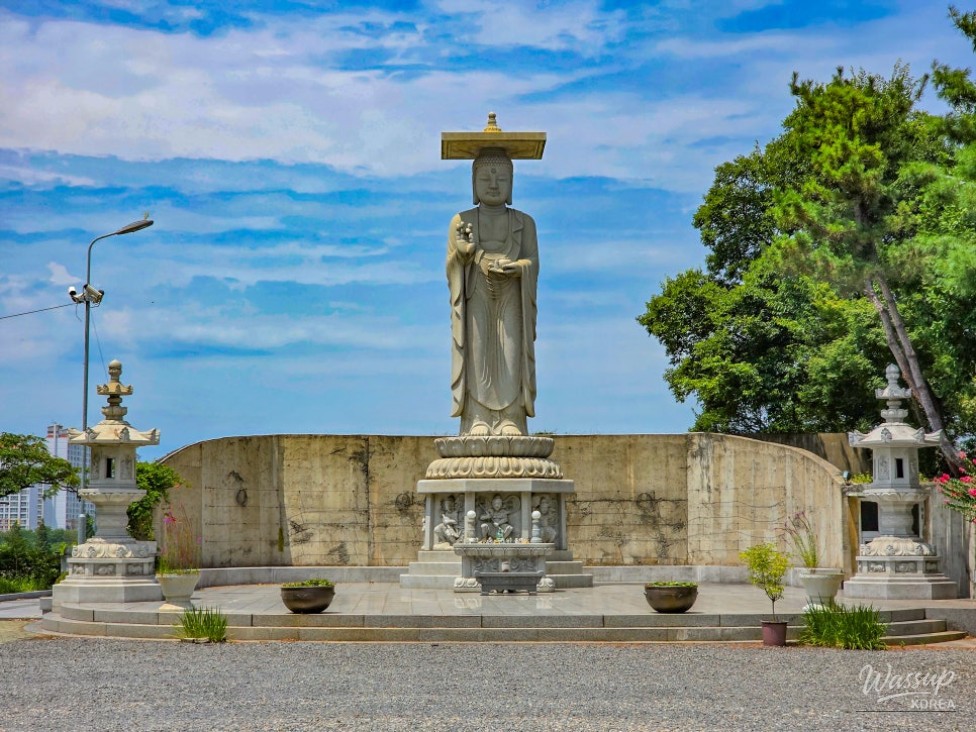
Upon entering the temple, the first thing that catches your eye is the stone statue of the Medicine Buddha, enshrined in 1999, which is believed to heal illnesses and pray for the health and peace of all beings.
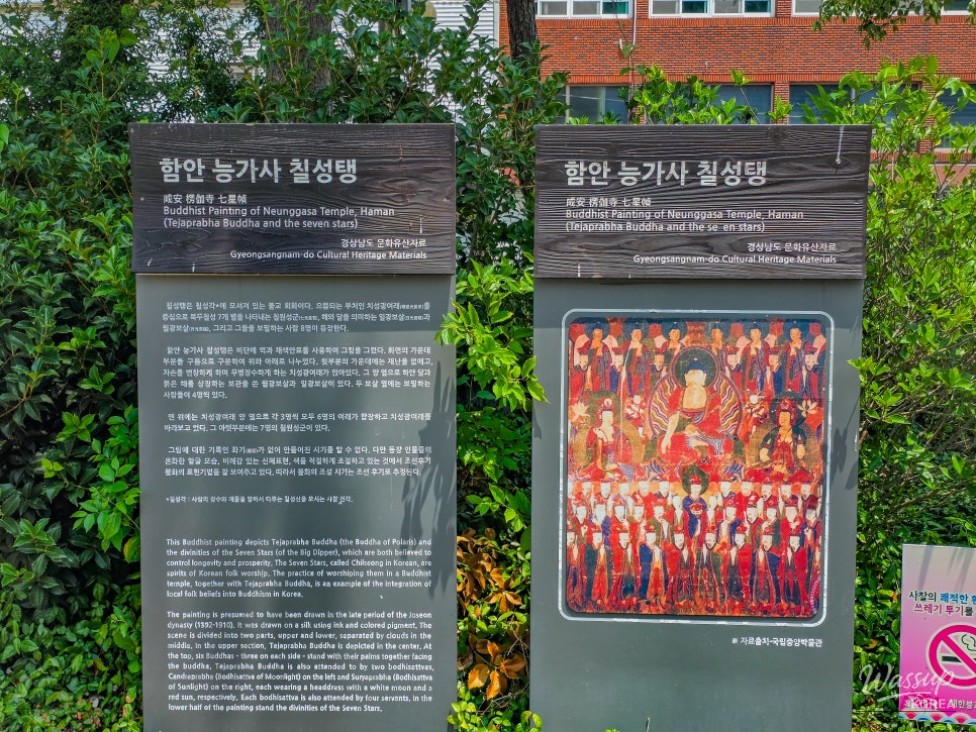
Inside the main hall of Nungasa, you can find the Chilseong Painting, designated as Cultural Heritage Material No. 396 of Gyeongsangnam-do. This painting depicts the Seven Stars of the Big Dipper along with the Sun and Moon Bodhisattvas, accompanied by eight attendants.
On both sides of the path to the main hall, you will find a historic monument and a large stone statue, along with a bell.
The historic monument and the stone statue are positioned side by side, with a kind-looking stone statue surrounded by small guardian spirits.
The historic monument of Nungasa was erected by Lee Cheon-bok in 2013.
Between the historic monument and the Medicine Buddha statue, there is a path leading to the Nakdong River Wind Sound Trail. I took a photo of the small yet heavy bell before heading to the main hall.
As you climb the stairs, you will first see the Gwan-eum Hall, with the main hall right next to it. The Gwan-eum Hall houses the Bodhisattva of Compassion, where devotees offer prayers, while the main hall enshrines the Buddha Sakyamuni.
Both halls are places where many believers come to pray.
The view of the Nakdong River and the Namji Bridge from these halls is refreshing. Why not take a moment to enjoy the beautiful scenery in the shade?
There are very few temples in South Korea that offer such stunning views.
As you explore the main hall and the Gwan-eum Hall, you will notice beautiful paintings featuring vibrant colors and intricate designs, which surely carry deep meanings.
The path you see leads to the starting point of the Wind Sound Trail, which takes about 50 minutes to walk to the resting area across the suspension bridge.
Nungasa, nestled by the Nakdong River, is a place where you can feel the tranquility of nature.
Take a break while gazing at the open Nakdong River and the Namji Bridge, and after exploring the main hall, Gwan-eum Hall, and the Chilseong Painting, you will find your mind at ease.
If you are planning a trip to Haman, I highly recommend stopping by Nungasa to experience its charm and beautiful scenery!
Source :https://blog.naver.com/arahaman/224356056480
No comments yet.