Exploring the Scenic Seonbawi Rock at Taehwa River


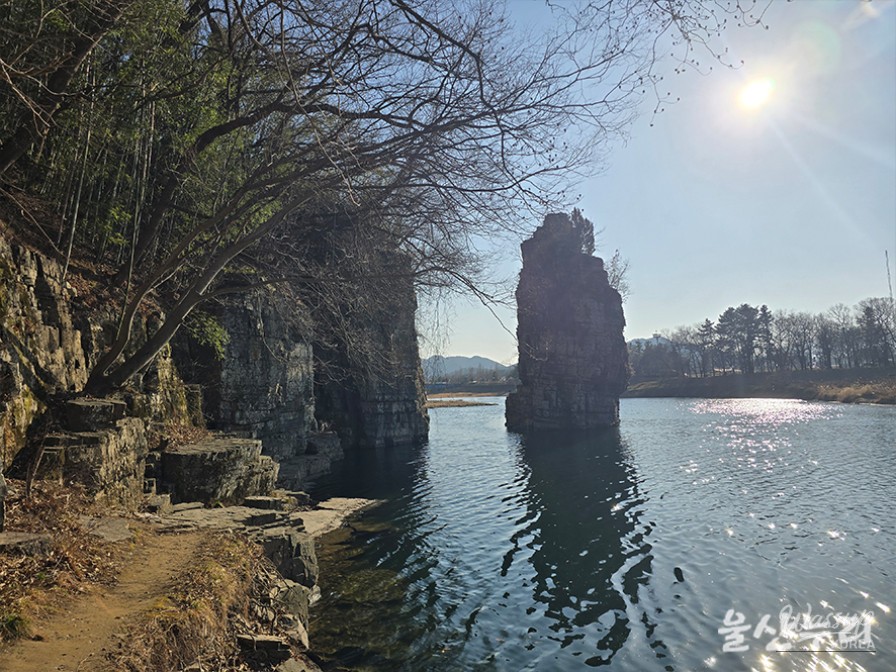
There is a famous rock known as Seonbawi, which has been designated as a local landmark due to its solitary presence standing tall by the Taehwa River.
Seonbawi is located in Ippam-ri, Beomeo-eup, Ulsan.
I recently visited the Ulsan Seonbawi, which has been shaped over a period of 100 million years since the Mesozoic era.
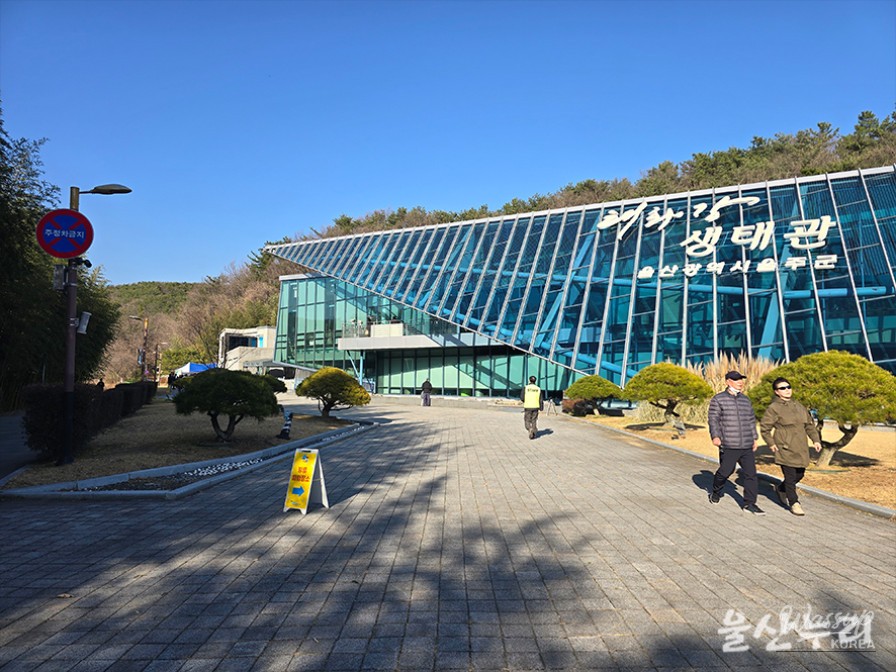
If you want to get a close look at Seonbawi, I recommend visiting the Taehwa River Ecological Center, which is popular among children.
Park in the entrance parking lot and follow the path lined with bamboo forest and the ecological center as you head upstream along the Taehwa River.
Next to the public restroom, there is a great vantage point called the Tech Observatory, which offers a good view of Seonbawi from the riverside.
Seonbawi, separated from the adjacent cliff, is a sedimentary rock formed during the Cretaceous period, a time when dinosaurs roamed the earth. It has been sculpted over 100 million years into its current shape and continues to be eroded gradually.
The Ulsan Seonbawi is recognized for its geological significance and is being promoted for certification as a national geopark. As you continue upstream along the Taehwa River, you can find dinosaur footprint fossils near Bangudae and Cheonjeonri.
As you climb the hill, you will find Yongamjeong on the left and Seonamsa Temple on the right.
Yongamjeong was built in 1796 by Ulsan's governor, Lee Jeong-in, and was later reconstructed by the Hakseong Lee family in 1940 after it was lost.
While Yongamjeong offers the closest view of Seonbawi, it is often closed, making it difficult to enjoy the view from inside.
Surrounding Seonbawi, the waters of Baekryongdam are deep and dark. According to old tales, it is said that a white dragon lived here, and during droughts, rain would follow rituals performed at this site.
After passing Yongamjeong, you can descend to the riverside from the old trail in Beomeo-eup to enjoy the view of Seonbawi from the riverbank.
Returning to the Taehwa River Ecological Center, there is a weir at the end of the bamboo forest that allows you to cross the river.
Standing on the weir with stepping stones, you can appreciate the reflection of Seonbawi in the river.
Crossing the river leads you to Seonbawi Park, which is connected to a bicycle path along the Taehwa River in Eonyang, making it a great spot for cycling.
Seonbawi Park features a shaded garden perfect for walking and a playground for children to enjoy.
The grassy area in Seonbawi Park is an ideal picnic spot where you can set up mats and camping chairs.
During my weekend visit, I noticed many locals jogging, walking, and enjoying time with their dogs.
From this side, you can also see Yongamjeong and Seonbawi, which you admired from across the river.
Looking at Seonbawi brings to mind the scenic beauty that has inspired many poets and scholars, including Kim Jong-jik and Lee Jeong-in.
Seonbawi stands majestically by the Taehwa River, having withstood the test of 100 million years, appearing quite mystical.
How about taking a stroll along the Taehwa River and visiting Seonbawi on a pleasant spring day?



Source :https://blog.naver.com/ulsan_nuri/224220561538
No comments yet.