Exploring the Scenic Beauty of Ilgwangsan Mountain



[Gijang-gun SNS Supporters "Song Ji-ae"]
In Gijang, Busan, among the eight scenic spots, there are stunning locations like Sohakdae with its towering cliffs and Dalumsan, the first scenic spot situated in the heart of Gijang.
Dalumsan and Sohakdae, both part of the eight scenic spots, offer breathtaking views of the ocean from their summits. Additionally, Ilgwangsan, with its gentle wooden deck paths, is cherished by many for its accessibility and beauty.
As March begins, the plum blossoms start to bloom, and the air is filled with the promise of spring. After the cold snap, cherry blossoms will bloom, and new buds will emerge, bringing an even more vibrant mountain landscape.
Last year, after the Million Azalea Movement held in the Wind Nuri Trail area, I visited Ilgwangsan with the hope of seeing azaleas. However, I didn’t encounter any during my visit on March 16th. If you visit later, I hope you can share news of the fully bloomed azaleas.
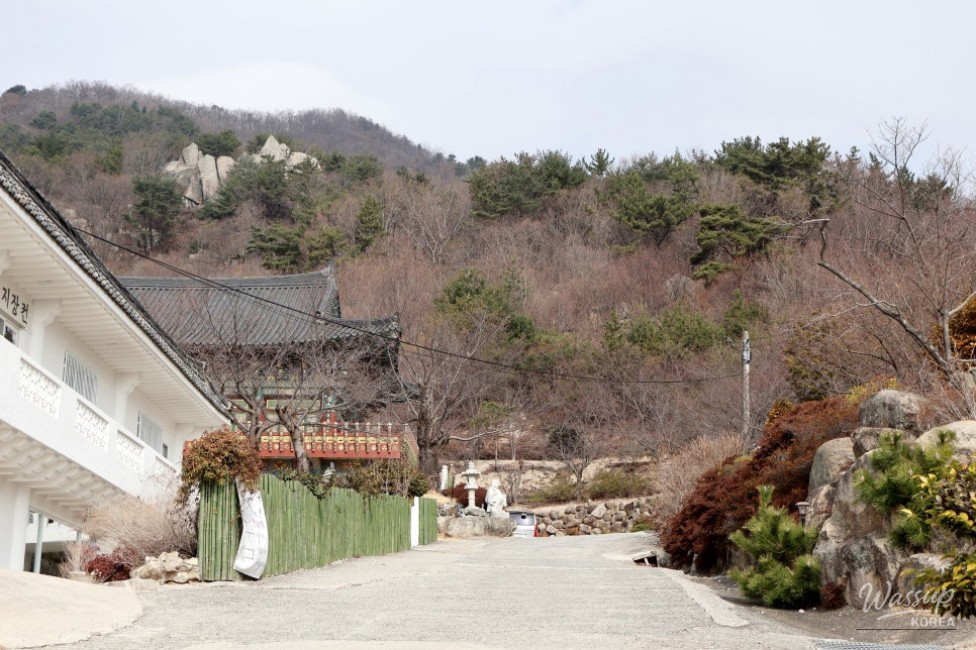
The hike up Ilgwangsan begins at Baekdusa Temple. The path from the entrance to the summit is not a narrow mountain trail but a gravel road that is easy to walk on, making it a comfortable hike that can be completed in about two hours round trip.
As I ascend along the path to the right of Baekdusa, I find it to be a pleasant walk rather than a strenuous hike, filled with the refreshing scent of phytoncides.
Along the way, I appreciate the vibrant green sprouts, azaleas, and plum trees, feeling the arrival of spring in both body and spirit.
There are resting spots and benches scattered throughout the trail, inviting hikers to take a break. Walking along the ridge, I am greeted by stunning ocean views peeking through the trees.
After passing benches and gazebos with tables and chairs, I continue towards the Wind Nuri Trail and the summit of Ilgwangsan. The smart hiking guide system along the trail provides reassurance for first-time hikers.
Following the existing path to the summit, I make my way towards Windjae. A slight downhill path raises questions about whether I’m on the right trail, but soon I encounter a fork in the road beside dense pine trees.
This fork leads to the entrance of the Dahwa Village themed trail, the path to Ahopsan, and the Wind Nuri Trail towards the summit of Ilgwangsan. The Wind Nuri Trail was selected as a resident support project by the Ministry of Land, Infrastructure and Transport and was completed in December 2024, providing a safe route for everyone.
The approximately 750-meter trail is accessible for strollers and wheelchairs, making it an incredible experience as the wooden deck leads to the summit.
The distance from the Wind Nuri Trail to the summit is about 750 meters, taking around 20 minutes round trip. I put away my hiking sticks and slowly walk, feeling the breeze as I approach the summit.
As spring deepens and the Wind Nuri Trail becomes lush, I imagine how beautiful it will be. I close my eyes for a moment, inhaling the earthy scent and the phytoncides emitted by the trees.
Next to the Wind Nuri Trail, there’s an existing hiking path with stairs leading to the summit. Attracted by the pine tree path, I find myself walking along the original trail.
Reaching the end of the trail, I am welcomed by a wide grassy area with an open view.
Turning right, I encounter the summit stone of Ilgwangsan. Although I thought the hike would be easy, the long absence from hiking has left me breathless.
If you want to experience spring in the mountains, consider hiking up Ilgwangsan via the Wind Nuri Trail, which is accessible for everyone. The tranquility of the forest meets the refreshing ocean air along this beautiful trail.


Source :https://blog.naver.com/bskijang/224220614694
No comments yet.