Exploring the Life of Yi Won-ik at Chung-hyun Museum
- Original source
- blog.naver.com



[Reporter Kim Yeon-hong]
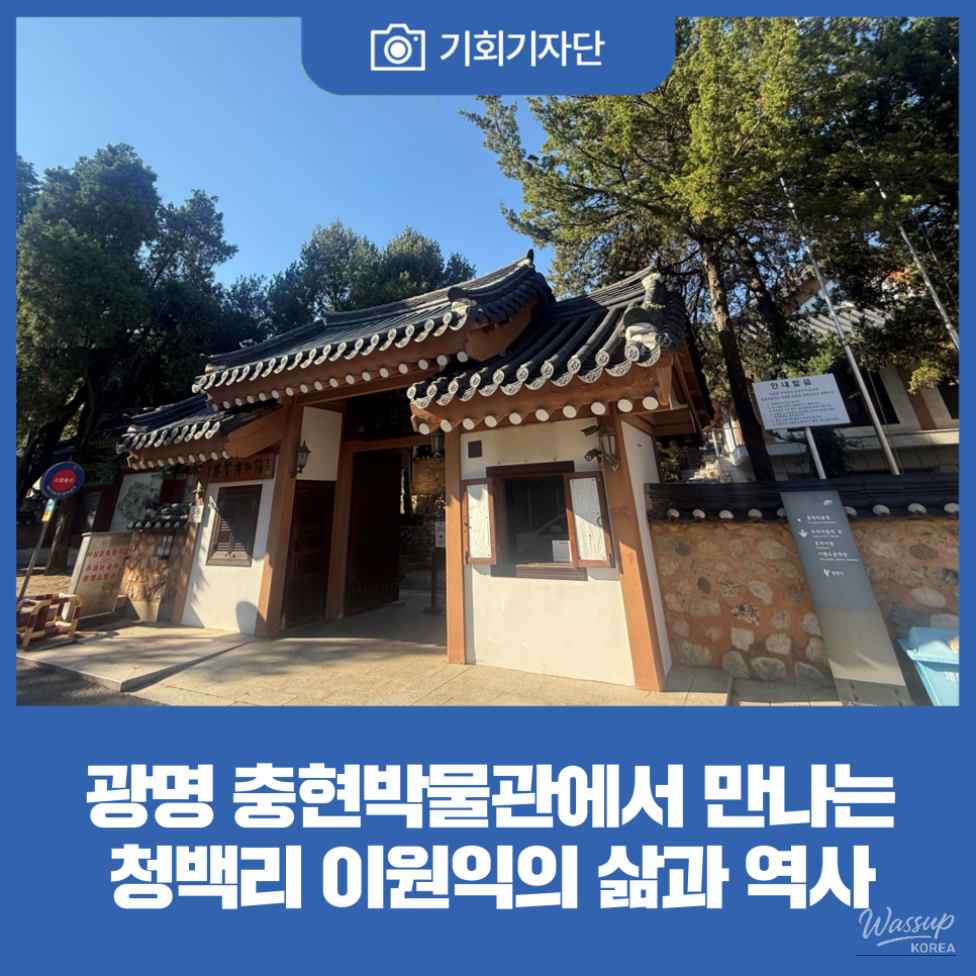
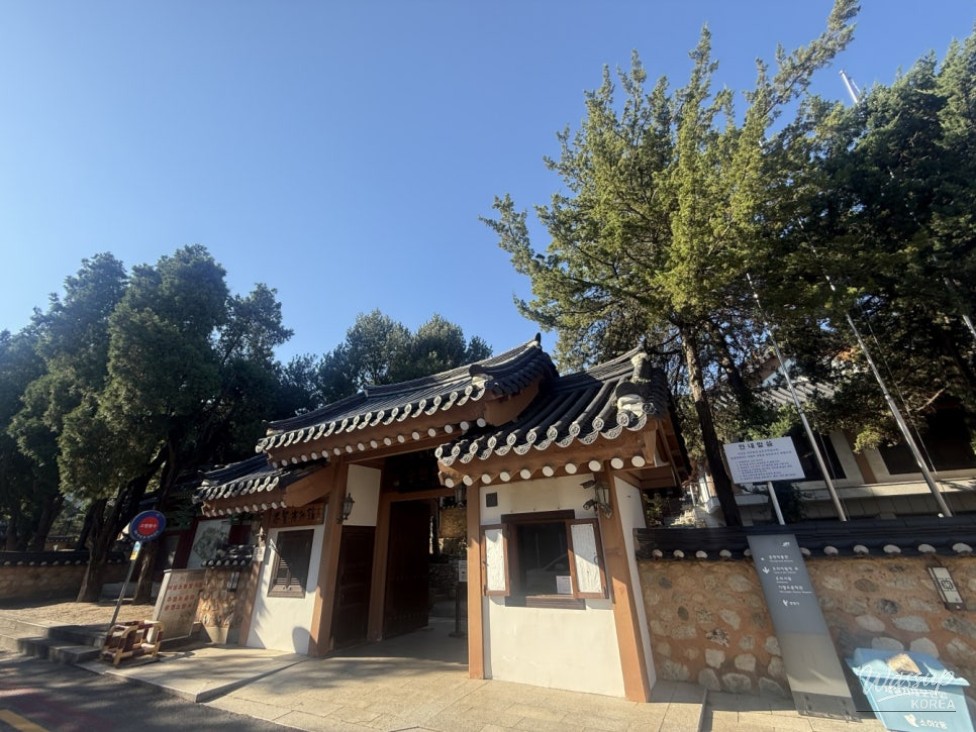
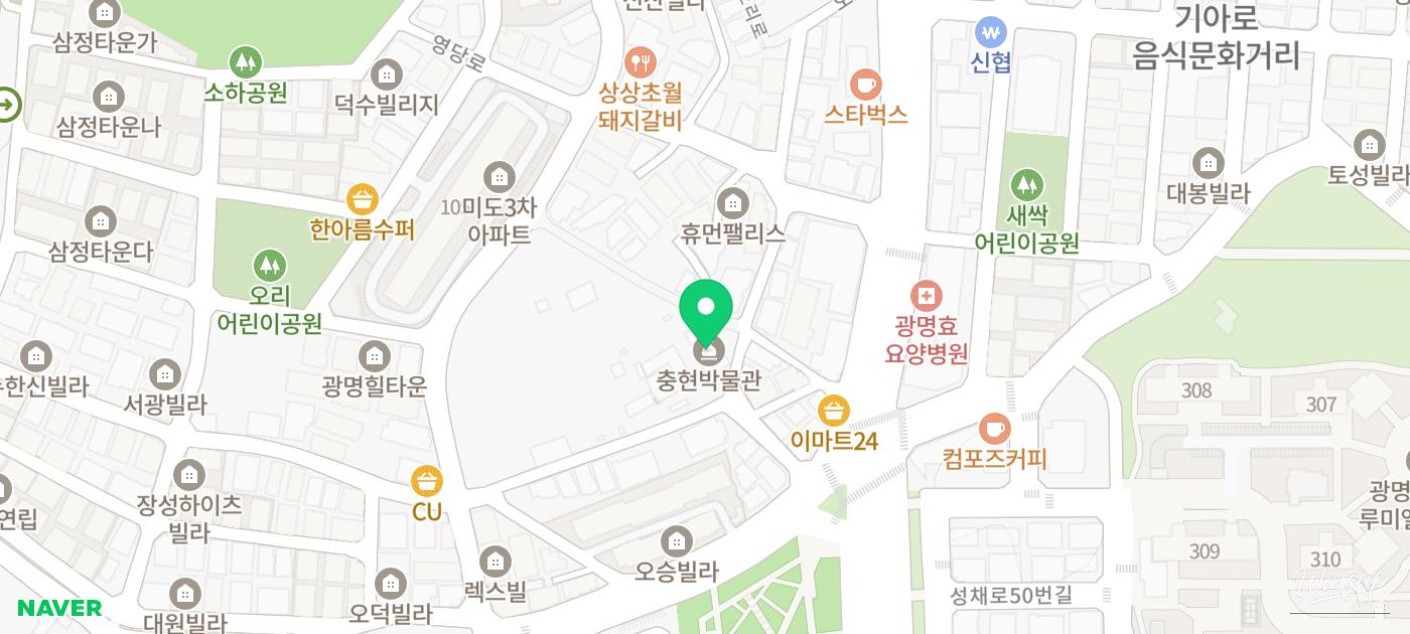
In Sohadong, Gwangmyeong City, Gyeonggi Province, there is a special place where you can closely examine the life and spirit of the renowned integrity figure of the Joseon Dynasty, Yi Won-ik. This is the Chung-hyun Museum, which preserves the relics and historical artifacts of Yi Won-ik. Although it is located in the city center, stepping into the museum gives you a serene atmosphere with traditional hanok and ancient trees, making you feel as if you've traveled back in time. What kind of life did this prominent integrity figure lead? I explored the Chung-hyun Museum to follow in his footsteps.
Chung-hyun Museum introduces the life and achievements of Yi Won-ik (1547-1634), a Joseon Dynasty scholar-official known for his integrity. He served as the Prime Minister under three kings: Seonjo, Gwanghaegun, and Injo. Despite holding high positions for a long time, he maintained a frugal lifestyle and practiced politics for the benefit of the people. His commitment to prioritizing the nation and its citizens over personal wealth resonates deeply even today. At the Chung-hyun Museum, you can explore not only artifacts related to Yi Won-ik but also the spaces he inhabited and the traditional houses preserved by his descendants.
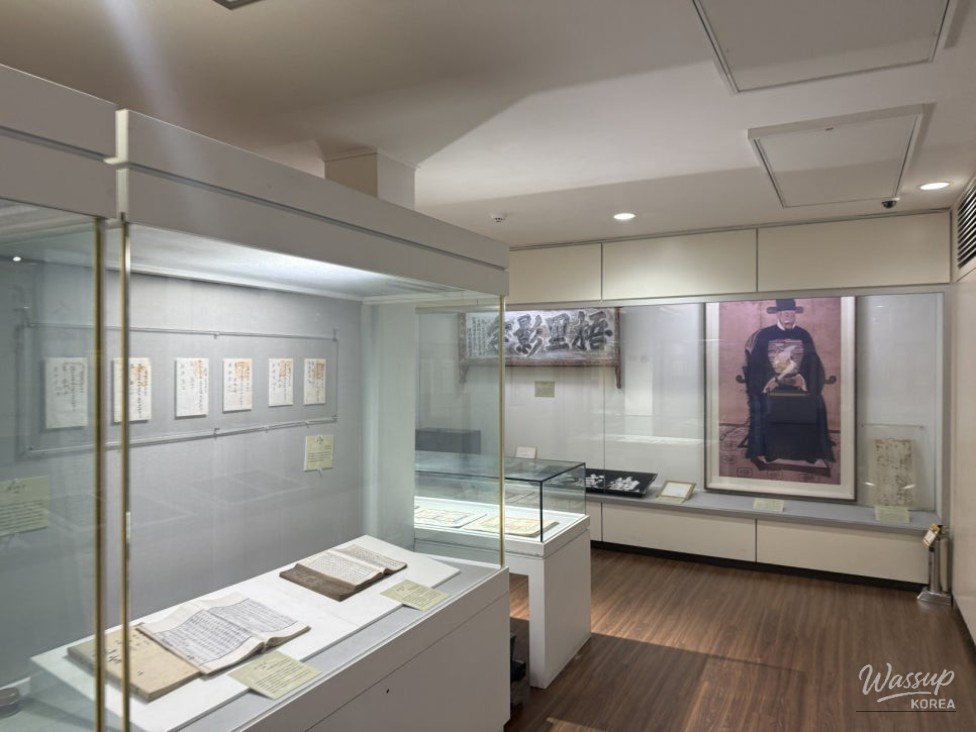
The museum's exhibition hall showcases various historical documents and artifacts related to Yi Won-ik. The old texts and manuscripts preserved in glass display cases illustrate the record-keeping culture of the Joseon era, aiding in understanding his life and the historical context of his time. Additionally, you can glimpse the daily lives of people in the Joseon Dynasty through old household items and furniture. As you examine the exhibits, Yi Won-ik, once just a figure in history books, feels more relatable. Reflecting on his life of integrity and simplicity makes each artifact all the more meaningful.
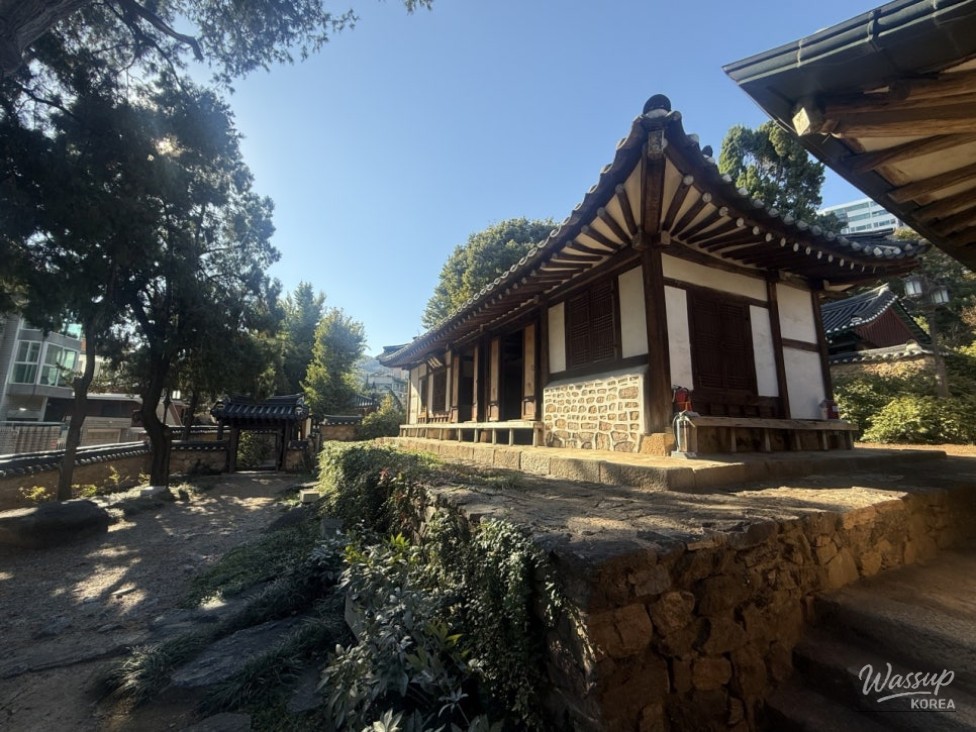
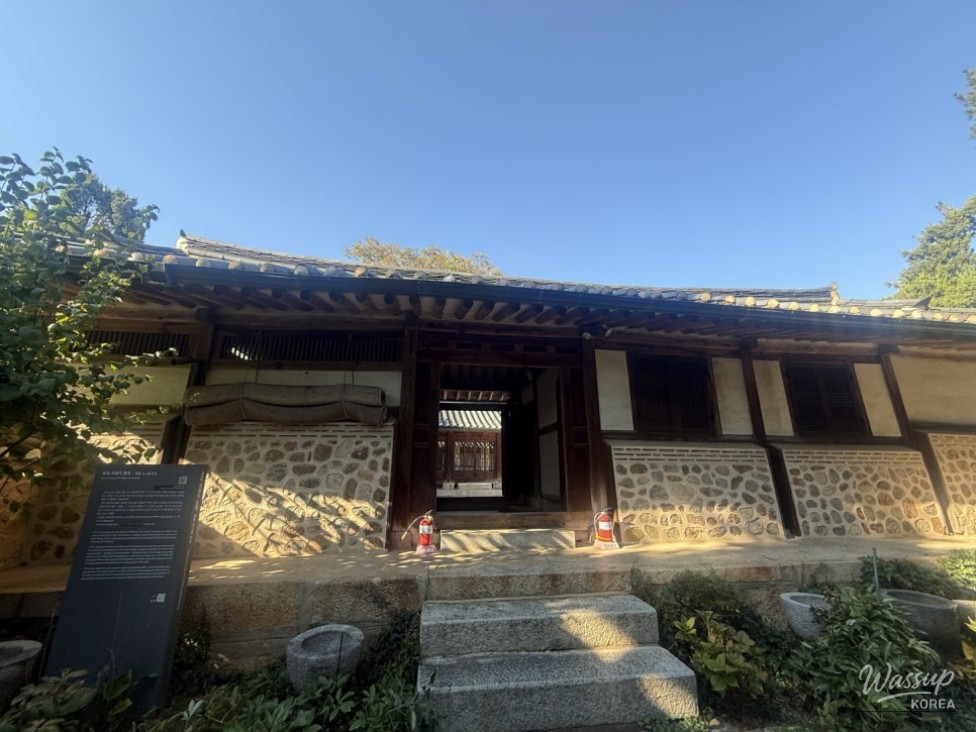
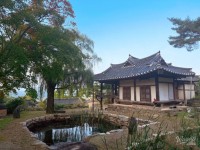
One notable space in the Chung-hyun Museum is the Gwangam-dang, a house gifted to Yi Won-ik by King Injo in 1630. This historical site exemplifies his frugal lifestyle despite achieving high office. The name 'Gwangam' signifies the importance of observing and learning from what one sees. Surrounding the Gwangam-dang, the beauty of traditional hanok harmonizes with nature, showcasing a simple yet elegant architectural style. The stone foundation, wooden pillars, and tiled roof create a serene atmosphere, allowing visitors to reflect on the life of a man who practiced integrity nearly 400 years ago.
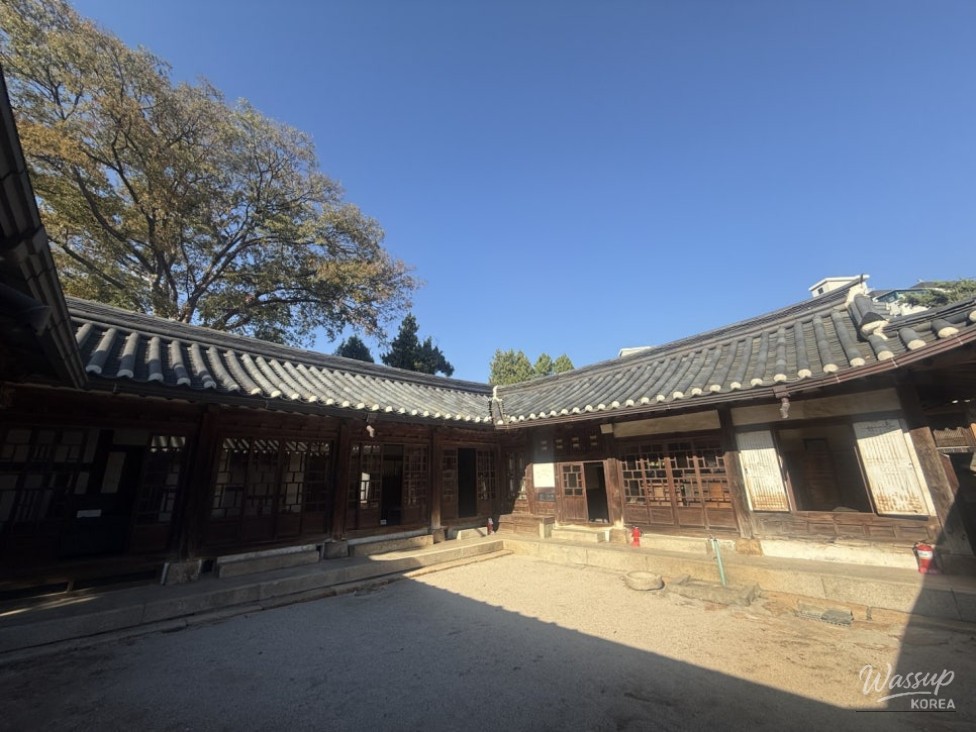
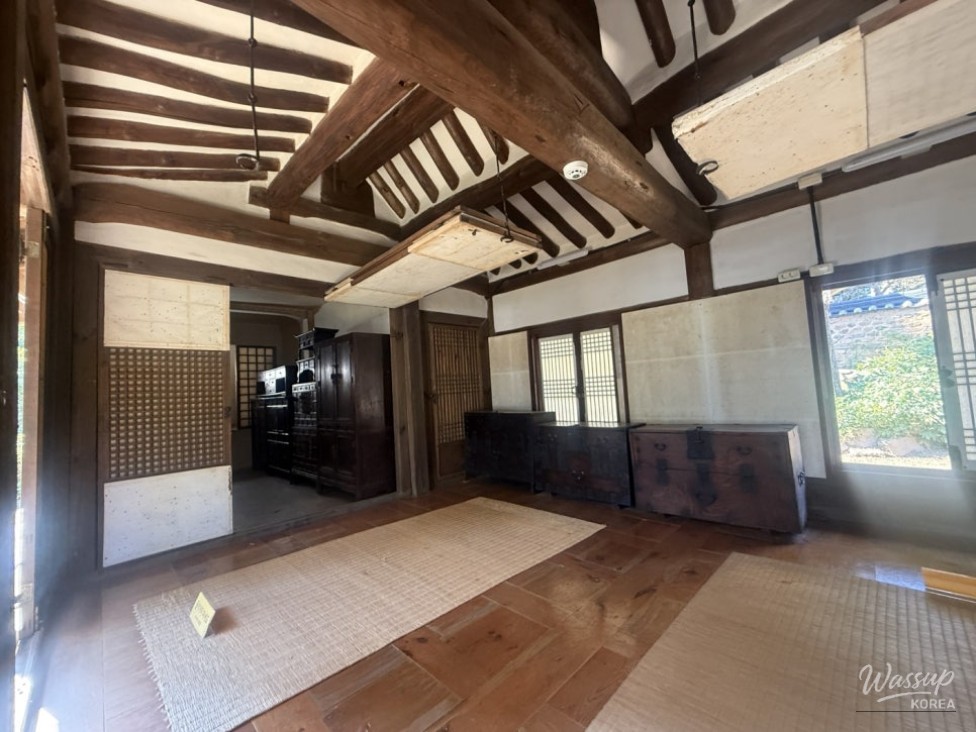
Adjacent to Gwangam-dang is the ancestral house of Yi Won-ik, known as Jongtaek. This house has been inhabited by the family lineage for generations, preserving their traditions. Here, you can observe the characteristics of traditional hanok, including buildings arranged around a courtyard, tiled roofs, and wooden windows. Inside, robust wooden pillars, beams, and traditional furniture attract attention. The sunlight entering the courtyard and the aged wood together evoke a simple beauty distinct from modern buildings. Jongtaek is not merely an old house; it represents the residential culture of the Joseon Dynasty and the history of a family.
Within the museum grounds, the Oryeongwoo honors Yi Won-ik's legacy. This space, which houses his portrait, serves as a place for future generations to remember and commemorate his virtues and achievements. The red building atop the stairs, along with the surrounding stone walls and trees, creates a solemn yet tranquil atmosphere. It is a reminder that the life of an individual is remembered even centuries later.
The Chung-hyun Museum goes beyond being a mere exhibition space; it is a place to experience the history and traditional culture of the Joseon Dynasty. Visitors can learn history through records and artifacts in the exhibition hall while exploring Gwangam-dang, Jongtaek, and Oryeongwoo outdoors. Most impressively, it allows reflection on the values of integrity and simplicity that Yi Won-ik practiced throughout his life. In the midst of a rapidly changing city, the chance to encounter such cultural heritage is a unique charm of the Chung-hyun Museum.




Source :https://blog.naver.com/gyeonggi_gov/224458199873
More from Place




No comments yet.