Exploring the Historical Beauty of Namyangju Palace House



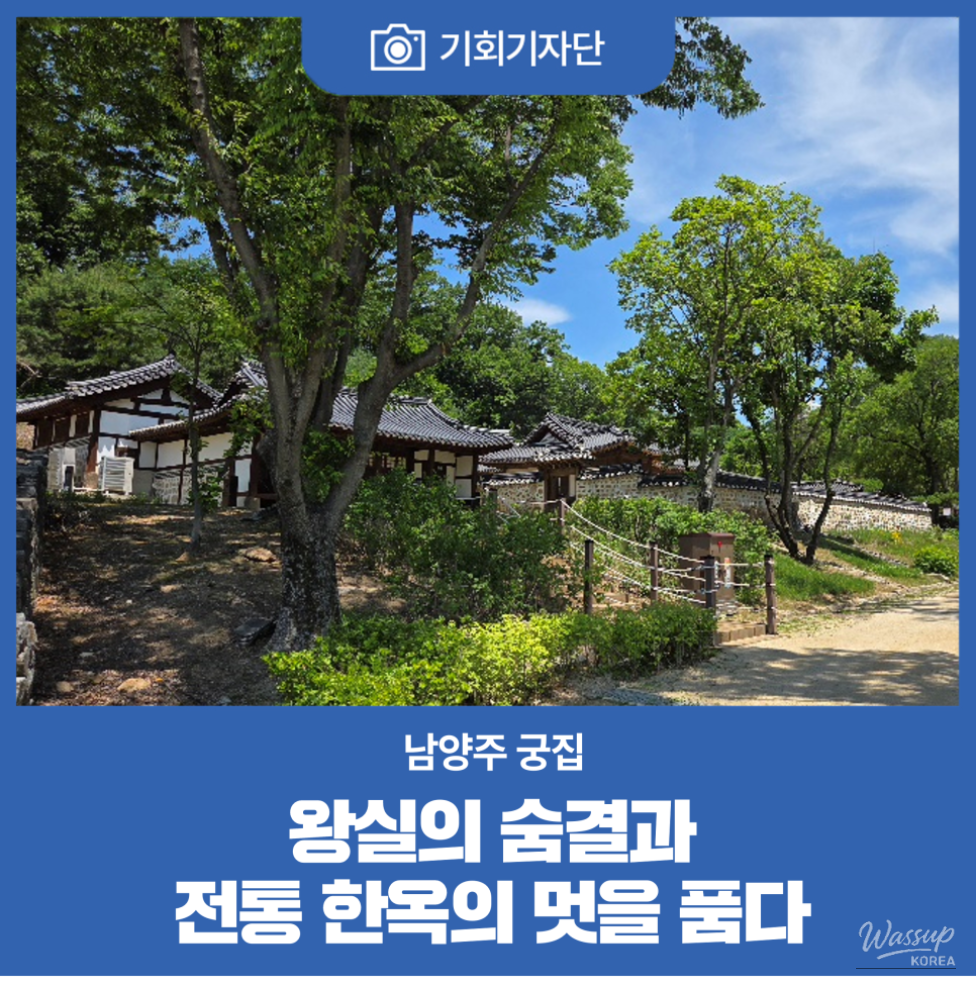
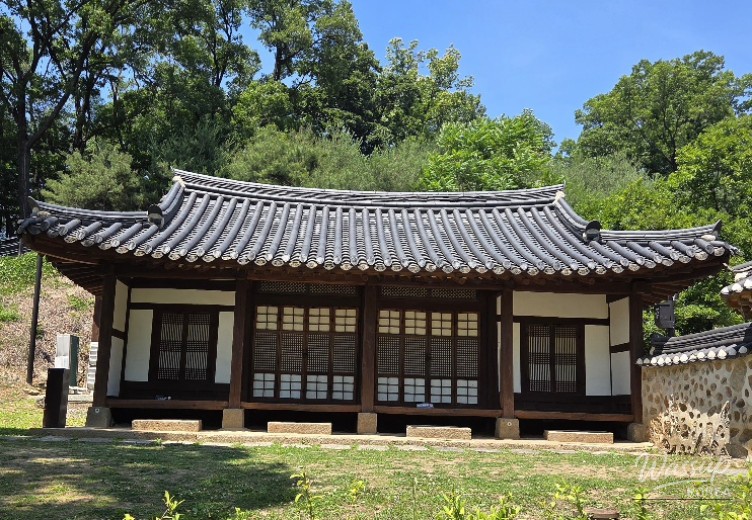
Namyangju Palace House, located in Pyeongnae-dong, Namyangju, Gyeonggi Province, is a precious national cultural heritage where one can experience the beauty of royal culture and traditional Korean houses from the late Joseon Dynasty.
It is said that the Palace House was built by King Yeongjo, the 21st king of Joseon, for his youngest daughter, Princess Hwagil, when she married her husband, Gu Min-hwa. The name 'Palace House' was given because it was constructed with the support of the state, including carpenters and materials.
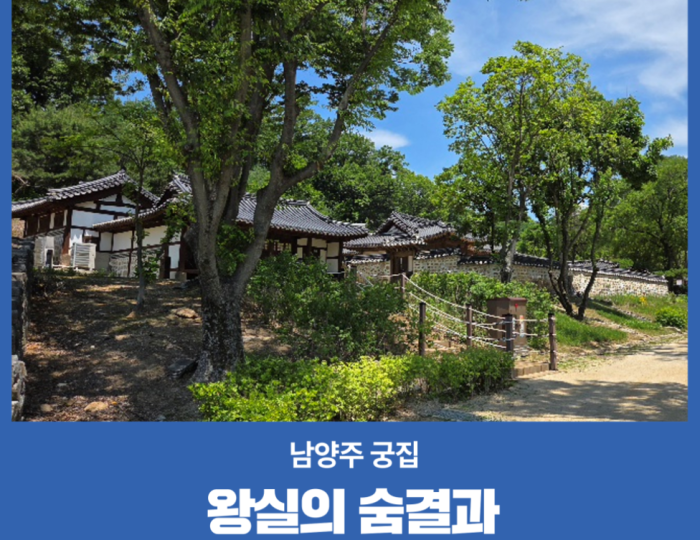
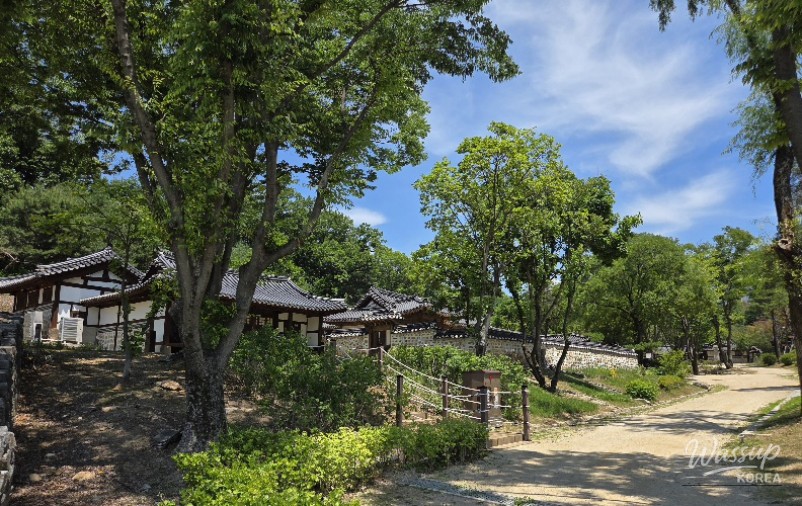
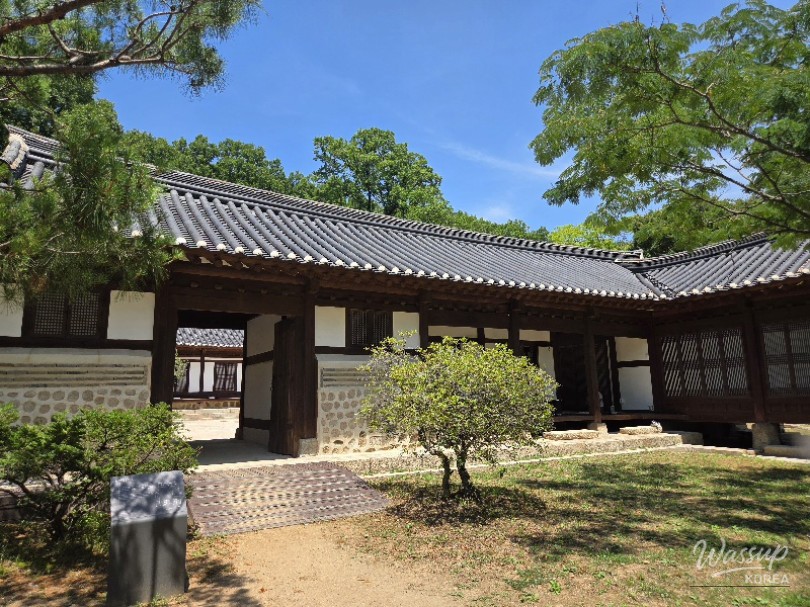
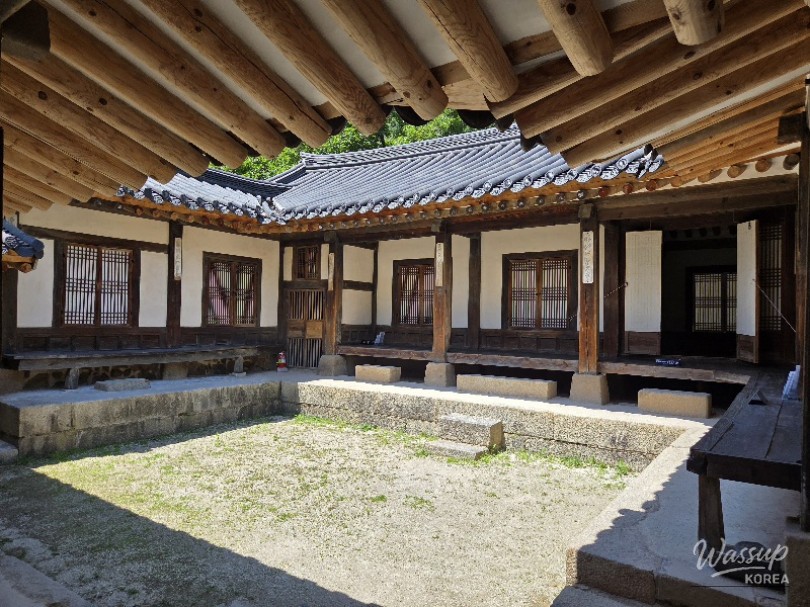
Upon entering the Palace House, the tranquil eaves of the hanok, the walls surrounding the courtyard, and the harmonious arrangement of buildings with nature immediately catch the eye. This layout reflects the elegance of the residential culture of the aristocracy and the royal family in the late Joseon period.
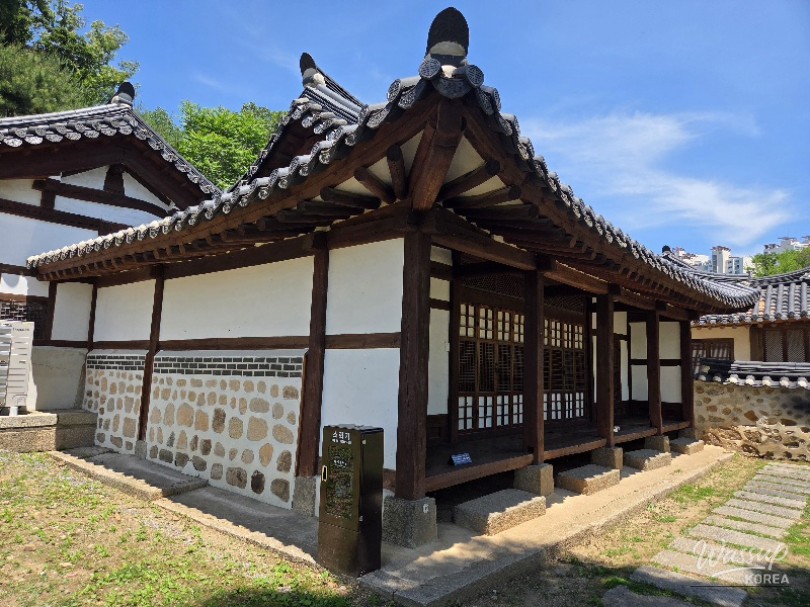
Surrounding the Palace House are various structures, including the Sarangchae (guesthouse), Dasil (tea house), Gunsan House, Yongin House, and the house for outside servants, allowing visitors to explore the diverse traditional housing culture that varied by era, class, and region.
To fully appreciate the Palace House, it is advisable to follow a designated walking route. Upon entering, the Sarangchae and the Palace House are located to the left, offering a glimpse into the living culture of the royal family and the aristocracy during the Joseon Dynasty.
After touring the Palace House, a short walk up leads to Yongin House, which was partially relocated from a 99-room house in Yongin, Gyeonggi Province, in 1979. This space provides insights into the scale and lifestyle of traditional hanoks in the Gyeonggi region.
Walking a bit further across from Yongin House, visitors will find the Dasil, a space that harmonizes a hanok with a small pond, serving as a resting place for visitors to enjoy the tranquility of traditional culture.
Above the Dasil is Gunsan House, which was relocated in 1981 from the home of Queen Shinjeong in Gunsan, Jeollabuk-do. It is currently used as a performance venue, showcasing another use of traditional hanok spaces.
Continuing left from Gunsan House, visitors will encounter two thatched-roof houses for outside servants. These houses provide a glimpse into the living spaces of commoners, contrasting with the aristocratic hanoks and prompting reflections on the diverse housing culture of that era.
After exploring these areas, it is pleasant to take a leisurely stroll along the newly created walking path above. This allows couples or families to enjoy the charm of hanoks and the serenity of nature, adding another layer of enjoyment to the visit to Namyangju Palace House.
Namyangju Palace House is not just an old house; it embodies royal history, the beauty of traditional hanoks, and the lifestyle of past generations. It continues as a cultural heritage space managed by Namyangju City, supported by efforts from cultural artists and donations, with some areas also utilized for performances.
Looking ahead, if it connects with performing arts, art exhibitions, and traditional craft displays, it is expected to develop further into a cultural space where citizens and art coexist. For those wishing to experience the elegance and tranquility of tradition close to the city center, Namyangju Palace House is highly recommended as a place to visit.
Source :https://blog.naver.com/gyeonggi_gov/224320990834
No comments yet.