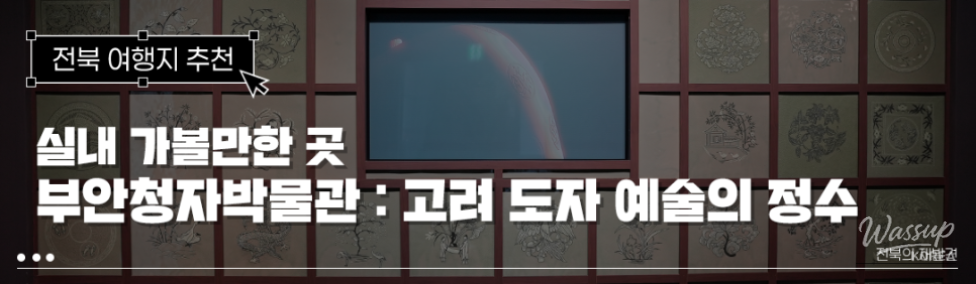
Exploring the Buan Celadon Museum: A Perfect Indoor Destination for Kids



The Buan Celadon Museum is located in the historic area of Yucheon-ri, Buan-gun, Jeollabuk-do, which has been significant since the Goryeo Dynasty for its vibrant celadon culture.
Designated as Historic Site No. 69, this area is well-known as a major production site for Goryeo celadon, particularly for its high-quality inlaid celadon used by the royal family and aristocrats from the mid-12th to 13th centuries.
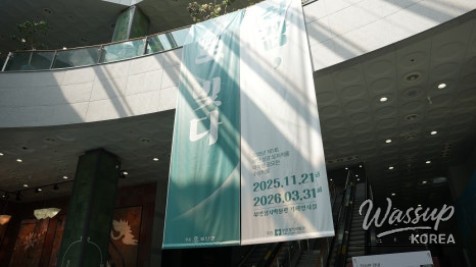
The museum, situated right in the middle of the ancient kiln site, features a unique building designed to resemble a celadon bowl, making it a striking sight amidst the vast fields of Buan.
As you follow the address 1493, Cheongja-ro, Boan-myeon, Buan-gun, a jade-colored building reminiscent of a clear autumn sky welcomes visitors.
The museum's layout begins on the second floor and gracefully leads visitors down to the first floor. Upon entering the Celadon History Room on the second floor, you will immediately see how Goryeo celadon was born and evolved over time.
The excellent clay, firewood, and convenient sea routes for transporting goods combined to create a massive pottery industry in Buan a thousand years ago.
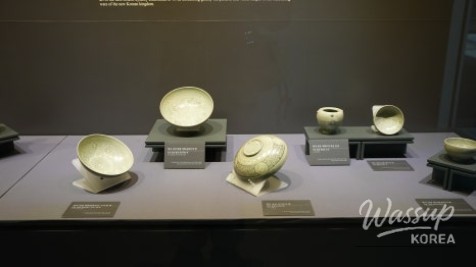
Potters of that era shaped clay mixed with iron, dried it, and applied an iron-containing glaze before firing it in hot kilns to achieve its distinctive blue hue. This scientific principle, along with the changing shapes and techniques of celadon over time, can be observed through actual artifacts, making it an enriching experience.
The numerous fragments of inlaid celadon discovered at the Yucheon kiln site provide insight into the scale of production and technological level of the time. The inlaid technique, which involves carving patterns into the surface of ceramics and filling them with white or red clay for contrast, is particularly known for its elaborate designs in Buan celadon.
As you explore the exhibition, you can closely examine the meanings behind various patterns engraved on the inlaid celadon. The most representative pattern, 'Unhakmun', depicts cranes frolicking among clouds, symbolizing the Goryeo people's wishes for high status and longevity.
The museum also frequently features chrysanthemum and lotus patterns. The chrysanthemum pattern symbolizes the scholarly integrity and the desire for a long life, while the lotus pattern represents purity and nobility, intricately carved both inside and outside the vessels.
Walking along the outdoor historical park, you can experience the preserved remnants of the past. The kiln protection structure showcases the original appearance of the kiln site, allowing visitors to indirectly experience the heat of pottery making from a thousand years ago.
The Buan Celadon Museum operates from 10 AM to 6 PM from March to October and until 5 PM from November to February. It is closed on Mondays and during major holidays. Admission fees are very reasonable, with adults at 3,000 won, youth at 2,000 won, and children at 1,000 won.
Visiting the Buan Celadon Museum, where the clear air and the essence of the earth merge, is a great opportunity to understand the significance of past art in our present. If you're planning a trip to Buan, make sure to stop by and witness the excellence of Goryeo inlaid celadon firsthand.
By following the colors of celadon that embody Buan's history, you will gain a valuable understanding of the artistic and technological values of the Goryeo era.
Source :https://blog.naver.com/jbgokr/224319931934
No comments yet.