Exploring Mugyeondang: A Hidden Gem in Hamann



By Ok Nayul, 14th SNS Reporter
Mugyeondang
33 Mugil 1-gil, Chilwon-eup, Hamann-gun, Gyeongnam
Recently, with the clear sky stretching endlessly, I visited Mugyeondang, a hidden gem in Hamann, perfect for a light stroll. This place preserves the beautiful garden culture of the late Joseon Dynasty and is recognized for its historical and academic value as National Folklore Cultural Heritage No. 208.
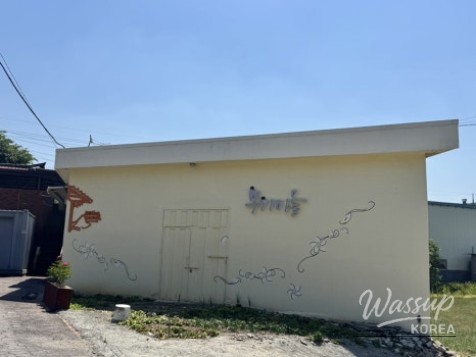
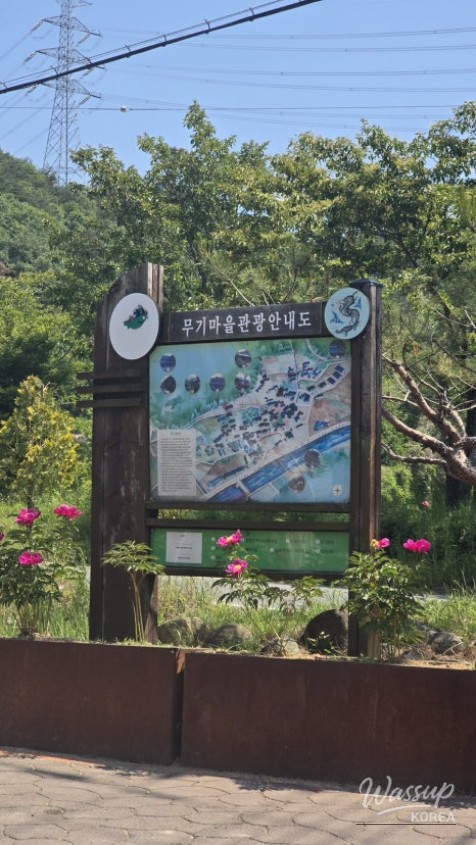
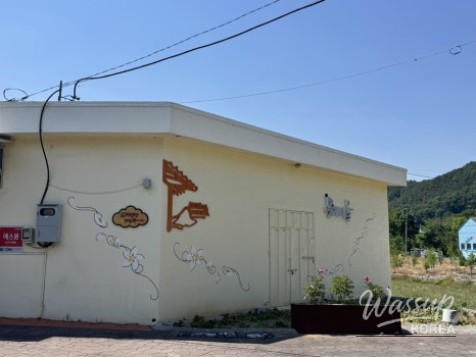
At the entrance of 'Mugi Village,' where Mugyeondang is located, there is a small parking area, making it easy to park and walk in. The entire village has a quiet and peaceful atmosphere, and as you stroll along the alleyways, charming murals greet you. The stone path leading to the entrance also adds to the ambiance.
Mugyeondang is not just an empty cultural property; it is a private residence where the descendants of the historical figure, Joosung, actually live. Therefore, the entrance may be open or closed depending on the residents' circumstances, and there are no fixed opening hours.
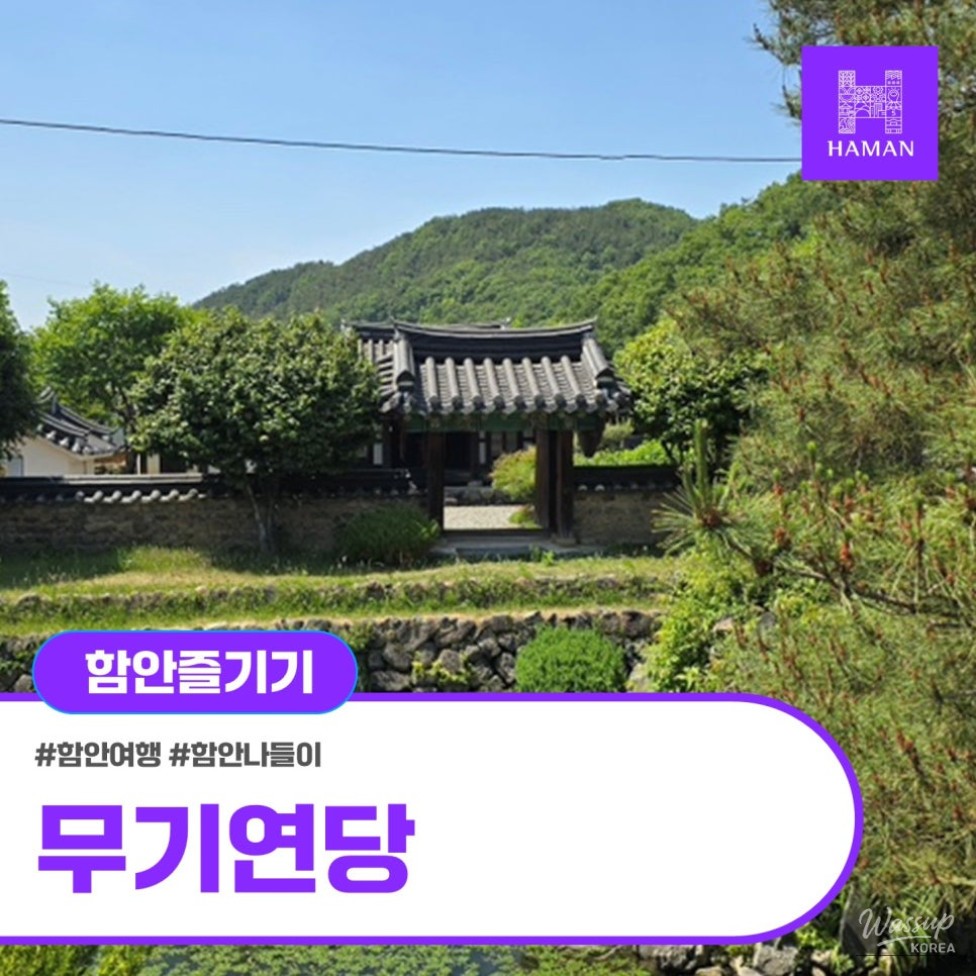
Although I couldn't enter the main gate, 'Yeongguimun,' I was able to take photos from outside the wall. According to the sign next to the gate, Mugyeondang's history begins in 1728 during the reign of King Yeongjo, when the local militia rose to quell the rebellion led by Lee In-jwa. After the rebellion was suppressed, the government soldiers built a memorial at the village entrance to honor Joosung's contributions, and a large pond was dug in front of the local school as a token of gratitude, which is now Mugyeondang.
It would have been wonderful to go inside, but fortunately, the low wall allows for a good view if you stand on your tiptoes. Walking around the wall, I found that the view from outside was also quite beautiful, giving me the feeling of peering into a secret garden.
The first thing that caught my eye beyond the wall was a square pond. Surrounding the pond are pavilions named 'Hawanjeong' and 'Pungyokru,' where ancient scholars once composed poetry and enjoyed leisure.
In the middle of the pond, there is a small artificial island called 'Yangsimdae,' which means 'a place to cultivate the heart.' This name carries a deep meaning, reflecting the scholars' intention not only to create a beautiful garden but also to cultivate their minds and pursue knowledge.
As I walked along the village's inner alley, I encountered delightful murals. Although simple, they exude a warm ambiance, allowing me to feel the tranquility of Mugyeon Village.
Even though I couldn't enter the gate to see the spacious courtyard and the pond from above, the experience of feeling the breeze outside the low wall while looking at Mugyeondang was unexpectedly lovely, capturing the cozy and mysterious essence of a secret garden.
How about taking a step toward Hamann's hidden gem, Mugyeondang, instead of the usual tourist spots, for a serene and deep experience?

Source :https://blog.naver.com/arahaman/224299000601
No comments yet.