Eagle Watching in Ulsan: A Unique Experience



Hello, this is the official blog reporter team of Ulsan Metropolitan City.
Every year from mid-November to the end of March, Ulsan observes a class 2 endangered species and national natural heritage, the migratory eagle. These eagles fly 3,400 km from Mongolia to spend winter in Ulsan.
The city of Ulsan and the Green Energy Promotion Citizen Forum operate the 'Ulsan Eagle School' annually to observe the feeding activities of the eagles and learn about their habits. After pre-registering, I participated in this educational program.
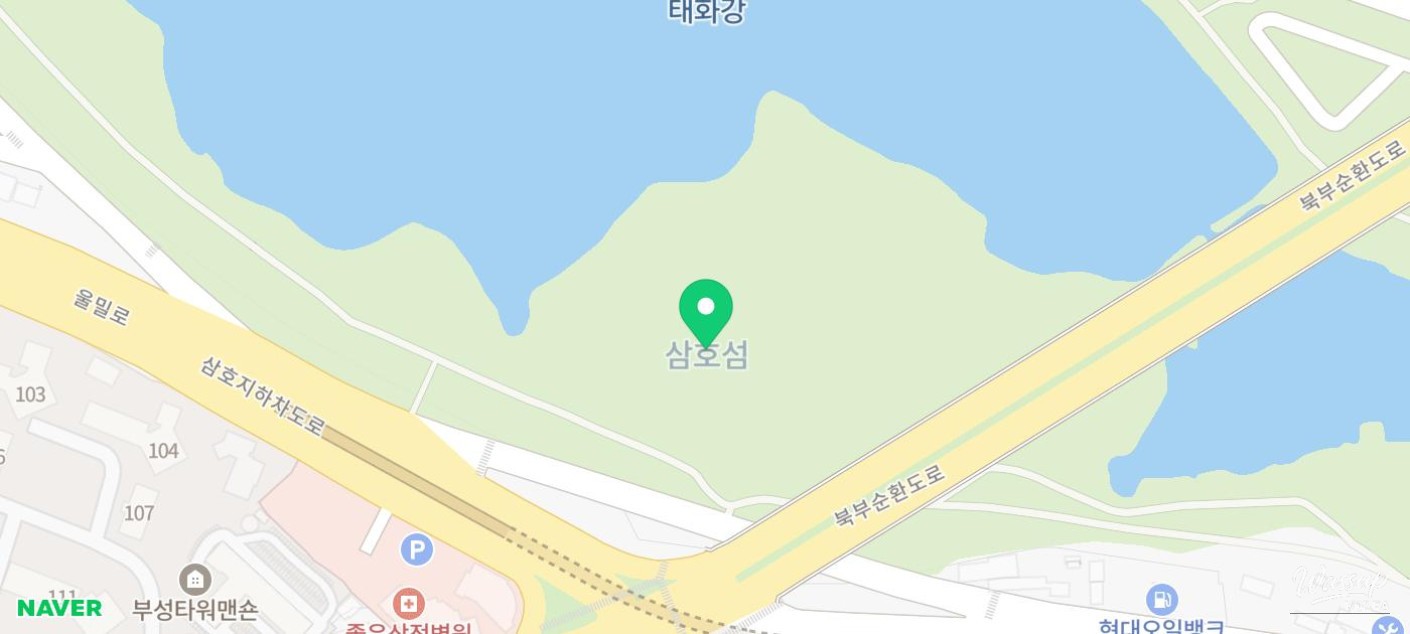
The Ulsan Eagle School runs every Wednesday and Saturday from January 3 to February 28 at 10 AM in the Samho Island area. They accept the first 100 pre-registered participants, which made it quite competitive to sign up.
Many families applied, as it is a great opportunity to see the eagles up close. I eagerly awaited the day I could join the eagle watching event in February.
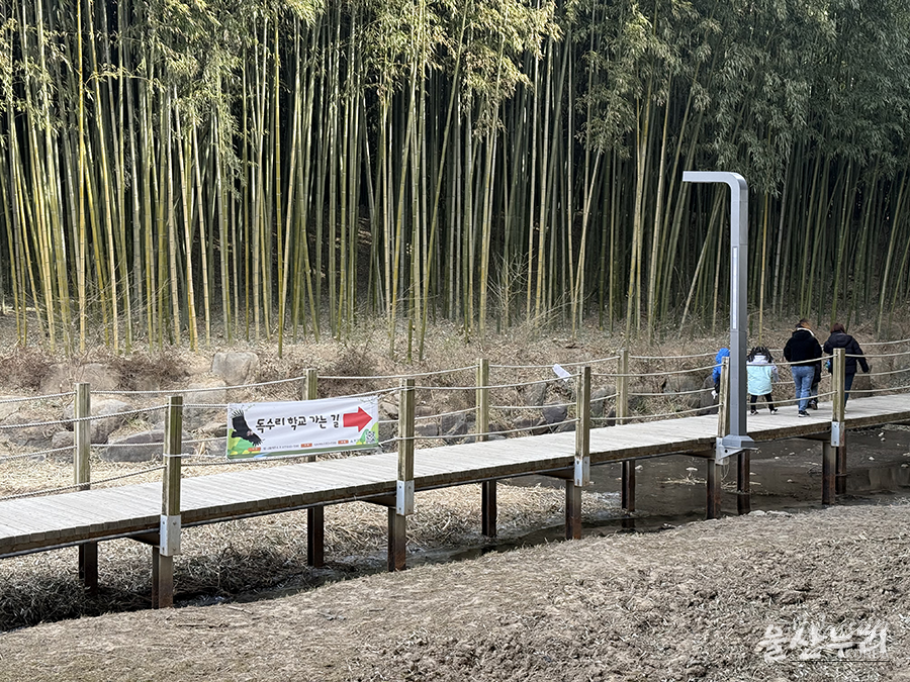
During the event, we learned about the eagles' ecology while experiencing their wintering in Ulsan. The area is well-marked, making it easy to find the meeting point.
Since November 19, when the first four eagles arrived, their numbers have steadily increased, with over 100 observed by mid-December. Most of the eagles are between one and four years old, having come here due to food scarcity in Mongolia.
Feeding stations for eagles are also operated in places like Gimhae, Gyeongnam, Paju, and Cheorwon. Approximately 3,000 eagle feeding stations are said to be functioning globally. Without artificial feeding, eagles could become extinct on the Korean Peninsula, so efforts are made to provide minimal sustenance.
With support from local meat companies, pork and offal are provided, and since early December, Ulsan has supplied over 200 kg of beef each time.
Although the 'Eagle School' is not profit-driven, outdoor heaters and warm drinks like tea and coffee were provided for participants to stay comfortable.
After listening to the guide's explanation, we moved to the feeding area. Since we had to walk quite a bit, comfortable shoes and winter gear were essential.
We waited outdoors for about 2-3 hours, so hand warmers, hats, gloves, and scarves were very helpful. After placing 400 kg of food around Samho Island, we waited for about an hour for the eagles to arrive.
However, before the eagles, seagulls and crows were already present. It was impressive to see so many people gather at Samho Island for eagle watching.
Since eagles cannot hunt for themselves and face habitat destruction, feeding stations are crucial to prevent them from ingesting harmful materials.
Young eagles are fearful of cats and humans, and the nearby walking path makes it difficult for them to come down and feed.
It is recommended to wear black or white clothing as eagles are sensitive to the color red. Avoid using perfume and loud noises, as eagles have keen senses of smell and hearing.
After placing the food around 10 AM, the eagles typically begin feeding between 11:10 and 11:40 AM. Although we waited, we didn’t see them descend that day.
Despite the disappointment, I was satisfied with the time spent observing their flight patterns. Not every day allows for eagle feeding observations, so I encourage future participants to manage their expectations.
Thanks to the dedicated efforts of the guides and volunteers, I hope the young eagles can thrive and return to Mongolia healthy in March.
I look forward to next year's Eagle School, hoping to witness the eagles in action.


Source :https://blog.naver.com/ulsan_nuri/224178467108
No comments yet.