Preventing Falls Among Seniors During Winter


As winter arrives, the risk of falls increases sharply due to slippery roads caused by snow and ice. For seniors aged 65 and older, even minor falls can lead to serious hip fractures or traumatic brain injuries, often resulting in hospital stays of 25 days or longer. Winter is statistically the season with the highest rate of fall-related hospitalizations. To ensure a safe and comfortable winter, it is crucial to remain vigilant both outdoors and indoors. This guide outlines essential precautions for going out and daily safety rules to help prevent accidents and maintain independence throughout the colder months.
Why Winter Falls Are So Dangerous
For seniors, falls in winter are particularly hazardous. According to the Korea Disease Control and Prevention Agency, while most falls typically occur in residential areas, winter sees a significant spike in accidents on public roads and thoroughfares due to icy patches. Nearly half of seniors hospitalized for a winter fall stay for more than two weeks. Hip fractures, which occur where the pelvis meets the leg, often result in the longest recovery periods and can significantly impact long-term mobility.
Key Medical Terms to Know
- Traumatic Brain Injury: Damage to the skull or brain from an impact, such as a fall.
- Hip Fracture: A break in the upper thigh bone or pelvis caused by physical impact.
Outdoor Safety: Navigating Icy Roads
To prevent accidents while moving through your neighborhood, follow these practical steps: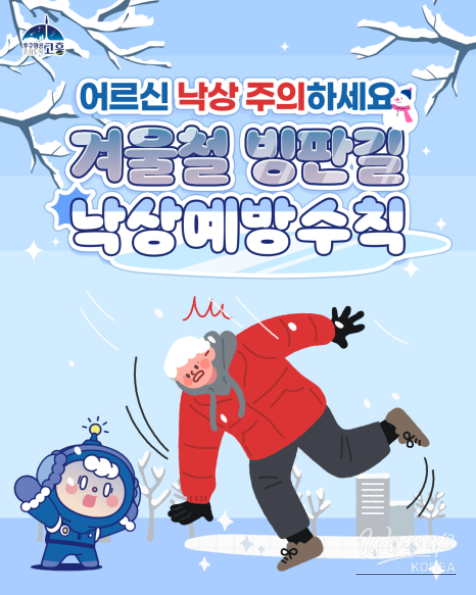
- 1. Check Conditions: Before heading out, look for water, snow, or "black ice." Avoid walking on uncleared paths.
- 2. Use Elevators: If a building has an elevator, use it instead of stairs to avoid potential slips on damp steps.
- 3. Avoid Slopes: Stay away from steep roads or uneven surfaces like raised pavement blocks.
- 4. Keep Hands Free: Wear gloves to keep your hands warm so you don't have to put them in your pockets. This allows you to use your arms for better balance.
4 Safety Rules for a Fall-Free Retirement
Preventing falls is a year-round commitment that involves both physical health and home maintenance. Here are four fundamental rules:
- Regular Exercise: Focus on muscle-strengthening and balance-improving activities (like Tai Chi or simple leg raises).
- Annual Vision Checks: Poor eyesight is a major cause of trips. Get your eyes checked once a year and wear updated glasses.
- Safe Home Environment: Install bright lights, use non-slip mats in bathrooms, and remove moisture immediately from kitchen floors.
- Medication Review: Some drugs cause dizziness or drowsiness. Consult your doctor if your medication makes you feel unsteady.
 By staying active and making small adjustments to your daily routine, you can significantly reduce the risk of a fall. Stay warm, move slowly, and prioritize your safety this winter!
Would you like me to find a set of simple home balance exercises for seniors, or perhaps look for nearby community centers that offer winter indoor exercise programs?
By staying active and making small adjustments to your daily routine, you can significantly reduce the risk of a fall. Stay warm, move slowly, and prioritize your safety this winter!
Would you like me to find a set of simple home balance exercises for seniors, or perhaps look for nearby community centers that offer winter indoor exercise programs?
추천0 비추천0
No comments yet.