Exploring the Serenity of Yeongnangsa Temple in Dangjin



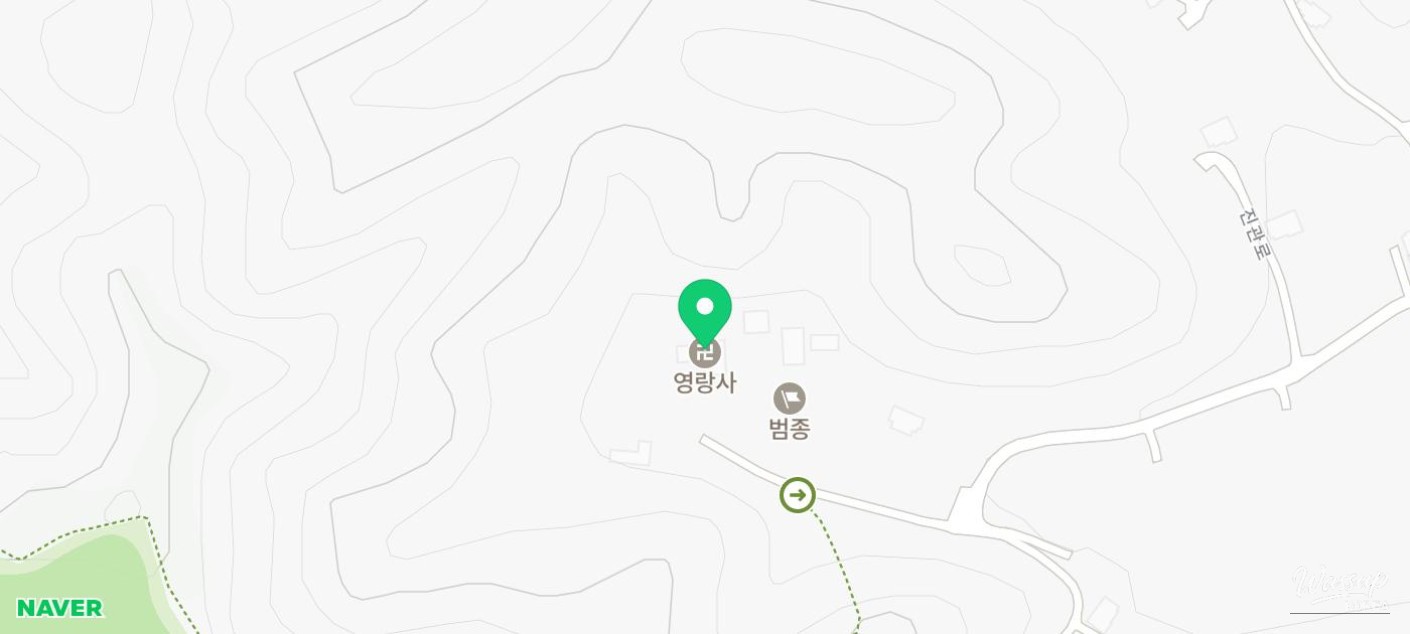
When we seek to escape the exhaustion of daily life and find peace of mind, we often turn to spaces where nature and history intertwine. Yeongnangsa Temple, located in Godeaemyeon, Dangjin, Chungcheongnam-do, is an enchanting destination that offers both tranquility and deep reflection.
Many may associate visiting a temple with religious significance and feel a sense of burden. However, Yeongnangsa, belonging to the Jogye Order of Korean Buddhism, transcends a mere religious facility. It has long been a cherished cultural space that shares the history of the Dangjin region and the lives of its residents.
Thus, when visiting Yeongnangsa, it is beneficial to temporarily set aside specific religious meanings and embrace a light-hearted exploration of Dangjin's profound history and the footsteps of our ancestors.
The greatest advantage of a temple visit lies in the overwhelming serenity that unfolds the moment you step outside, harmonizing with nature.
Isolated from the noise of the bustling city, one can focus on the gentle sounds of the landscape swaying in the wind, the fresh air provided by the forest, and the sensation of the crunching earth beneath one's feet. In doing so, the complex thoughts that fill our minds naturally begin to settle.
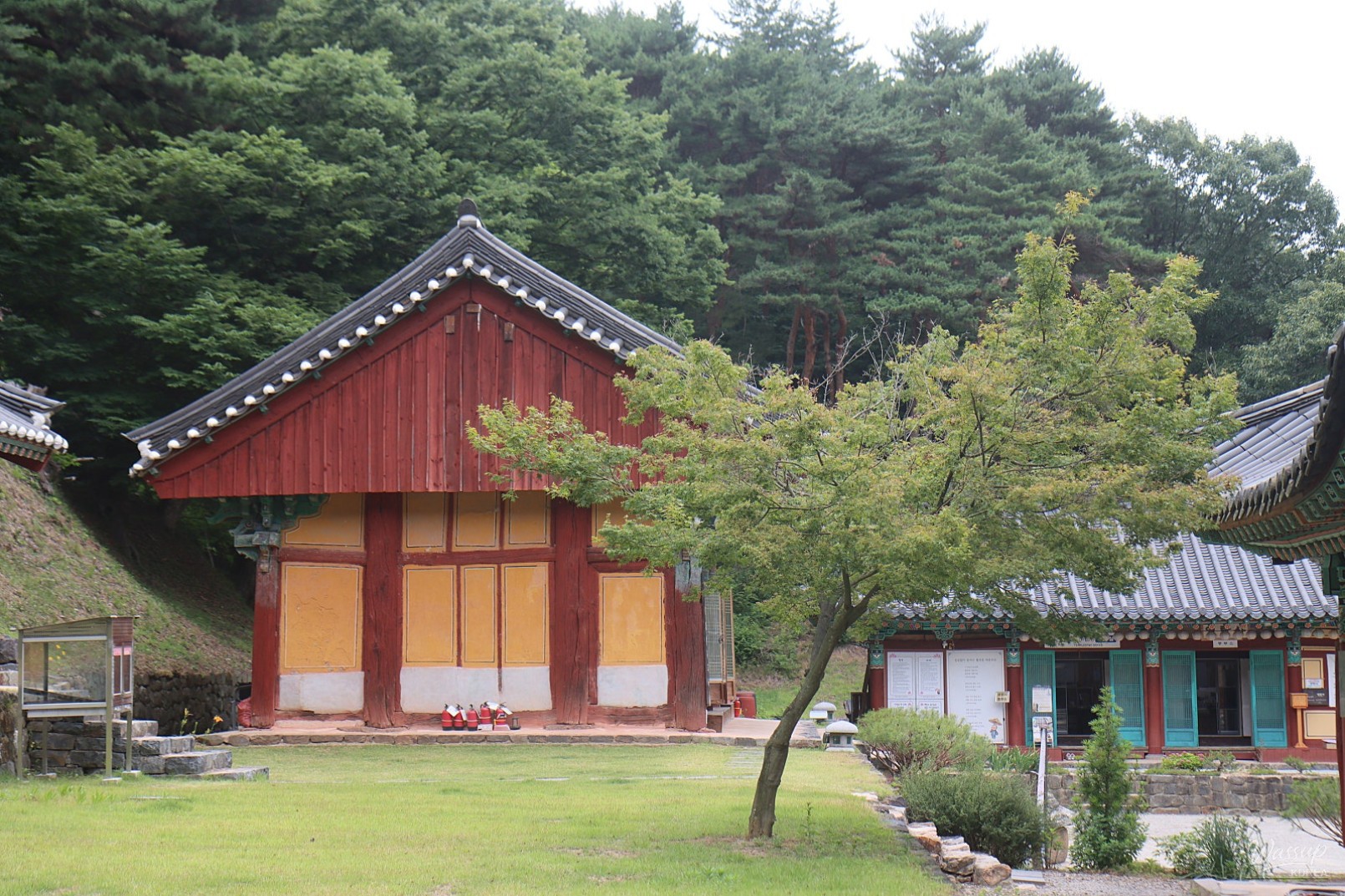
The elegant aesthetics created by the lines of the tranquil temple buildings, supported by a lush green forest backdrop, resemble a piece of traditional Eastern painting, offering modern individuals a true respite and time for introspection.
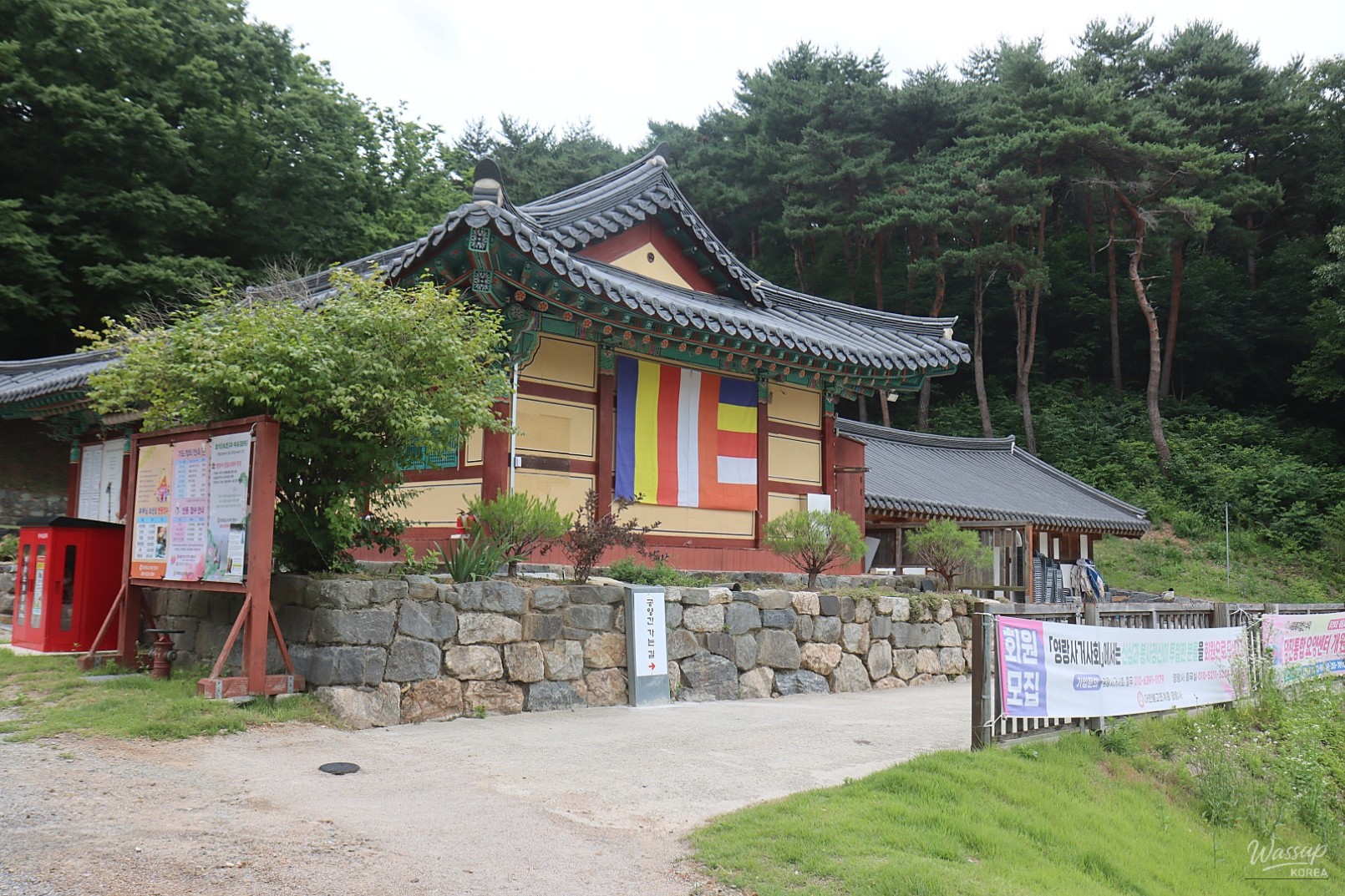
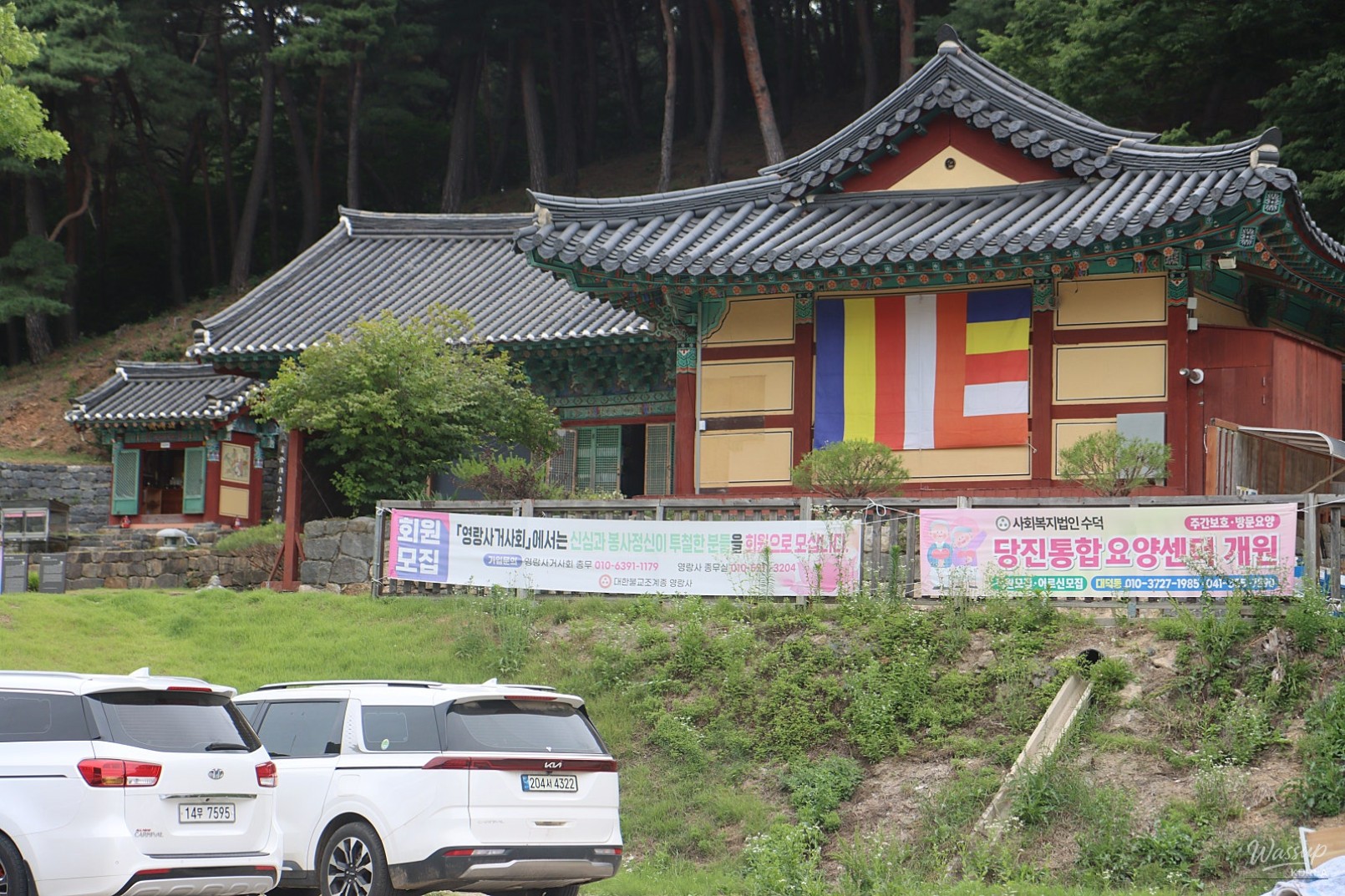
Upon entering the grounds of Yeongnangsa, which holds a millennium of history, visitors are warmly welcomed by the Daeungjeon hall, bearing the weight of time, and a well-maintained courtyard.
As a place rich in the long-standing traditional culture of the Dangjin area, each step reveals hidden stories and historical values, making the exploration all the more enjoyable.
While the temple structures may not be extravagant, taking the time to admire their understated elegance and imagining the wishes and passage of time of the countless individuals who have passed through here is a truly special experience.
It’s perfectly fine not to know the various meanings in Buddhism. Spending time gazing at the figures enshrined in the Daeungjeon and Sanshingak, and making a wish, can also be a meaningful practice.
Yeongnangsa is home to cultural heritage, including the Daeungjeon hall and a bronze bell, designated as cultural properties of Chungcheongnam-do. The Daeungjeon hall is built in a unique style that combines elements of the traditional Dapojip architecture, while the bronze bell inside was crafted in 1759.
Additionally, remnants of the base of a Cheongtap, popular during the Goryeo Dynasty, have been discovered, confirming its historical significance. Yeongnangsa is also the only surviving temple recorded among those listed in the 'Sinjeung Dongguk Yeoji Seungnam,' based on the 'Paldo Jiriji' compiled during the reign of King Sejong.
This weekend, consider shedding the burdens of the mind amidst the serene atmosphere of the temple and fully experiencing the comfort offered by Dangjin's lush nature and history. Time spent at Yeongnangsa will provide a valuable opportunity to care for yourself and recharge amidst a busy life.
Near Yeongnangsa, you can enjoy the beautiful views of the West Sea and the grand Seohae Bridge at Hanjin Port. Additionally, the nearby Samsun Mountain Arboretum, famous for its spacious lawns and picturesque photo spots, is perfect for a light stroll and relaxation. If you are planning a trip to Dangjin with loved ones, may you have a delightful time.







Source :https://blog.naver.com/dangjin2030/224340371040
No comments yet.