Exploring the Historical Significance of Dangjin Myeoncheon Eupseong
- Original source
- blog.naver.com



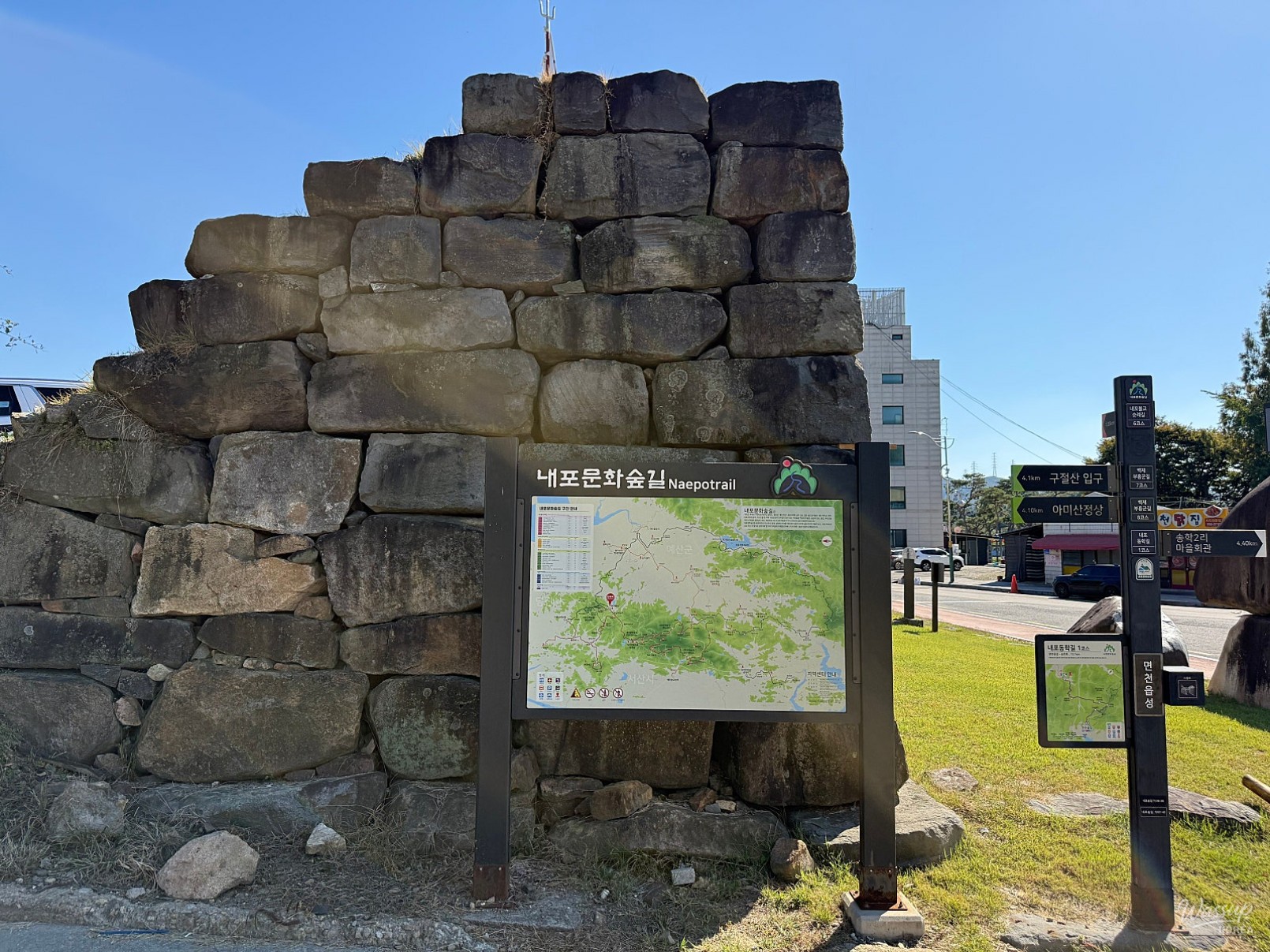
The first thing I encountered at Dangjin Myeoncheon Eupseong was the fortress wall.
Built in 1439 during the 21st year of King Sejong's reign, Dangjin Myeoncheon Eupseong is a flatland fortress constructed to protect against Japanese invasions and to safeguard the administrative center.
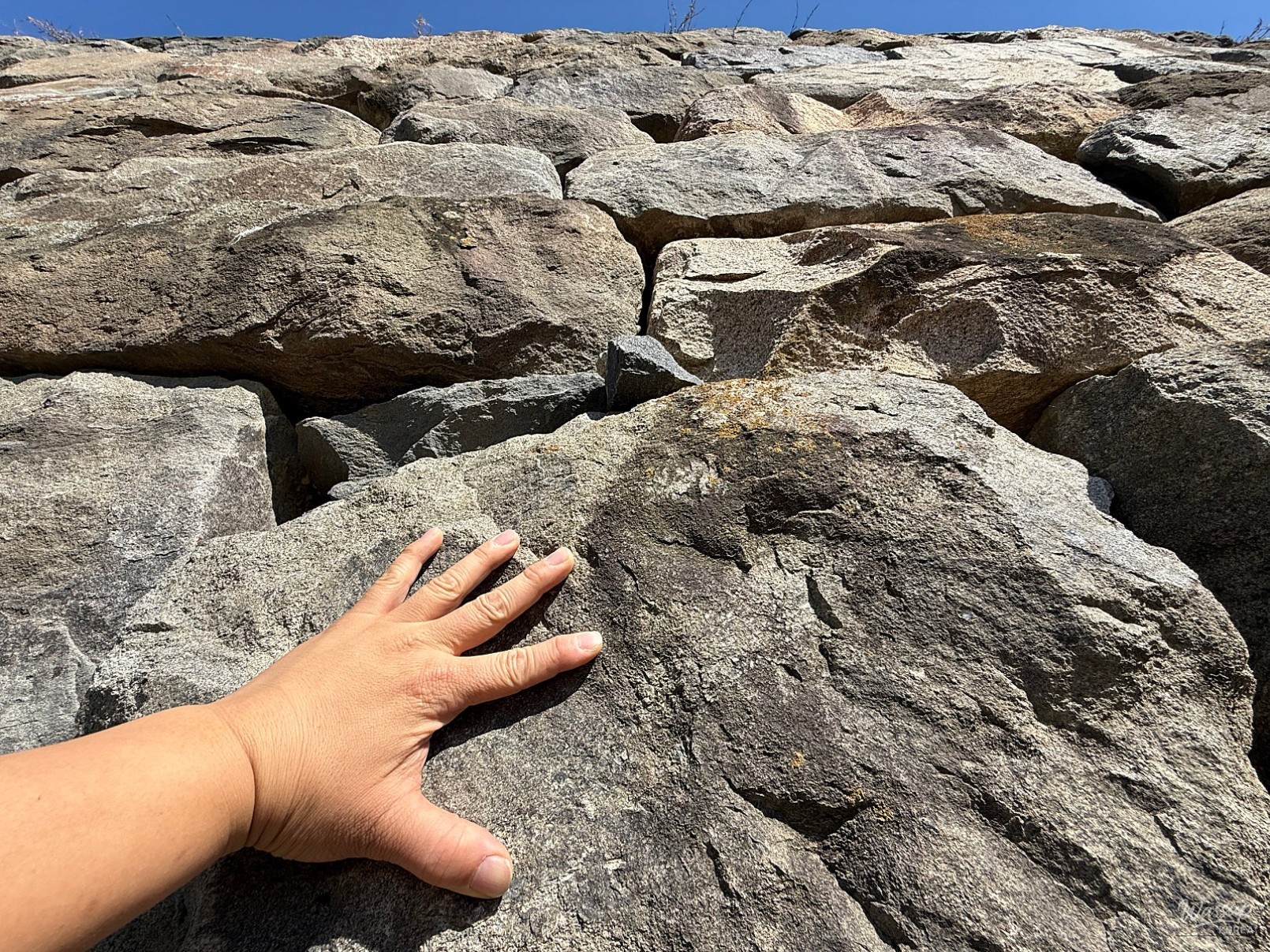
Curious, I touched a brick from the wall with my palm at the entrance, feeling the weight of hundreds of years of history beneath my fingertips.
In front of the fortress wall, there is a sign for the Naepo Cultural Forest Trail and a directional sign pointing towards the summit of Amisan. If you enjoy walking trips, consider this site as a starting point.
There is a painful history intertwined with the persecution of Catholics, and during the Donghak Peasant Movement, battles were fought here, offering various lessons in history.
Since 2007, extensive restoration efforts have taken place, and now the southern gate, bastion, west wall, and guesthouse have all regained their original appearances.
I was concerned that the restoration might feel awkward, resembling new buildings, but the stone color harmonizes with the surroundings, creating a neat and tranquil atmosphere.
The true reason I urge you to visit Dangjin Myeoncheon Eupseong begins here.
As you pass through the southern gate and enter the fortress, a unique landscape unfolds, unlike any other fortress.
While there are still traces of ongoing repairs, I accepted this as part of the fortress's history.
This is not just a place where walls stand alone; within Dangjin Myeoncheon Eupseong, a village exists.
Upon visiting, I noticed that unlike other artificially developed fortresses, life within this fortress continues to thrive.
The alleys and building styles of the old village remain intact, while modern commercial spaces are gradually emerging, adding a new layer of meaning to Dangjin Myeoncheon Eupseong.
The holes throughout the fortress walls likely served as spaces for cannons and rifles to protect against external invasions.
In the past, someone must have patrolled these walls, safeguarding the residents from outside threats.
Today, however, this site serves as a valuable tourist resource, intertwined with the history of Dangjin.
Walking between the aged walls and rooftops feels like a stopover during a time travel adventure, especially when discovering a café or shop.
Inside the fortress, two ginkgo trees, believed to be nearly a thousand years old, are designated as natural monuments.
The legend tells that when General Bok Ji-gyeom fell ill, his daughter Yeong-rang prayed on Amisan, and as instructed in a dream, she brewed a drink with azaleas and planted a ginkgo tree, leading to his recovery.
The final stop for a healing walk is the "Guesthouse," a space used for local officials or envoys traveling to various regions during the Goryeo and Joseon dynasties.
Tourists visiting Dangjin can sit here and enjoy the autumn fragrance, making it a meaningful weekend getaway.


Source :https://blog.naver.com/dangjin2030/224448900362
More from Travel




No comments yet.