Exploring the Historical Nong Bridge in Jincheon
- Original source
- blog.naver.com


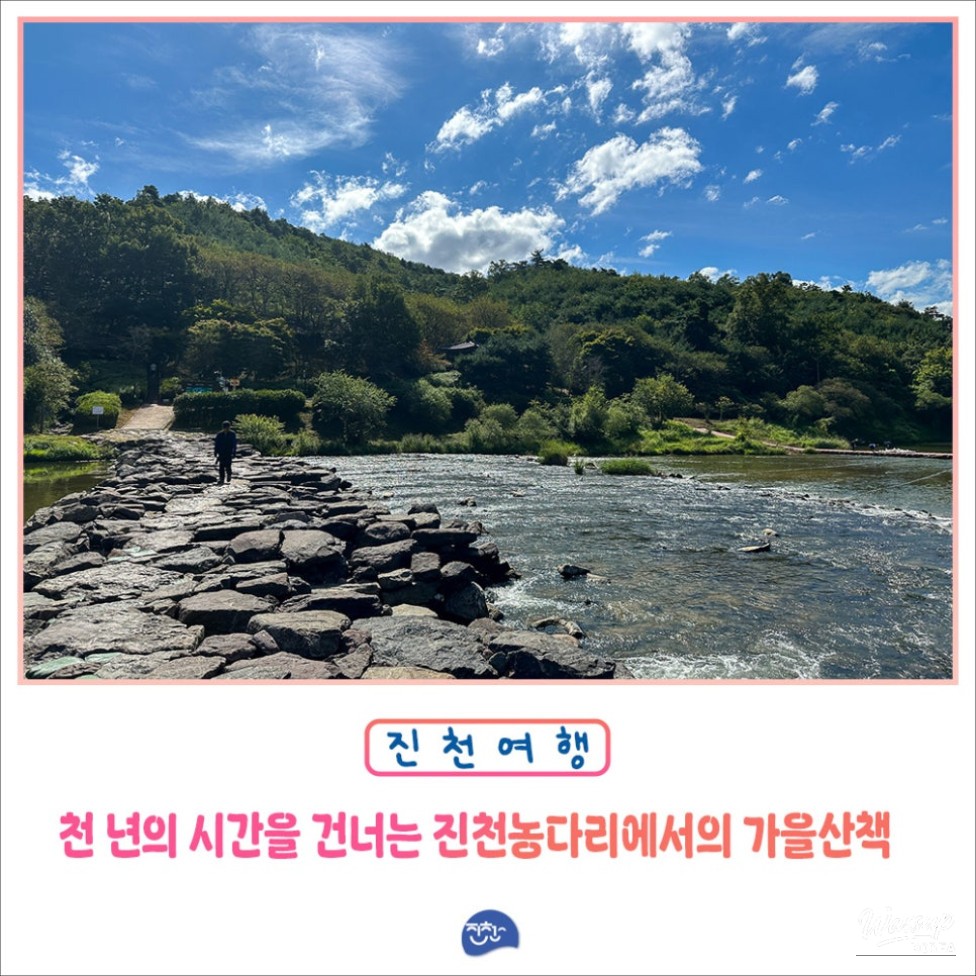
The Nong Bridge, one of the cultural heritages representing Jincheon, offers a glimpse into its long history and the surrounding nature.
Believed to have been built during the Goryeo Dynasty, the Nong Bridge is an ancient stone bridge. The 'Sangsanje' published in 1932 records a story that it was constructed by General Im during the early Goryeo period.
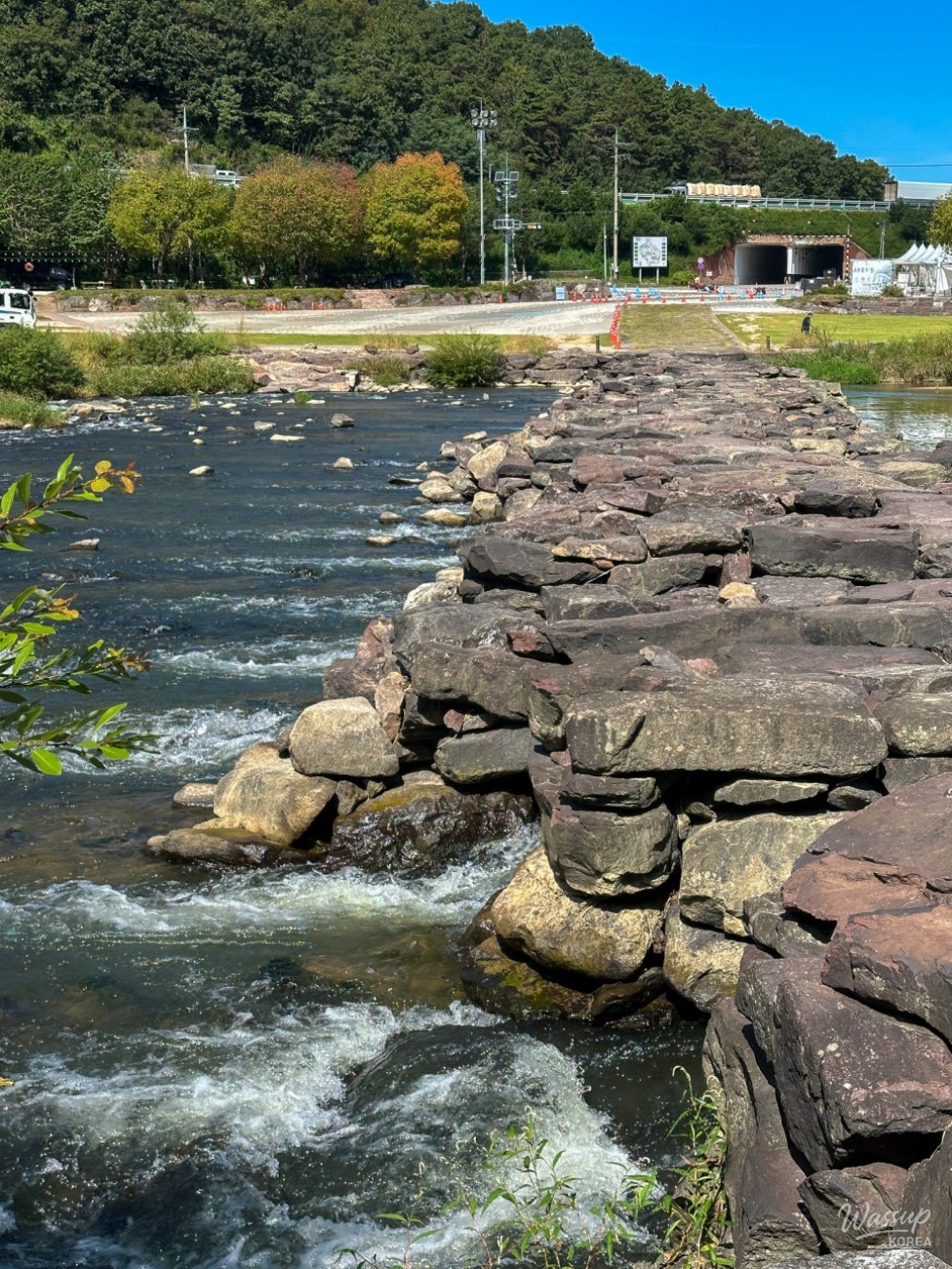
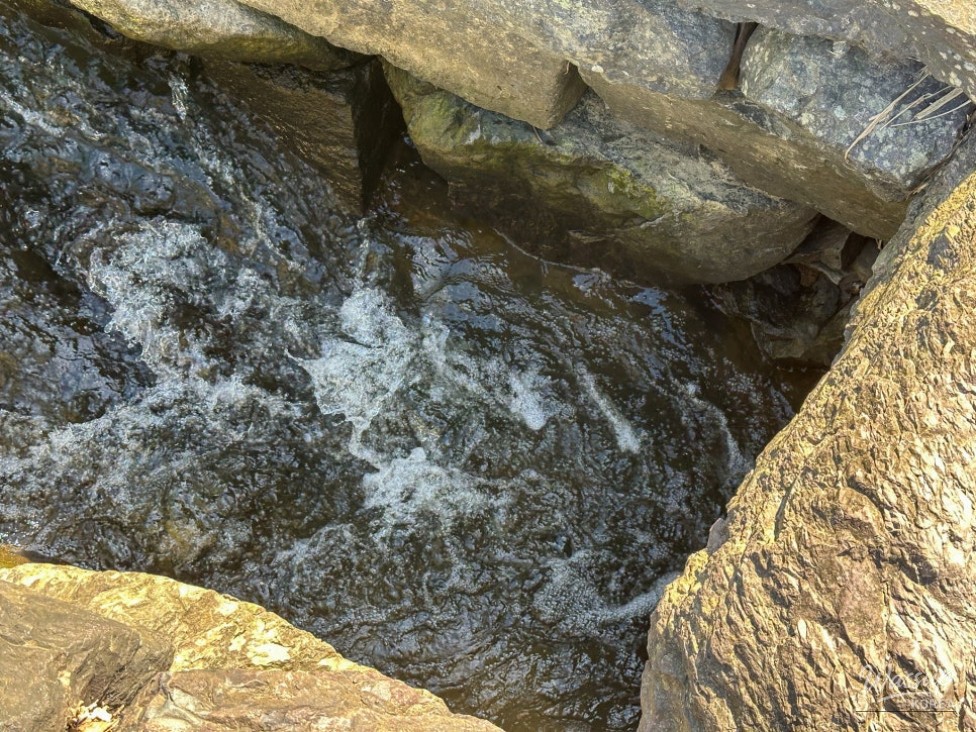
It is fascinating that, at a time when construction equipment was not as advanced as today, natural stones were stacked one by one to create a bridge over the waterway. The fact that the stones were interlocked without any adhesive material, allowing the bridge to withstand the water flow for a long time, showcases the construction techniques of that era.
Despite undergoing repairs and maintenance over the years, the bridge has retained its original appearance, confirming its historical value.
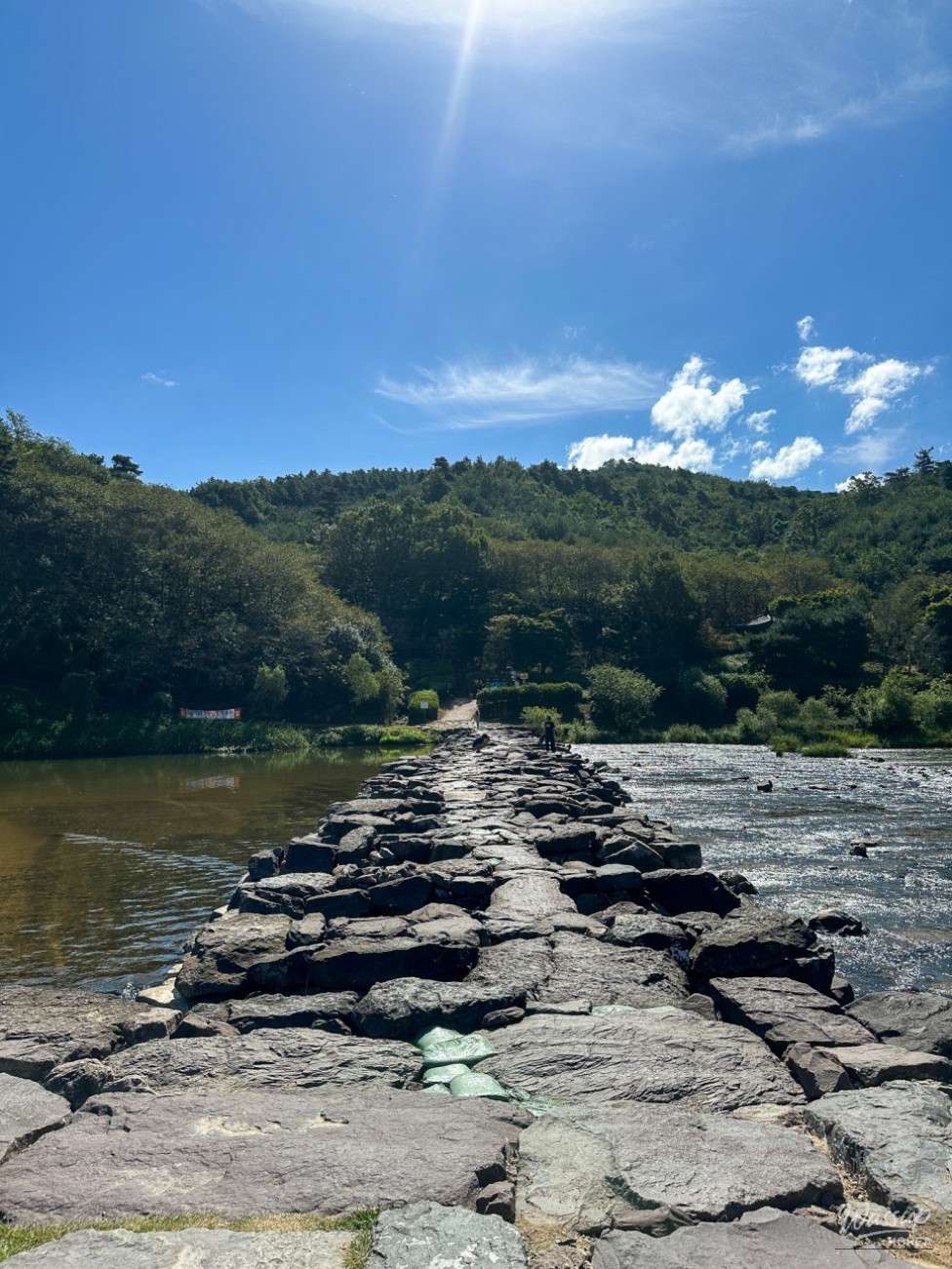
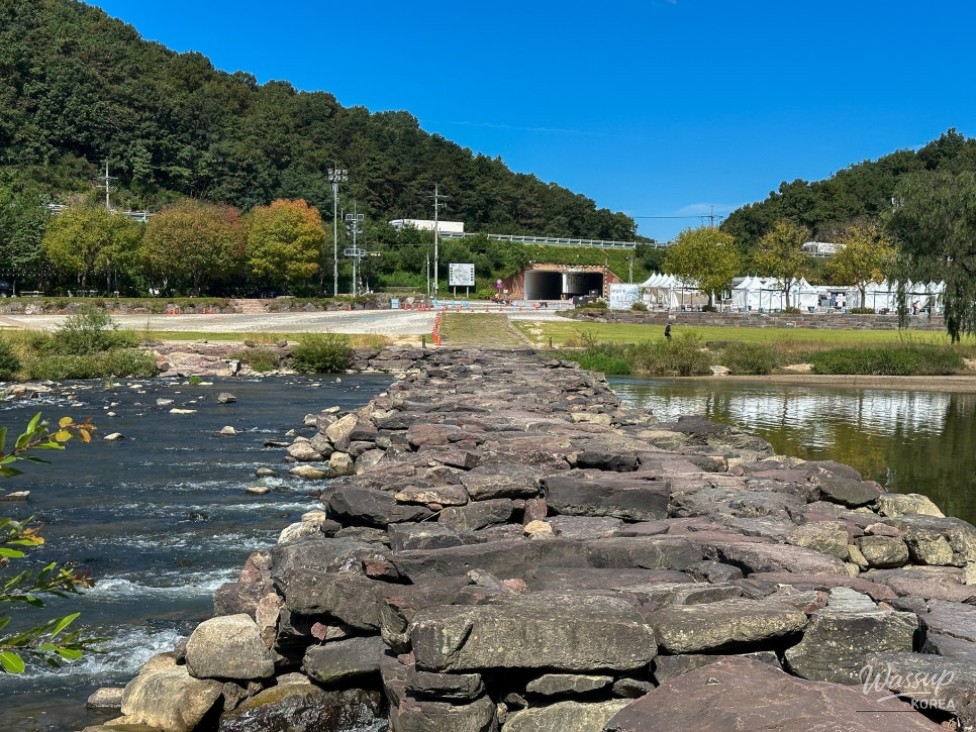
Upon closer inspection, you can see that the stones are not uniformly cut; instead, they are natural stones of various sizes and shapes interlocked together. From a distance, it looks like a single stone bridge, but as you approach, you can better appreciate how the stones were arranged to form the bridge.
[Nong Bridge]
Location: 128 Gusan-dong, Munbaek-myeon, Jincheon-gun, Chungcheongbuk-do
Admission Fee: Free
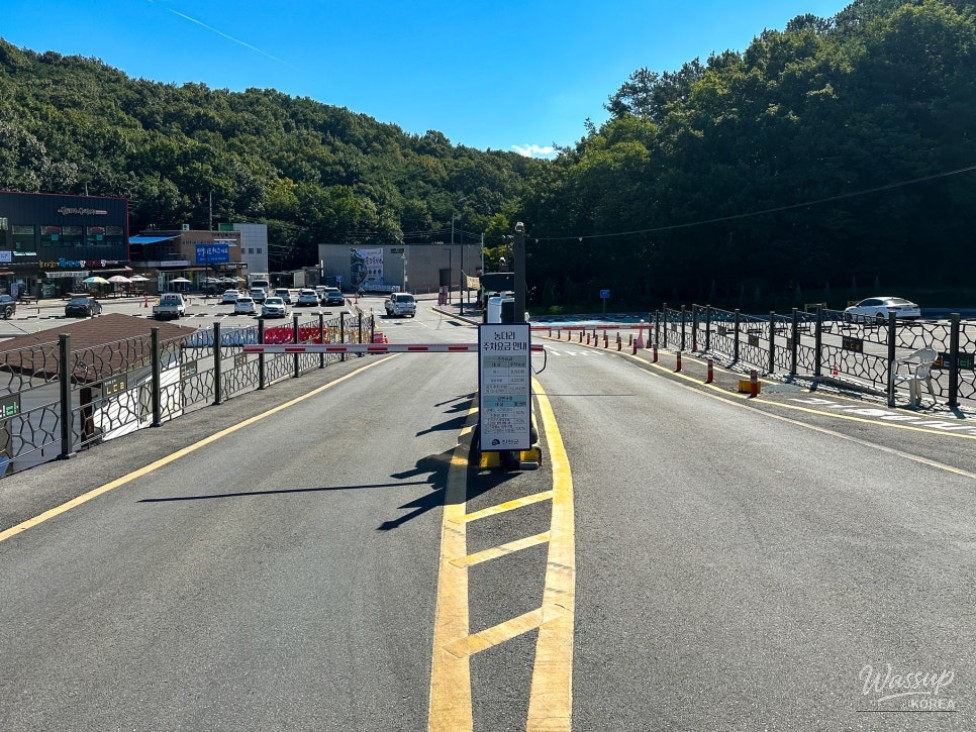
Parking Fee: 4,000 KRW for regular cars for up to 12 hours
Note: Access may be restricted due to weather conditions such as heavy rain or typhoons.
The Nong Bridge has ample parking space, making it convenient for visitors arriving by car. The parking fee is reasonable, allowing for a leisurely exploration of the surrounding walking trails rather than just a quick visit to the bridge.
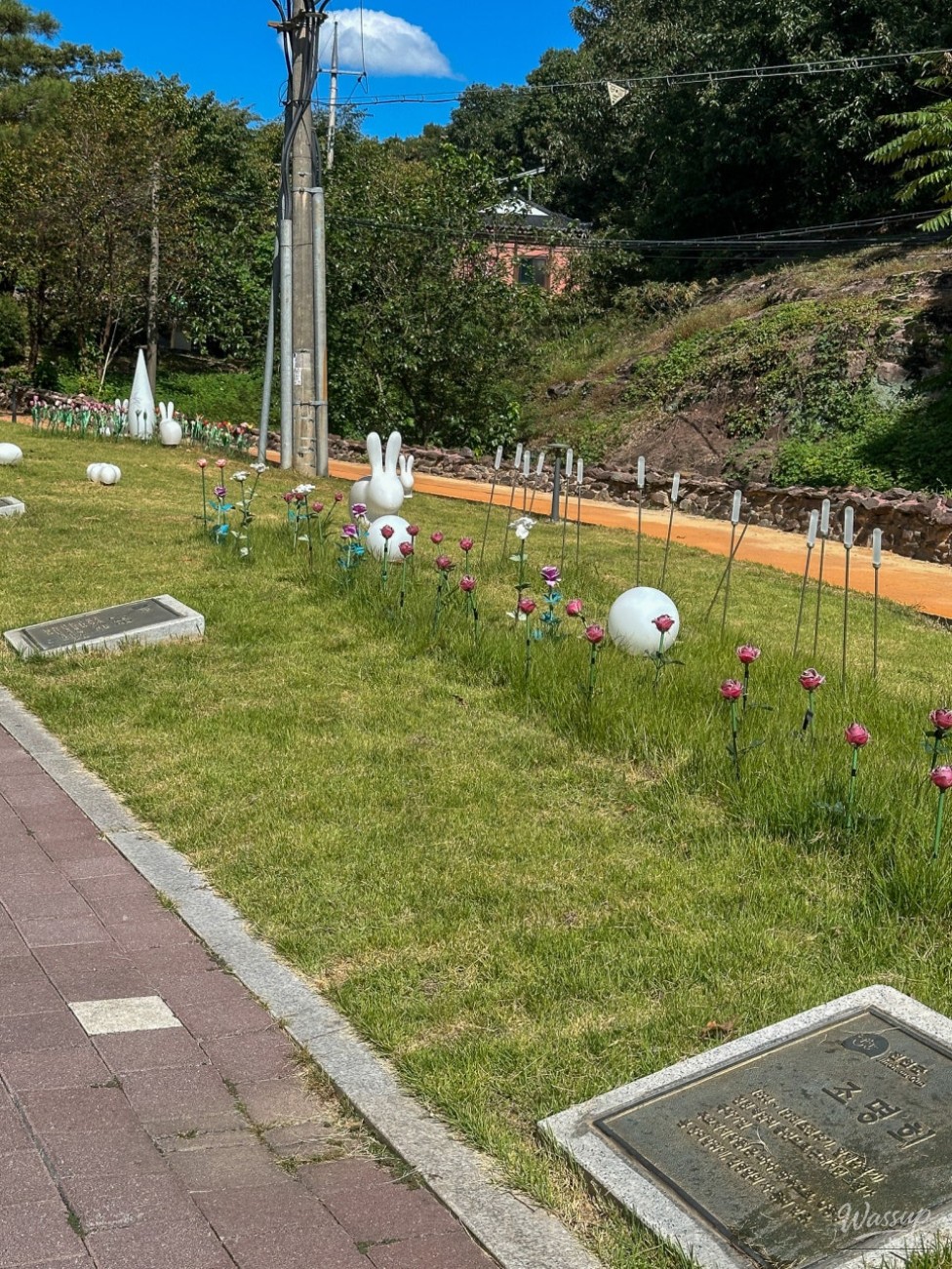
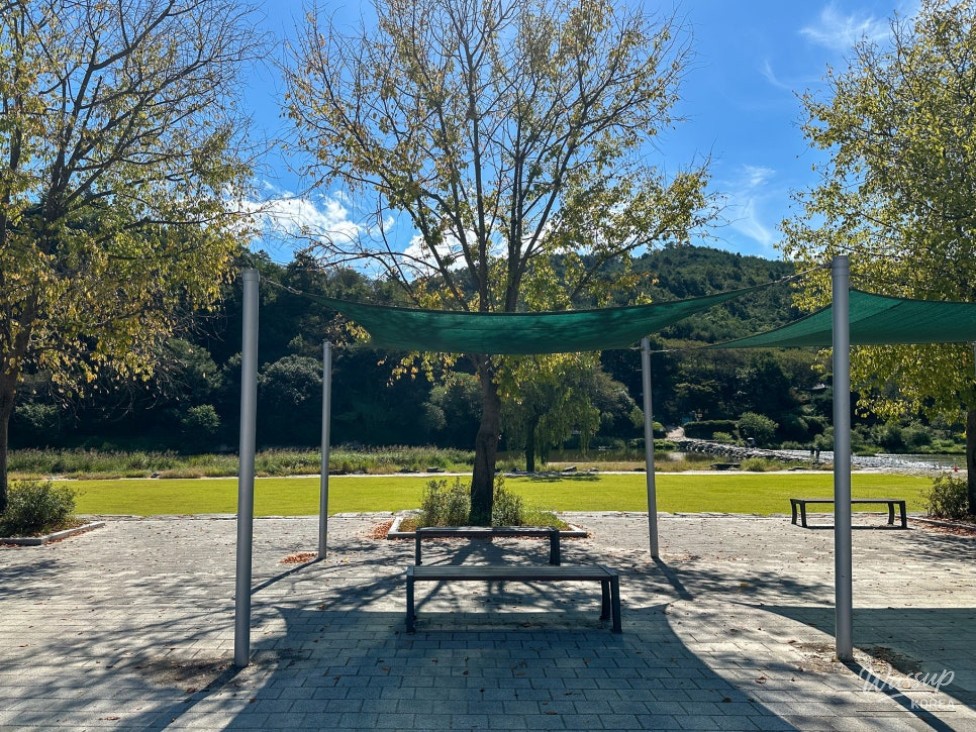
After parking, the walk towards the bridge is not long, and you can enjoy the scenery along the way before reaching the bridge that crosses the waterway.
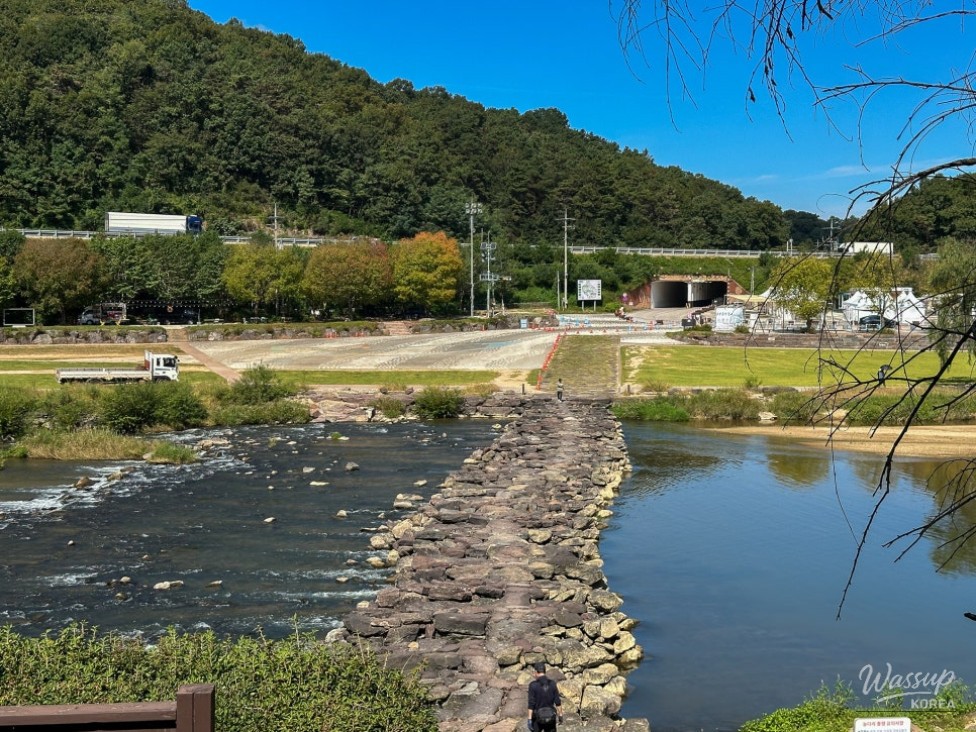
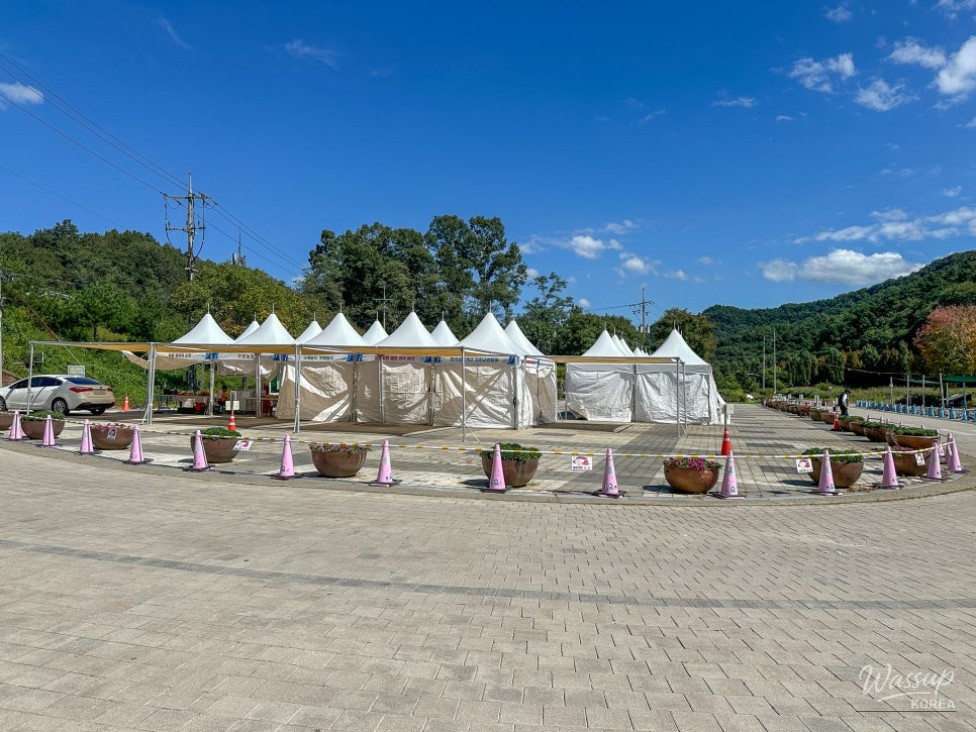
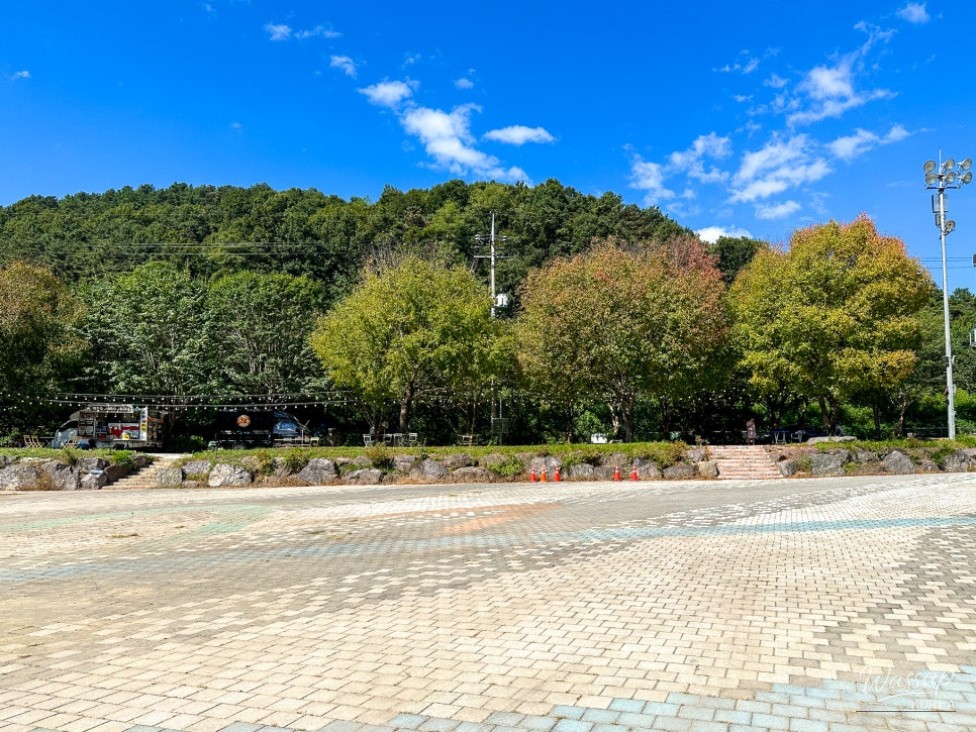
During my visit, preparations were underway to welcome autumn visitors, with sales booths and food trucks around the bridge, creating a lively atmosphere.
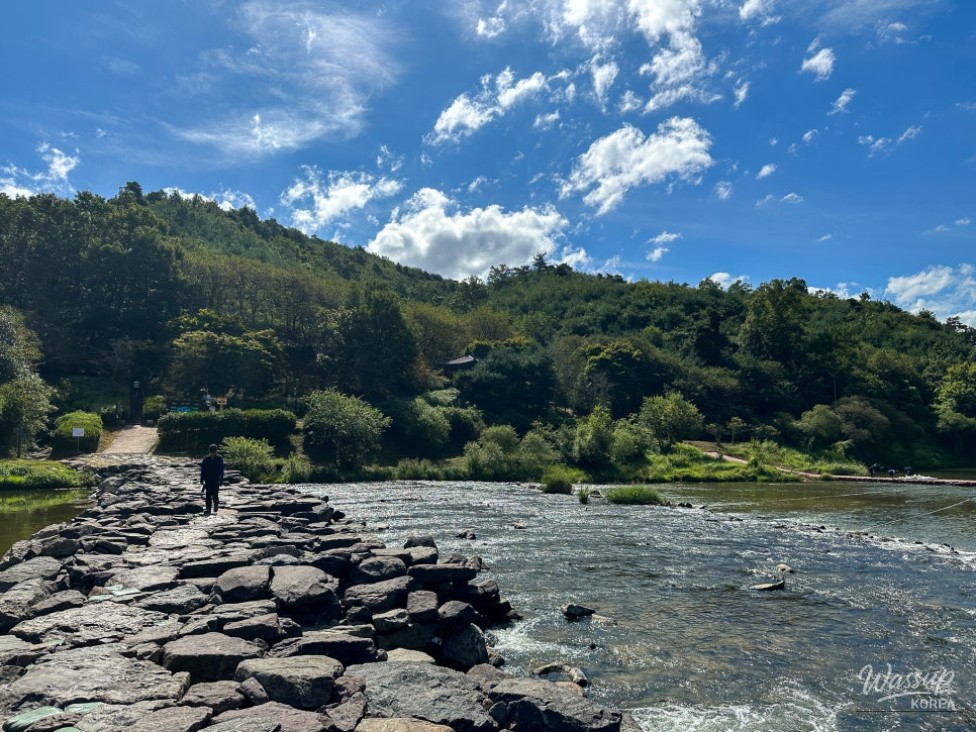
As I approached the bridge, I was impressed that despite numerous repairs over the years, it still allows people to cross it directly.
The Nong Bridge is not a typical flat bridge; it is made of natural stones, and the height and spacing of the stones vary. Therefore, it is advisable to watch your step while crossing to fully enjoy the beautiful surroundings.
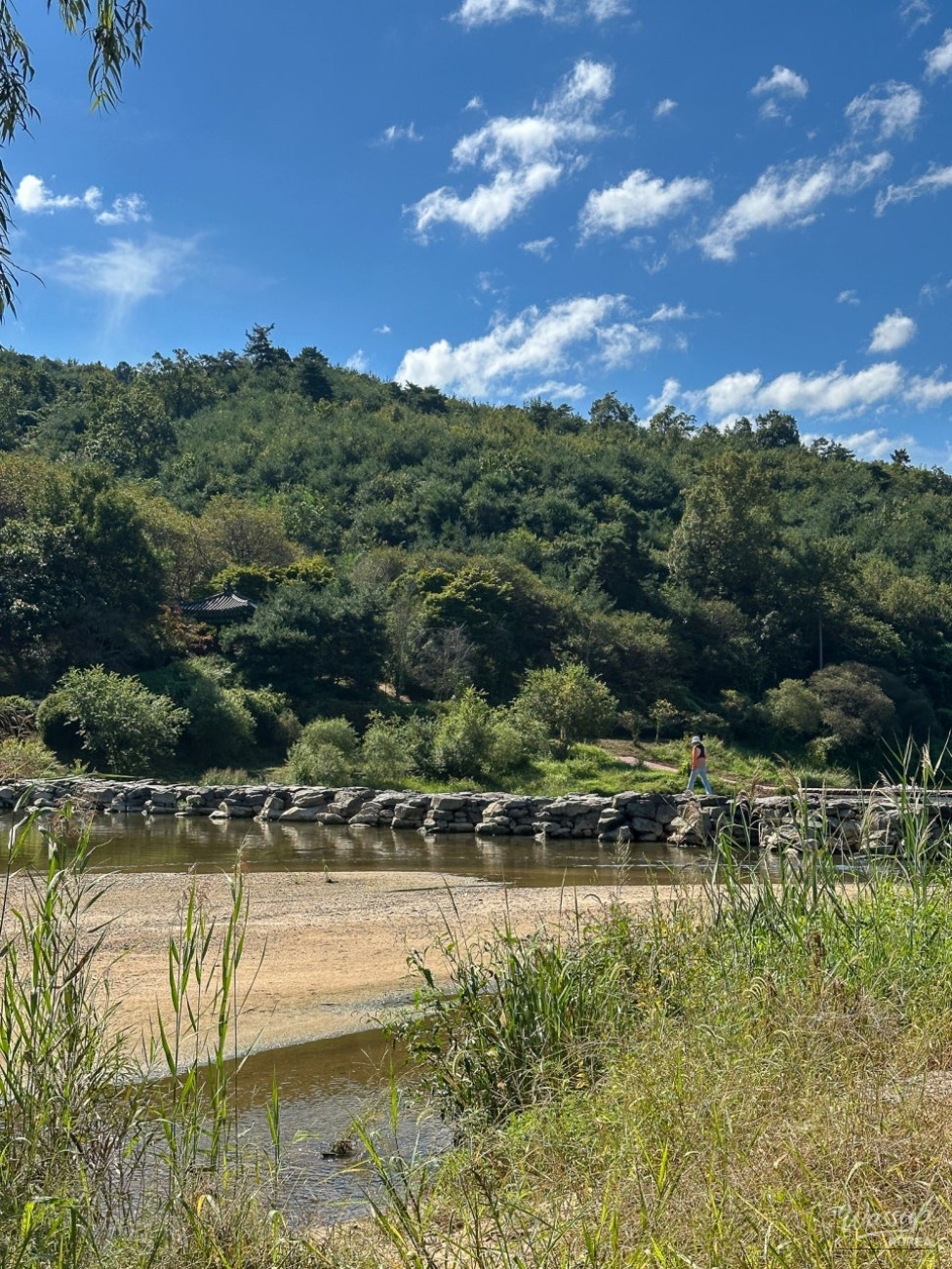
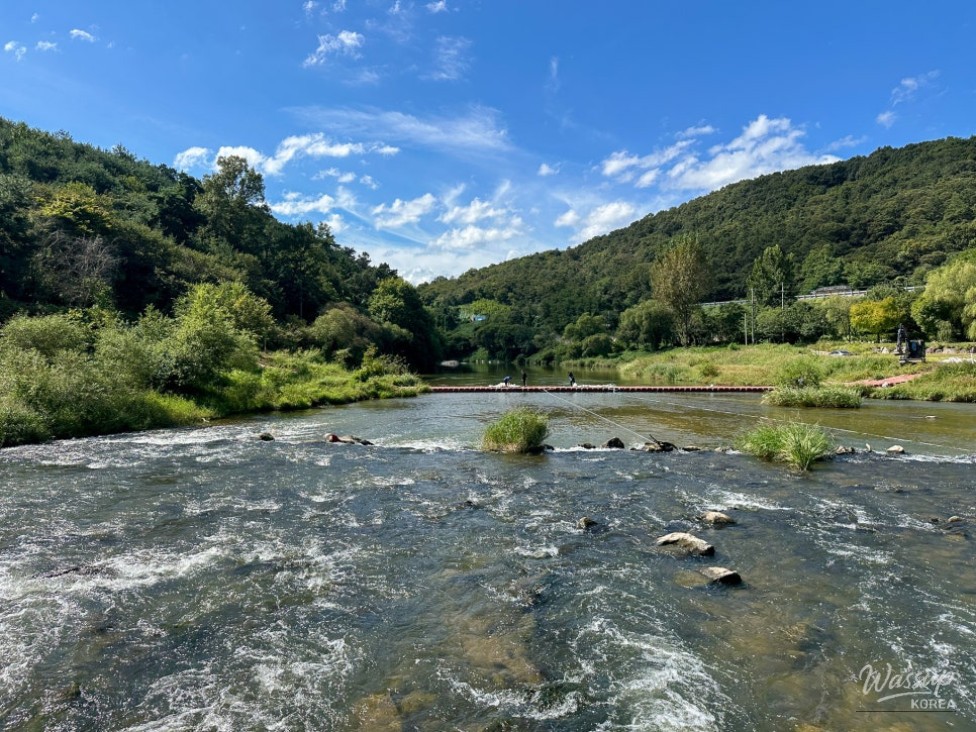
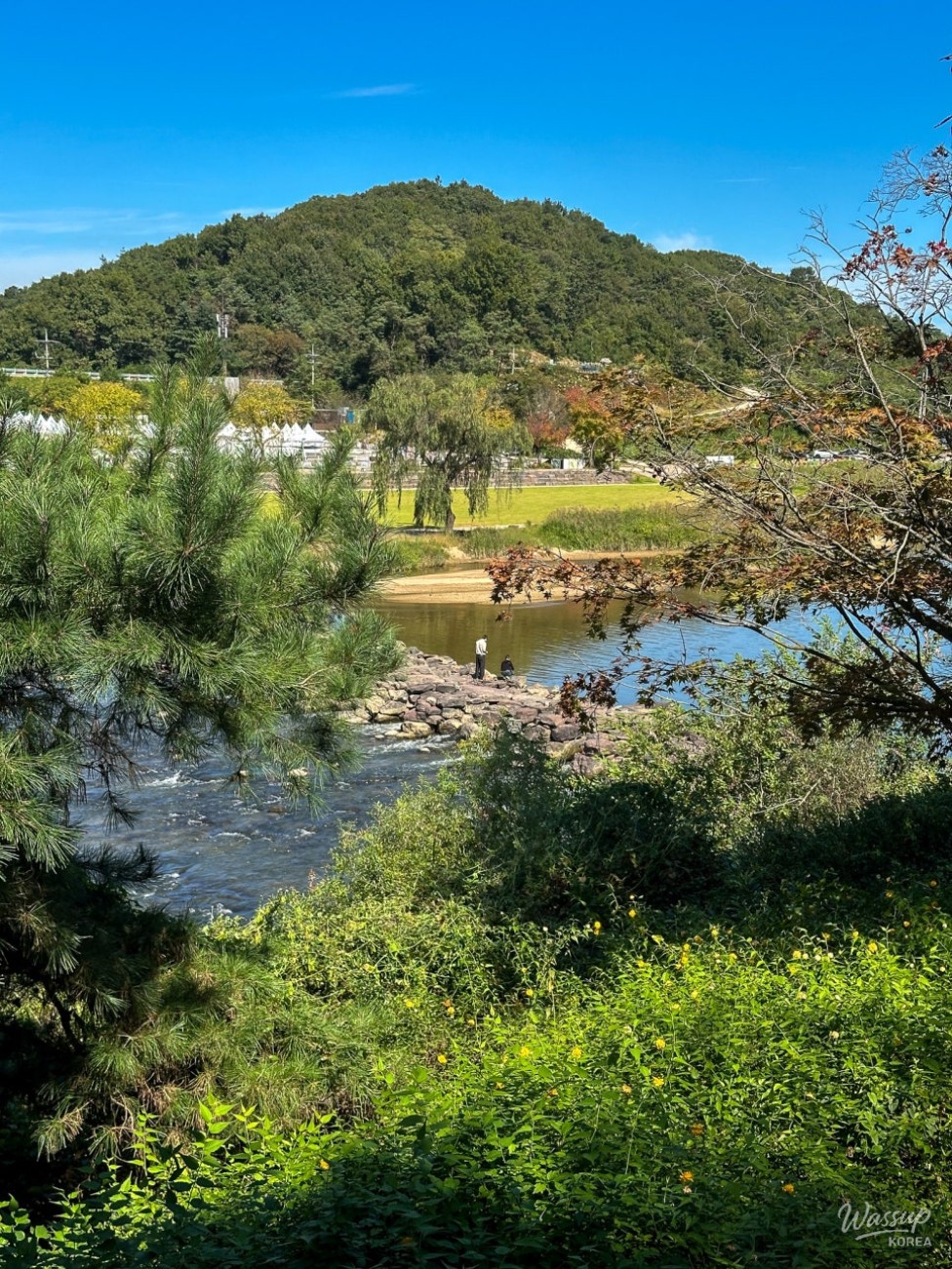
My visit coincided with the transition from the lush greenery of summer to the autumn scenery. From the bridge, you can see the trees and mountains along the waterway, with hints of the changing seasons, making it a perfect spot to enjoy the early autumn landscape.
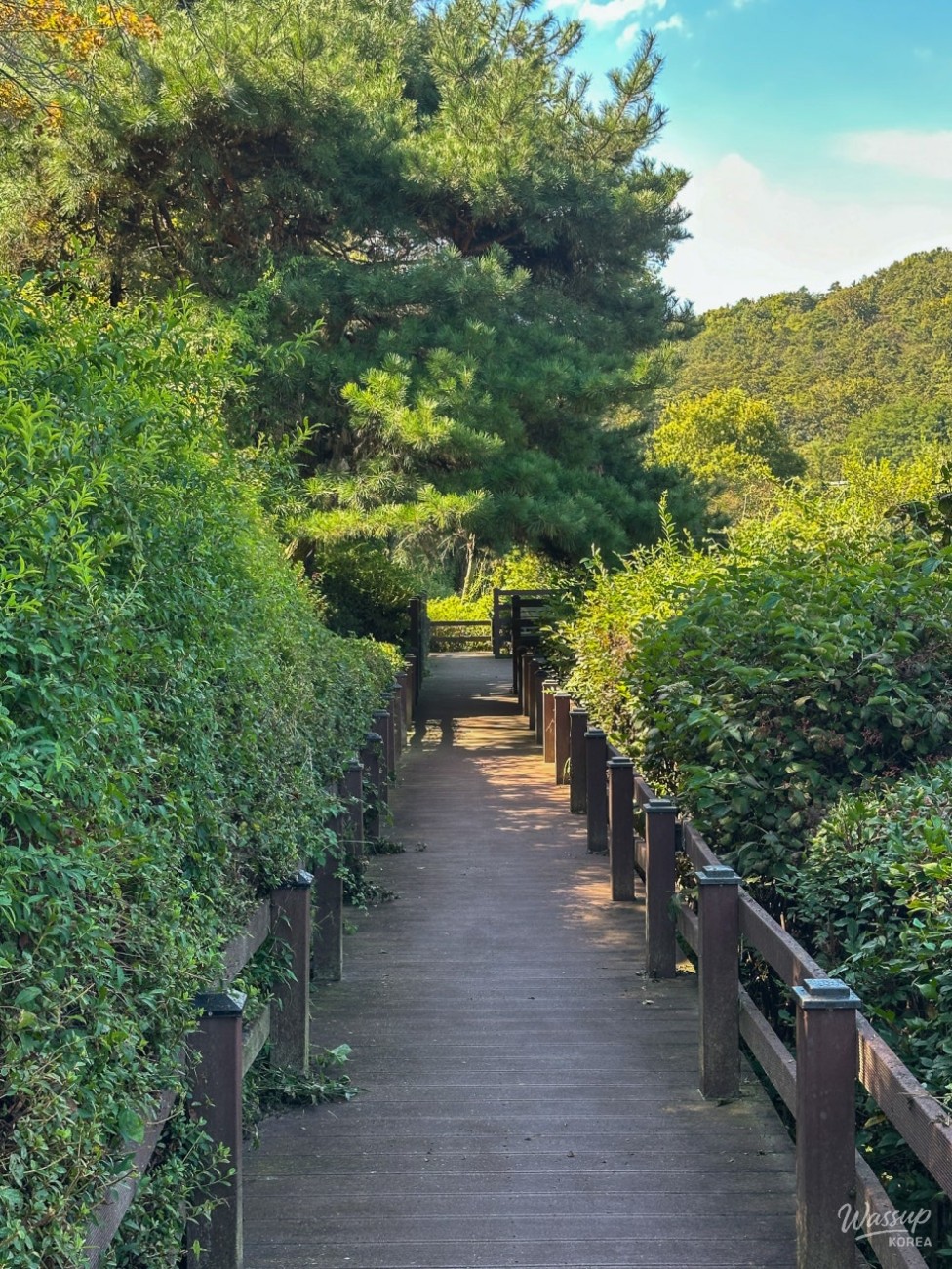
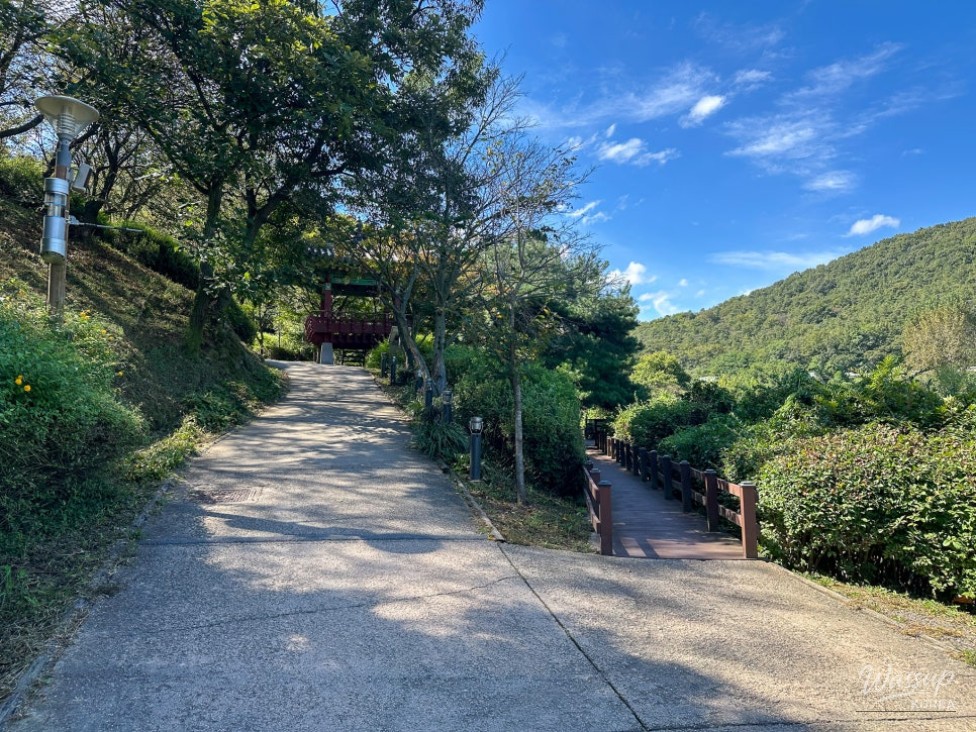
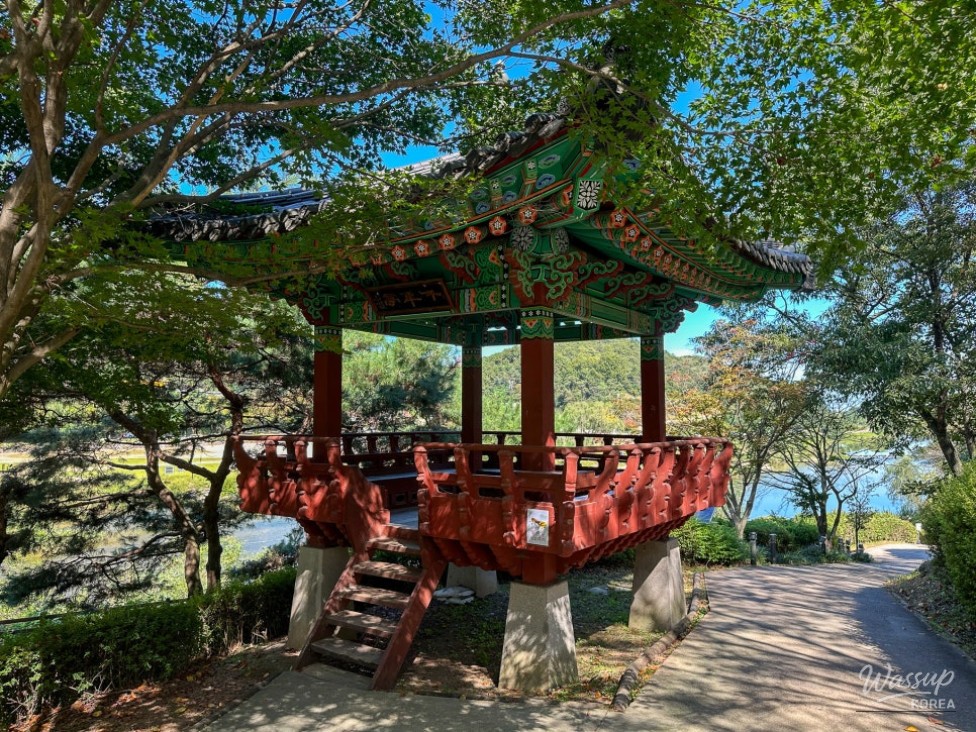
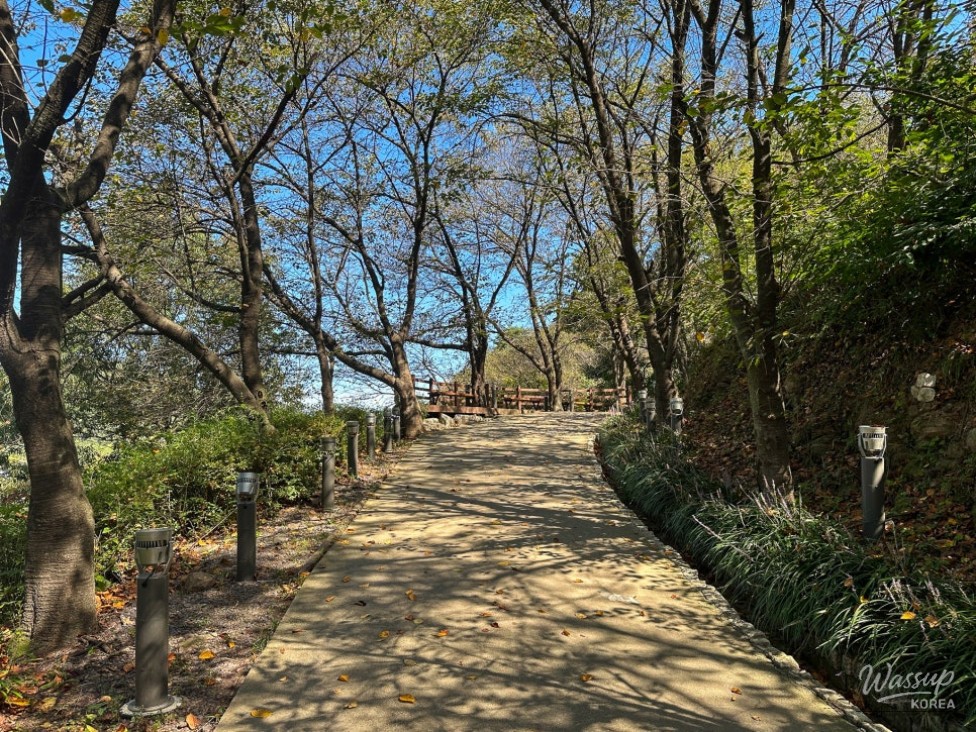
After crossing the bridge, take a moment to explore the nearby walking trails. As you ascend the path to the pavilion, you can see the bridge and its surroundings from different angles.
The view of the bridge from the pavilion offers a different perspective, showcasing its entire form spanning over the water, surrounded by mountains and rivers.
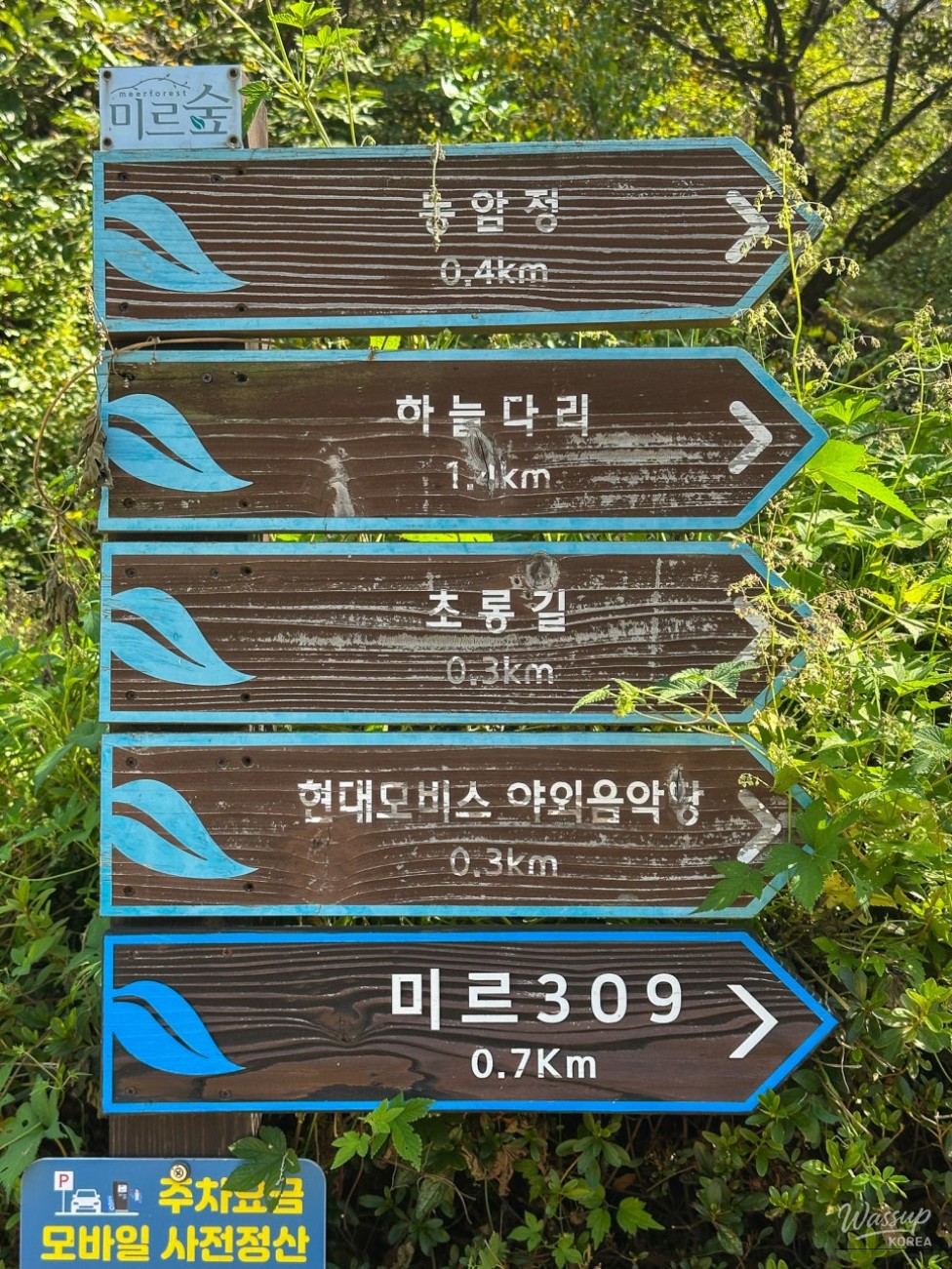
There are also walking trails nearby where you can experience nature up close. The area connects to the Choryong Trail and the Chopyeong Lake, making it worthwhile to explore the trails instead of just visiting the bridge.
Crossing the ancient stone bridge and enjoying the picturesque early autumn landscape of the merging waterway and mountains is a memorable experience. Be sure to visit and appreciate the historical Nong Bridge and its natural surroundings!

Source :https://blog.naver.com/jincheongun/224419890388
More from Travel





No comments yet.