Exploring Songgang Cultural Village



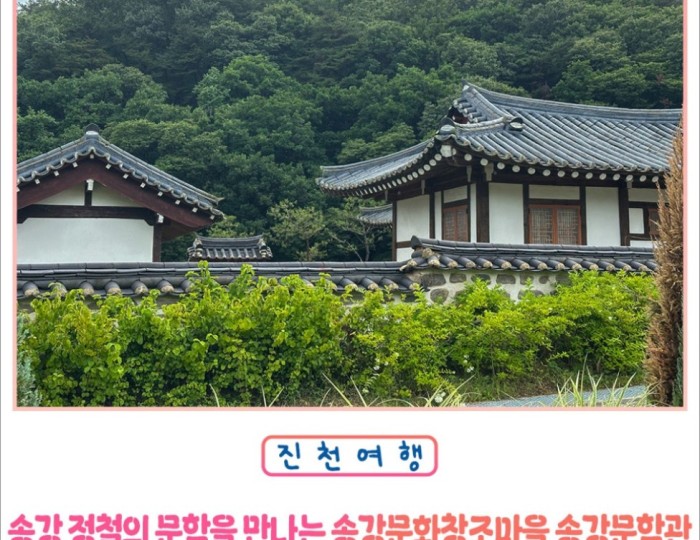
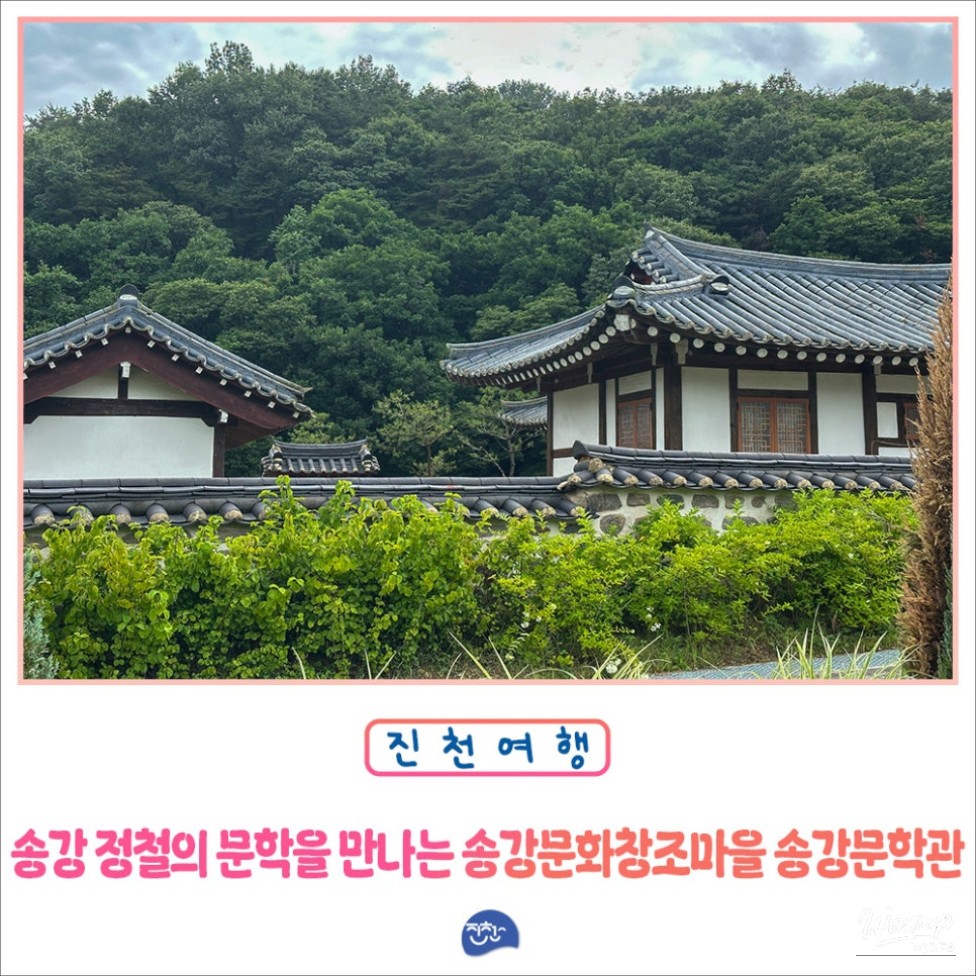
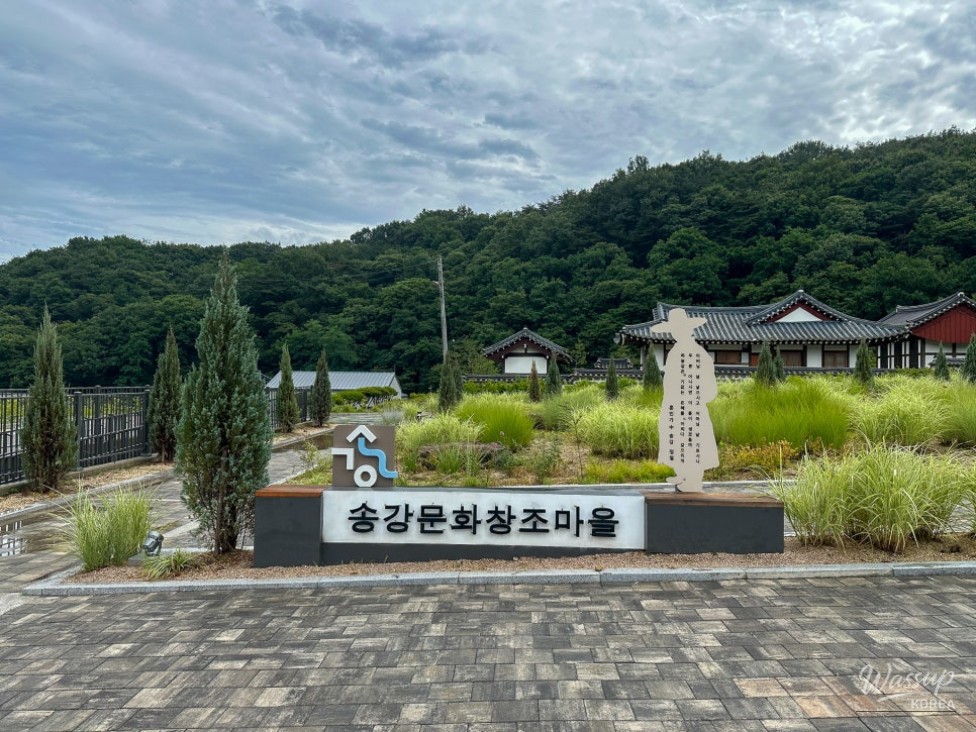
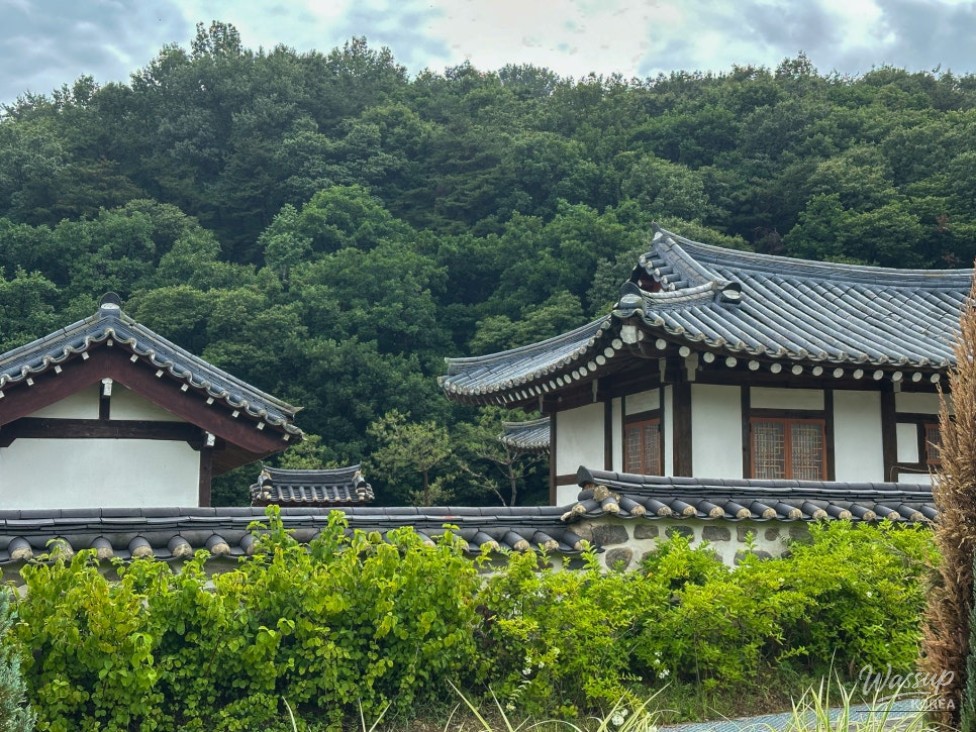
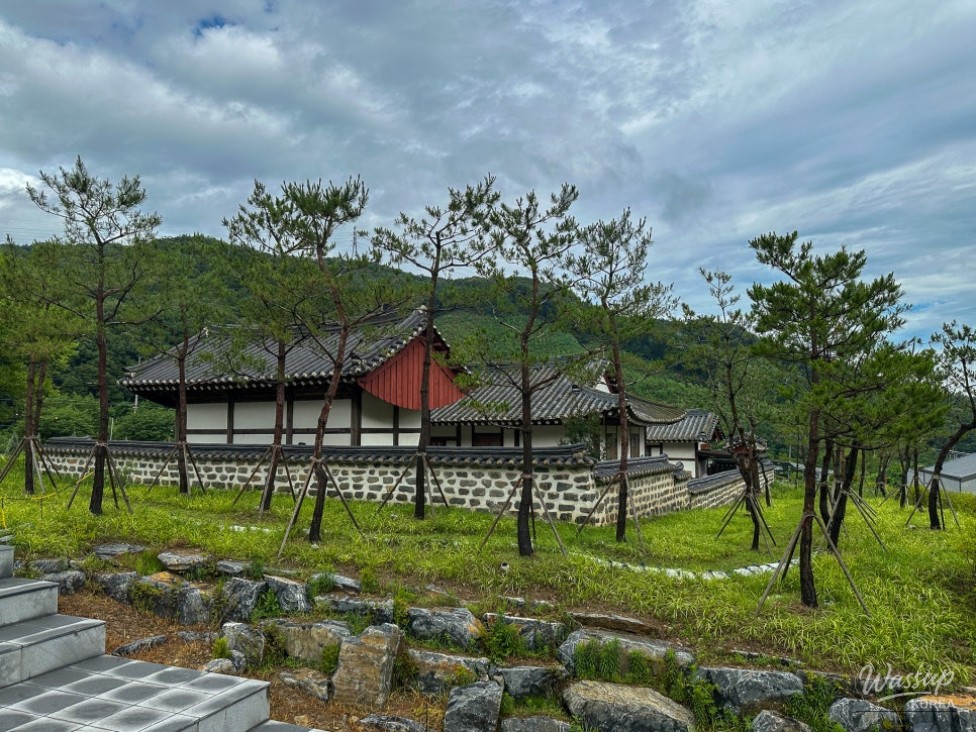
At the foot of Hwanhui Mountain in Munbaek-myeon, Jincheon-gun, there is the Songgang Cultural Village, where visitors can delve into the life and literature of Songgang Jeongcheol, a prominent politician and literary figure of the mid-Joseon period. The area has been revitalized, featuring the existing Jeongsonggangsa and Jeongcheol's tomb, along with a literature museum, café, and resting spaces, creating a cultural hub that intertwines history, literature, and nature.
[Songgang Literature Museum]
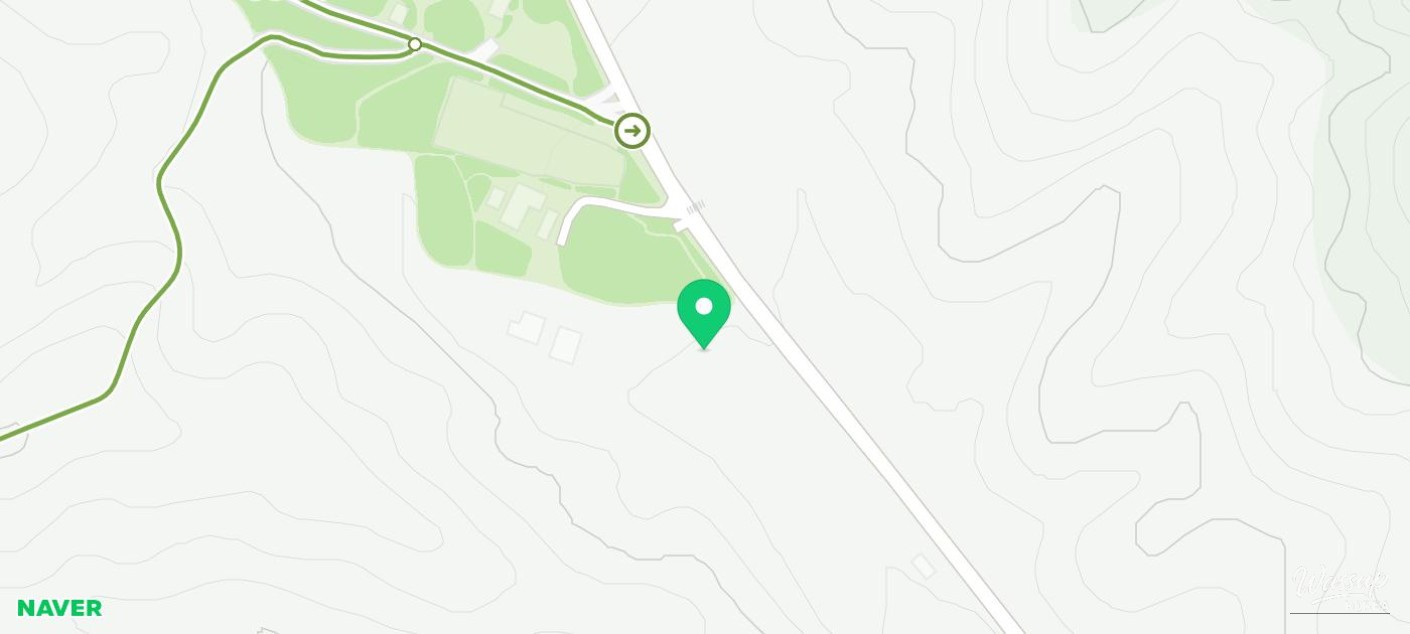
Location: 520 Bongjuk-ri, Munbaek-myeon, Jincheon-gun, Chungcheongbuk-do
Operating Hours: Tuesday to Sunday, 09:00 AM to 06:00 PM; Winter Hours: 09:00 AM to 05:00 PM
Closed: Every Monday, the day after a public holiday if Monday falls on a holiday, January 1st, Lunar New Year, and Chuseok holidays
Admission Fee: Free
Parking: Available at Songgang Cultural Village parking lot
The Songgang Cultural Village offers a parking area for visitors, and the pathways connecting the Songgang Literature Museum to Jeongsonggangsa are well-maintained, making it convenient to explore the outdoor spaces after visiting the museum.
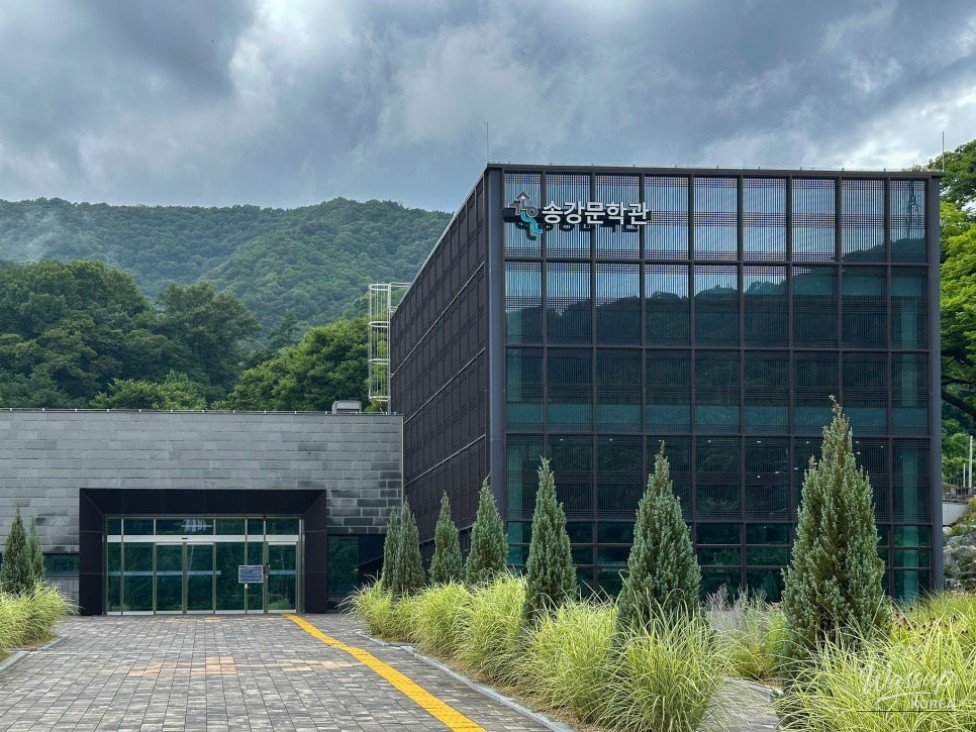
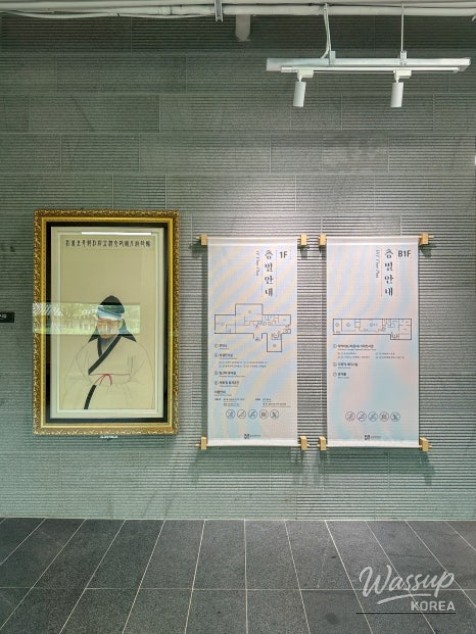
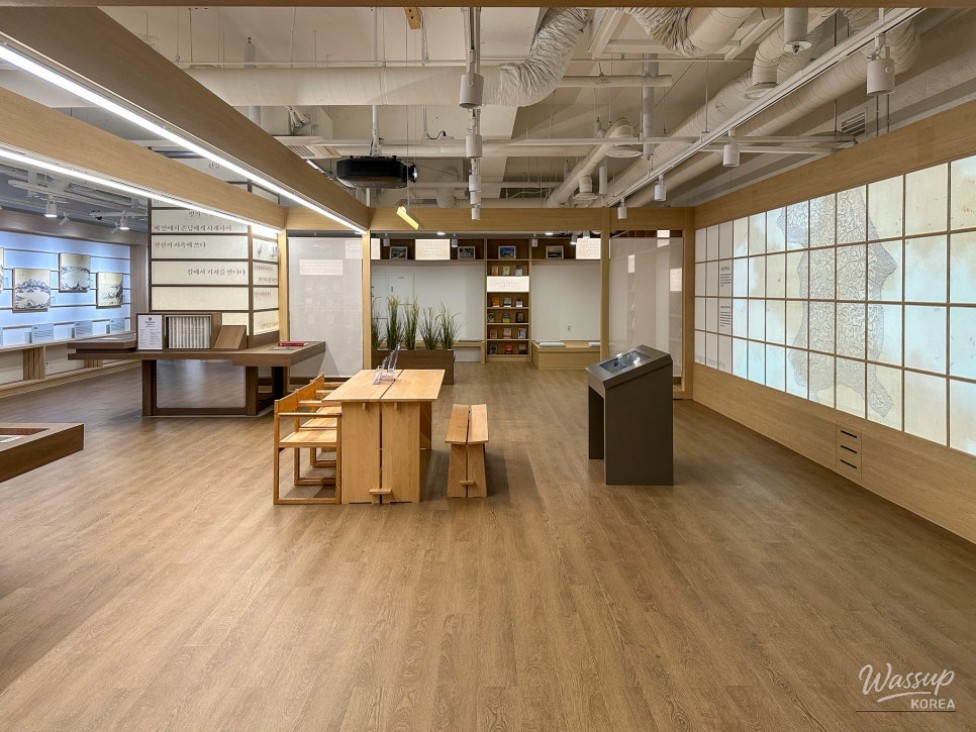
The Songgang Literature Museum serves as an exhibition space showcasing the major works and life of Songgang Jeongcheol. The exhibition area consists of a first floor and a basement, featuring a permanent exhibition hall, a special exhibition hall, an archive, a lounge, and a seminar room.
Songgang Jeongcheol, born in 1536 and passed away in 1593, is recognized as a key figure in Korean literature and politics during the mid-Joseon period. He is celebrated for works such as 'Gwandongbyeolgok', 'Samiiingok', and 'Hunminga', which expanded the expressive power of Korean lyrical literature.
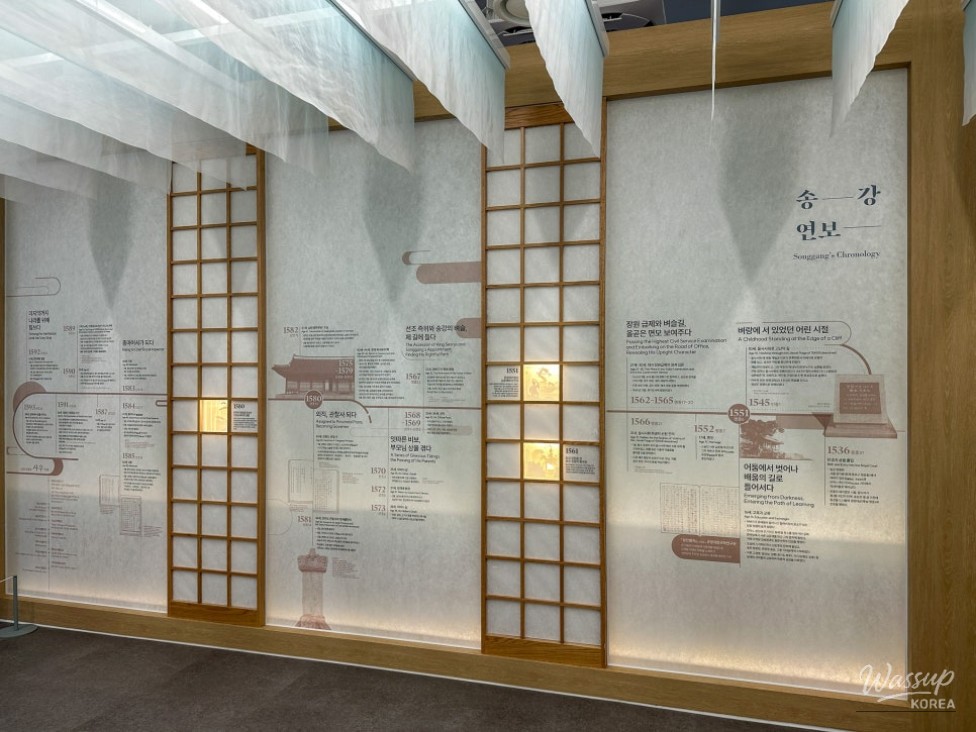
The first-floor permanent exhibition hall allows visitors to explore Songgang's life in chronological order. It is designed to help visitors understand the historical context in which his literary works were created, along with significant anecdotes and relationships with contemporaries.
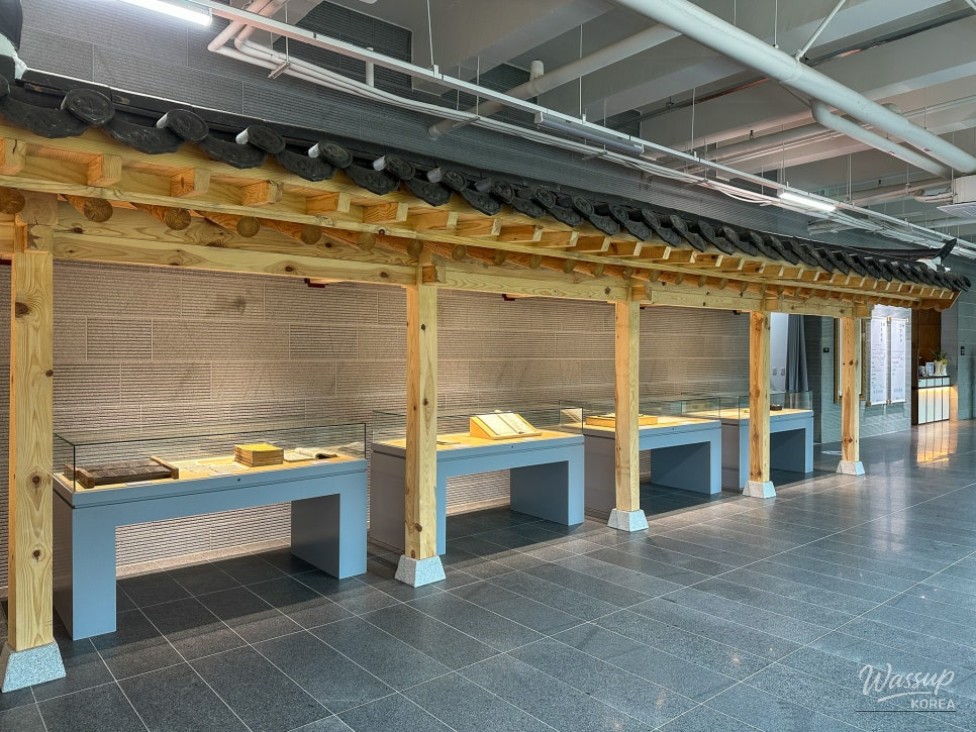
The exhibition features a variety of materials, including Songgang's collected works, memorial writings, and personal letters. It connects his literary contributions to his political activities, official duties, and periods of seclusion, which is a distinctive aspect of this place.
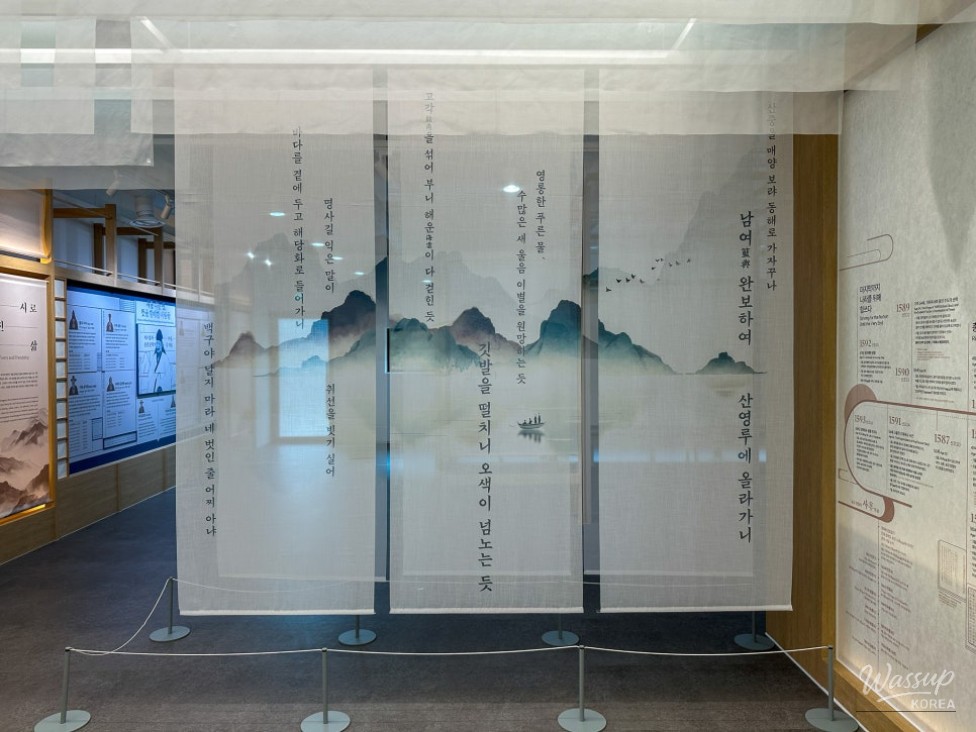
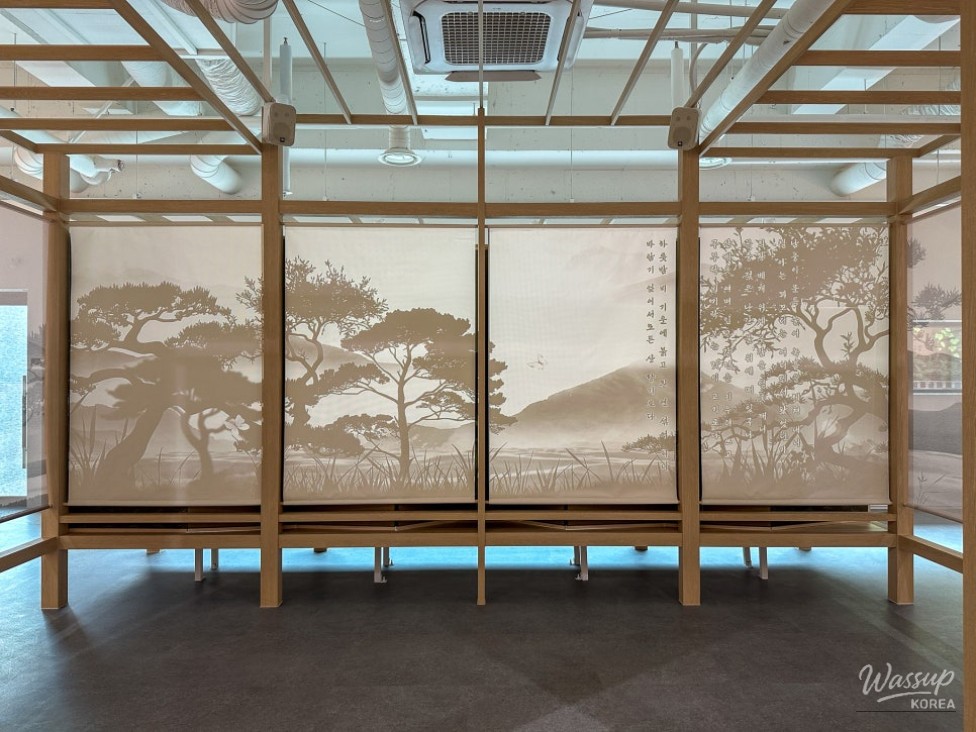
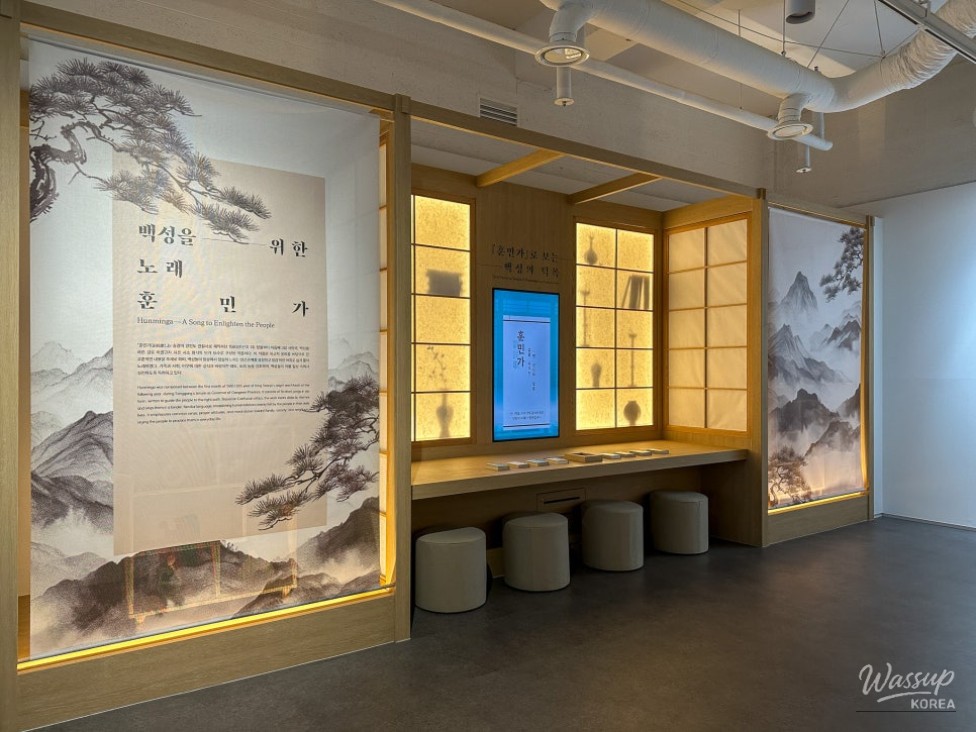
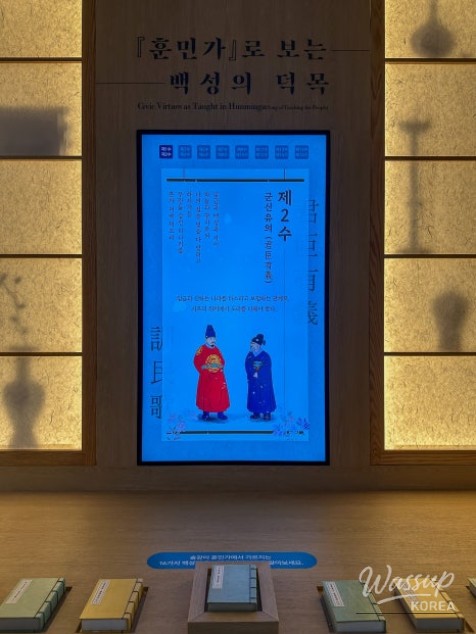
As you progress through the exhibition, you will encounter Songgang's representative works such as 'Hunminga', 'Gwandongbyeolgok', 'Samiiingok', and 'Sokmiingok'. Using audio and video materials, visitors can listen to the works, making it easier for those unfamiliar with classical literature to grasp the content and atmosphere.
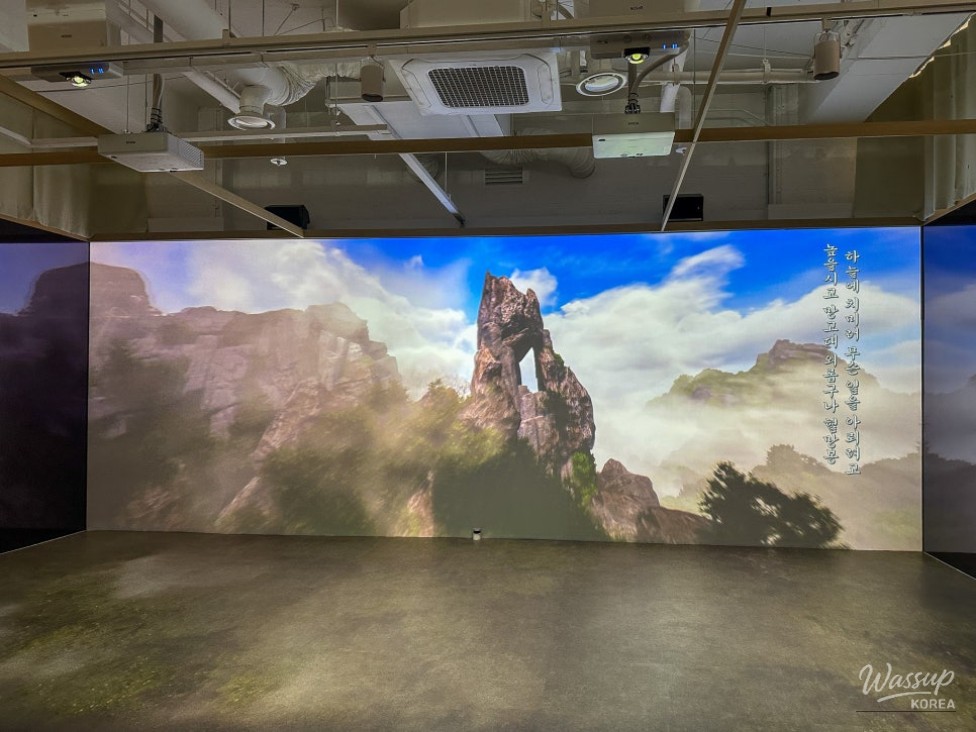
In the 'Deep Flow of True Heart' space, visitors can enjoy media art that combines the landscapes of Gwandong Eight Scenic Views with Songgang's lyrics. The natural scenery depicted in 'Gwandongbyeolgok' is presented on a large screen, allowing for a visual exploration of the background of the work that was previously encountered only in text.
On the basement level, there are special exhibition rooms, an archive, and a lounge. The archive provides access to materials related to Songgang's life and literature, with seating available for visitors to take a break or read related books during their visit.
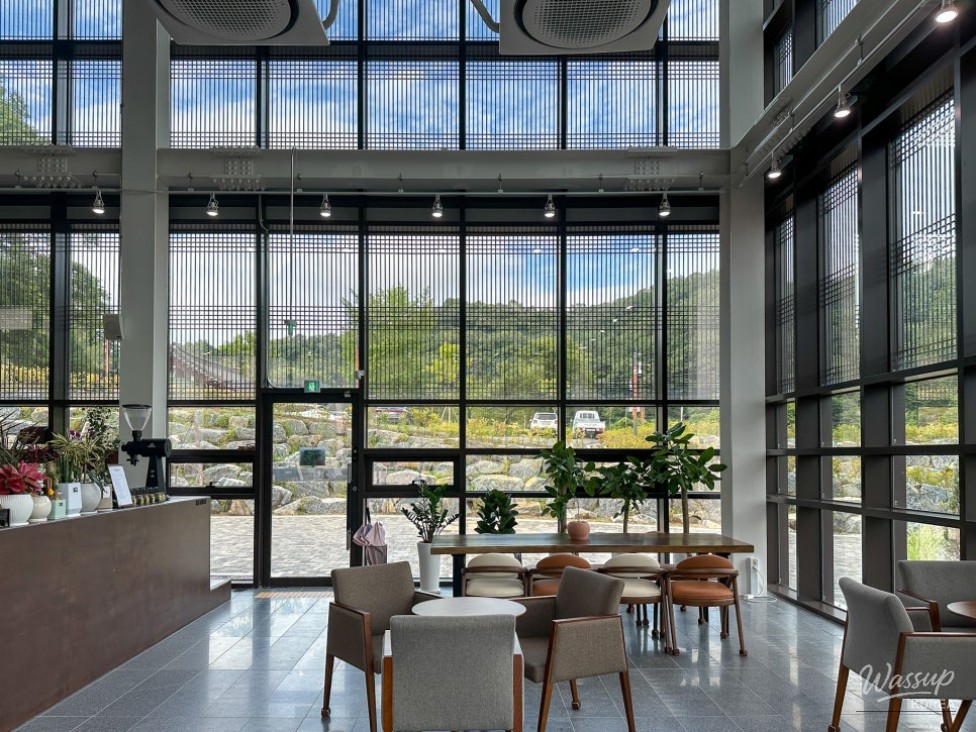
On the first floor, there is also Café Songgang, which visitors can enjoy after exploring the exhibition and outdoor spaces, making it a perfect spot to relax with a drink.
The Songgang Literature Museum is a space that goes beyond merely reading literary works, allowing for a multi-dimensional exploration of Songgang Jeongcheol's life, era, and the background of his creations. It is recommended to visit this cultural walking trail that connects the museum, Jeongsonggangsa, protected trees, tombs, and Hwanhui Mountain to experience the history and nature of Jincheon.
Source :https://blog.naver.com/jincheongun/224359471452
No comments yet.