Exploring Goeasan: The Heritage of Gyeodam Seowon
- Original source
- blog.naver.com


[ Goeasan Travel ]
Must-Visit Places in Goeasan County
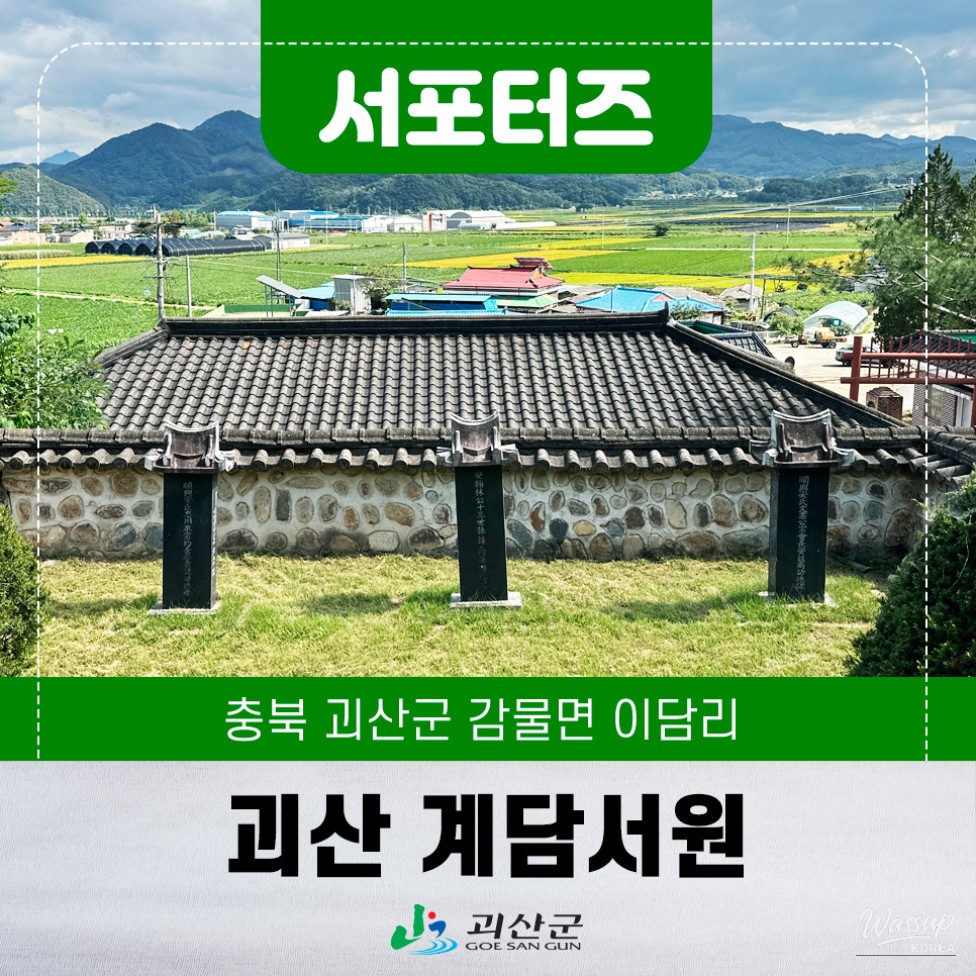
Gyeodam Seowon
A Space for Learning that Continues Since the Joseon Dynasty
As you venture into the quiet village of Goeasan, you will encounter a space that has preserved the region's education and traditions for many years.
Located in Idam-ri, Gamwol-myeon, Goeasan County, Gyeodam Seowon is rooted in the history of Joseon-era seowons.
While it is based on the historical significance of seowons, it has evolved beyond merely being a relic of the past. It now serves as a space where traditional culture is inherited, and educational activities for local residents are conducted, blending the past and present.
The history of Gyeodam Seowon dates back to 1824.
In the 24th year of King Sunjo's reign, Gyeodam Saja was established to honor the scholar An Myeong-se, but it was dismantled in 1871 due to the Seowon Abolishment Order by Heungseon Daewongun. However, restoration efforts began after some time.
In 1991, the restoration was initiated by the Sunheung An clan and local scholars, leading to the current Gyeodam Seowon.
The restoration included the construction of a shrine, a residence, a lecture hall, and other facilities.
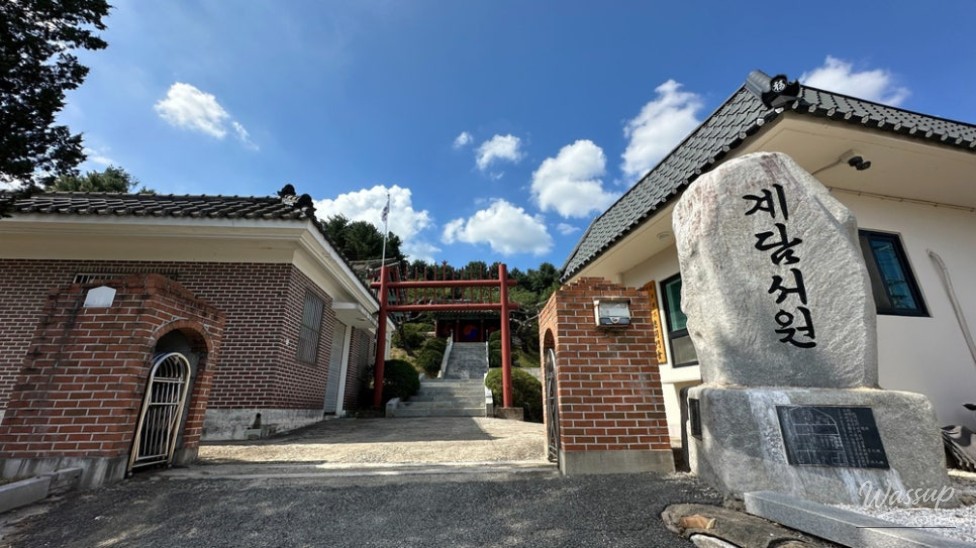
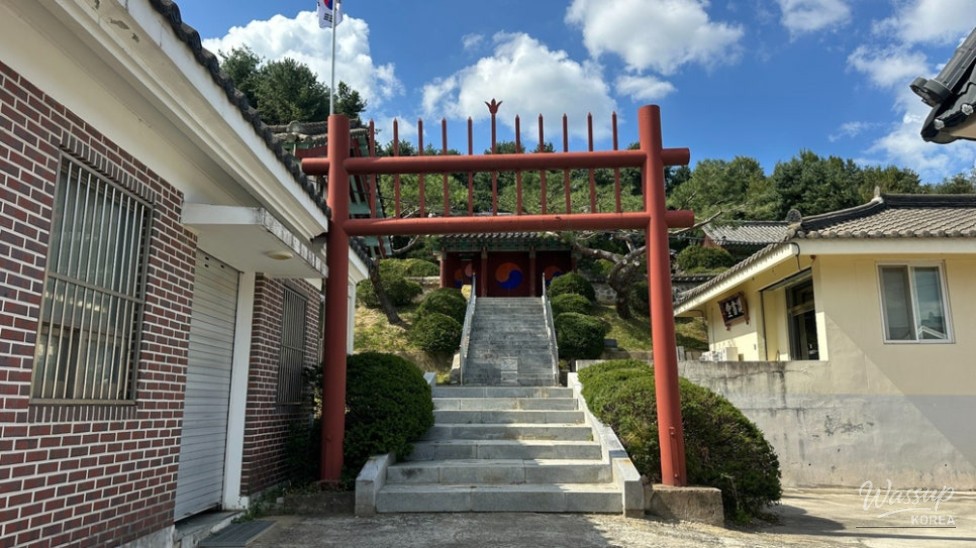
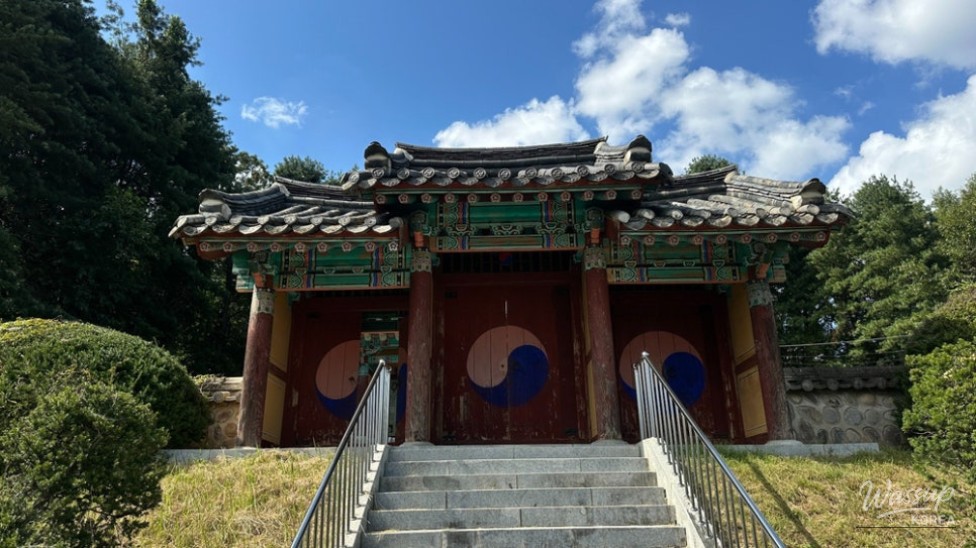
Upon entering Gyeodam Seowon, visitors first pass through the Hongsalmun Gate.
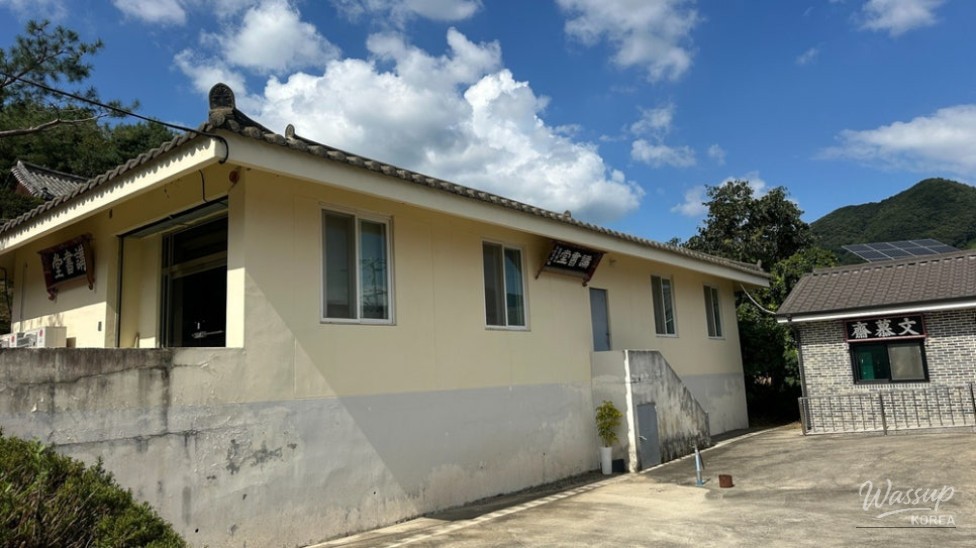
Inside, traditional seowon buildings coexist with modern structures. Among them, Gangseodang and Hakgudang demonstrate that Gyeodam Seowon continues its educational functions to this day.
Gangseodang is used as an educational space, while Hakgudang houses over 25,000 books.
Hakgudang serves not only as a storage space but also as a library for nearby residents to borrow or read books.
A notable aspect of Gyeodam Seowon is its affiliated liberal arts college.
Established in 1992 to provide lifelong education opportunities for local residents during off-seasons, it runs a six-month program each year from November to April.
The curriculum is not limited to traditional culture.
It covers a wide range of topics, including the teachings of Myeong-sim Bo-gam, the Great Learning, the Doctrine of the Mean, traditional etiquette, historical and local culture, calligraphy, and general knowledge.
In 2026, the 34th graduation ceremony will be held, and since the first class in 1993, over 1,050 individuals have completed the program.
Considering that old seowons were spaces for learning and nurturing talent, it is remarkable that Gyeodam Seowon continues to provide education for local residents today.
Visitors can also explore the ritual space.
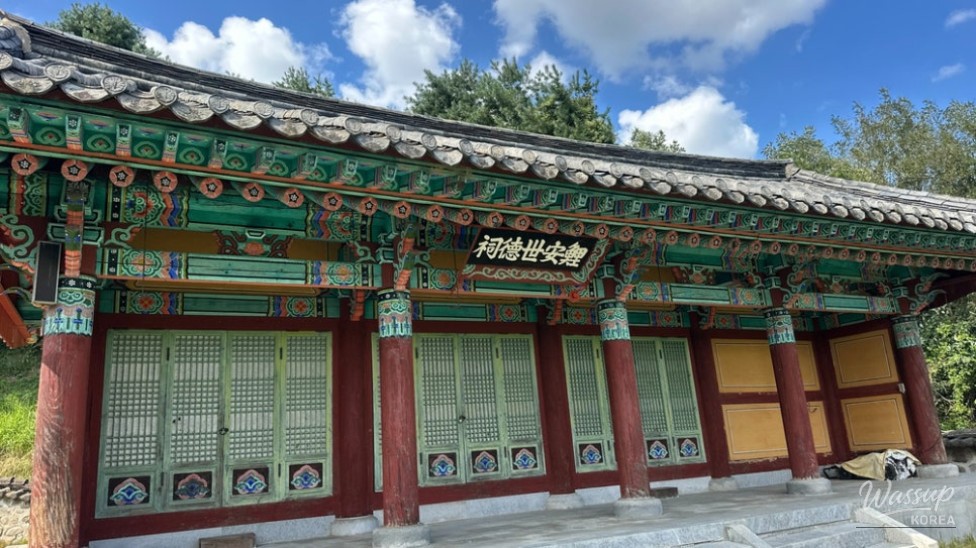
As a restored modern seowon, Gyeodam Seowon features a unique layout. After passing through the outer gate, visitors enter the ritual space, and through the inner gate, they access the shrine.
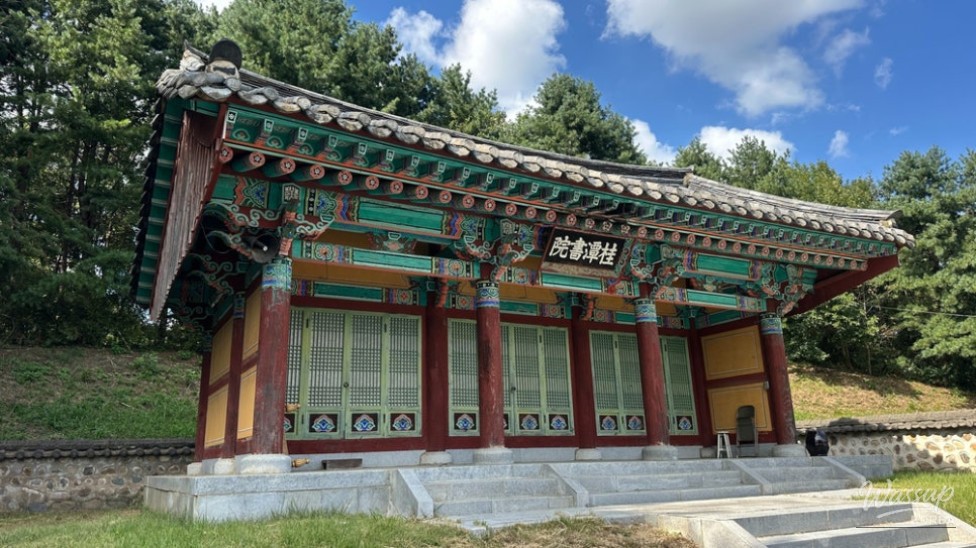
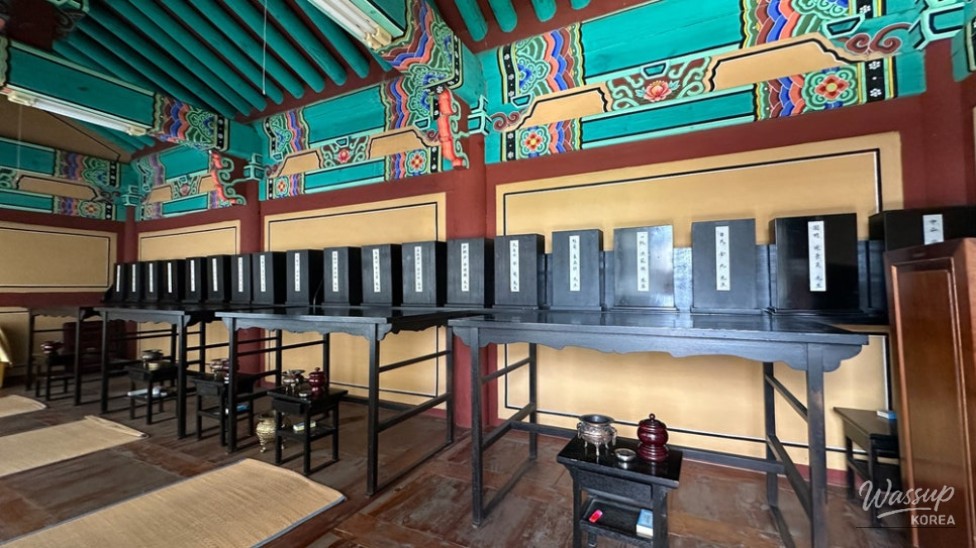
The shrine is dedicated to several eminent figures associated with the Sunheung An clan.
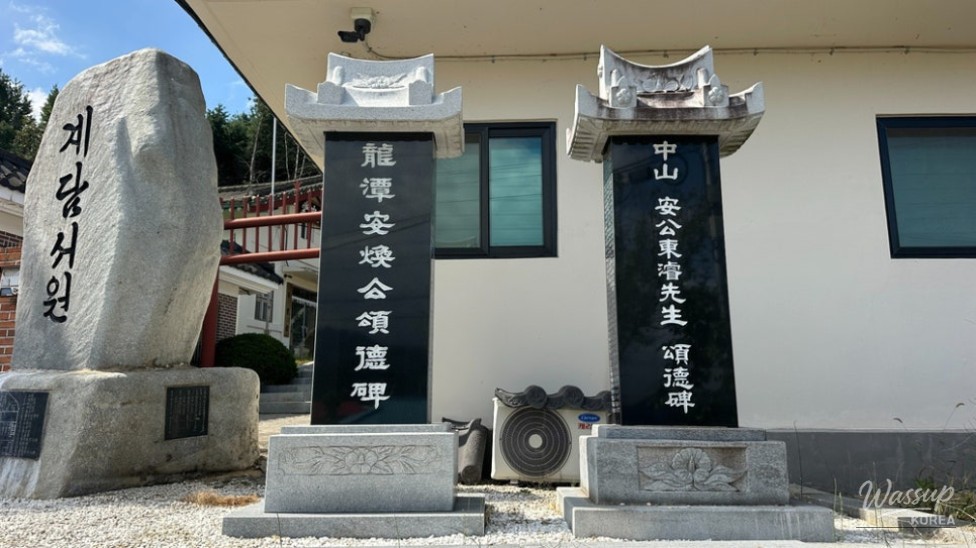
Currently, it honors nineteen notable figures, including An Chuk, An Mun-suk, An Myeong-se, and An Sul.
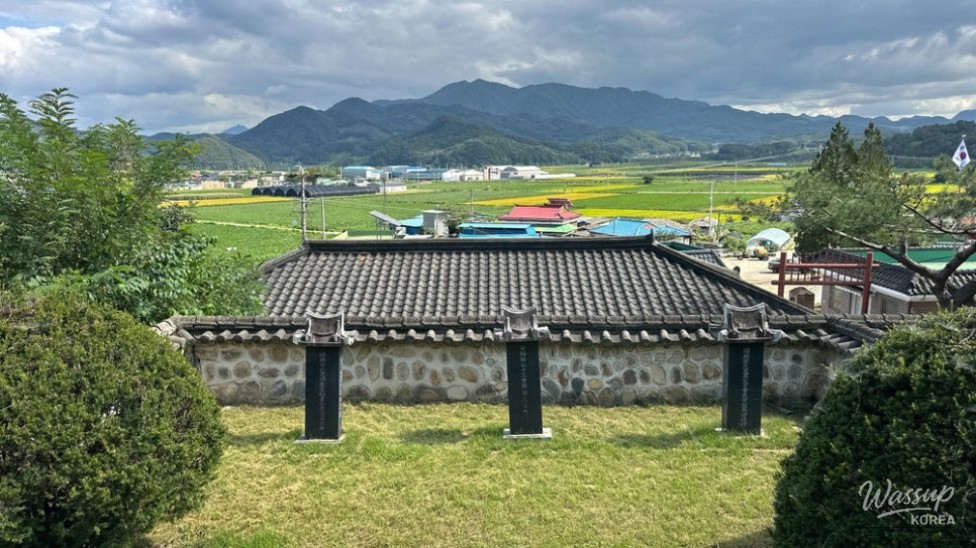
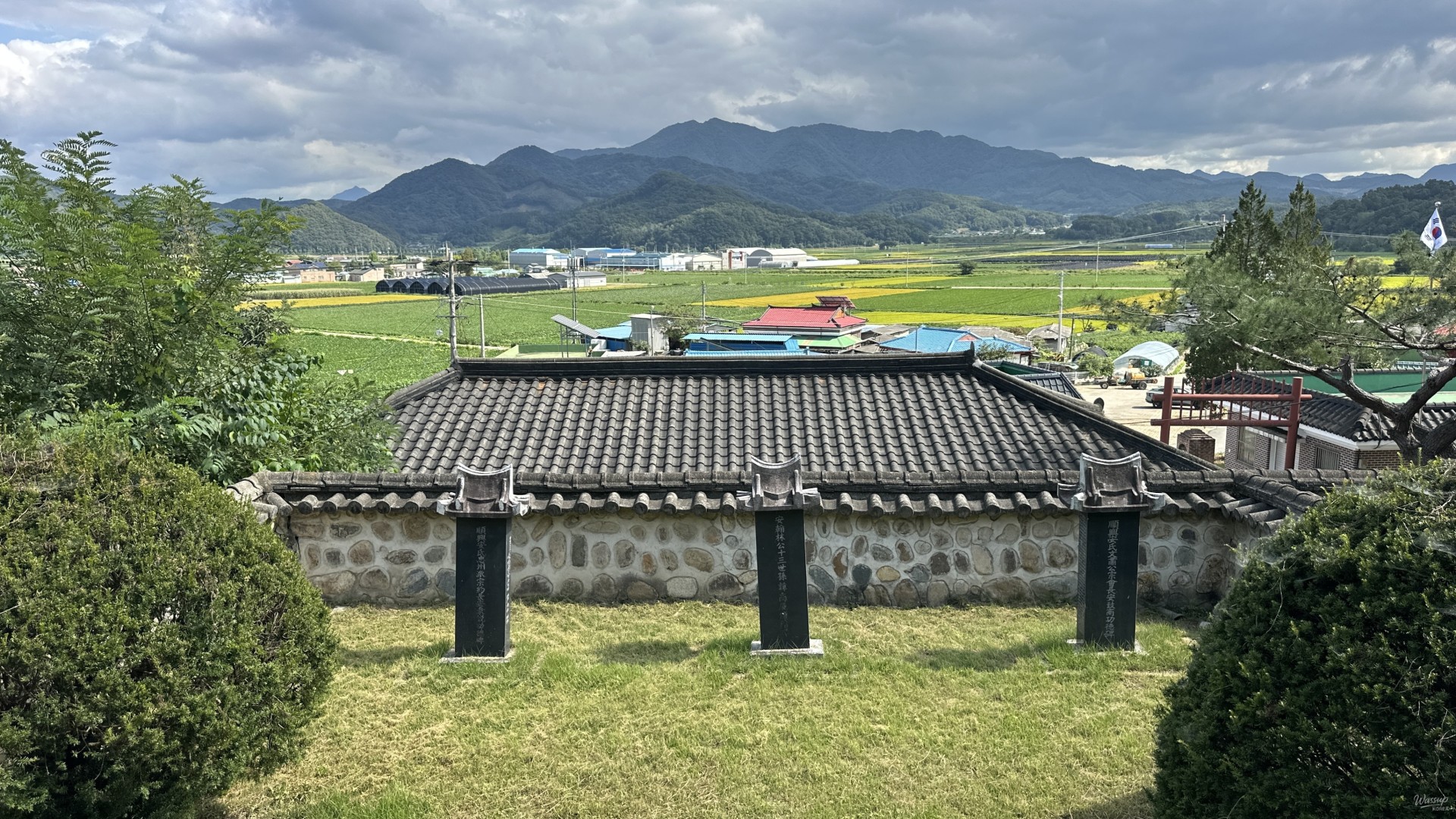
Next to the shrine is the Seodeoksa, a separate ritual space established during the restoration process in 1991, dedicated to the ancestors of the Sunheung An clan.
With spaces for education and rituals coexisting, Gyeodam Seowon reflects the various functions that traditional seowons served.
What stands out during a visit to Gyeodam Seowon is its commitment to not only restore the past but also to continue its role in education and traditional culture today.
In the serene village landscape of Goeasan, one can explore the history of the old seowon and its ritual spaces while also witnessing the operation of a library and liberal arts college for local residents.
Gyeodam Seowon, with its long history, continues to adapt and fulfill new roles in line with the changing times, offering a unique experience compared to other seowons.
Source :https://blog.naver.com/goesan-gun/224439942749
More from Travel


No comments yet.