Discovering Tranquility in the Heart of Seoul: A Visit to Suguksa Temple



When you want to escape the suffocating concrete jungle and find peace of mind, there is a special place in the heart of Seoul where you can enjoy an exotic and sacred atmosphere without traveling far. This unique space captivates those planning weekend outings with its blend of lush nature and rich cultural heritage.
Suguksa Temple offers a striking exterior and a deep history that leaves a strong impression on visitors. The tranquility of this centuries-old temple, combined with surrounding walking paths and modern amenities, creates a perfect sanctuary for people of all ages.
With free admission, Suguksa Temple is an ideal choice for travelers looking to enjoy healing experiences without spending much on weekends or holidays. Open daily from 9 AM, it is perfect for a refreshing morning stroll in the crisp air.
Access by public transport is also convenient. From Exit 6 of Yeonsinnae Station, where subway lines 3 and 6 meet, you can easily take village bus number 9 to reach the temple entrance. This allows you to complete a day trip without the stress of driving or parking in the busy city.
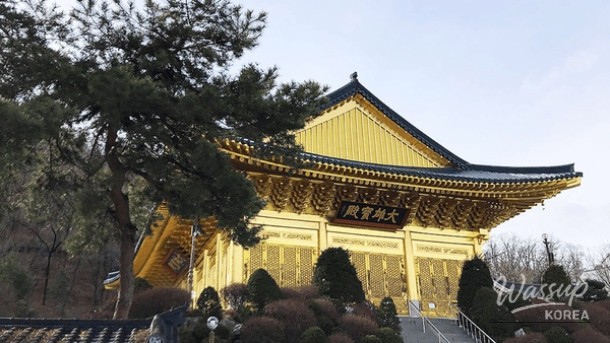
The highlight of a visit to Suguksa is undoubtedly the dazzling view of the Daeungbojeon Hall, which was reconstructed in 1992 and is adorned with 99.9% pure gold, making it a unique golden temple not found anywhere else in the country.
The amount of gold used in its construction is an astonishing 33 kg, which adds not only religious significance but also artistic value that overwhelms visitors. Particularly on sunny days, the golden reflections create perfect photo opportunities, making it a popular date spot.
The history of this magnificent temple dates back to the Joseon Dynasty. Originally founded in 1459 by King Sejo under the name Jeonginsa to pray for his son's soul, it was designated as a royal tomb temple in 1721, earning its current name, Suguksa, and has since embraced 565 years of history.
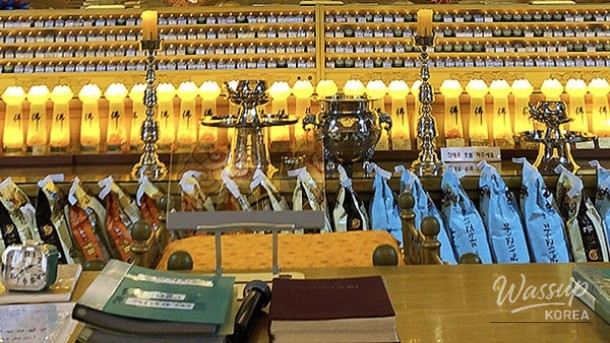
The interior of the temple houses the nationally designated treasure, a wooden statue of Amitabha Buddha, along with valuable relics that convey the weight of its deep history. Additionally, six Buddhist paintings classified as cultural heritage from 1907 are preserved here, providing a vivid historical education for visitors, especially families with children.
If you want to escape the hectic routine and experience true relaxation, consider participating in the temple stay program, which requires prior reservation. Adults and high school students can join for 80,000 KRW, while preschool children can participate for 50,000 KRW, offering a unique overnight experience of self-reflection in the golden hall's radiant energy.
As you listen to the clear sound of the temple bells awakening the quiet morning, you can feel the stress washing away. The facility is also equipped with accessible paths and amenities for those with mobility challenges, making it easy for families to enjoy a peaceful stay together.



Source :https://blog.naver.com/tour_toctoc/224314726292
No comments yet.