Discover the Exotic Charm of Yakcheonsa Temple in Jeju



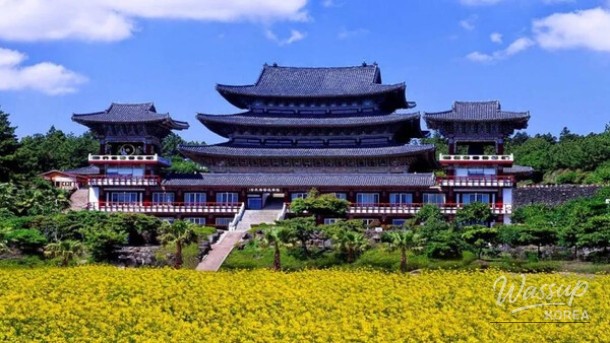
When planning a trip to Jeju Island, people often first think of the blue sea or scenic hills. However, in Seogwipo, there lies an exotic temple that is completely different from the inland temples. The magnificent temple landscape nestled under green palm trees is an excellent choice for creating unique memories with parents or loved ones.
This place is especially popular as a high-value healing course, as there is no cost involved in visiting. It is conveniently located near the Jungmun Tourist Complex, making it easy to include in your Seogwipo itinerary without any worries. It’s the perfect time to relieve everyday stress while enjoying the refreshing sea breeze.
As you walk down the steps in front of the main hall, Daegyeonggwangjeon, you will encounter a beautiful pond guarded by lush palm trees. The unique scenery, which cannot be found in inland temples, creates an illusion of being in a foreign resort.
The elegant bridge in the center of the pond is a prime photo spot. With the sound of cascading waterfalls in the background, you can frame the grand temple building in one shot, making it a great opportunity to capture refreshing moments with loved ones while soaking in nature's energy.
One of the biggest advantages of this place is that you can enjoy breathtaking views without spending a dime. Both the entrance fee and the spacious parking facilities are completely free, allowing you to visit anytime with peace of mind.
However, it’s good to remember a few tips for parking. The parking area is divided into two sections, upper and lower. If you want to enter the massive main hall directly without stairs, it's more advantageous to park in the upper area, especially for visitors with mobility issues.
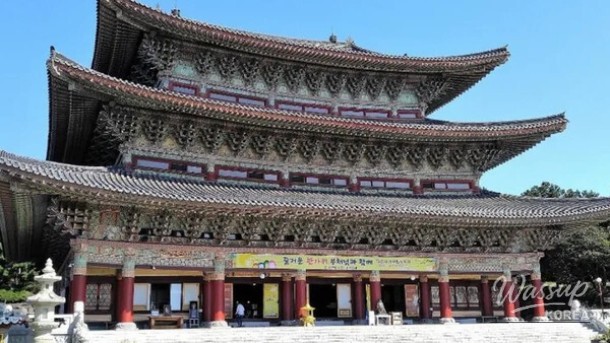
As soon as you enter the temple grounds, your attention will be captured by Daegyeonggwangjeon, the largest single temple building in Asia, standing at an impressive height of 29 meters, comparable to an eight-story apartment building. This structure is built in a modern and sophisticated reinterpretation of early Joseon architecture.
The interior is designed as an open space from the basement to the fifth floor, creating a sense of spaciousness upon entry. Although it appears to be a beautiful wooden structure, it is actually built with solid concrete, offering a surprising charm as its ornate eaves harmonize beautifully with the sky.
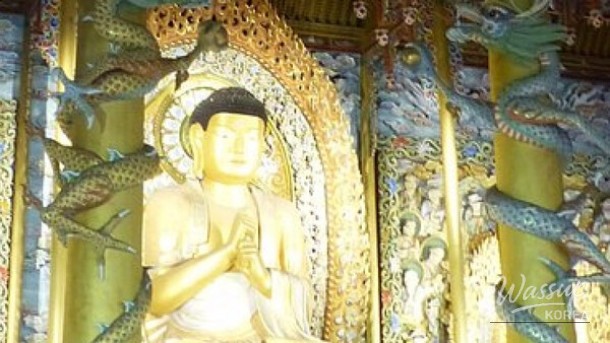
Inside the grand hall, there is a significant historical narrative. The memorial tablets of King Munjong, his consort Queen Hyun-deok, and the last Crown Prince of the Korean Empire, Yeongchinwang, are respectfully enshrined here, making it a special place where you can feel the profound breath of our history beyond just a religious facility.
The name of the temple is derived from a legendary healing spring associated with a scholar who cured his ailments. Simply walking around the pond and spring, where clear water flows throughout the four seasons, allows you to experience a peaceful healing time as your weary body and mind find their rhythm again.
Source :https://blog.naver.com/tour_toctoc/224306546557
No comments yet.