A Journey to Goesan: Exploring Chilchungsa Shrine and Piseojeong Pavilion



[Goesan Travel]
Must-Visit Places in Goesan-gun
Chilchungsa Shrine and Piseojeong Pavilion in Goesan
In Mungwang-myeon, Goesan-gun, Chungcheongbuk-do, there lies a space that seems forgotten amidst the tranquility of nature. It may not be a bustling tourist destination, but it exudes a serene atmosphere, making it an ideal place to unwind and contemplate. This place is Chilchungsa Shrine and Piseojeong Pavilion, symbols of unwavering loyalty.
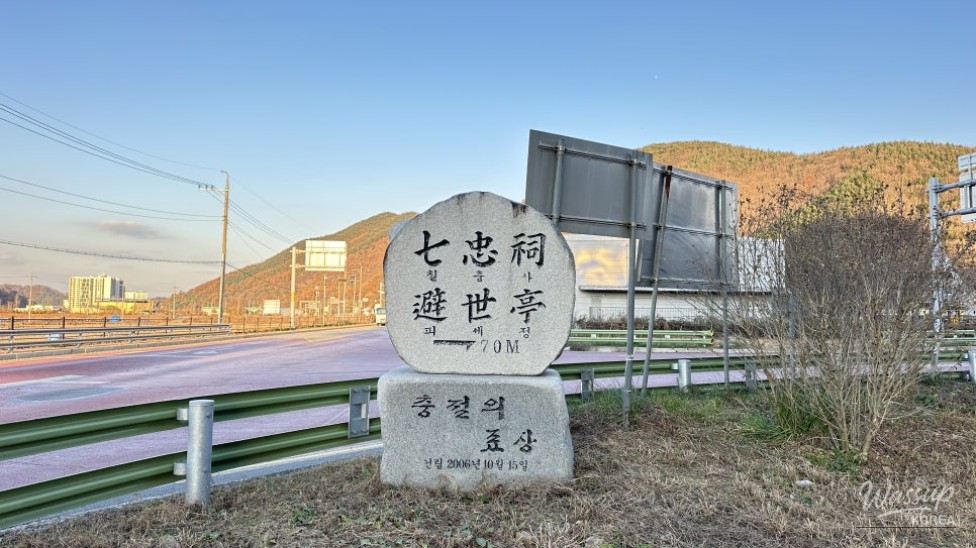
Chilchungsa Shrine was built to honor seven loyal subjects from the Soonchang Jo clan. It commemorates and holds ancestral rites for Jo Shin, Jo Jong, Jo Bok, Jo Ban, Jo Deok-gong, Jo Deok-yong, and Jo Gi, who devoted their loyalty to the nation from the late Goryeo period to the mid-Joseon dynasty. Piseojeong Pavilion was erected by Jo Shin, who returned to his hometown after abandoning his official position and worldly affairs when the Goryeo dynasty fell. It is a place where his resolute determination to uphold his loyalty remains intact.
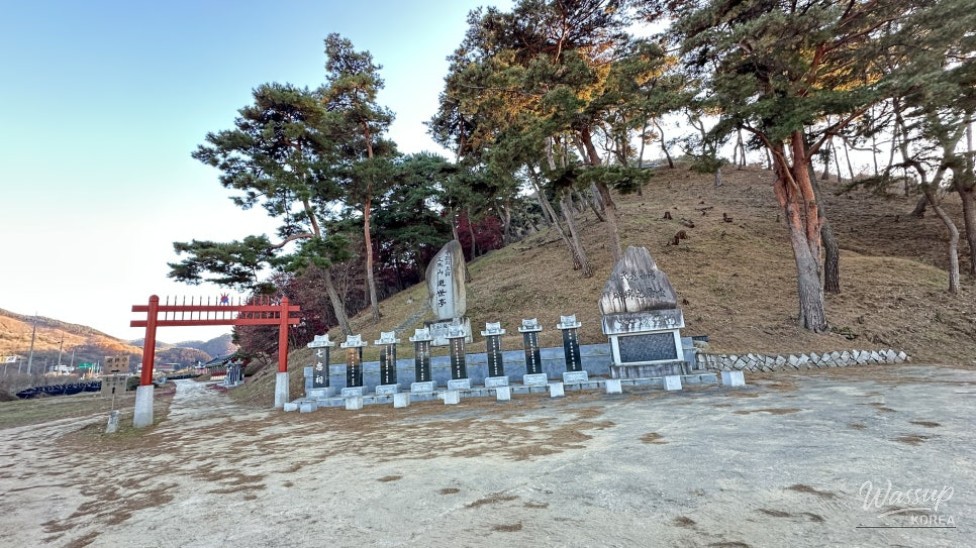
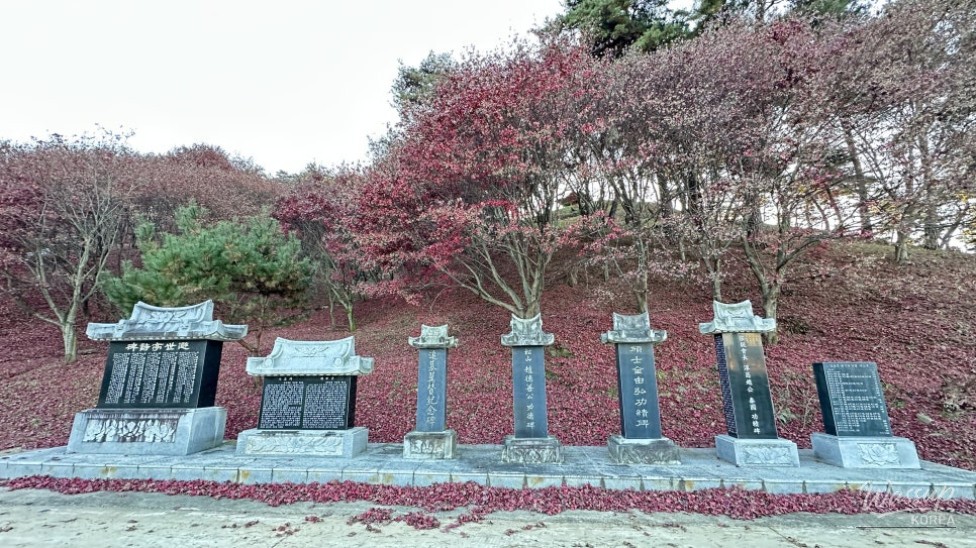
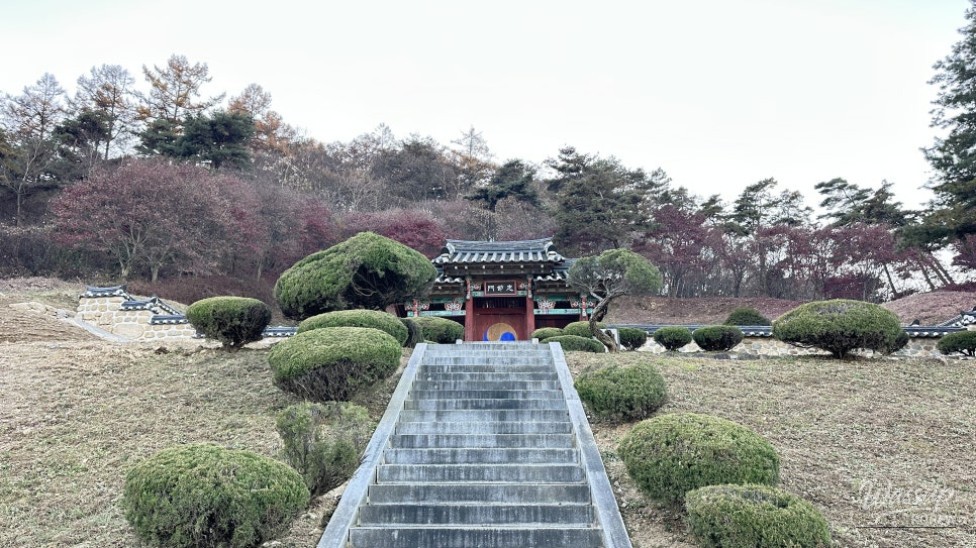
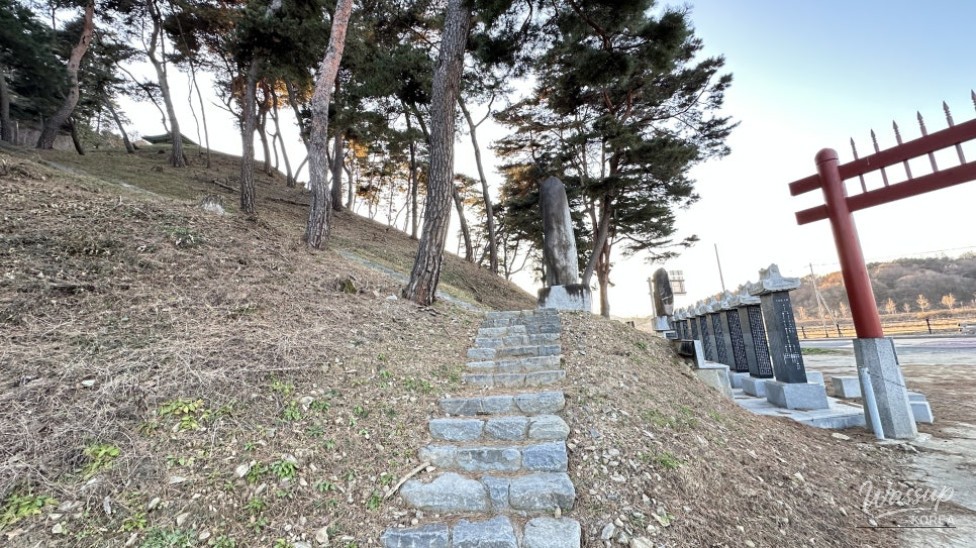
Passing through the Hongsalmun gate, you will see the monuments to the seven loyal subjects, poetry stones related to Piseojeong, and memorial stones appearing in succession. The sight of the black steles standing beneath the red autumn foliage is deeply moving and naturally explains why Chilchungsa Shrine and Piseojeong Pavilion were designated as Chungcheongbuk-do monuments.
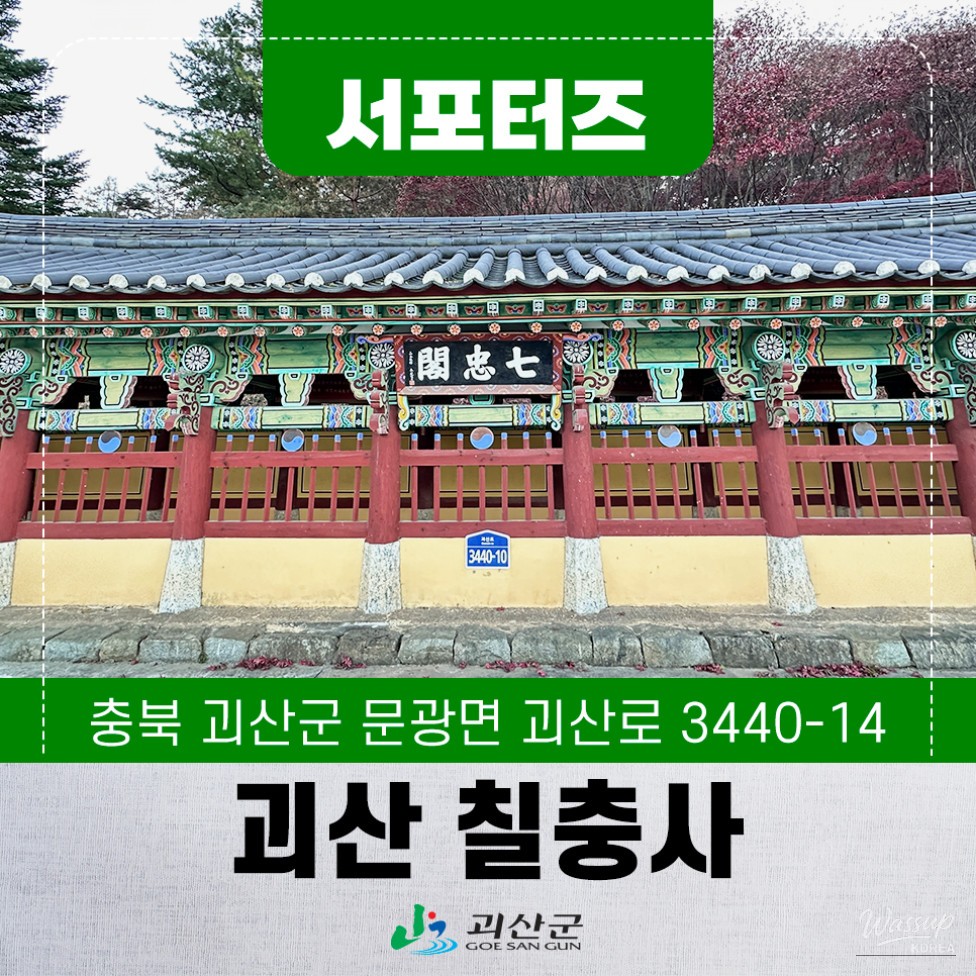
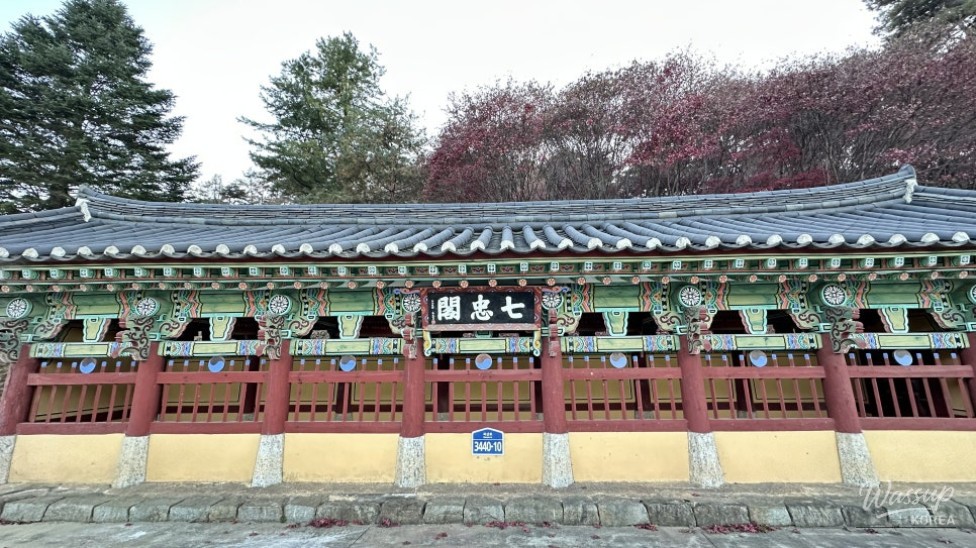
Next to the stone monuments is Chilchunggak, built in 1973. This wooden structure with a gabled roof, featuring seven bays in the front and one bay on the side, serves as a Jaesil (preparation room for ancestral rites). Inside, memorial plaques inscribed with the loyal subjects' deeds quietly convey the stories of that era.
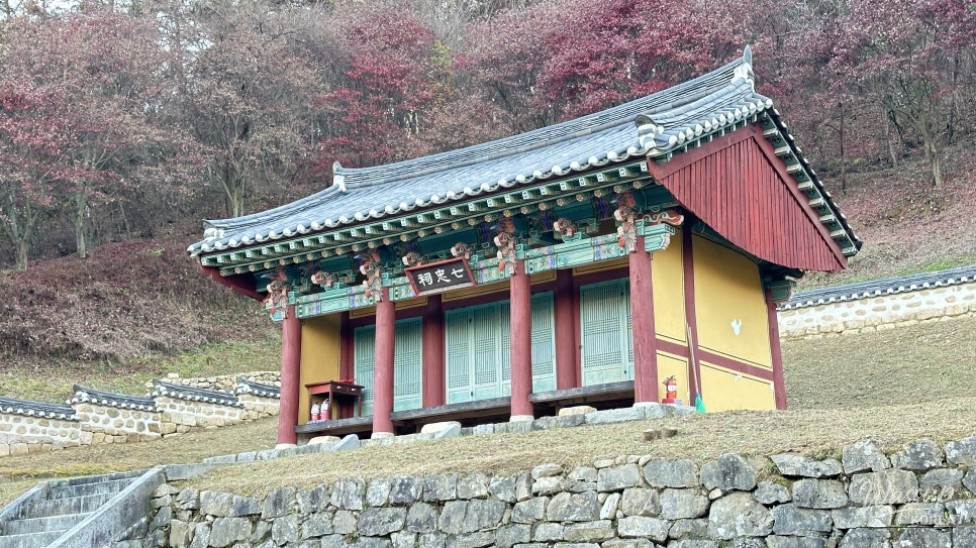
Climbing the steps, you will find Chilchungsa Shrine. Inside the simple shrine, built with three bays in the front and two bays on the side, are enshrined the memorial tablets of the seven loyal subjects. The story of Jo Shin's loyalty, as well as Jo Jong's suppression of the Yi Si-ae rebellion, Jo Bok and Jo Ban's uprising of righteous armies during the Japanese invasion of Korea in 1592, and Jo Deok-gong and Jo Deok-yong's subsequent defense of the country, and Jo Gi's contribution to stabilizing the nation by suppressing rebellions, are all condensed in this small space.
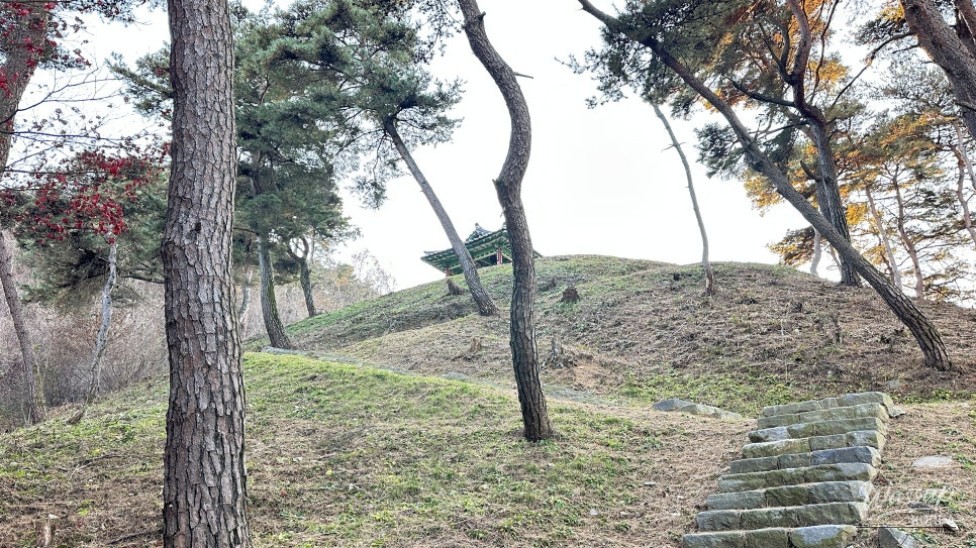
Climbing the stairs again from Chilchungsa Shrine, you will reach Piseojeong Pavilion, where Jo Shin's presence is deeply felt. Be sure to wear comfortable shoes, as the stairs are longer than expected.
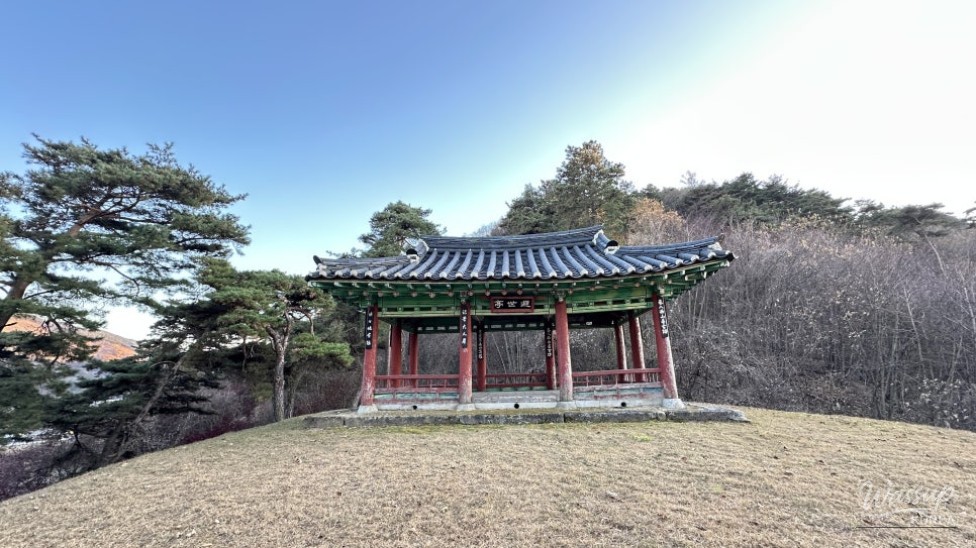
While many pavilions were built for enjoying leisure, Piseojeong Pavilion is significant because it was built as a place of seclusion to uphold loyalty. Even after it was rebuilt by Jo Se-gu, it remained a symbolic space that continued the spirit of the scholars who 'did not serve in corrupt administrations.'
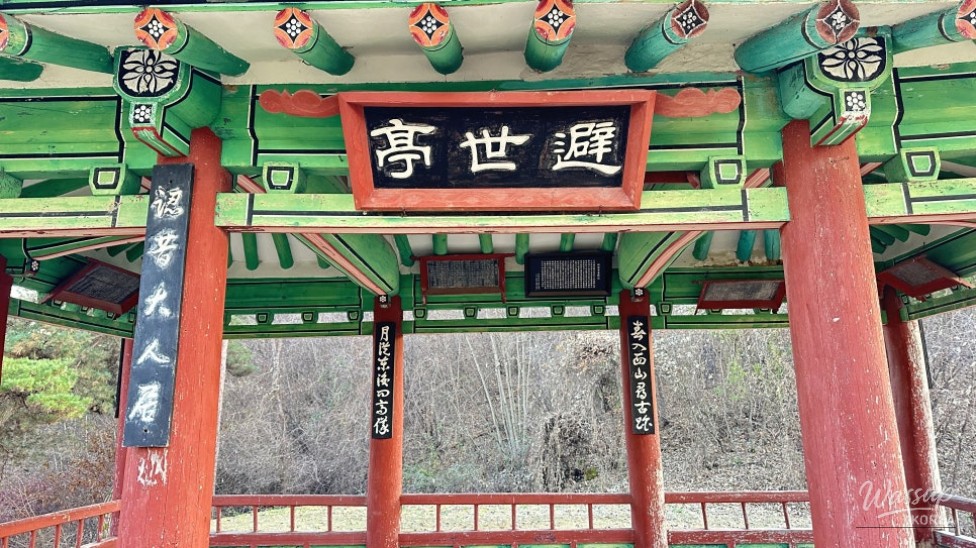
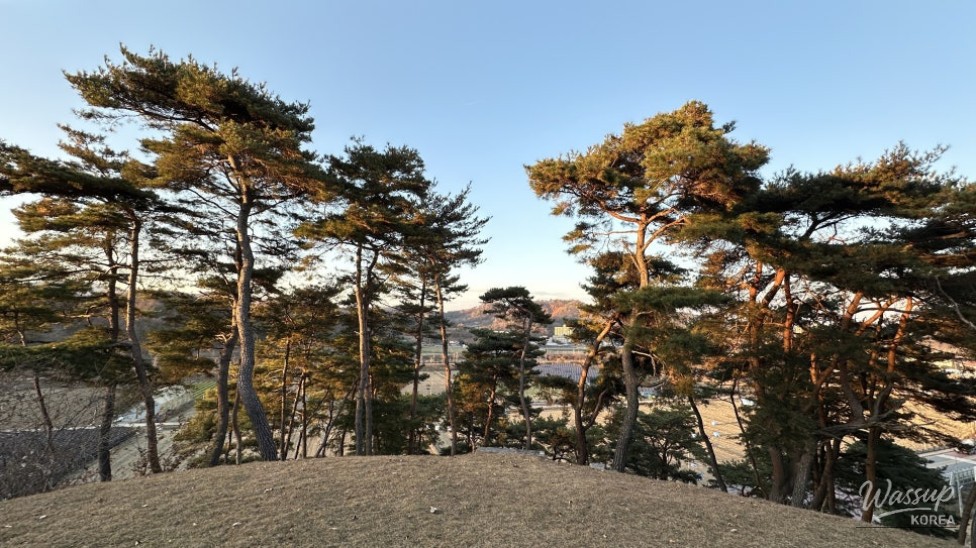
Inside the small hipped-and-gabled roof pavilion, various plaques such as Piseojeong Reconstruction Record and Piseojeong Account are hung, allowing you to feel that the memories and will of people that have been passed down for a long time are rooted throughout the building. Although the surrounding scenery is not particularly open, the tranquility and deep breath of the forest make the value of this place even clearer.
Walking down the path, following in the footsteps of those who silently kept their way in history, you may suddenly think about what choices we make and what we should protect as we live today. Slowly, deeply, the journey of loyalty at Chilchungsa Shrine and Piseojeong Pavilion quietly comes to an end.
[How to get there]
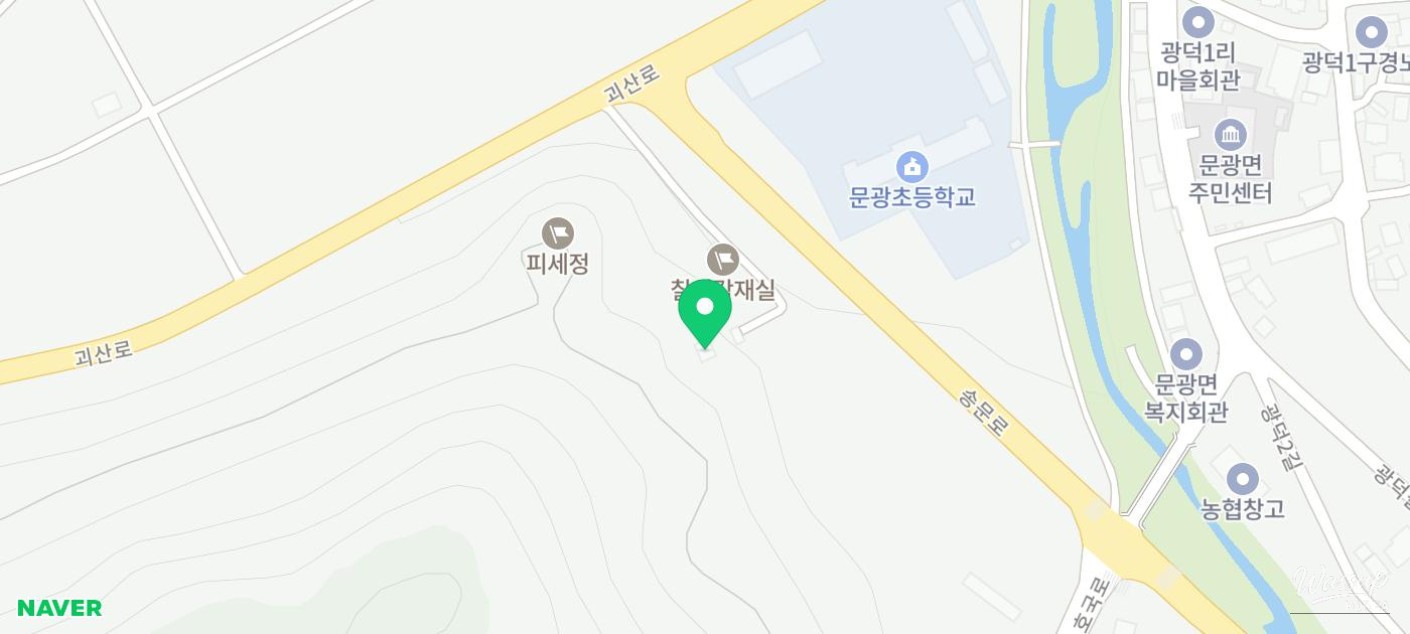
Chilchungsa Shrine: 3440-14, Goesan-ro, Mungwang-myeon, Goesan-gun, Chungcheongbuk-do

Source :https://blog.naver.com/goesan-gun/224094160662
No comments yet.