The Significance of Gyeongbokgung's Geuncheonggung Palace
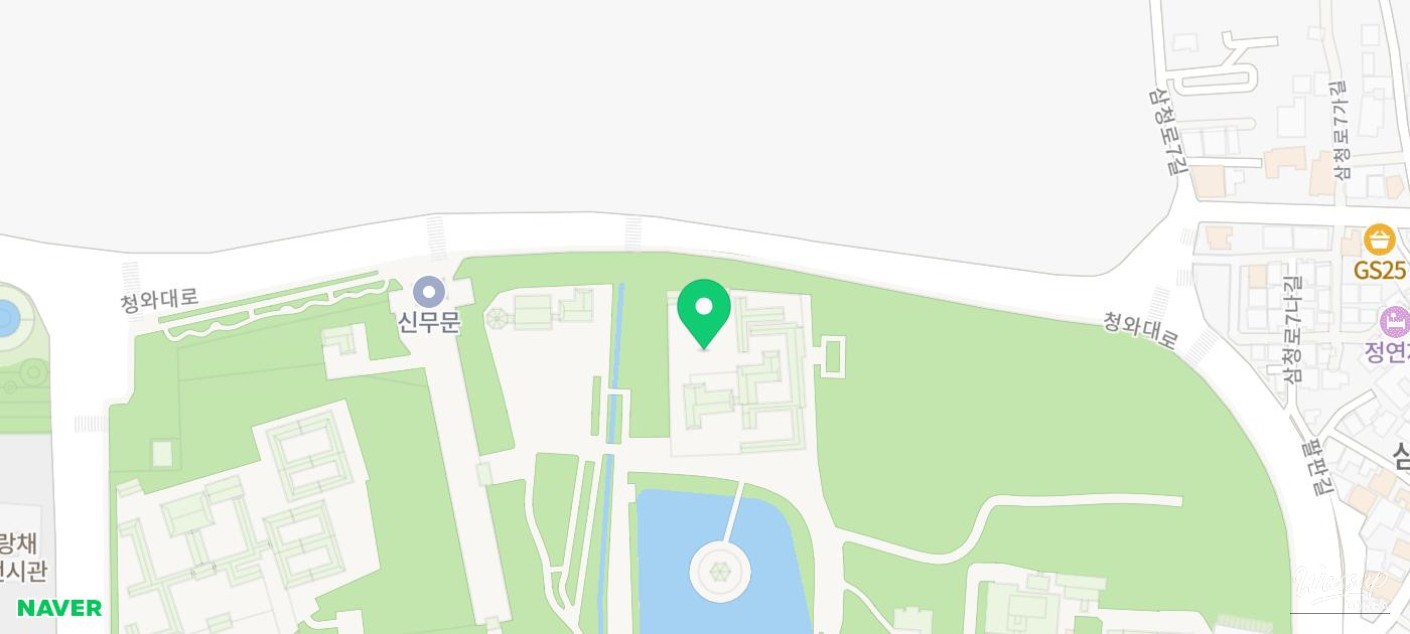
161 Sajik-ro, Jongno-gu, Seoul
건청궁




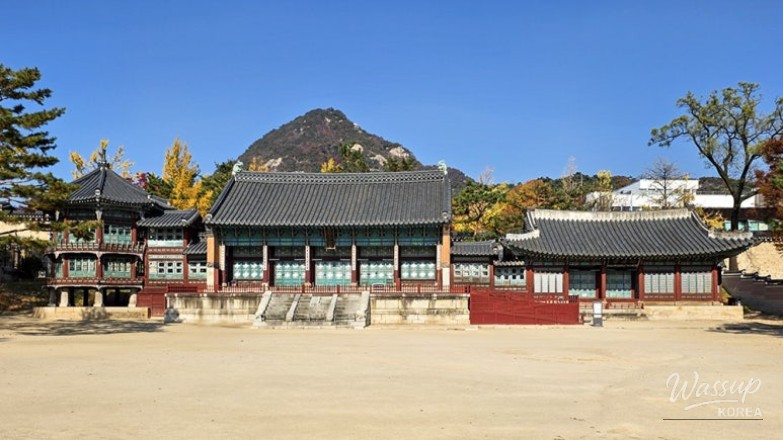
Geuncheonggung Palace (건청궁) is a deeply symbolic secondary palace located at the northernmost edge of the Gyeongbokgung grounds. Built in 1873 by King Gojong, it represents his desire for political independence from his father, Heungseon Daewongun. Unlike the formal state halls, it was designed with the quiet elegance of a high-ranking noble's house, intended as a private retreat for the King and Empress Myeongseong.
While it is a place of refined architectural beauty, it also stands as a silent witness to the tragic end of the Joseon era. From the political gatherings with world diplomats to the heartbreaking assassination of the Empress, Geuncheonggung tells a story of a kingdom striving for modern sovereignty amidst encroaching colonial shadows. Today, it remains one of the most historically significant and emotionally resonant corners of the royal palace.
Architectural Style and Royal Living Spaces
A Harmonious Blend of Noble and Royal Design
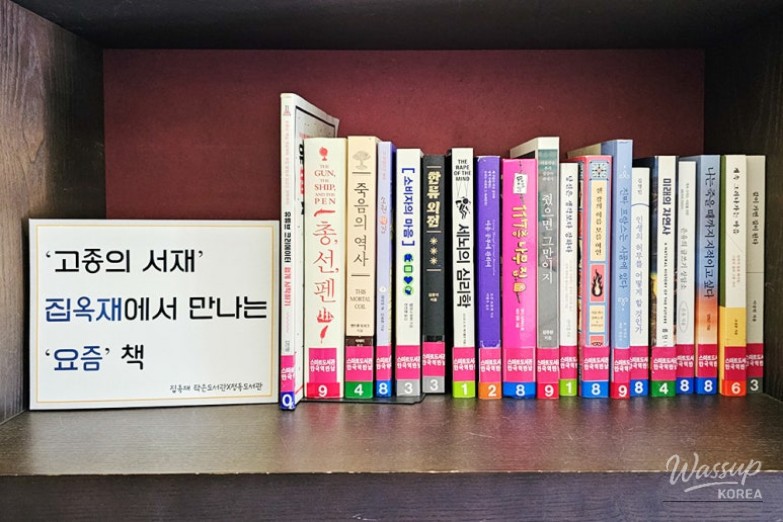
Geuncheonggung was constructed in the style of a traditional yangban (noble) residence but with a level of exquisite detail reserved for royalty. The complex includes Jangandang, the King's quarters, and Gonnyeonghap, the Empress's residence. These structures are accompanied by Gwanmungak, a royal library and study, which was famously the first building in Korea to be lit by electricity in 1887.
The walls are meticulously decorated with floral brick patterns, and the layout mimics the "Saranchae" (men's quarters) and "Anchae" (women's quarters) found in noble homes. This choice of a non-authoritative architectural style reflects King Gojong’s personal preference for a more intimate and modern living environment compared to the rigid formality of the main palace halls.

Hyangwonjeong: The Pavilion of Far-Reaching Fragrance
A Masterpiece of Artificial Island Design
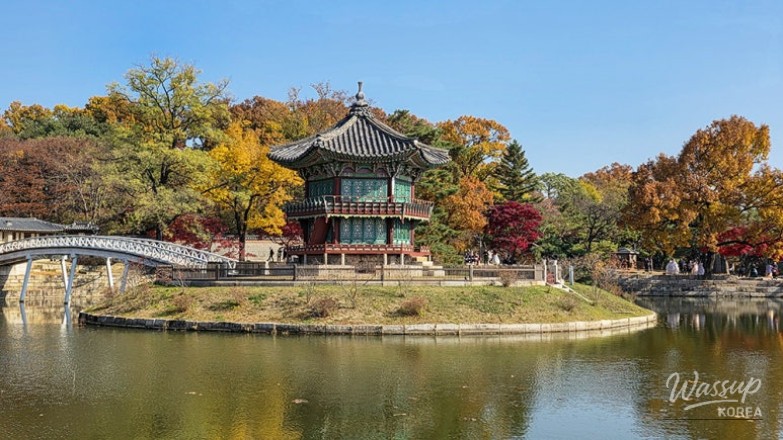
In front of Geuncheonggung lies the iconic Hyangwonji pond, featuring the Hyangwonjeong Pavilion at its center. This two-story hexagonal pavilion was built as a private rest area for the royal couple. Interestingly, the first floor features a unique ondol (floor heating) system, allowing for year-round enjoyment of the pond views. Its name, meaning "the fragrance spreads far," perfectly captures the serene beauty of the surrounding lotus pond.
Crossing the pond is the Chwihyanggyo Bridge, meaning "intoxicated by fragrance." Originally, this wooden bridge was the longest of its kind in the Joseon era. In a significant restoration completed in 2021, the bridge was moved back to its original position on the north side of the pond, restoring the historic path that King Gojong once walked from his palace to the pavilion.

Jibokjae and the Influence of Foreign Styles
A Cross-Cultural Reception for Global Envoys
To the west of Geuncheonggung stands Jibokjae, a building that strikingly combines Joseon and Qing Dynasty architectural elements. King Gojong moved this structure from Changdeokgung to serve as his private library and a reception hall for foreign diplomats. While its exterior features the brickwork typical of the Qing style, the interior houses a traditional loft and is connected to the Joseon-style Hyopgildang by a corridor.
Attached to Jibokjae is Palwujeong, an octagonal pavilion with ornate foreign decorations. This cluster of buildings served as a hub for Gojong's "Open Door" policy, where he met with representatives from the United States, Russia, and Britain. It remains a physical manifestation of Korea's early attempts at globalization and diplomatic balancing during a turbulent century.

A Site of Tragedy and Restoration
Remembering the Eulmi Incident and Modern Recovery
Despite its beauty, Geuncheonggung is inextricably linked to the Eulmi Incident of 1895. Within the Okhoru pavilion of Gonnyeonghap, Empress Myeongseong was tragically assassinated by Japanese assailants, an event that forced King Gojong to eventually flee to the Russian Legation. This tragedy effectively ended the palace's use as a royal residence, and it was eventually demolished during the colonial period.
The Geuncheonggung we see today is a faithful restoration completed in 2007. Every timber and brick was placed to recreate the atmosphere of 1873, allowing modern visitors to walk through the same corridors where Gojong once planned for a modern nation. It serves as both a beautiful architectural monument and a powerful educational site for those wishing to understand the final days of the Joseon Dynasty.






The quiet paths of Geuncheonggung offer a profound look into the dual nature of late Joseon history-beauty and struggle. Have you ever visited a place where the architecture so clearly tells a story of personal desire for independence? If you're planning your trip to Gyeongbokgung, would you like to know the best time to visit to catch the changing of the guard at Gwanghwamun before heading up to the tranquil north?
No comments yet.