The Perfect Guide to the First Full Moon of the Year



The first full moon of the year is a time to ward off misfortune and wish for abundance and health. Here’s your complete guide to the Jeongwol Daeboreum festival.
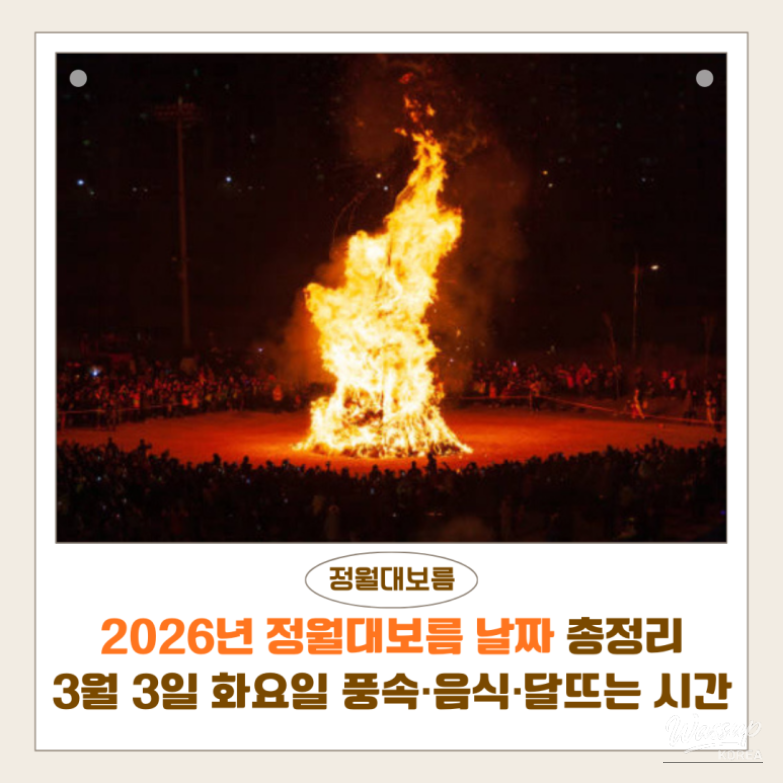
When is Jeongwol Daeboreum in 2026? We have compiled everything from its origins and customs, to the traditional foods like ogokbap (five-grain rice) and beoreom (nuts), as well as the moonrise times.
■ Date: Jeongwol Daeboreum in 2026 falls on March 3rd (Tuesday), the 15th day of the lunar calendar.
■ Significance: This major holiday symbolizes our people's wish to prevent illness and misfortune while hoping for a prosperous and peaceful year.
■ Customs: Traditions such as eating ogokbap, preparing dried vegetables, cracking nuts, and welcoming the moon are observed to wish for health and fortune.
1. Exact Date of Jeongwol Daeboreum 2026
Jeongwol Daeboreum in 2026 will be on the 15th day of the lunar calendar, which corresponds to March 3rd, Tuesday. Unlike previous years when it typically fell in February, this year it will be celebrated in early March, allowing for a milder spring atmosphere to greet the full moon.
2. Moonrise Time for Jeongwol Daeboreum 2026
To fully appreciate the full moon, it’s good to know the moonrise time.
Moonrise time (based on Seoul): Between 5:40 PM and 6:00 PM
Highest point of the moon: Around midnight on March 4th
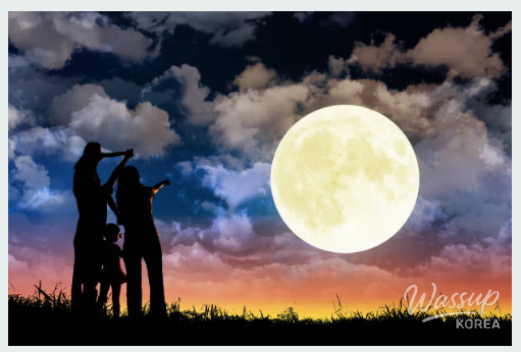
The moment the moon rises as dusk settles is the best time to feel the atmosphere of Jeongwol Daeboreum.
3. Origins and Significance of Jeongwol Daeboreum
Jeongwol Daeboreum, also known as 'Sangwon,' is one of the major holidays celebrated alongside Seollal (Lunar New Year) and Chuseok (Harvest Moon Festival). In agrarian societies, the first full moon signaled the start of the farming season, and ancestors viewed this day as a symbol of abundance and life.
As the saying goes, "You celebrate the New Year outside, but the full moon should be celebrated at home," this day is when families and neighbors gather to pray for the community's well-being.
4. Traditional Foods and Customs of Jeongwol Daeboreum
The foods prepared during Jeongwol Daeboreum reflect wishes for health and prosperity.
Ogokbap: A rice dish made from a mixture of glutinous rice, millet, red beans, sorghum, and black beans, embodying the energy of various grains.
Jinchae (dried vegetables): Eating ferns, dried radish greens, and other vegetables is believed to help one endure the summer heat.
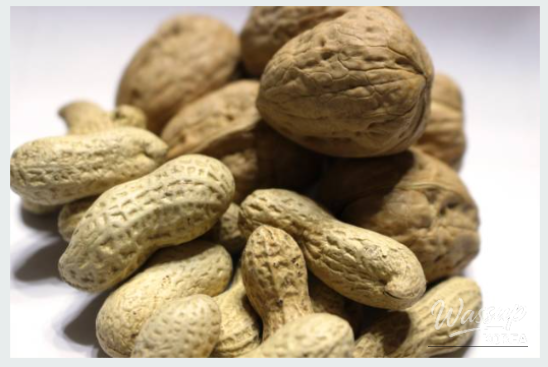
Beoreom: Cracking nuts like chestnuts, walnuts, and peanuts with one’s teeth is a way to ward off misfortune and skin ailments.
Gwi-balki Sool: Drinking cold liquor in the morning is a custom believed to enhance hearing and bring good news.
5. Folk Games to Ward Off Misfortune
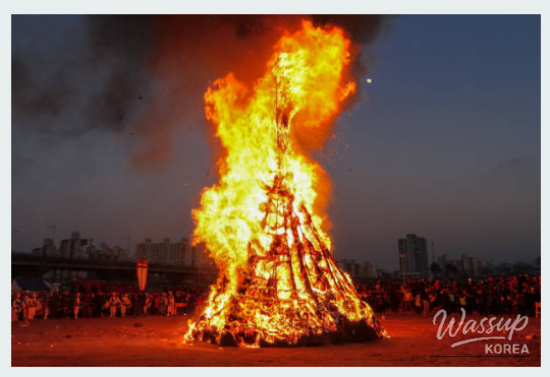
Jishinbalgi: A traditional dance performed by a troupe visiting homes to appease the earth spirits and wish for blessings.
Jjubulnori and Daljip Taeugi: Symbolic games to drive away pests and burn away misfortune.
Deowipalgi: A custom of shouting "Take my heat away!" to chase away the summer heat in advance.
6. Must-Visit Places for Moon Viewing on Jeongwol Daeboreum 2026
These are great spots to visit even on a weekday evening.
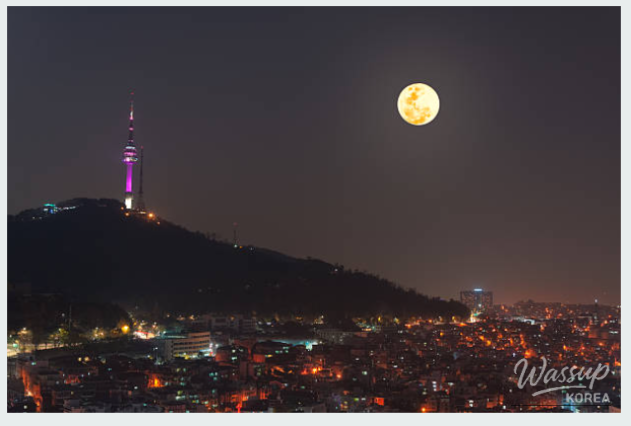
1) Namsan Seoul Tower & Naksan Park: Ideal for enjoying the city night view along with the full moon.
2) Suwon Hwaseong Haenggung: A popular moon-viewing route along the fortress path.
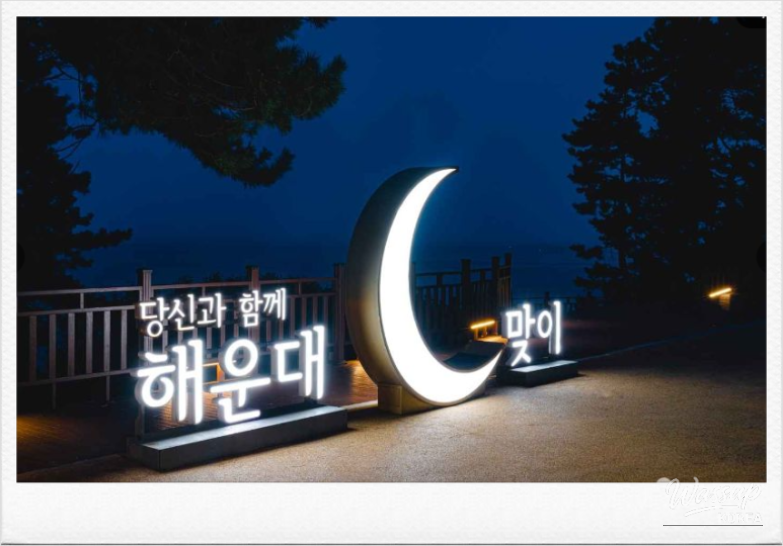
3) Haeundae Dalmaji Road: A representative spot to see the full moon rising over the sea.
7. Conclusion
Jeongwol Daeboreum in 2026 arrives on March 3rd, marking the beginning of spring. Fill a bowl with ogokbap for health, and as you gaze at the full moon, wish for your hopes for the year ahead. May the energy of the full moon illuminate your life throughout the year.


Source :https://blog.naver.com/hoshea1/224196327607
No comments yet.