Pilgrimage to the 33 Avalokitesvara Sacred Sites in Korea
56 Ujeongguk-ro, Jongno-gu, Seoul (Across from Jogyesa)
조계사



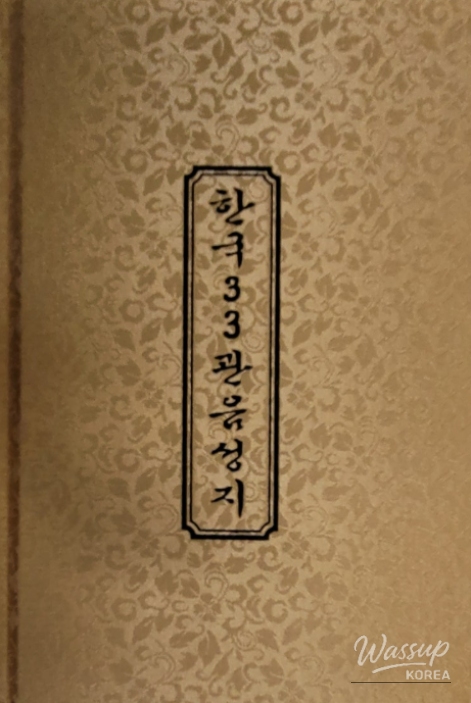
The 33 Avalokitesvara Sacred Sites (33관음성지) pilgrimage is a spiritual route connecting 33 of Korea's most historic and beautiful temples dedicated to Avalokitesvara, the Bodhisattva of Compassion. For those seeking mental healing, cultural immersion, or a physical challenge beyond the national bike tour, this pilgrimage offers a profound journey through Korea's scenic mountains and coastal cliffs.
In 2026, the tradition continues with updated stamp books and a welcoming atmosphere for both religious pilgrims and secular travelers. By visiting these sacred spaces, participants can experience the serene "Jeong" (affection) of Korea and find a sense of completion that culminates in a special ceremony and certificate after visiting all 33 locations across the peninsula.
Preparation: The Pilgrim’s Stamp Book
Where to Purchase and How to Begin
The journey officially begins with the Injang-cheop (Stamp Book). As of 2026, the book is available for 25,000 KRW at the Templestay Information Center in Jongno, Seoul. Located directly across from Jogyesa Temple, this center serves as the headquarters for the pilgrimage, providing maps and detailed guides in multiple languages.
Each temple along the route has four unique stamps: the site number, the temple name, and a representative image of the site. Collecting these stamps serves as a meditative practice, encouraging you to slow down and truly observe the architecture and nature of each location. Remember that only the official stamp book is recognized for the final completion certificate.
A Regional Map of Sacred Spaces
From the Urban Heart to Coastal Cliffs
The 33 sites are distributed across South Korea, allowing you to explore diverse landscapes. In Seoul, the route includes Jogyesa, Bongeunsa, and Doseonsa. Moving toward the coast, you will find the breathtaking Naksansa in Gangwon and Hyangilam in Yeosu, where the temple buildings seem to cling to the cliffs overlooking the sea.
Gyeongsang province holds historical giants like Bulguksa, Haeinsa, and Tongdosa, while Jeolla province offers the lush surroundings of Seonunsa and Songgwangsa. This geographical diversity makes the pilgrimage a year-long project, perfect for seasonal visits to see spring blossoms, autumn leaves, or the quiet beauty of a snowy temple in winter.

The Goal: Completion and Reflection
Receiving the Hoeyang Certificate
Upon completing all 33 stamps, pilgrims are invited to a Hoeyang-sik (Closing Ceremony). This ceremony recognizes the dedication and spiritual growth achieved during the journey. You will receive an official Completion Certificate, which many pilgrims frame as a symbol of their perseverance and devotion.
Beyond the certificate, the true reward is the mental clarity gained through the journey. Much like the national bike tour, the pilgrimage is about the path itself rather than just the destination. It provides a structured way to see parts of Korea that are often missed by standard tourist itineraries, connecting you to the deep-rooted traditions that have shaped the Korean identity for over a thousand years.
Visitor Etiquette and Tips
Practical Advice for the Modern Pilgrim
When visiting these active temples, it is important to follow proper etiquette. Wear modest clothing that covers your shoulders and knees, and maintain a quiet voice when near prayer halls. Many of these temples offer Templestay programs, which are highly recommended for pilgrims who want to fully immerse themselves in monastic life for a night before continuing their journey.
For those starting in late 2025 or early 2026, consider the weather. While coastal temples like Bomunsa or Hyangilam are stunning in winter, mountain temples like Beopjusa may require sturdy walking shoes for icy paths. Carrying a small amount of cash is also useful for temple parking or purchasing traditional tea at the on-site tea houses.
Embarking on a pilgrimage is a powerful way to "log out" from the noise of the world. With your experience in long-distance biking, which region's temples are you most excited to conquer first—the coastal beauty of Gangwon or the historic depths of Gyeongju? Would you like me to help you find the current operating hours for the Templestay Information Center in Jongno so you can pick up your stamp book this week?
No comments yet.