New Year's Day Outing at Gyeongbokgung Palace
161 Sajik-ro, Jongno-gu, Seoul
경복궁



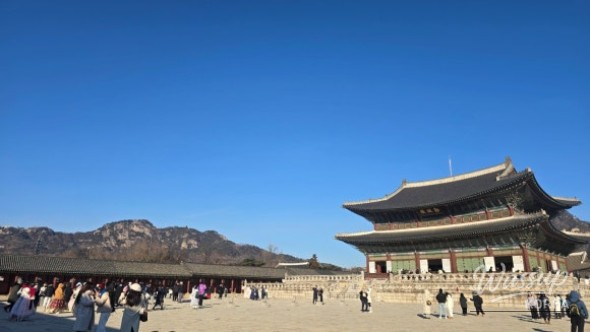
Starting the New Year with a visit to Gyeongbokgung Palace (경복궁) offers a unique opportunity to witness the quiet resilience of nature amidst centuries of history. While most visitors flock to the palace for the grand architecture and royal ceremonies, this New Year's Day walk was dedicated to identifying the diverse palace trees that stand guard through the biting winter cold. Under a perfectly clear blue sky, the palace grounds provided a serene backdrop for a family outing and a lesson in winter botany.
Exploring the palace in winter reveals details often missed in the lush greenery of summer, such as the intricate patterns of traditional dancheong paintwork and the subtle differences in tree bark and winter buds. From discovering the "fan-shaped" fruit of the miscanthus tree to identifying the national Mugunghwa in its dormant state, this journey was a reminder that knowing more about our surroundings makes even the coldest day feel warm and meaningful.
Royal Traditions and the Guardians of the Palace
Upon arriving at the palace, we were greeted by the majestic Changing of the Guard ceremony. Despite the freezing temperatures, the guards stood tall in their traditional attire, surrounded by visitors in vibrant hanbok. The consistent patterns and colors of the palace buildings, preserved through careful restoration, never fail to amaze with their timeless beauty.

Discovering the Stories Hidden in the Eaves
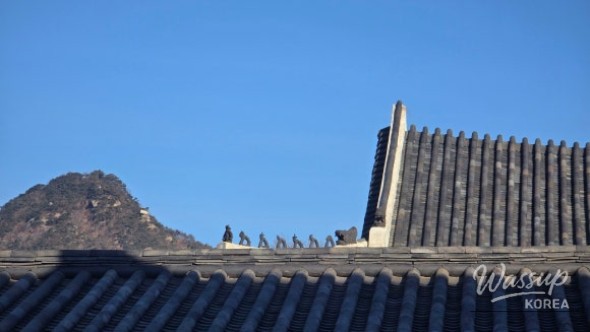
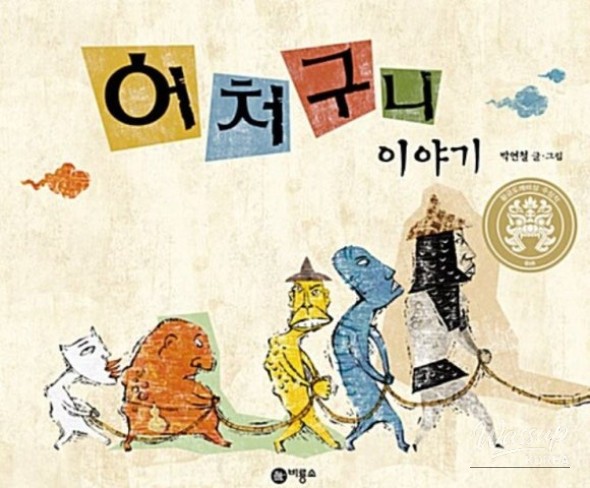
While looking up at the intricate eaves, I was reminded of old stories about the 'Cheonggyeong' figures. According to legend, these guardians were sent by the Jade Emperor to protect people from harm. Today, they still sit atop the palace roofs, watching over the visitors and coexisting with the moss and lichens that cling to the ancient stone and wood, forming their own small ecosystems.

Winter Botany: Identifying Palace Trees and Buds
Identifying trees in winter is a rewarding challenge. We spent time examining the bark of what turned out to be a 'Mugunghwa' (Hibiscus syriacus) tree, which looks remarkably different without its summer blooms. We also encountered 'Bisul' trees with their tightly clustered winter buds, though some were too high to photograph clearly. The palace trees, though bare, show the markings of their long endurance through the seasons.

The Cornelian Cherry and the Promise of Spring
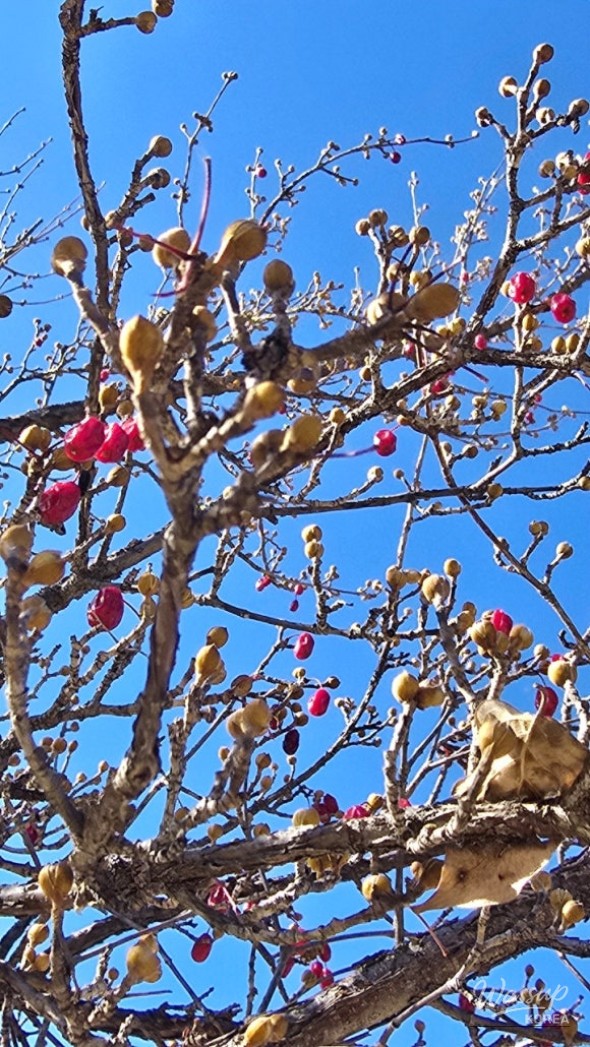
One of the highlights was finding the winter buds of the Cornelian Cherry tree. These small, rounded buds are often mistaken for fruit, but they are actually the pre-formed flowers waiting for the first sign of spring. Seeing these "packages of potential" amidst the frost reminded us that even in the depth of winter, life is preparing for a new beginning.

A Hearty Winter Feast at Tosokchon
To ward off the winter chill, we headed to the legendary Tosokchon (토속촌), famous for its ginseng chicken soup. We were treated to the 'Ogol Gye' (black chicken) version, a rich and nourishing broth that warmed us from the inside out. The restaurant's popularity was evident, with long lines forming quickly as we enjoyed our meal accompanied by a traditional shot of ginseng liquor.

Concluding a Meaningful New Year's Day
Spending the first day of the year exploring Gyeongbokgung and sharing a warm meal created a truly precious memory. The combination of historical exploration, botanical discovery, and culinary delight made the cold weather secondary to the joy of the experience. It was a perfect start to 2026, filled with gratitude and the beauty of nature.




Have you ever noticed how the trees in the royal palaces seem to have a different aura during the winter? If you're planning a visit to Gyeongbokgung this month, would you prefer a morning tour to see the Changing of the Guard or an afternoon walk to catch the sunset over the Gyeonghoeru Pavilion? After your palace tour, don't miss out on the nearby Seochon Hanok Village for some charming local cafes!
No comments yet.