Impressionism to Early Modernism Exhibition Review
137 Seobinggo-ro, Yongsan-gu, Seoul
국립중앙박물관



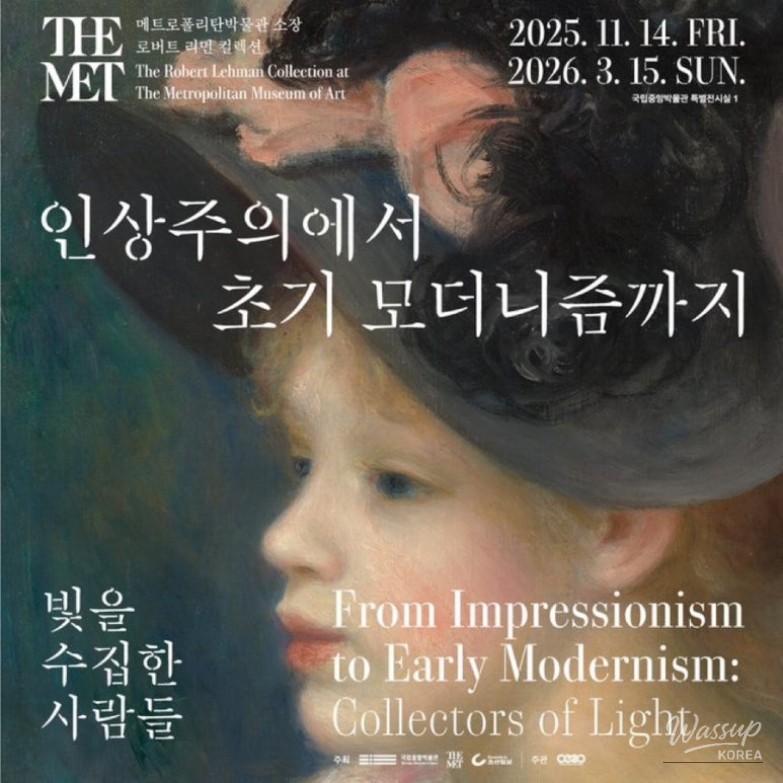
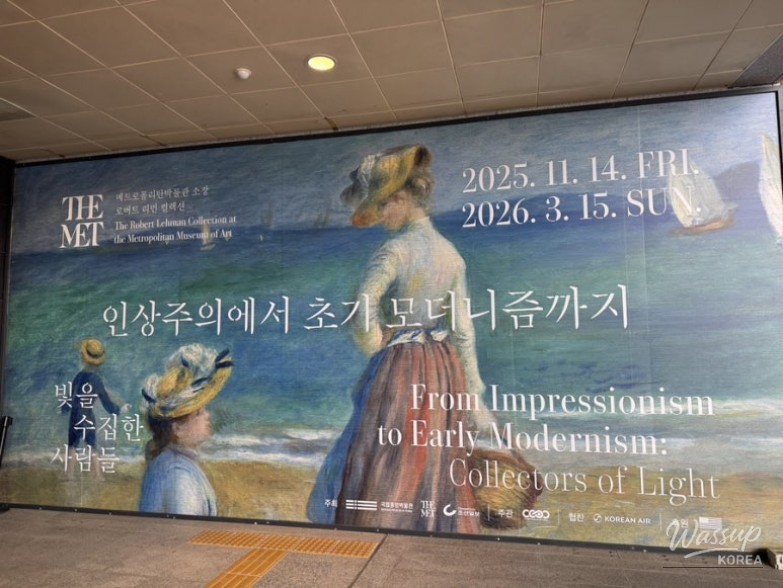
The National Museum of Korea (국립중앙박물관) is currently hosting a breathtaking journey through Western art history with its special exhibition, "From Impressionism to Early Modernism." Featuring selected works from the prestigious Robert Lehman Collection of the Metropolitan Museum of Art, this show highlights the pivotal transition where artists began to redefine their perspectives on daily life, nature, and the human form.
While the exhibition avoids the "blockbuster" cliché of relying solely on world-famous icons, it offers a deeply curated experience that resonates with emotional depth. From the soft glow of Renoir's brushstrokes to the intimate domestic scenes of Mary Cassatt, visitors are invited to witness the evolution of artistic light and technique in one of Seoul's most iconic cultural venues.
A Focused Look at the Robert Lehman Collection
Western Art's Transition Beyond Impressionism
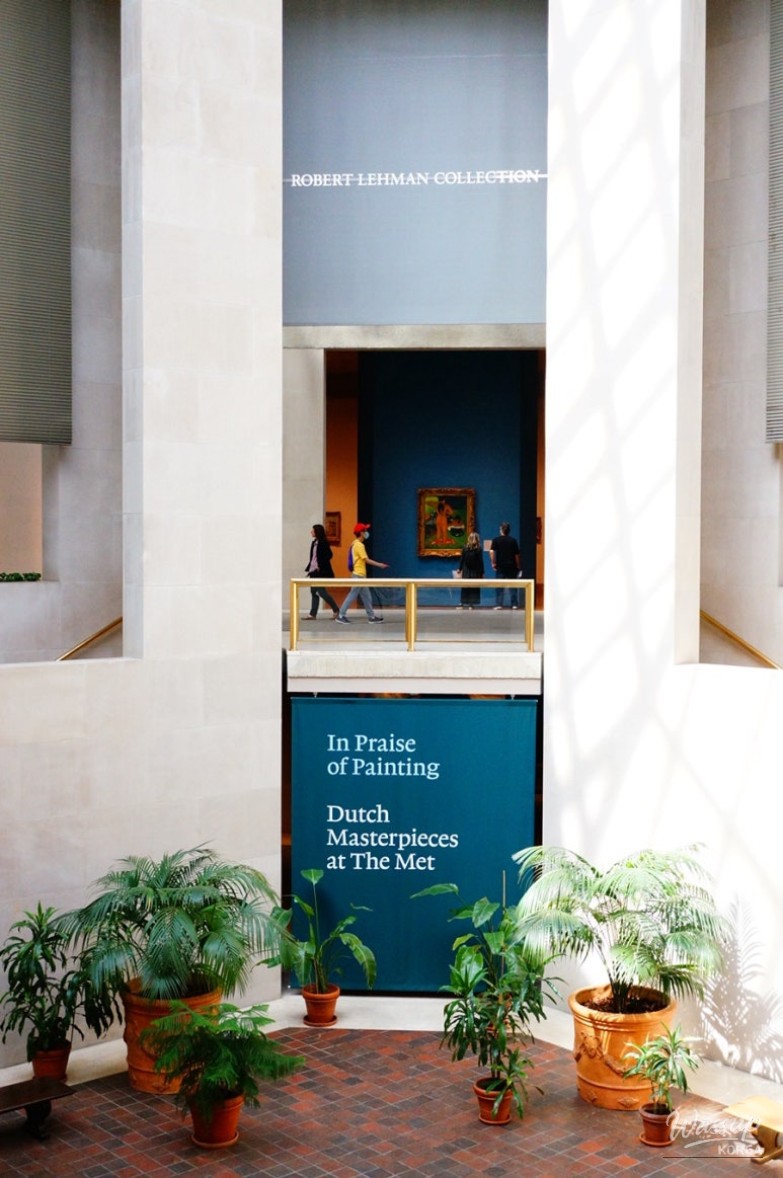
This exhibition serves as a rare opportunity to view the Robert Lehman Collection outside of New York. The curation specifically targets the era following the peak of Impressionism, showcasing how early modernism began to take root through changing light and experimental forms. It is an essential visit for those who want to understand the bridge between classical techniques and modern artistic expression.
Photography is permitted without flash, allowing visitors to capture the serene atmosphere of the galleries. Before entering, you might even encounter the museum's guide robot, QI, adding a touch of modern Korean technology to this journey through 19th and 20th-century Western art history.
Renoir’s Masterpiece and Artistic Balance
Highlighting Pierre-Auguste Renoir's 'Spring'
The centerpiece of the exhibition is undoubtedly Pierre-Auguste Renoir’s "Spring." Its grand scale and the soft, radiant lighting characteristic of his style naturally draw a crowd. The painting embodies a gentle warmth that defines the Impressionist spirit, making it a standout highlight that justifies the visit on its own.
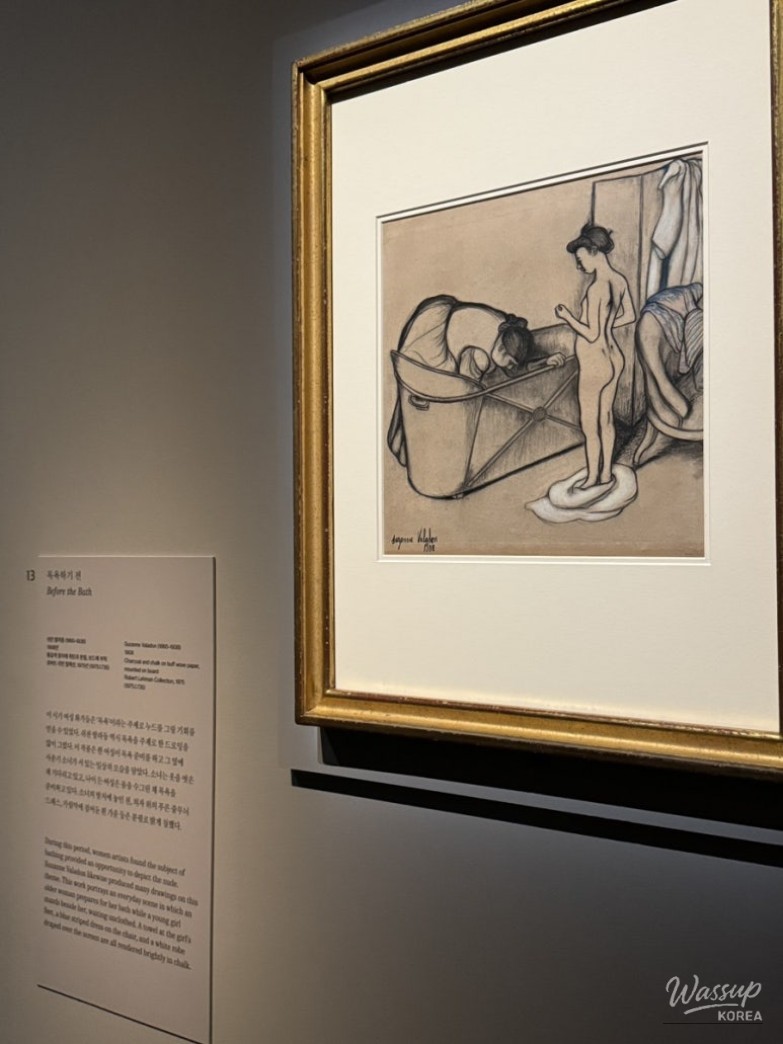
In contrast to the larger-than-life works, Raimundo de Madrazo’s "Masquerade Ball" provides a detailed and delicate look at 19th-century fashion and social life. The exhibition also addresses the historical context of nudity in art, explaining how female artists like Mary Cassatt navigated these themes through domestic settings like bathing, providing a more balanced perspective on the era's artistic output.
The Irreplaceable Charm of Landscape and Daily Life
Mary Cassatt and the Beauty of the Natural World
For many visitors, the smaller, more intimate works leave the strongest impression. Mary Cassatt’s depiction of a baby—with its rosy cheeks and natural, unposed posture—creates a warm sense of familiarity. These scenes of daily life offer a counterpoint to the more formal portraits of the time, emphasizing the humanity within the art.
Furthermore, the landscape section proves that even in the age of digital photography, the texture of oil paint on canvas remains irreplaceable. Henri Harpignies’ forest paths, captured with soft light reflections, create a three-dimensional depth that feels almost like real sunlight filtering through the trees, inviting viewers to step directly into the scene.

Optimizing Your Museum Visit
Viewing Conditions and Comfort at the National Museum
Due to the popularity of the Met exhibition, the museum can become quite crowded, especially on weekends. While there are seating areas provided throughout the gallery, they can fill up quickly. It is recommended to visit during weekday mornings to enjoy the quiet reflection that these artworks deserve.
The way the internal museum lighting interacts with the oil surfaces creates a unique glow, often referred to as "museum light," which enhances the emotional impact of the landscape paintings. After finishing the tour, the museum's surrounding park and the view of N Seoul Tower from the open plaza offer a perfect space to process the visual journey you've just experienced.
The transition from Impressionism to Modernism shows us how much the artist's personal perspective can change our view of the world. Which artist's "light" resonated with you the most—the soft warmth of Renoir or the intimate clarity of Mary Cassatt? After the exhibition, would you like to explore the nearby Ichon Hangang Park for a sunset walk that rivals the paintings you've just seen?
No comments yet.