Autumn Painted with Soybeans: The Paju Jangdan Soybean Festival at Imjingak



Autumn Painted with Soybeans, Encountered at Imjingak
2025 Paju Jangdan Soybean Festival
Enjoying a warm autumn at Peace Nuri Park, a story from the 29th Paju Jangdan Soybean Festival ✨
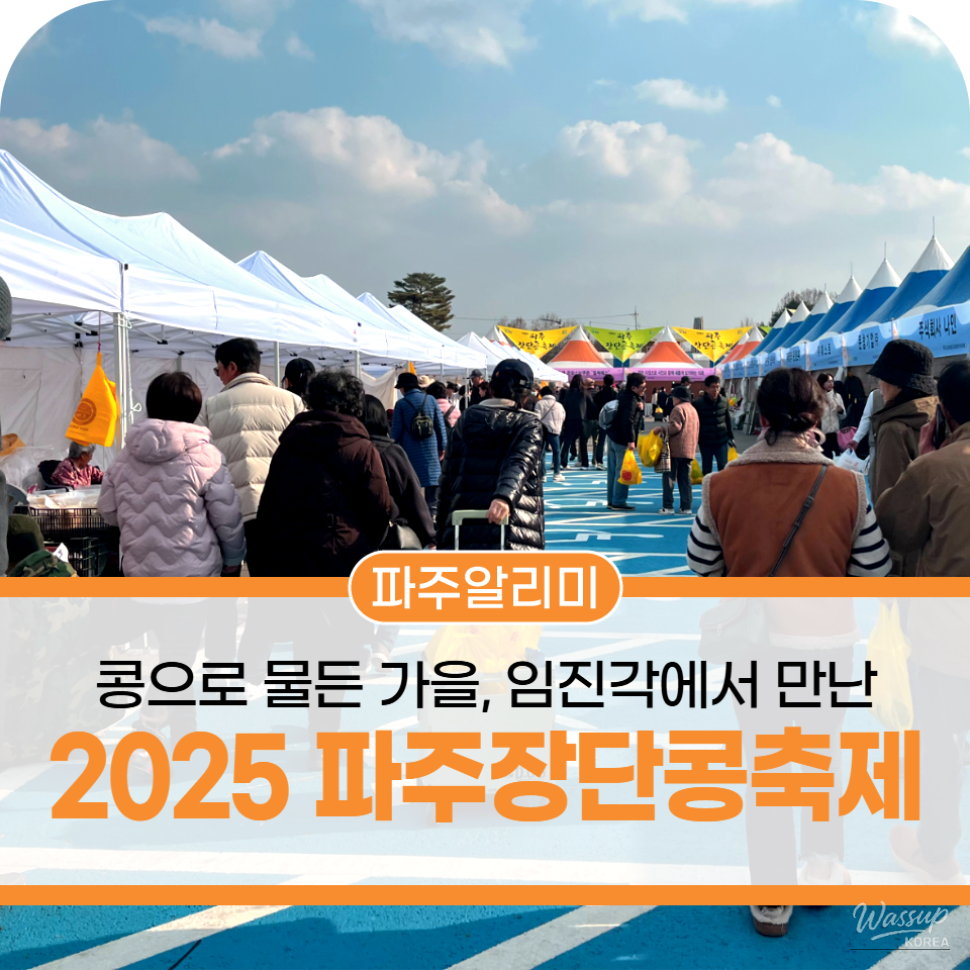
I visited the ‘29th Paju Jangdan Soybean Festival’ held at Paju Imjingak Tourist Site from November 21st to 23rd!
The Paju Jangdan Soybean Festival, now in its 29th year, is a festival where Paju's representative specialties gather in one place.
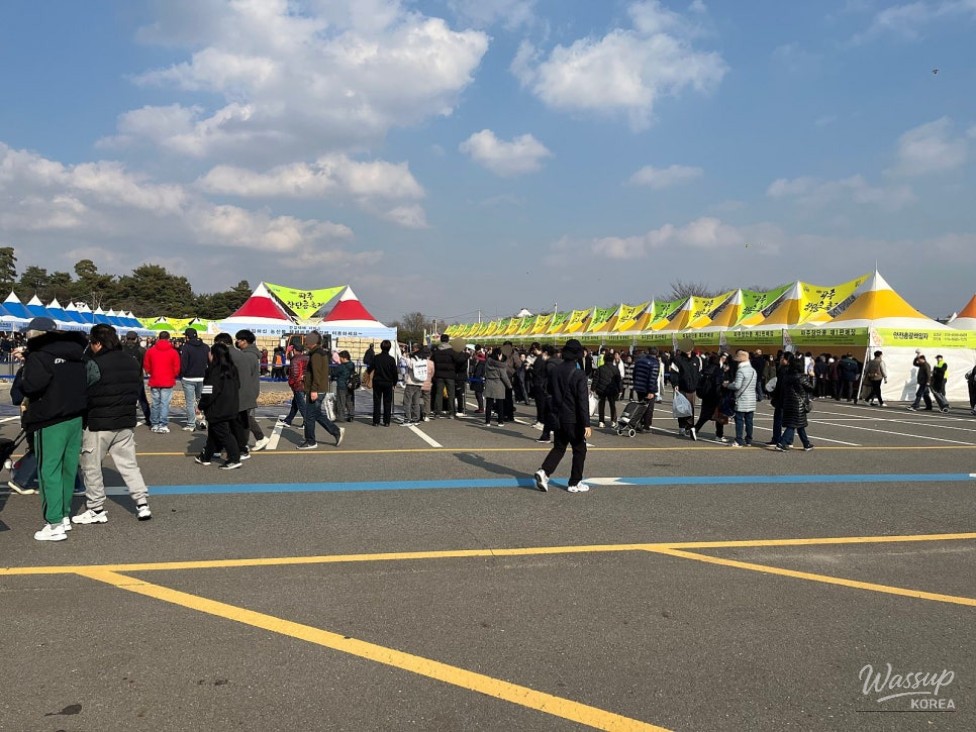
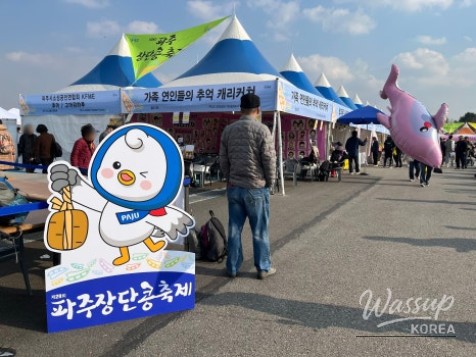
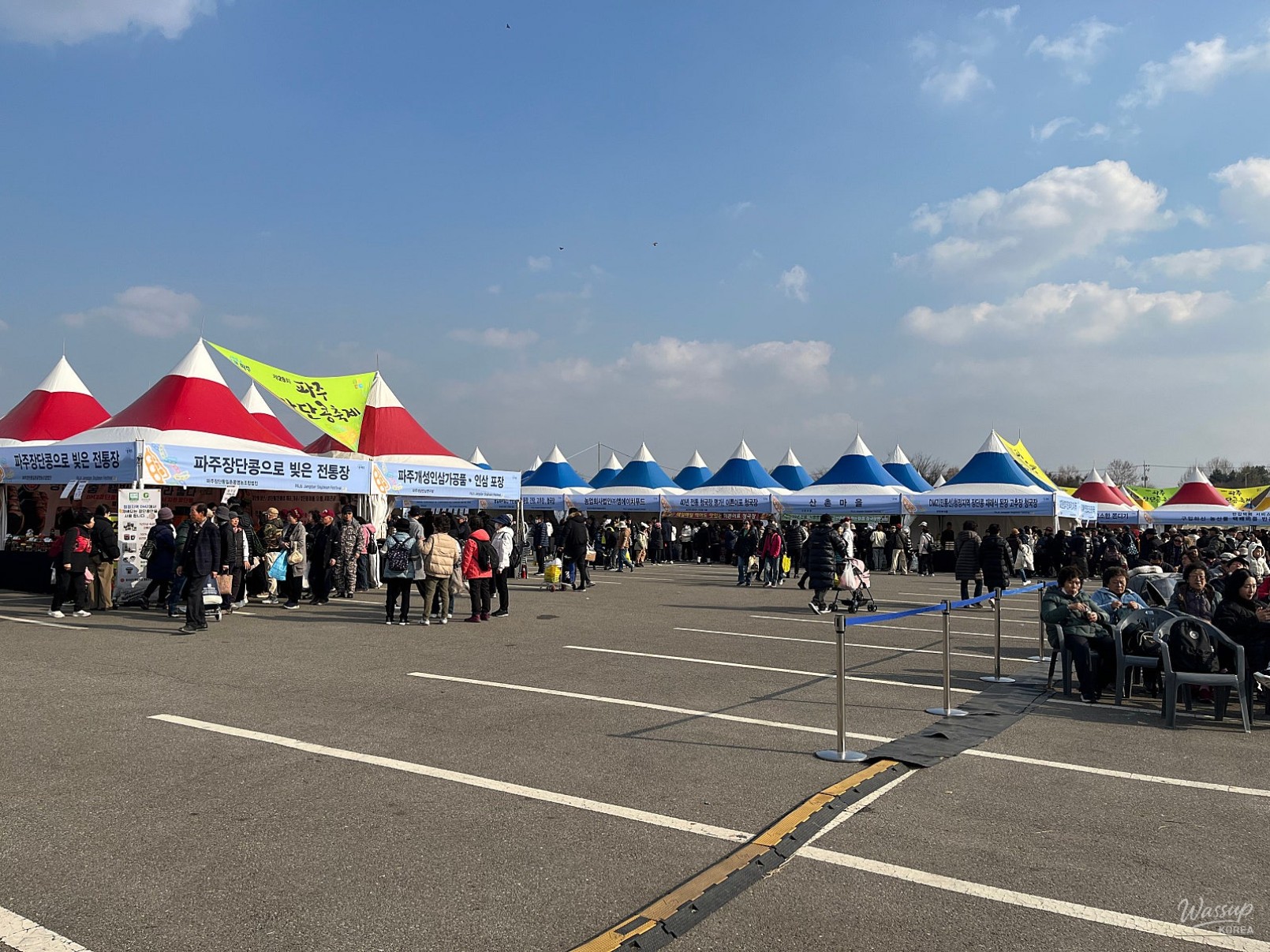
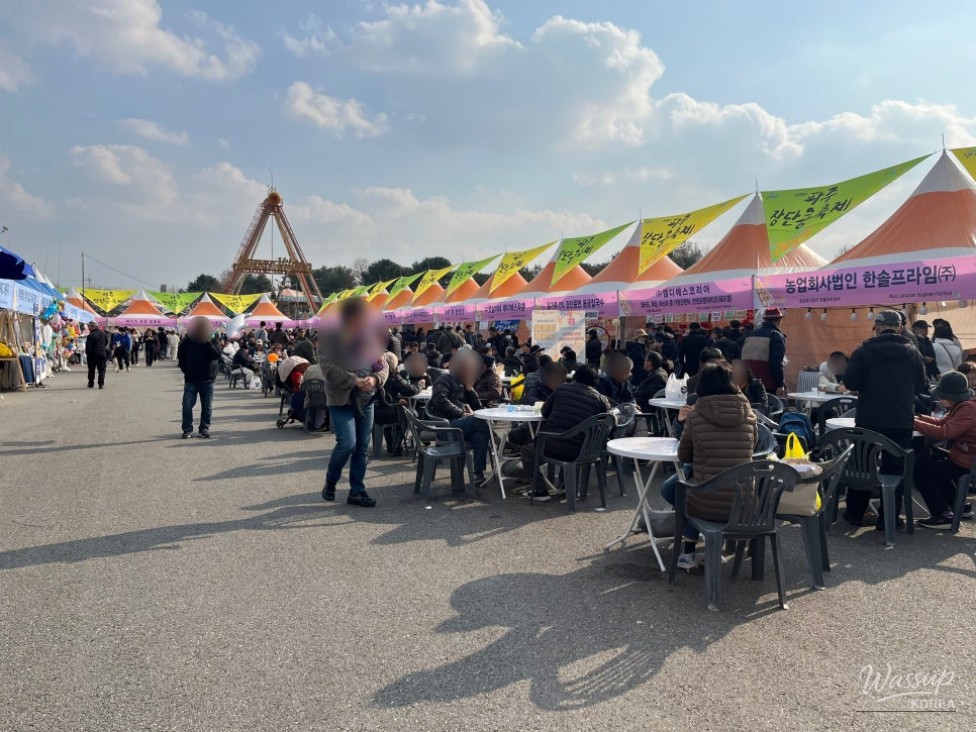
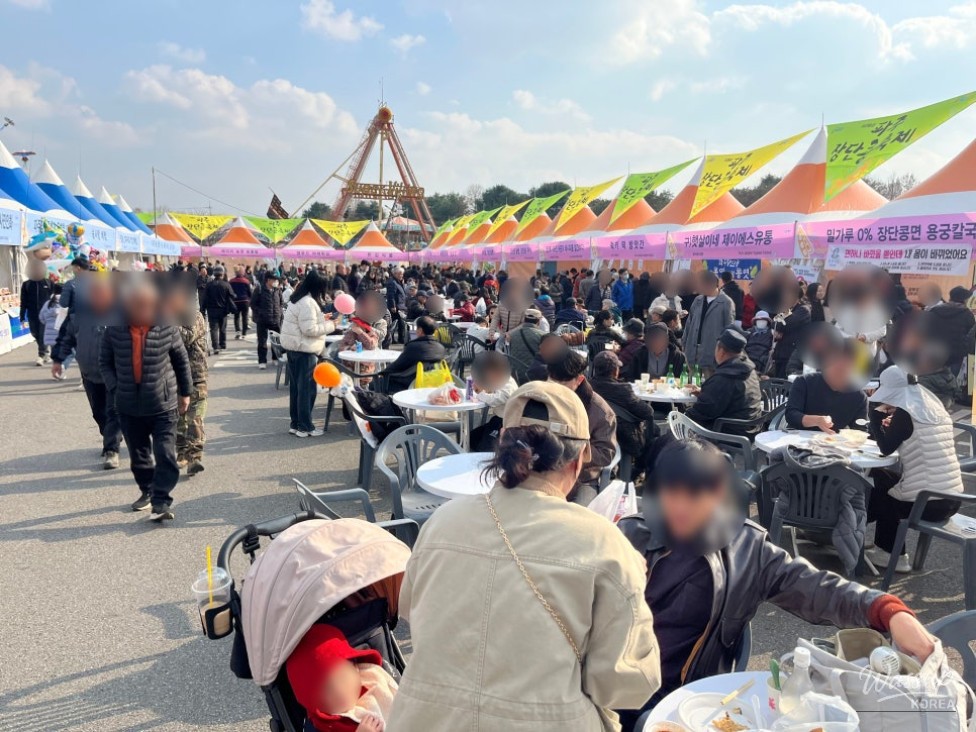
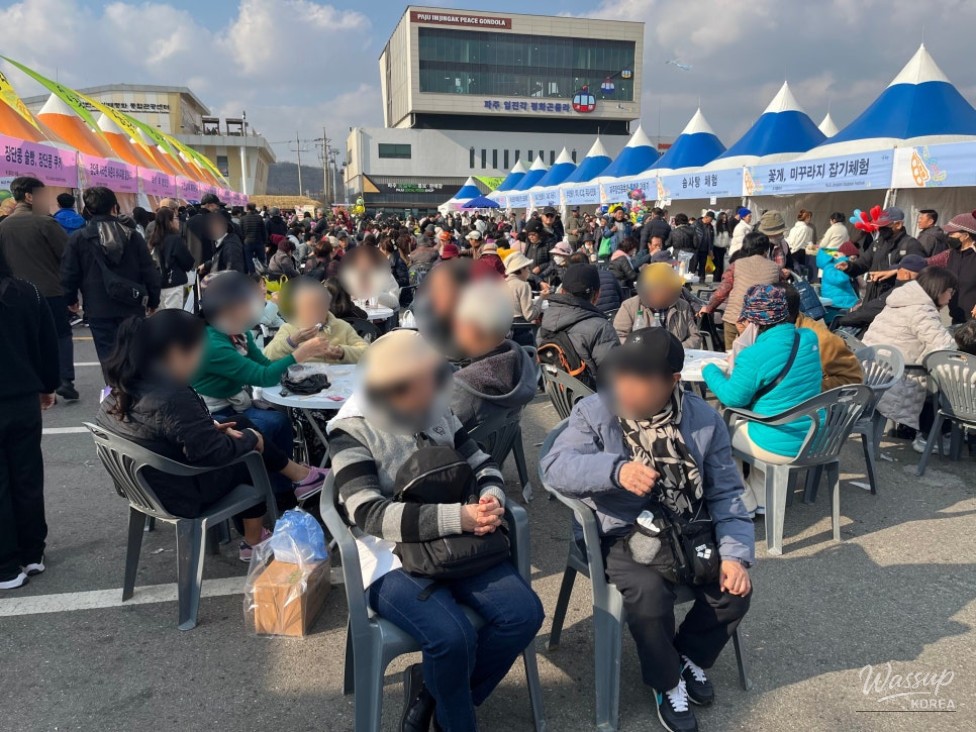
Booths were divided into themes using the adorable word ‘soybean’ in names like Jangdan Sambaek, Alkongdalkong, Nolkong, and Salkong, and the festival was bustling with Paju citizens.
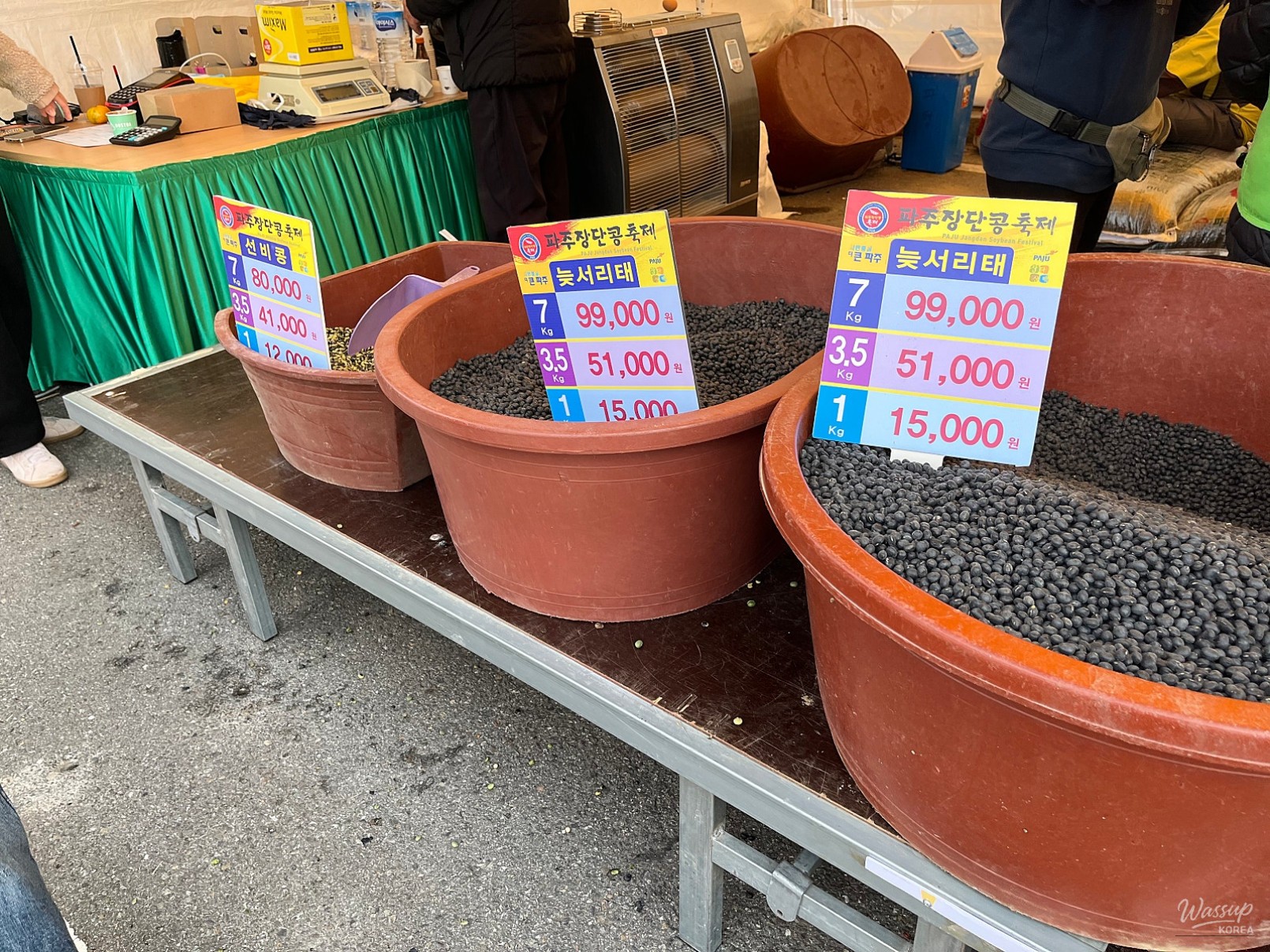
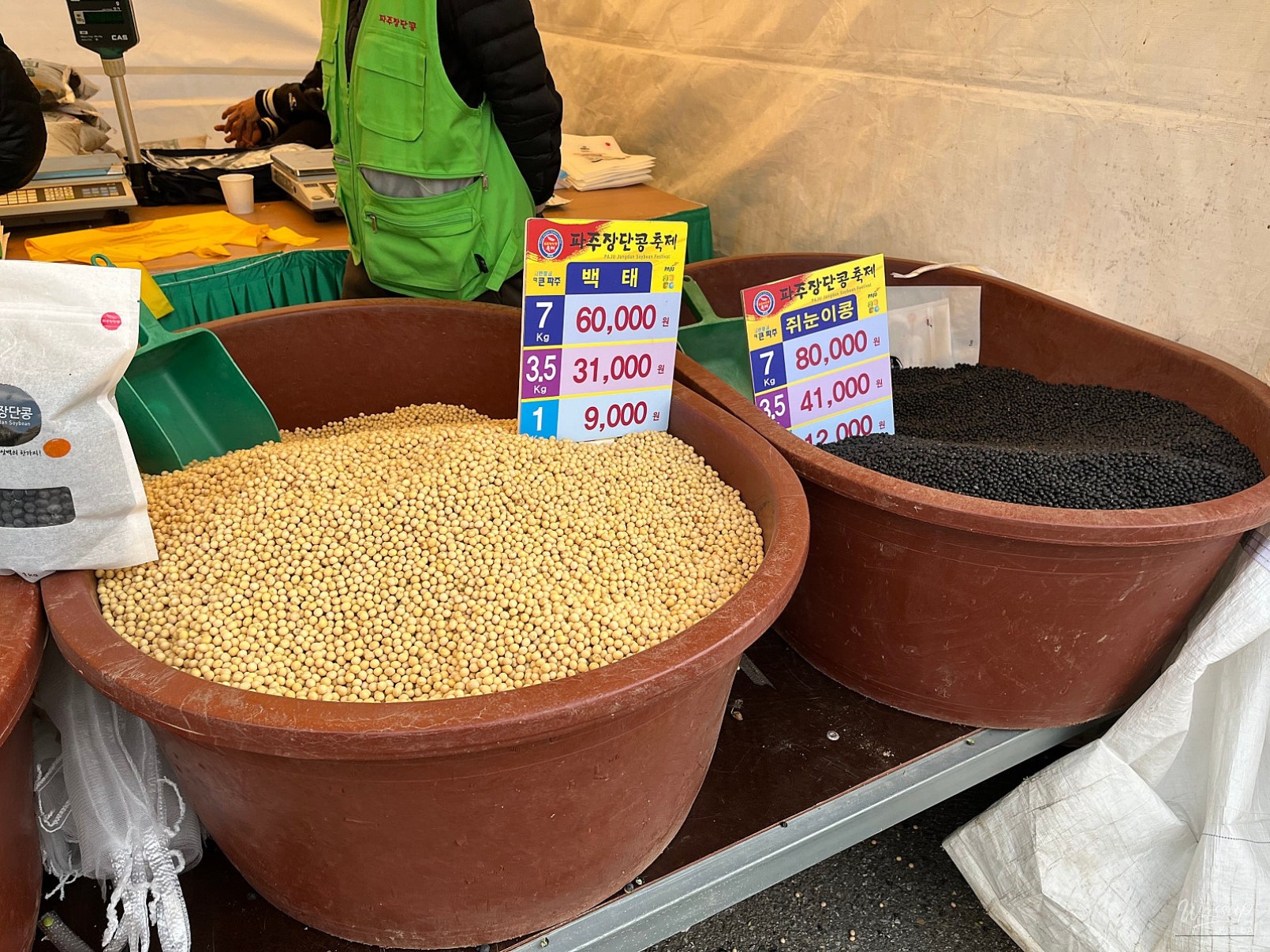
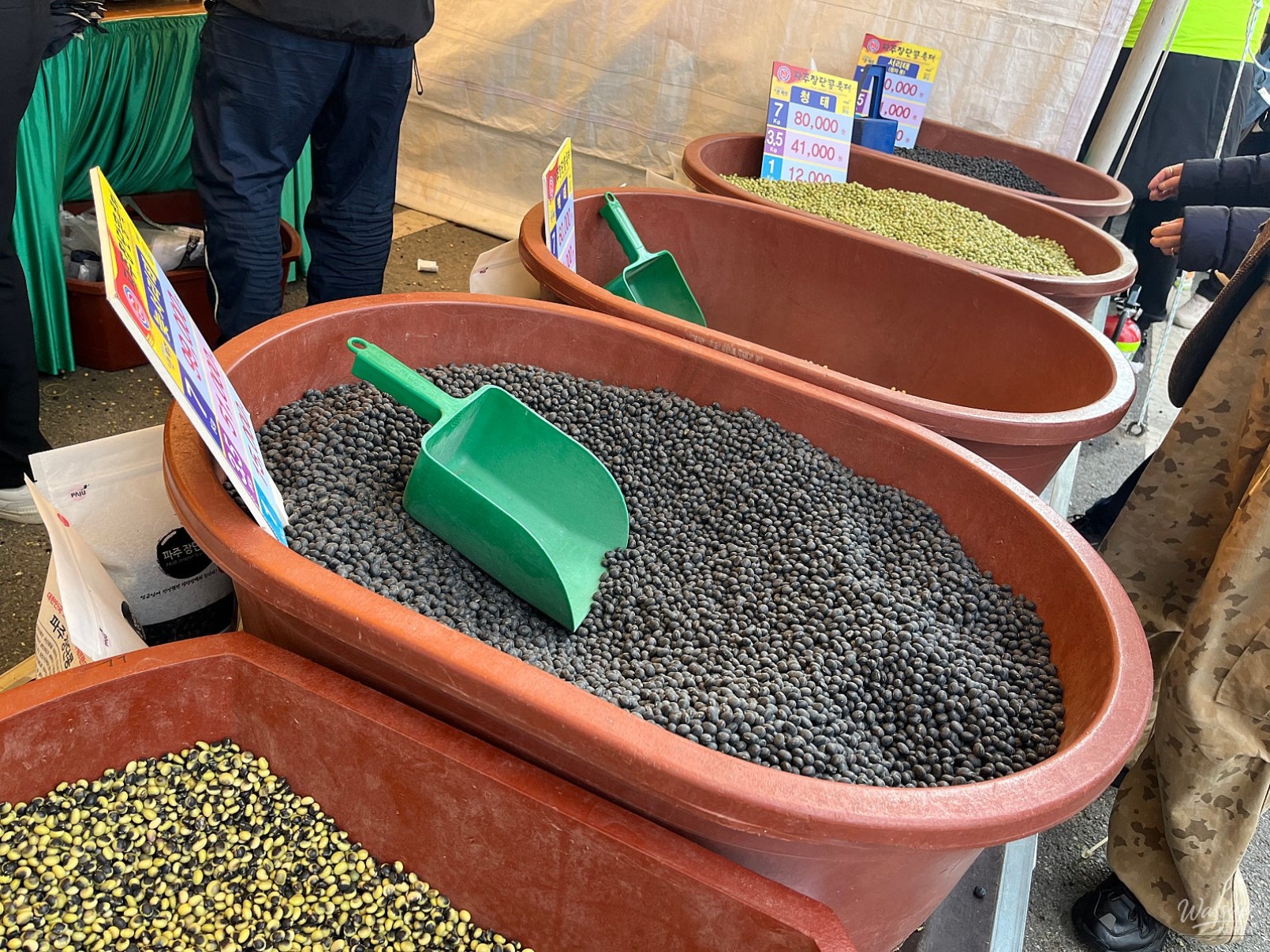
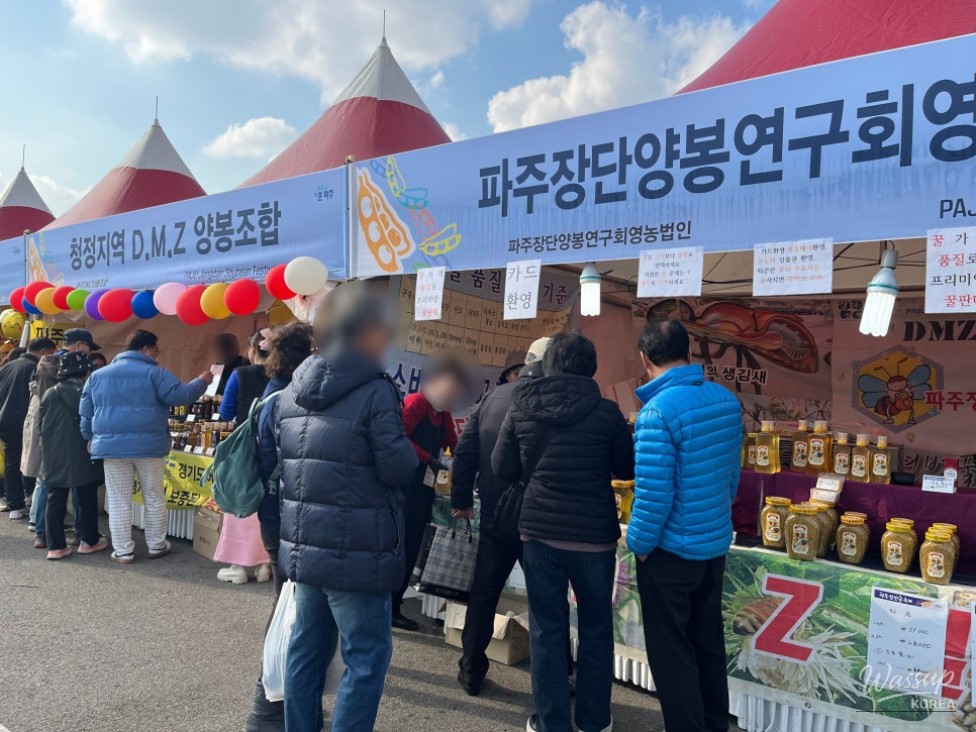
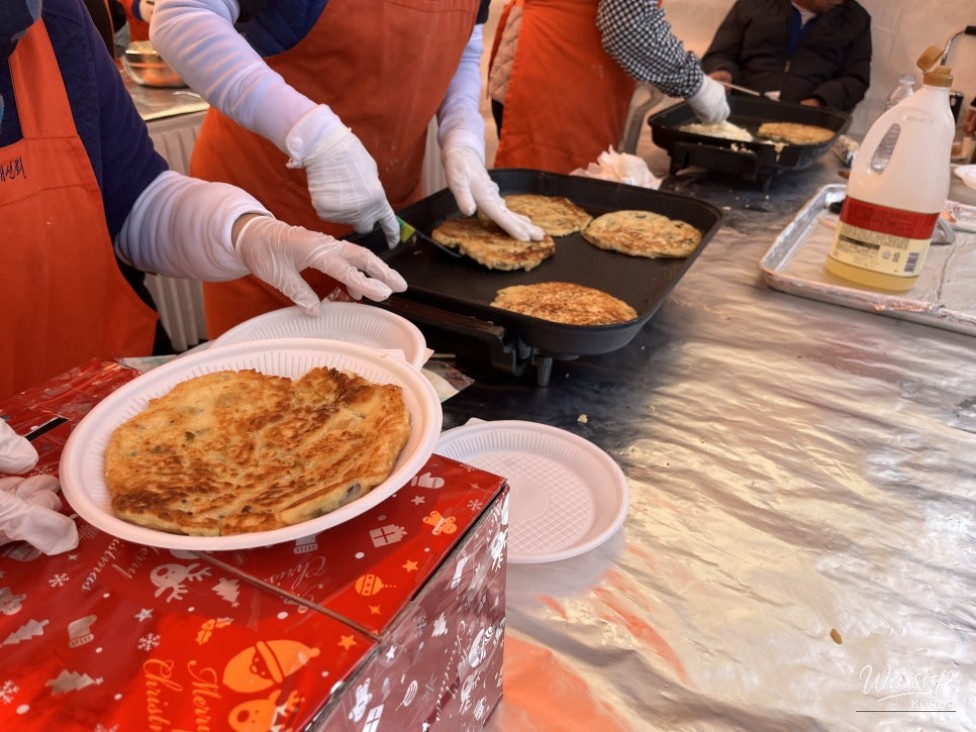
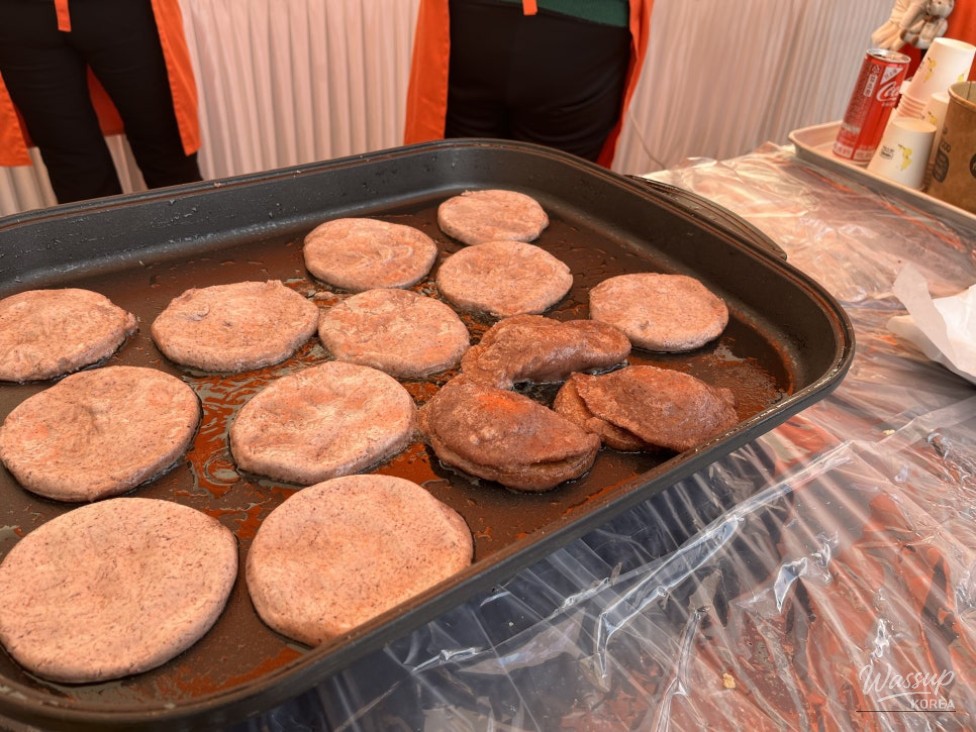
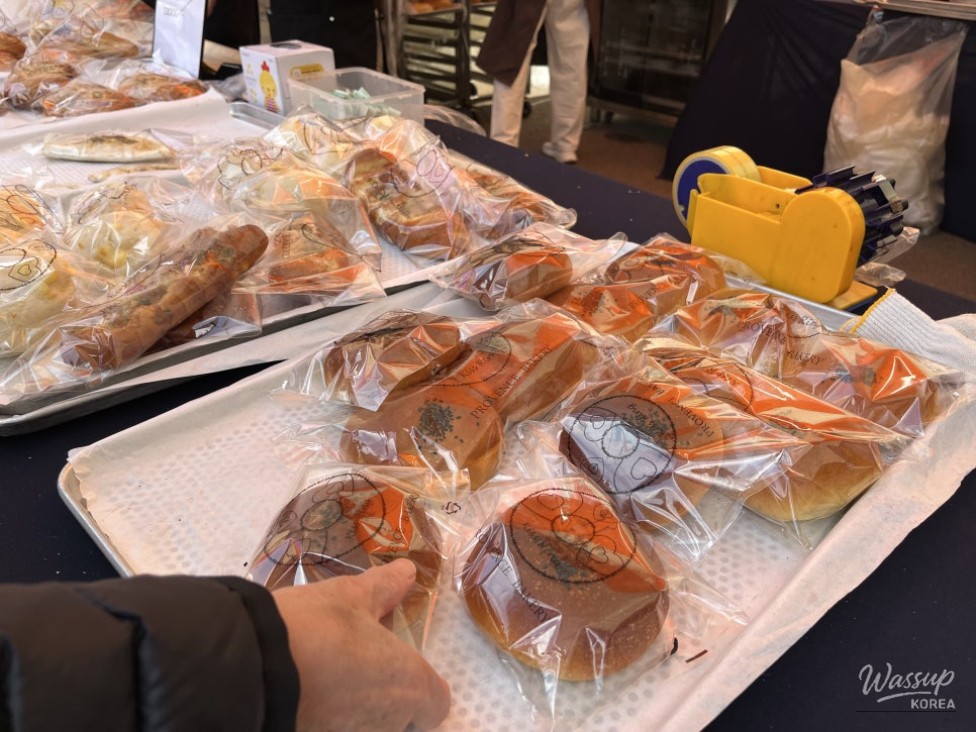
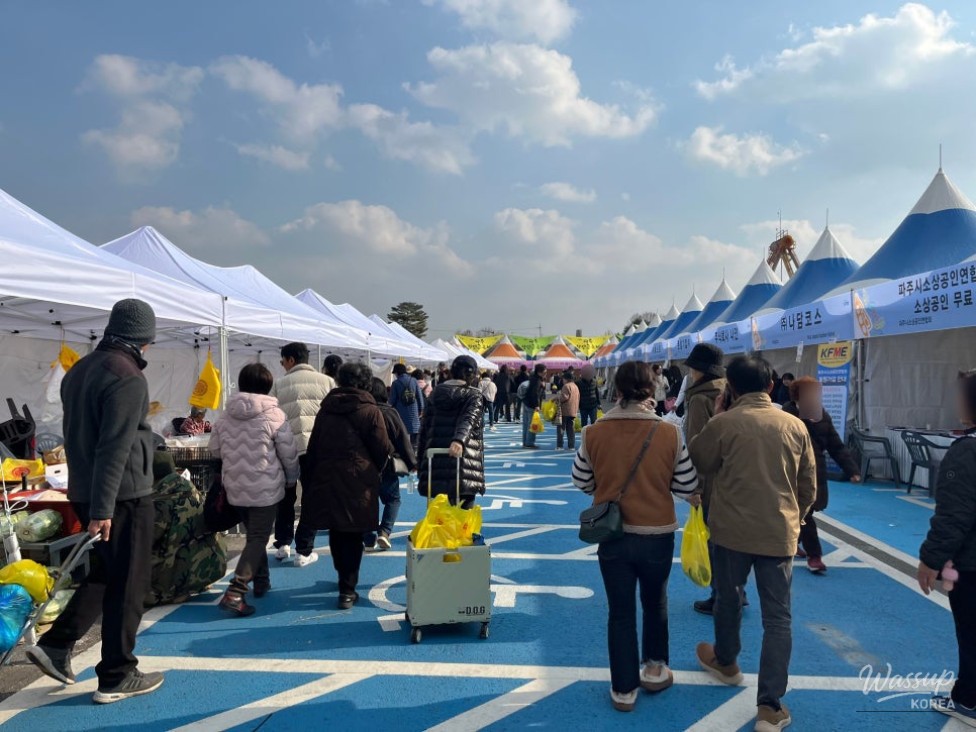
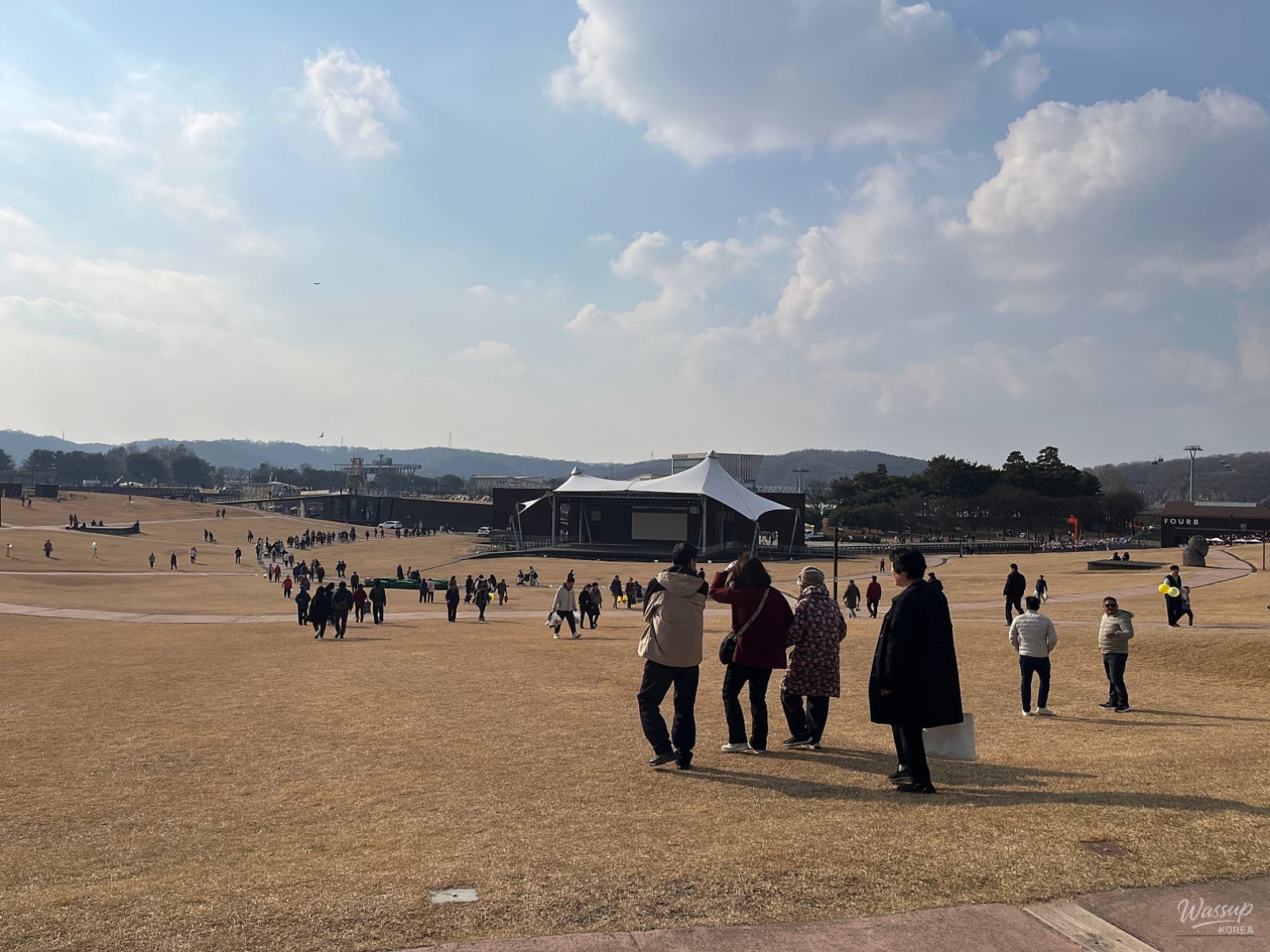
As soon as I entered Imjingak Peace Nuri Park, the savory smell of soybeans filled the air. Paju's representative agricultural products such as Jangdan soybeans, Jangdan Baektae, and Cheonggukjang were on full display, and there were many booths where you could taste and purchase them directly.
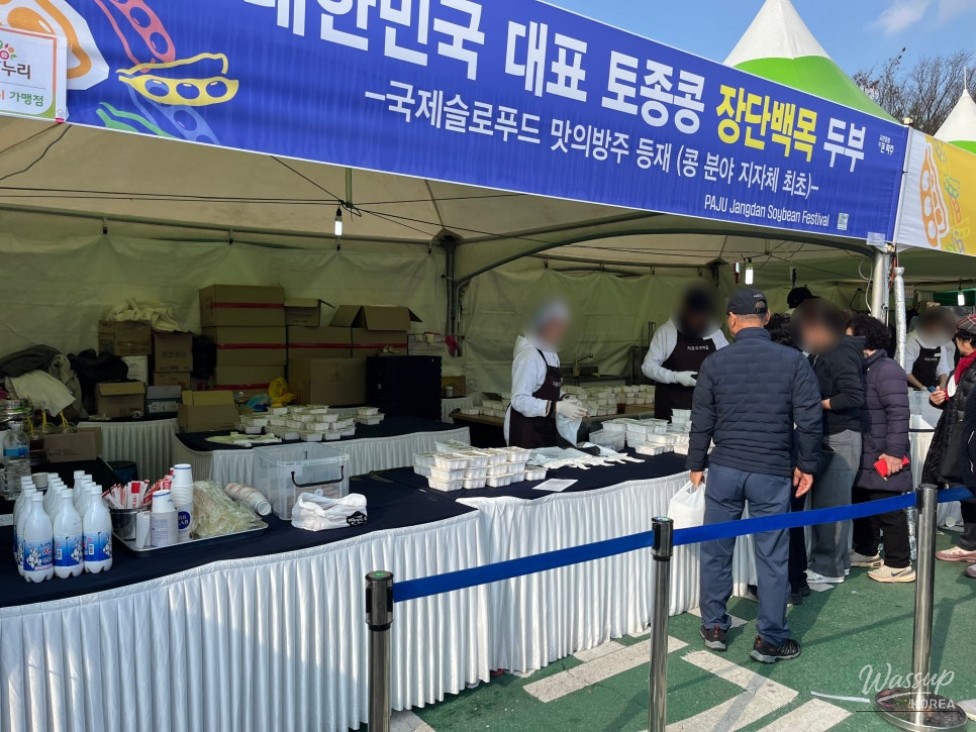
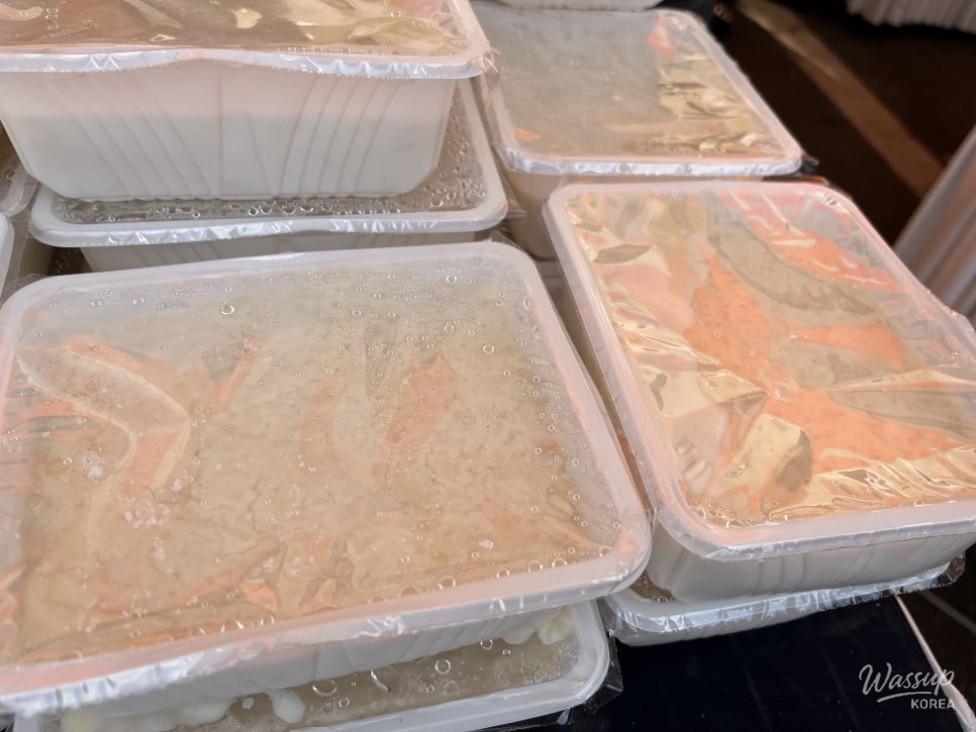
In the ‘Jangdan Sambaek Zone,’ they were making and selling tofu made from Jangdan soybeans on the spot. As soon as I took a bite of the freshly made warm tofu, the savory flavor filled my mouth. I understood why Paju Jangdan soybeans are so famous!
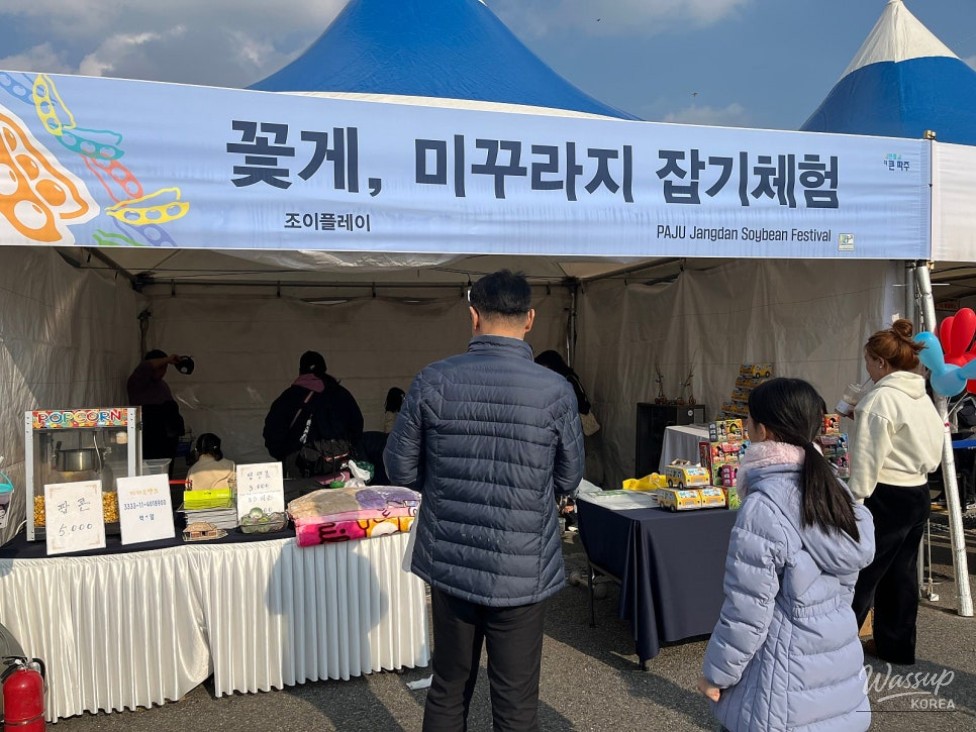
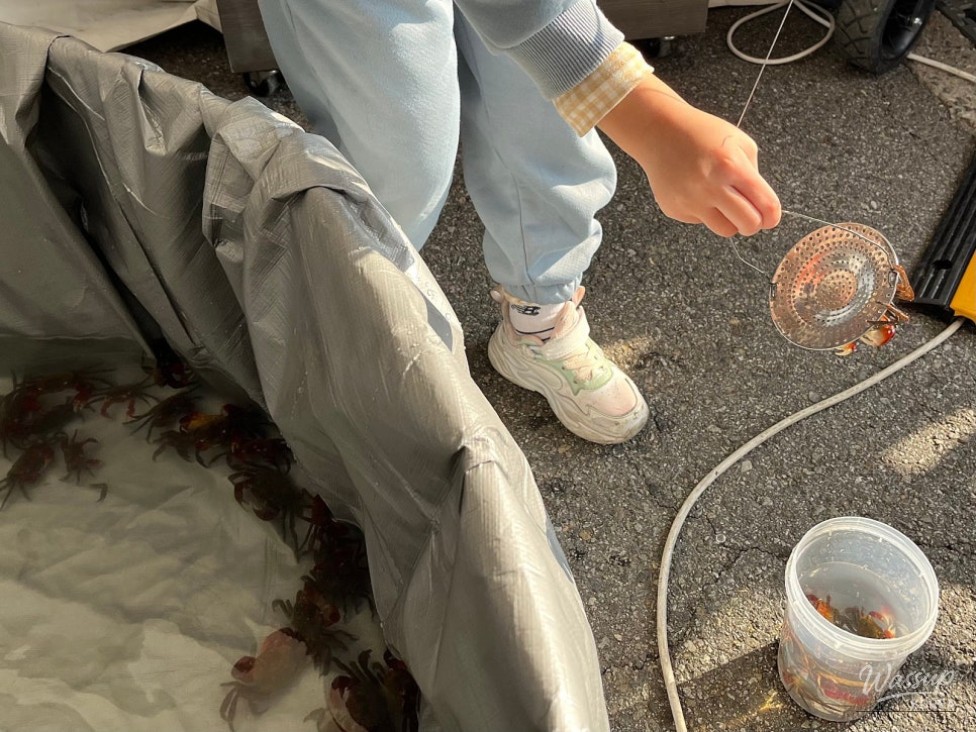
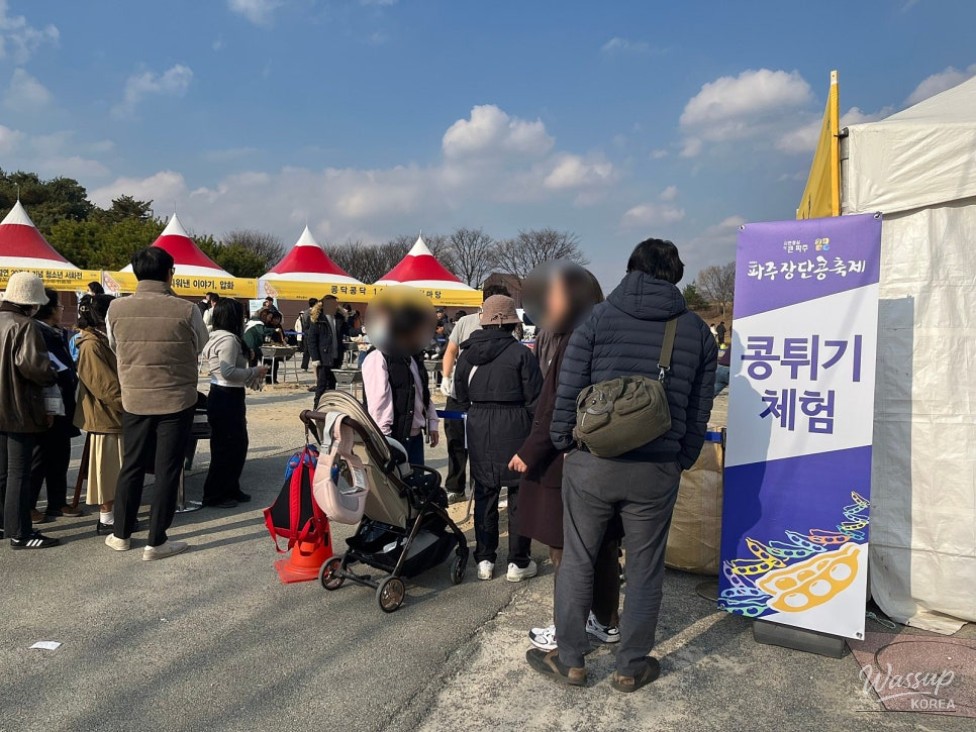
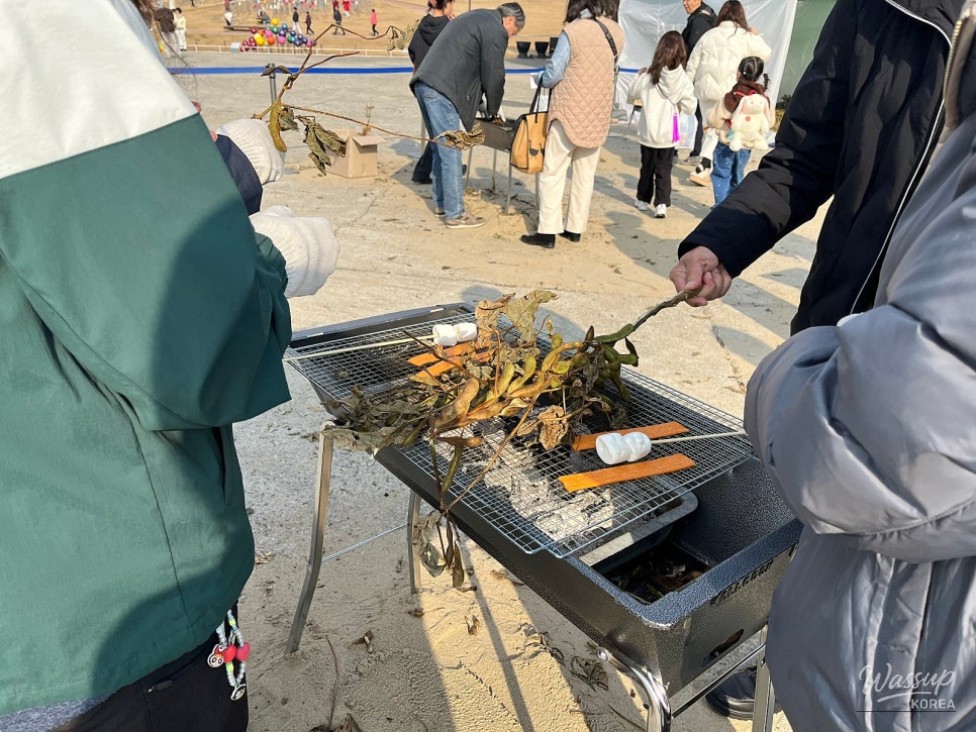
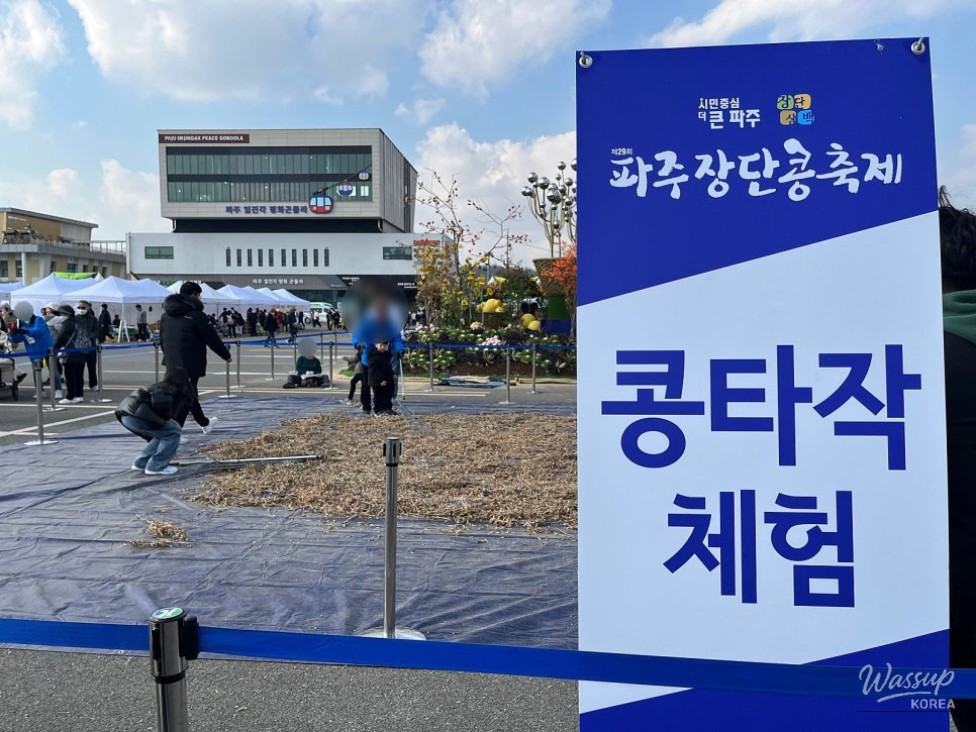
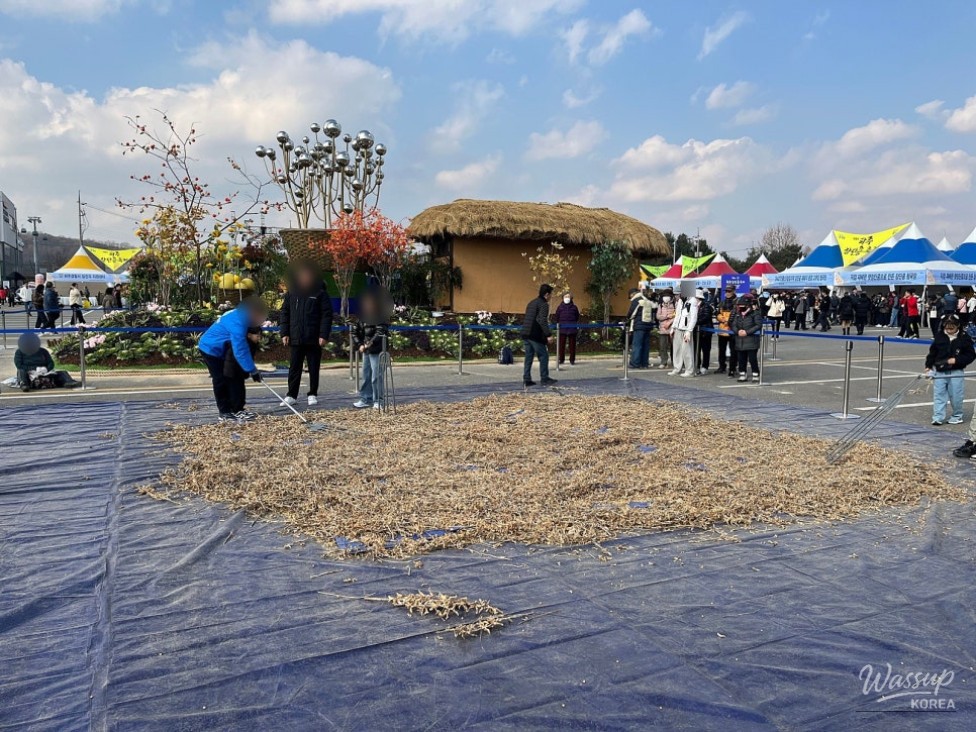
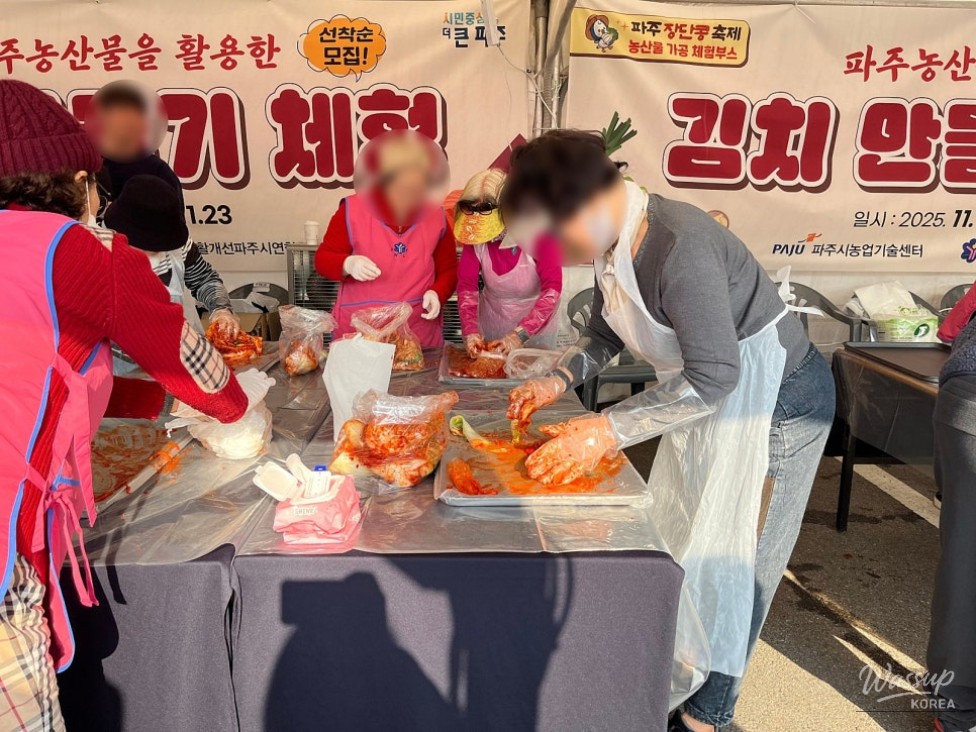
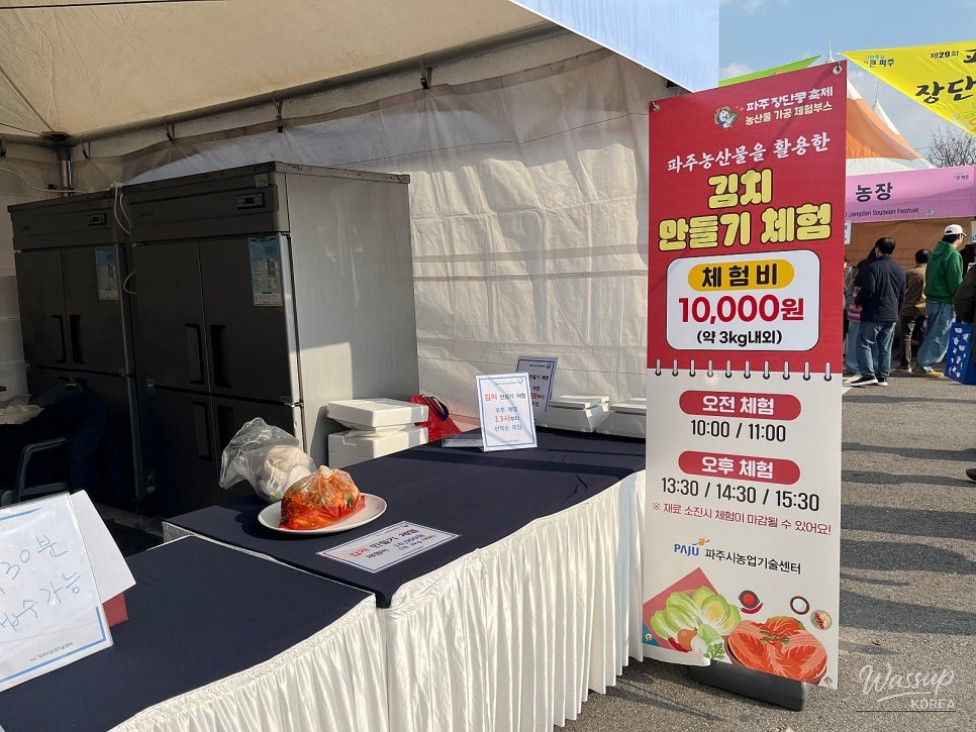
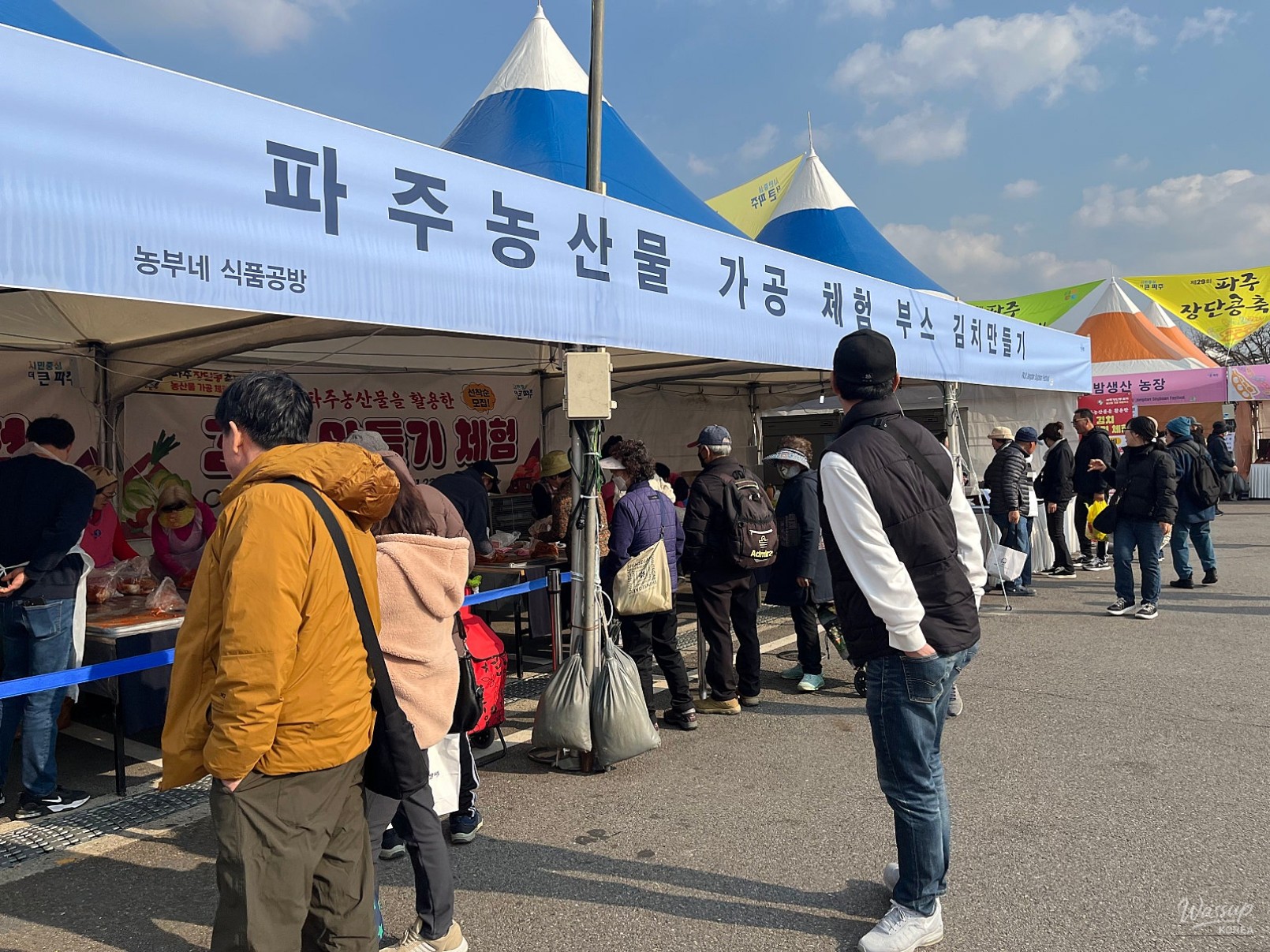
There were many families with children. In the ‘Nolkong Zone,’ children were experiencing soybean threshing and catching crabs, and there was also a booth for kimchi-making.
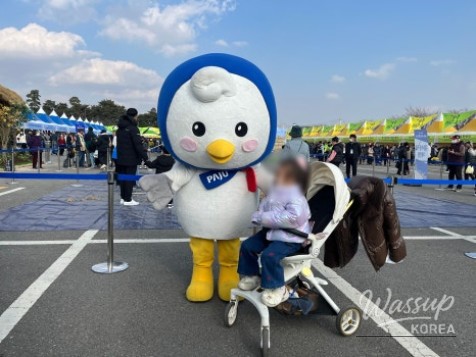
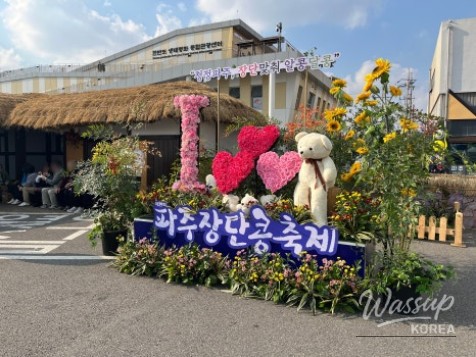
Also, there were photo zones everywhere, perfect for taking pictures.
✔ ‘Jangdan Sambaek’ is an area where you can find excellent local agricultural specialties along with Paju Jangdan soybeans.
✔ ‘Alkongdalkong’ is a space focused on family-friendly experiences.
✔ ‘Nolkong’ offers entertainment for children and teenagers.
✔ ‘Salkong’ symbolizes increased income for Paju farmers and regional coexistence.
The Paju Jangdan Soybean Festival is not just a place to exhibit soybeans, but a place to support local agriculture and reflect on the value of the region, which made it all the more meaningful.
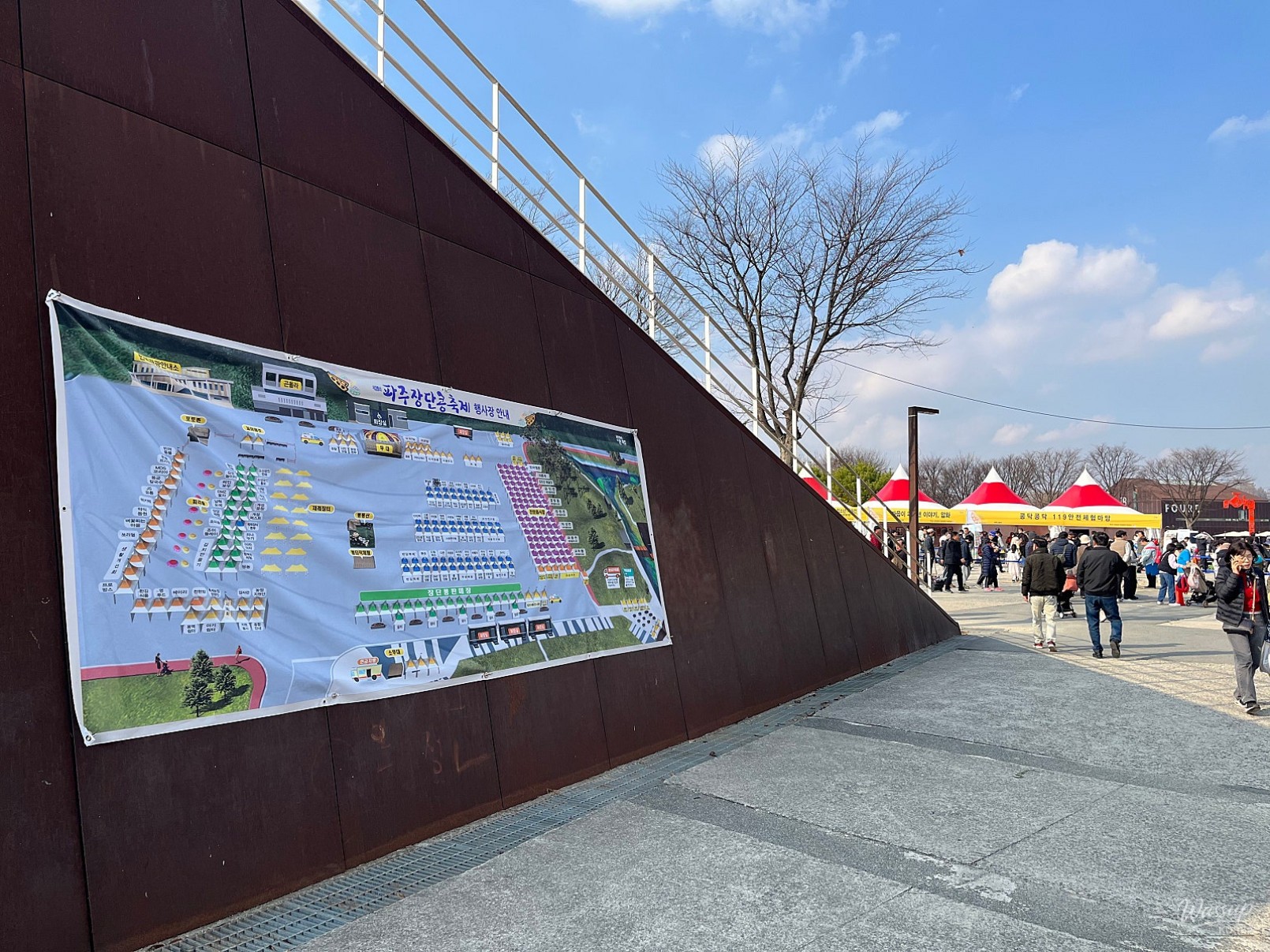
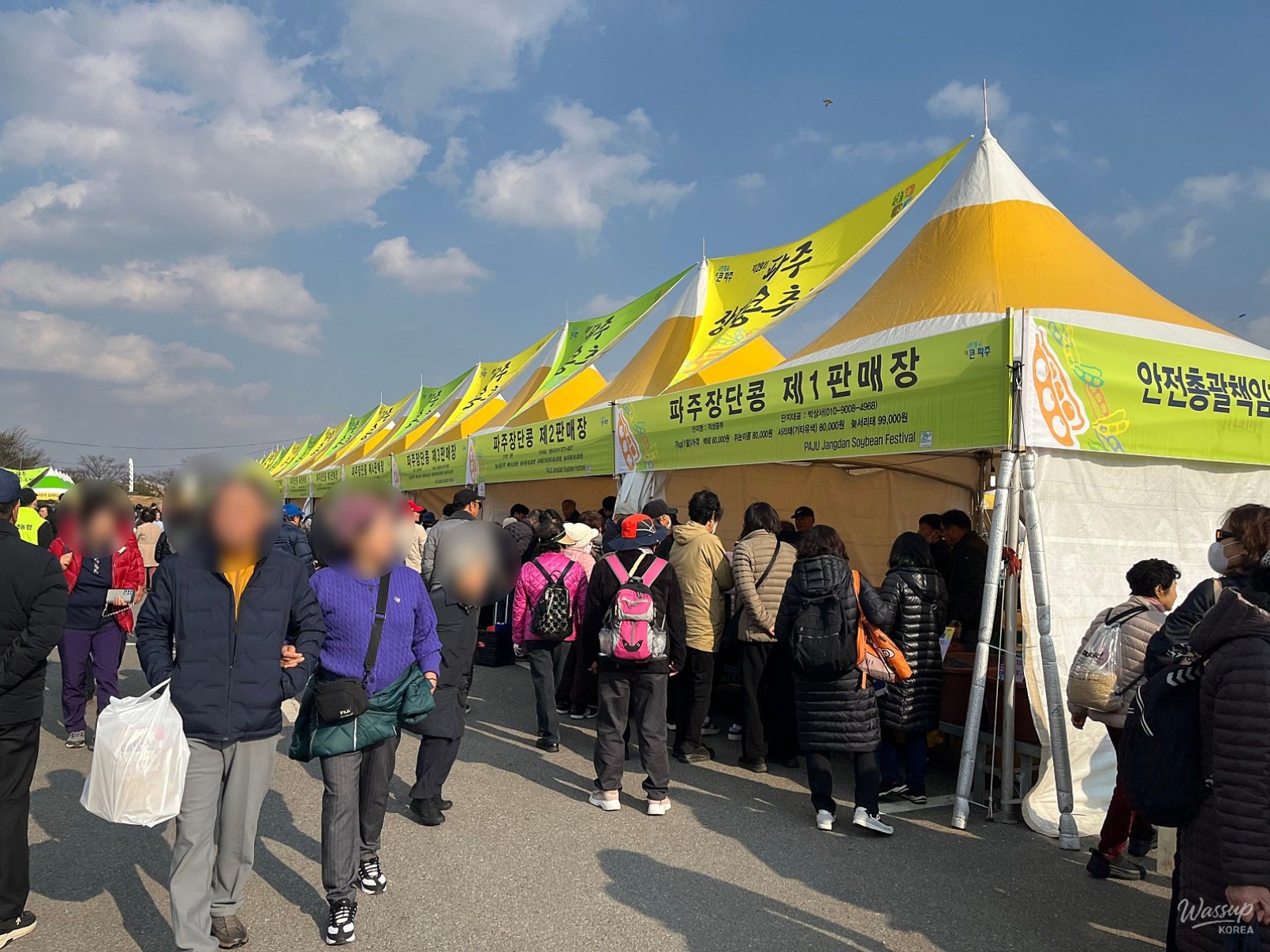
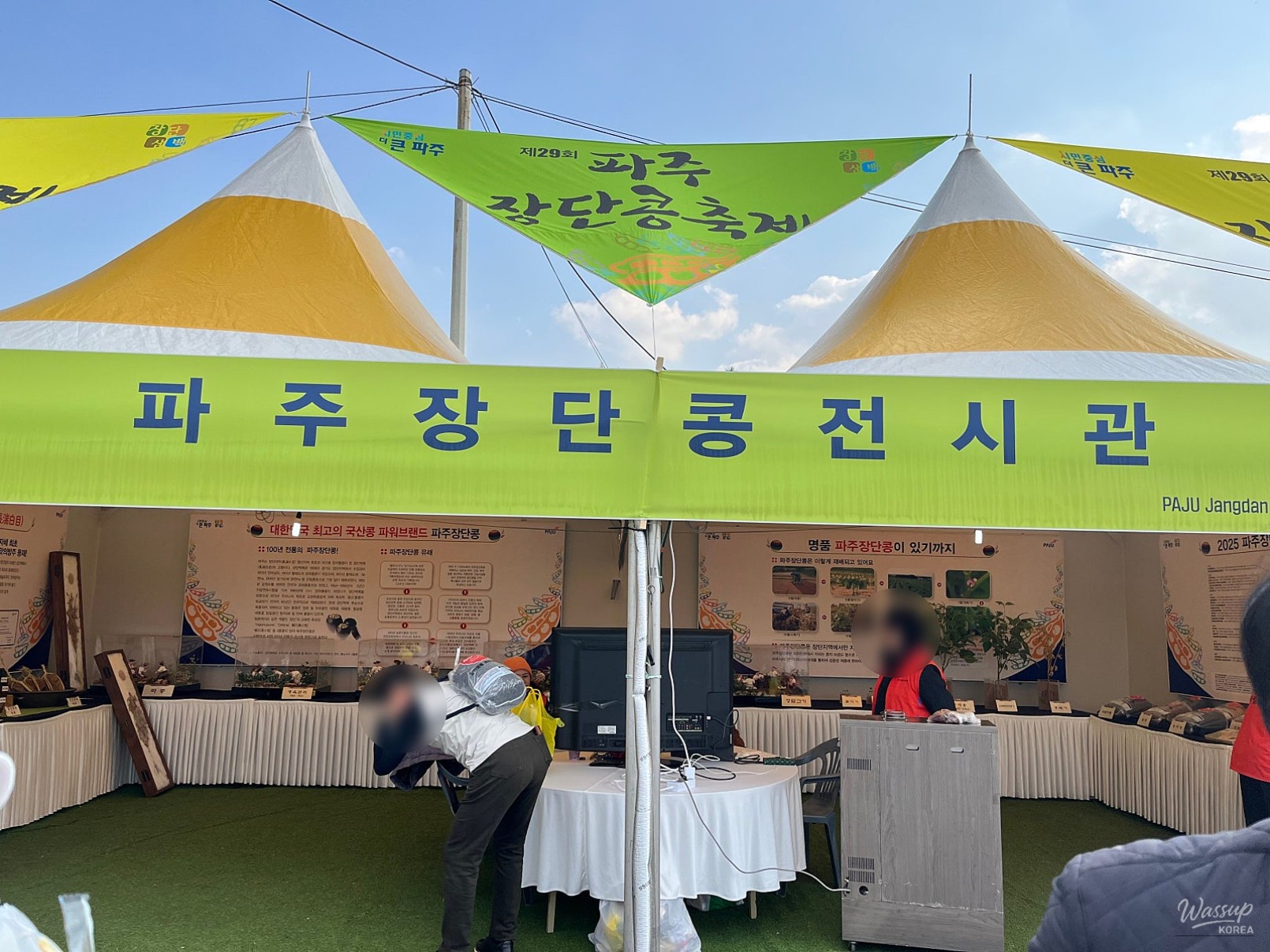
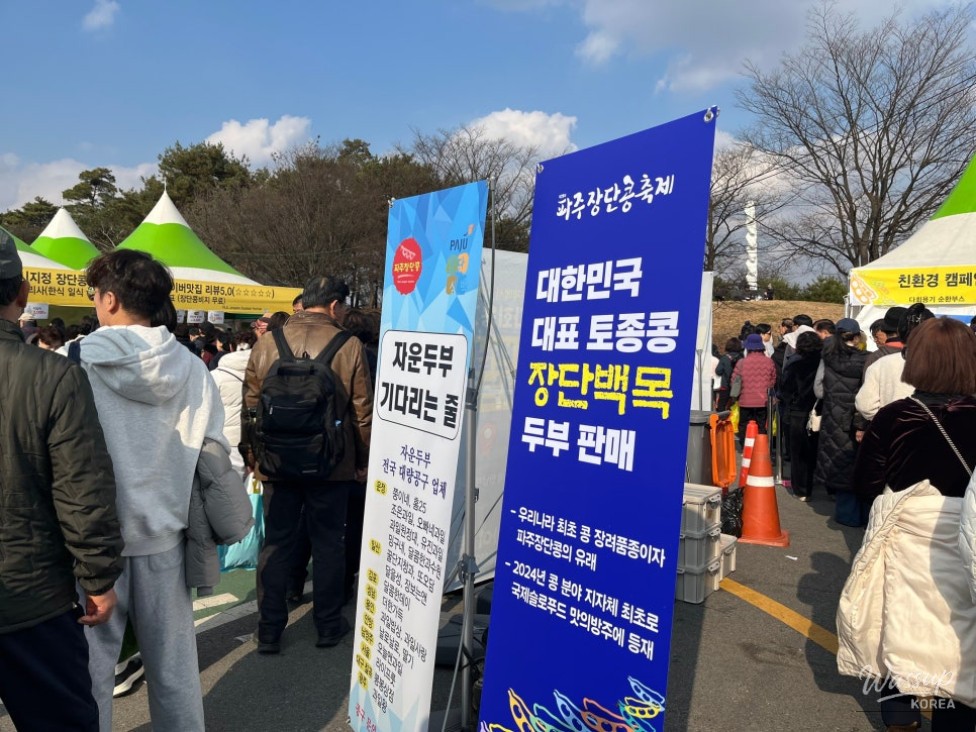
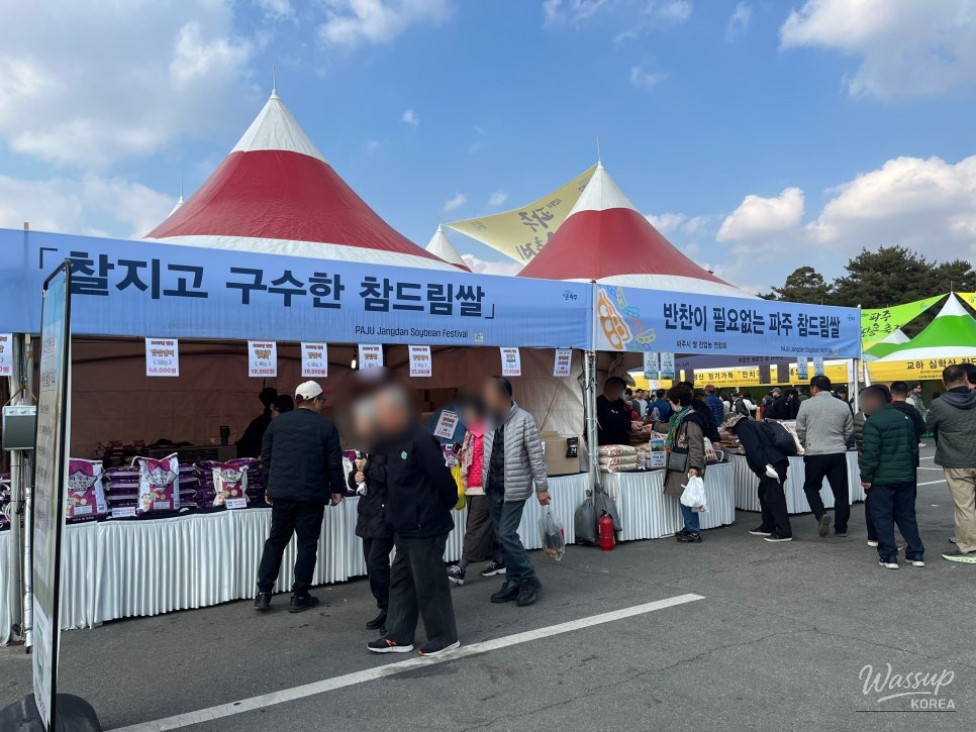
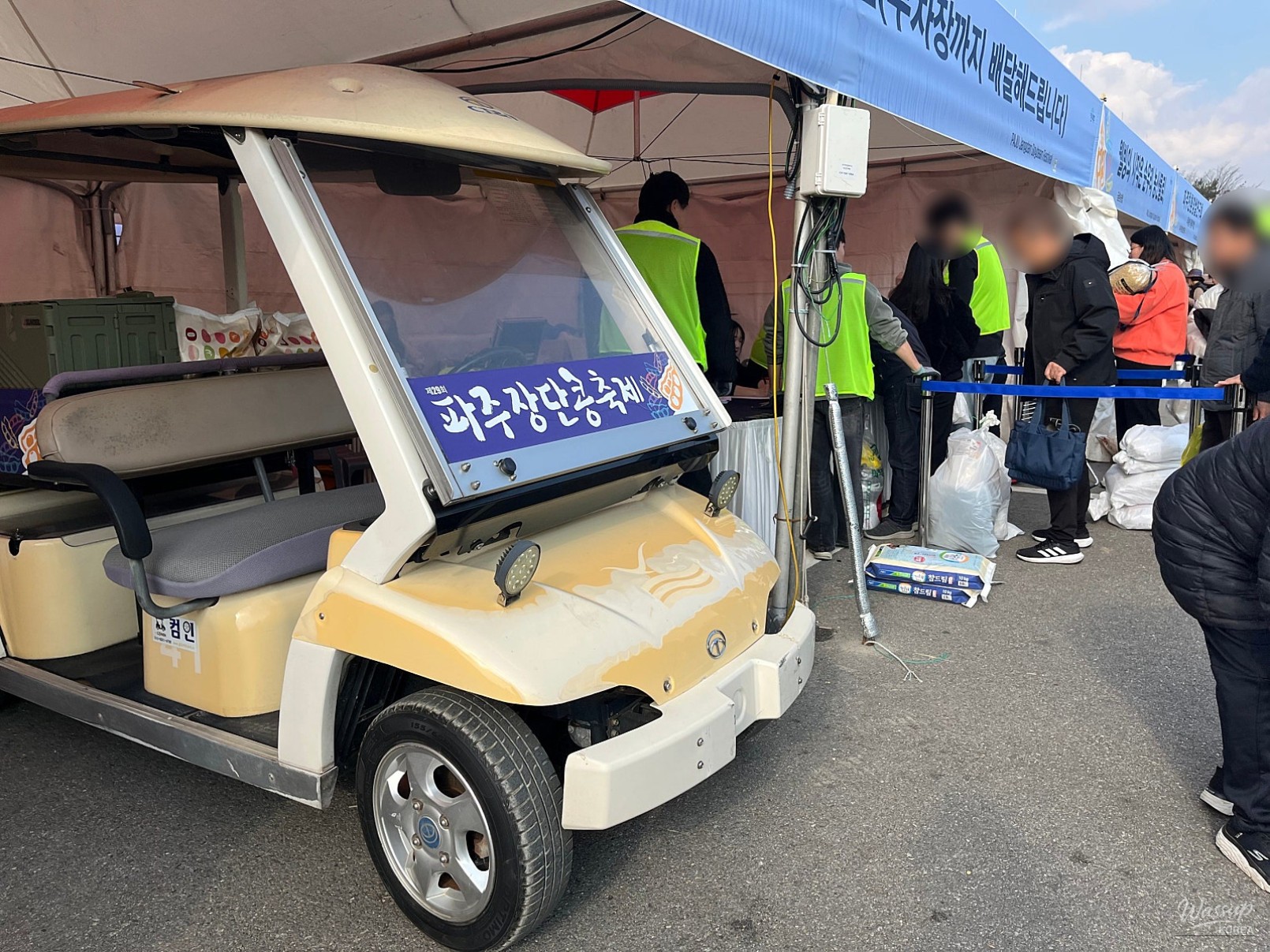
As soon as I entered, a large banner that read ‘Paju Jangdan Soybean Festival’ welcomed me, and on both sides, sales booths run directly by Paju farmers were lined up.
The first thing I felt as soon as I entered the Paju Jangdan Soybean Festival was the ‘scent.’ The savory smell of freshly made tofu wafted from somewhere, and the smell alone was enough to make me hungry.
I asked a farmer at a soybean-selling booth, "Why is this soybean called 'Jangdan soybean'?"
✅ He said that the fertile soil and clean water of the Imjin River basin, and the large daily temperature range, increase the protein content of the soybeans, making them excellent in taste and nutrition. When I bought the soybeans and ate them at home, they definitely tasted richer and more savory than commercial products, and I felt very satisfied that I had made a good purchase.
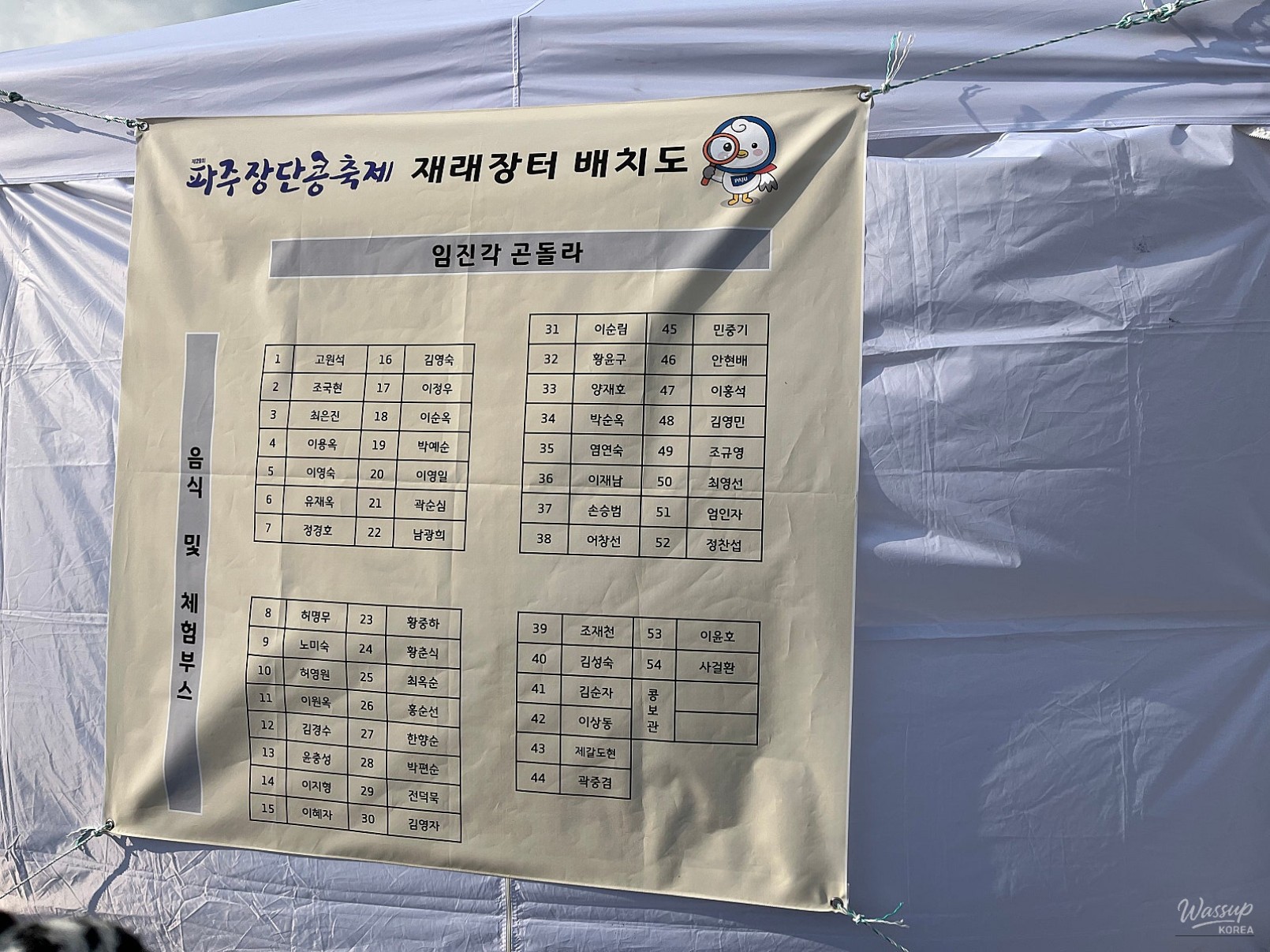
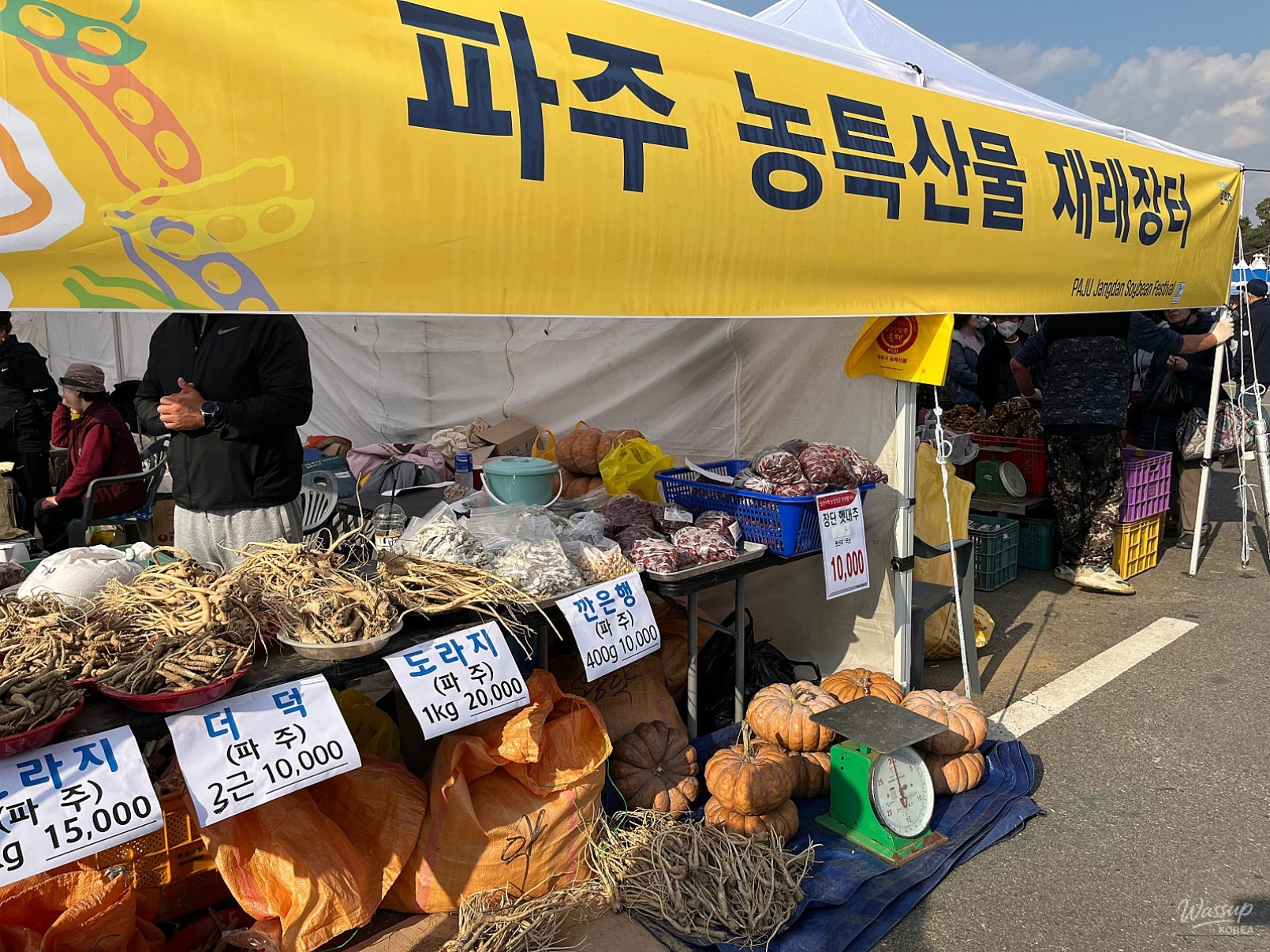
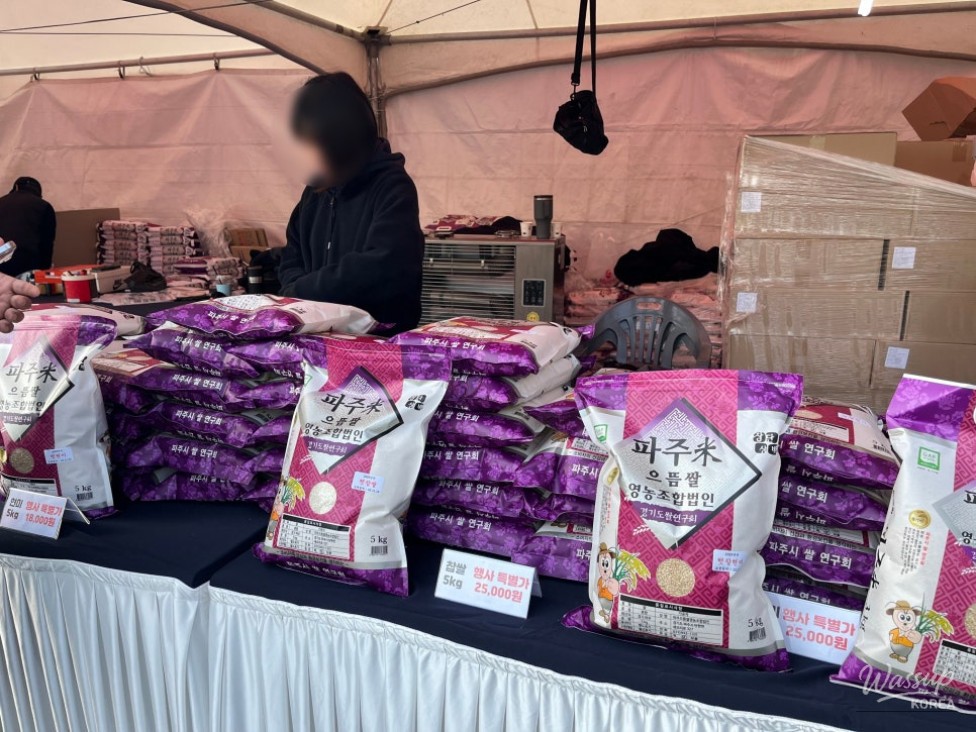
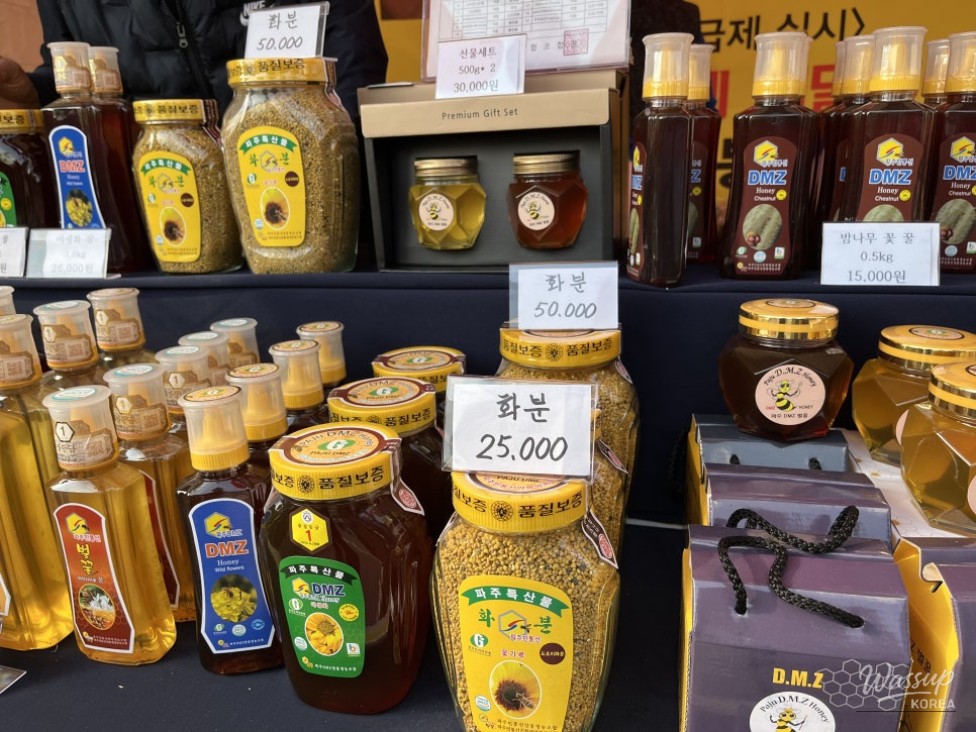
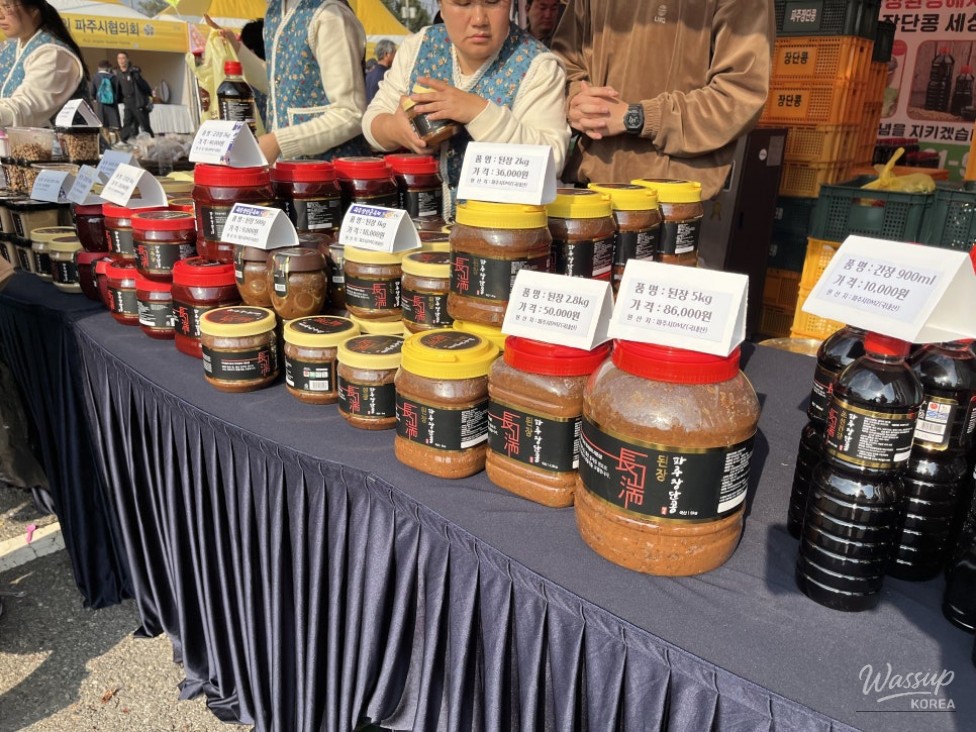
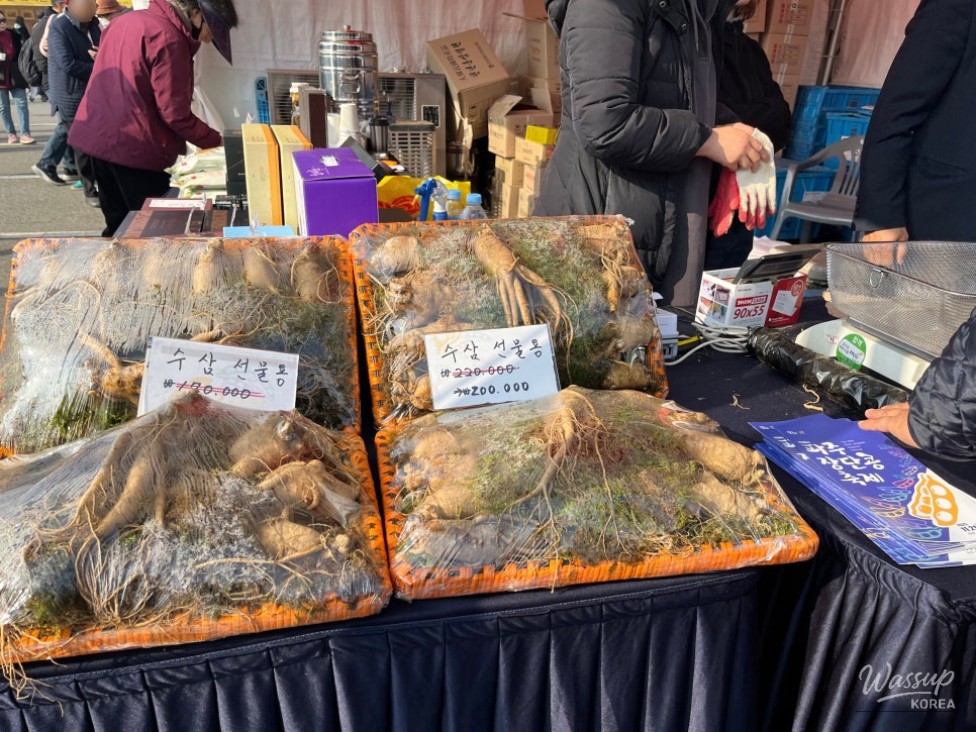
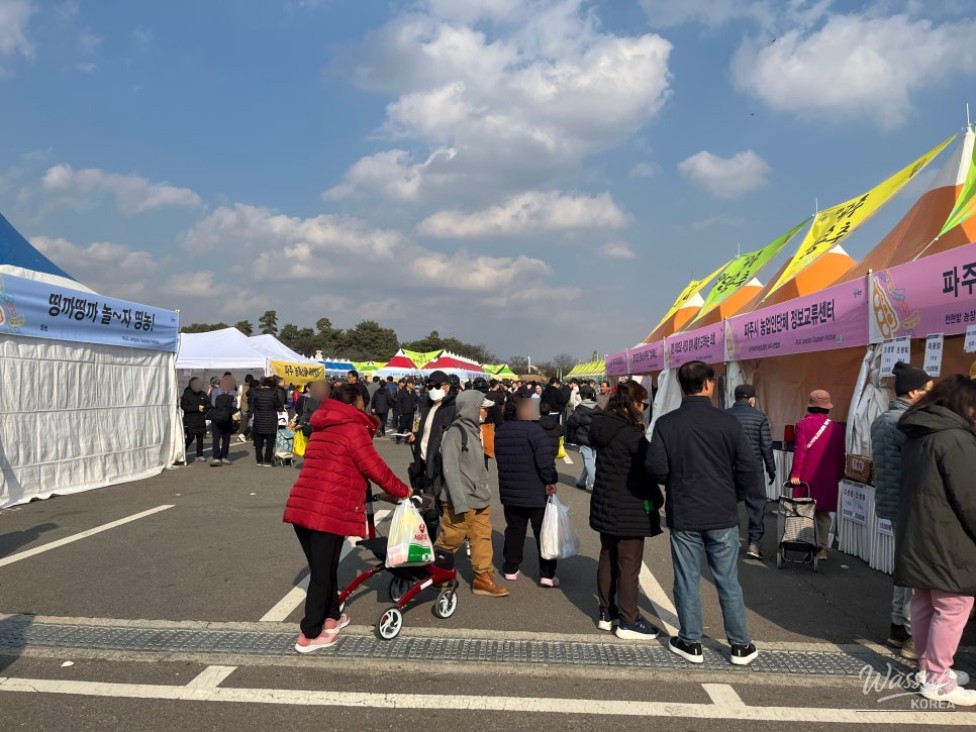
In one part of the Paju Jangdan Soybean Festival, there was a ‘Local Specialty Product Sales Zone’ run directly by Paju farmers.
They were selling not only Jangdan soybeans but also local specialties such as soy sauce and sesame oil.
Because the people who actually farm were selling them, they explained the production process and storage methods in detail, which gave me confidence.
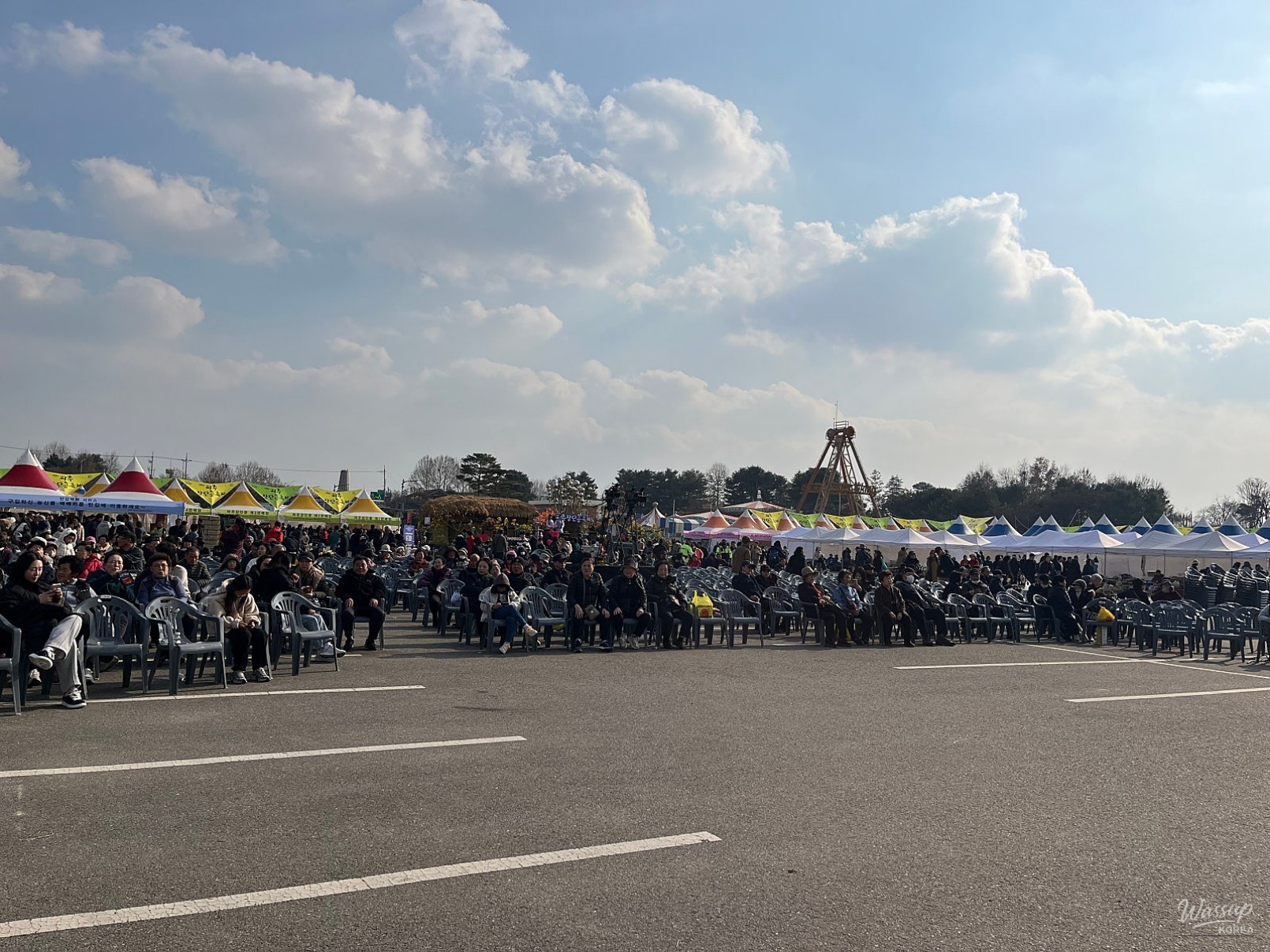
Above all, the Paju Jangdan Soybean Festival not only had a market and tastings, but also a central stage where you could listen to plays and invited singers, which made it even more exciting.
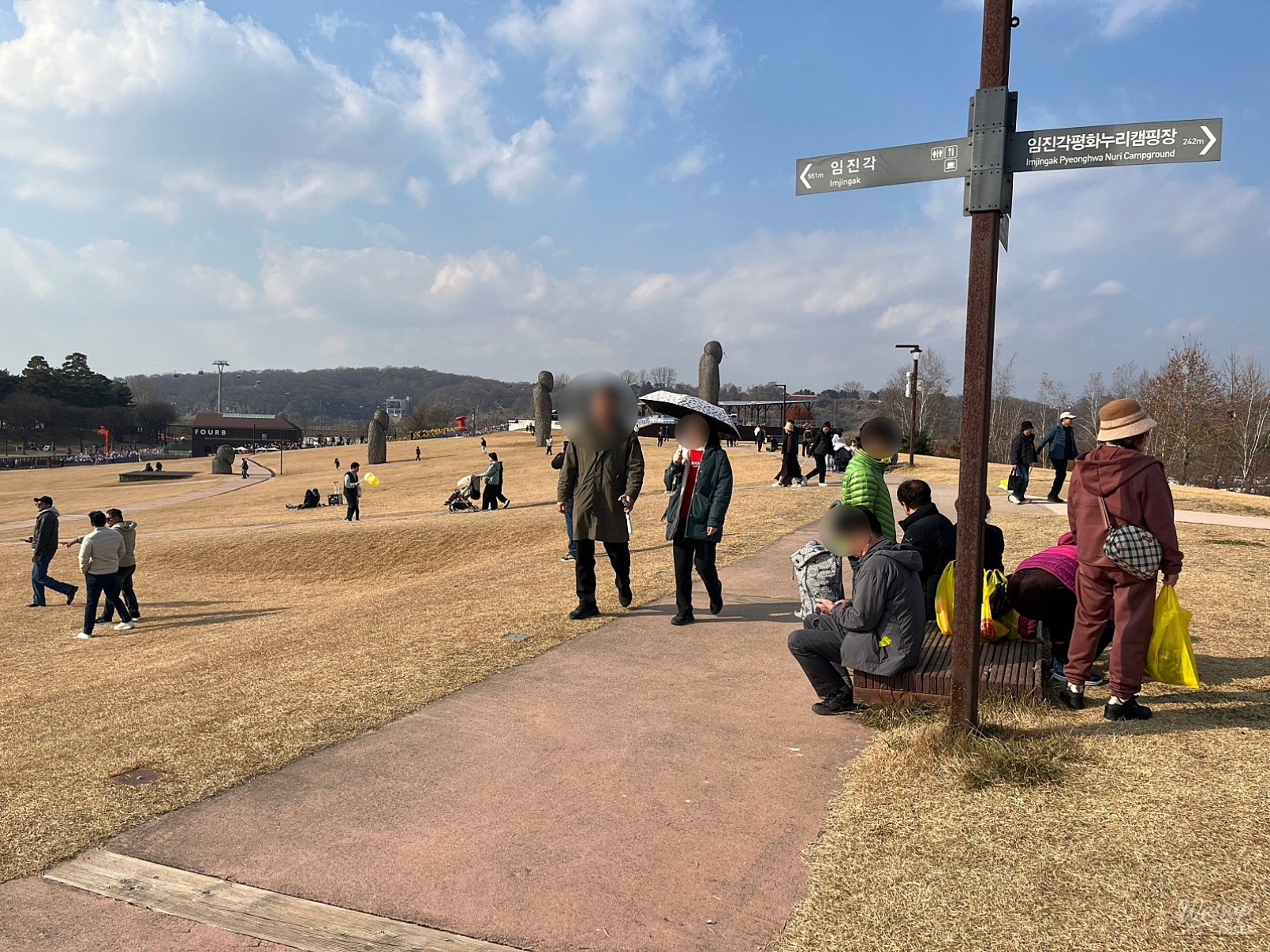
There were many families spreading out mats and eating lunch on the large lawn of Imjingak Peace Nuri Park, creating a relaxed and leisurely atmosphere like a picnic.
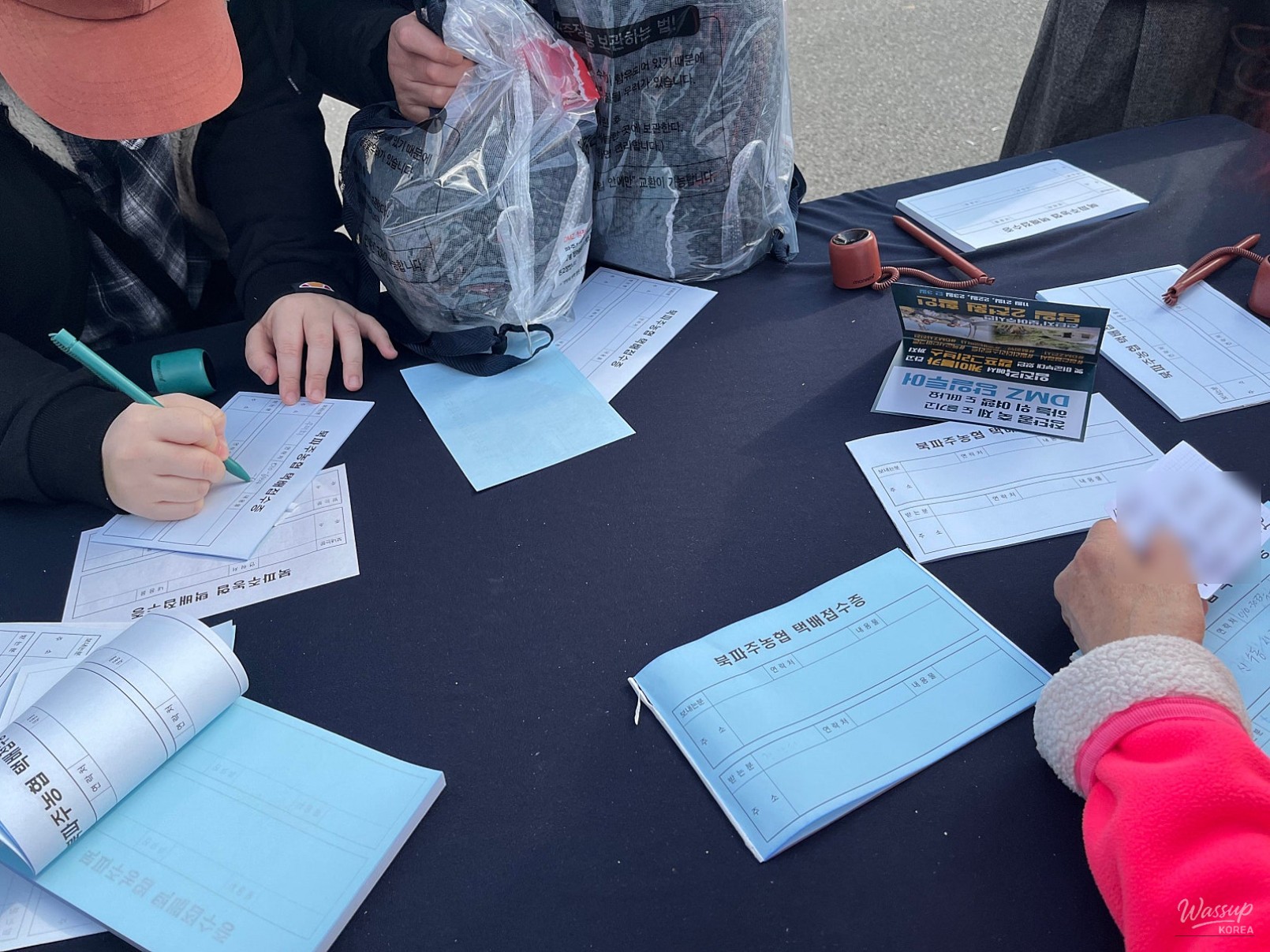
It was so convenient to use the half-price 택배 (delivery service) service on the spot to send 택배 or use the delivery service to the parking lot!
At the Paju Jangdan Soybean Festival, which has become a place where people, nature, rural areas, and cities come together, I could spend a day where everything, from the soybeans filled with the sincerity of local farmers to the laughter of children and the peaceful scenery of Imjingak, was warmly and quietly harmonized.
Through the Paju Jangdan Soybean Festival, I realized why the saying “Paju means Jangdan soybeans, and Jangdan soybeans mean Paju!” came about.
It was a meaningful time to feel the value of agriculture again and to support the power of Paju farmers. The festival is only held for 3 days, but Imjingak is a place full of things to enjoy all year round.
Peace Nuri Park, famous for its hill of thousands of colorful windmills, is great for taking a walk with children and perfect for taking pictures.
If you take the Imjingak Gondola that slowly moves across the sky along the Imjin River, you can see the Han River and the Demilitarized Zone at a glance.
In addition, there is the Dora Observatory where you can directly see the border between North and South Korea, and the Peace Bell Park & War Memorial Hall, which is great for studying history with children, so be sure to participate in the next Paju Jangdan Soybean Festival!
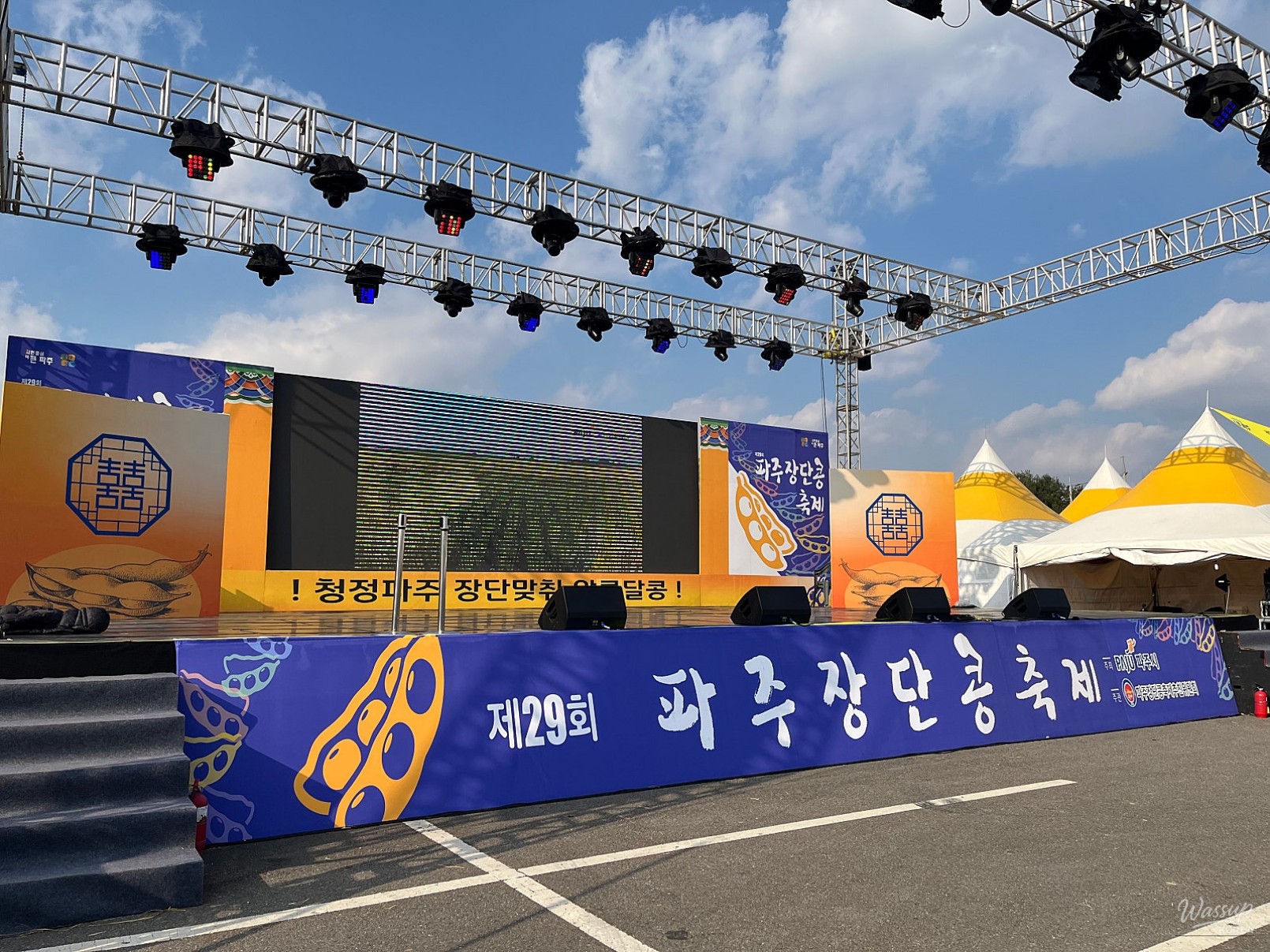










 Imjingak Peace Nuri Park, Samok-ri, Munsan-eup, Paju-si, Gyeonggi-do
Source :https://blog.naver.com/paju_si/224088518919
No comments yet.