Tomorrow Dream Cooperative: Pioneering Drone Technology for Agriculture and Logistics


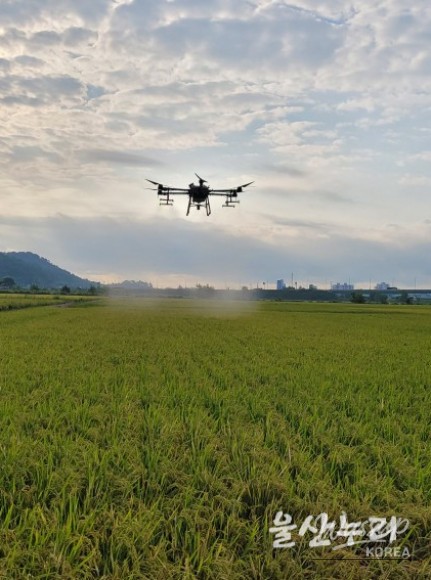
The Tomorrow Dream Cooperative in our village focuses on drone-based agricultural pest control, logistics, aerial photography, education, and experience.
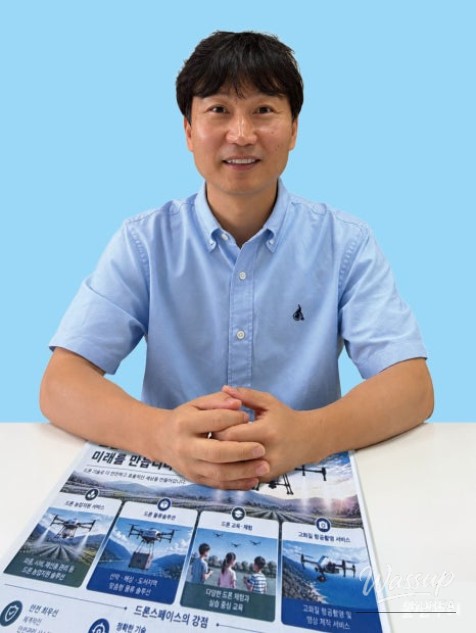
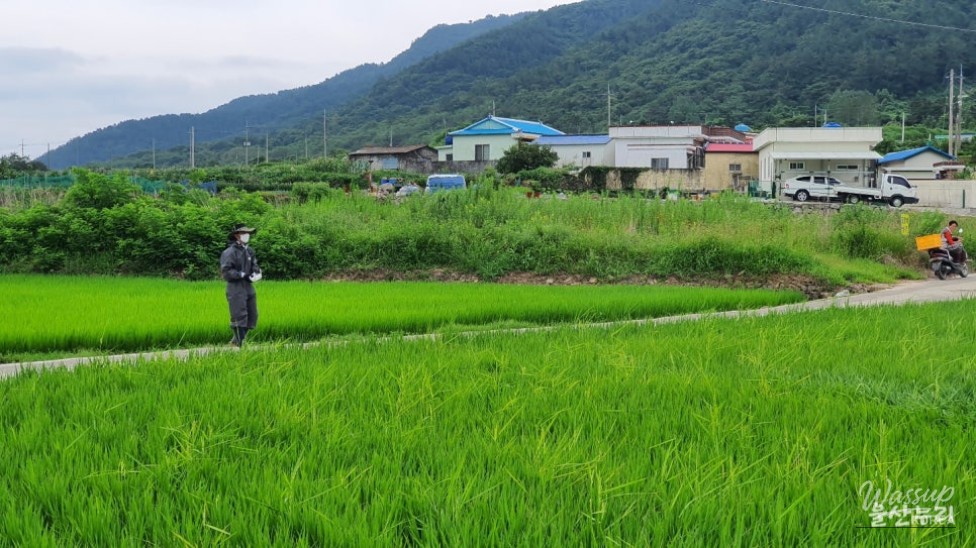
It was a scorching summer day when young CEO Jeong Jae-ho followed his father to the fields. The memory of his father's heavy breathing and the smell of sweat as he carried a pesticide hose and a long sprayer still lingers vividly.
"At that time, I thought it was just farm work. But as time passed, I realized how hard it was for people. I thought that if there were machines that could spray pesticides from the sky, farmers could work much more safely and comfortably." This single memory ultimately changed the direction of his life.
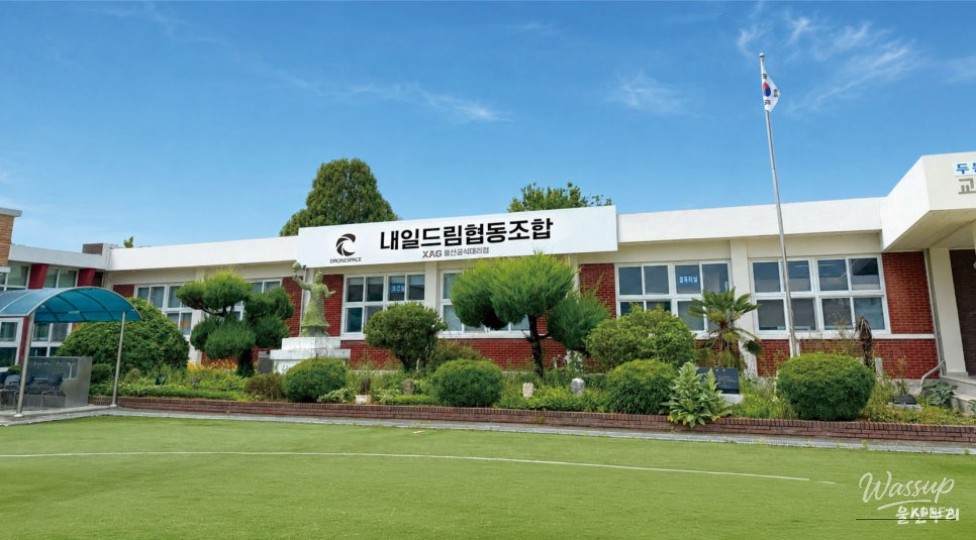
Having worked in the electrical and electronics sector, managing overseas transformer operations and monitoring, he left his stable job to dive into the drone industry. In 2018, he established the Tomorrow Dream Cooperative based on drone pest control activities.
Now, based in Ulsan's Ulju County, the Tomorrow Dream Cooperative is expanding its business areas, including drone agricultural support services, logistics solutions, education, and aerial photography, creating a future industry model unique to Ulsan.
"Drones are technologies that assist people," Jeong states. "They take over tasks that are difficult for humans, making life safer and more convenient." He does not see drones merely as equipment.
“Initially, farmers were skeptical, but those who experienced it once always reach out the following year. It's much safer and more efficient than going to the fields themselves.”
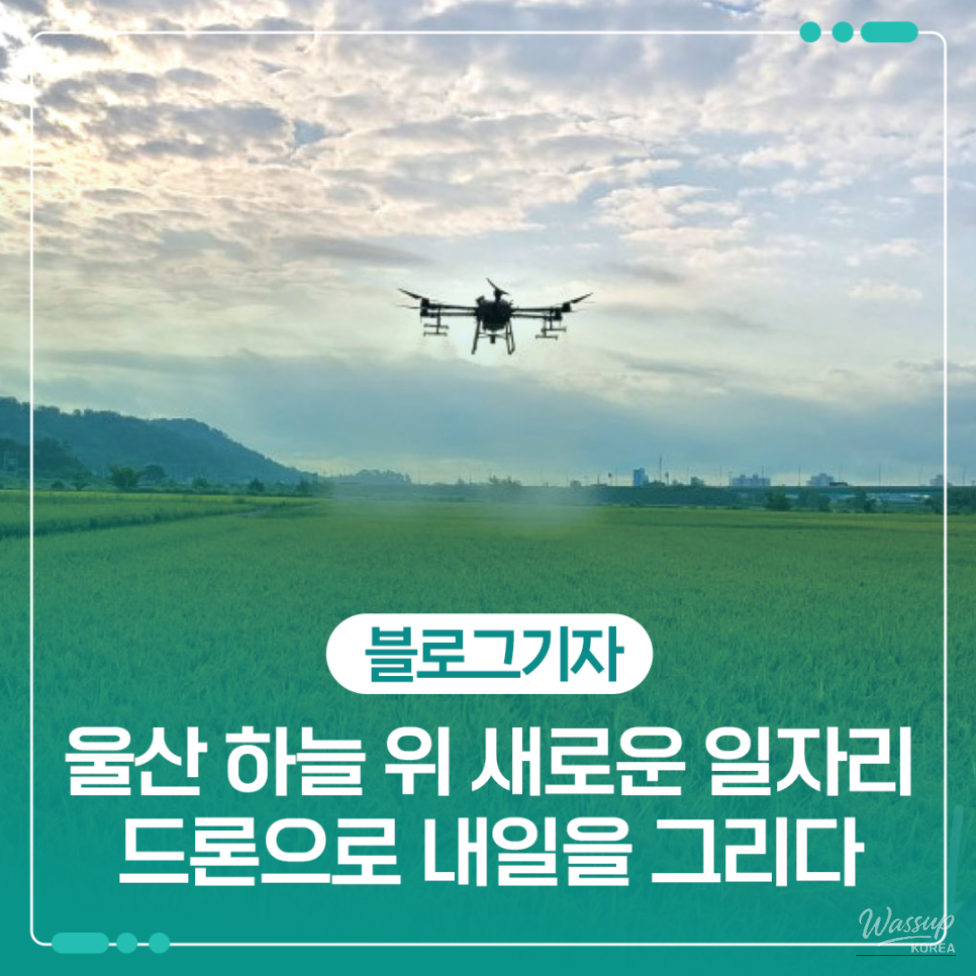
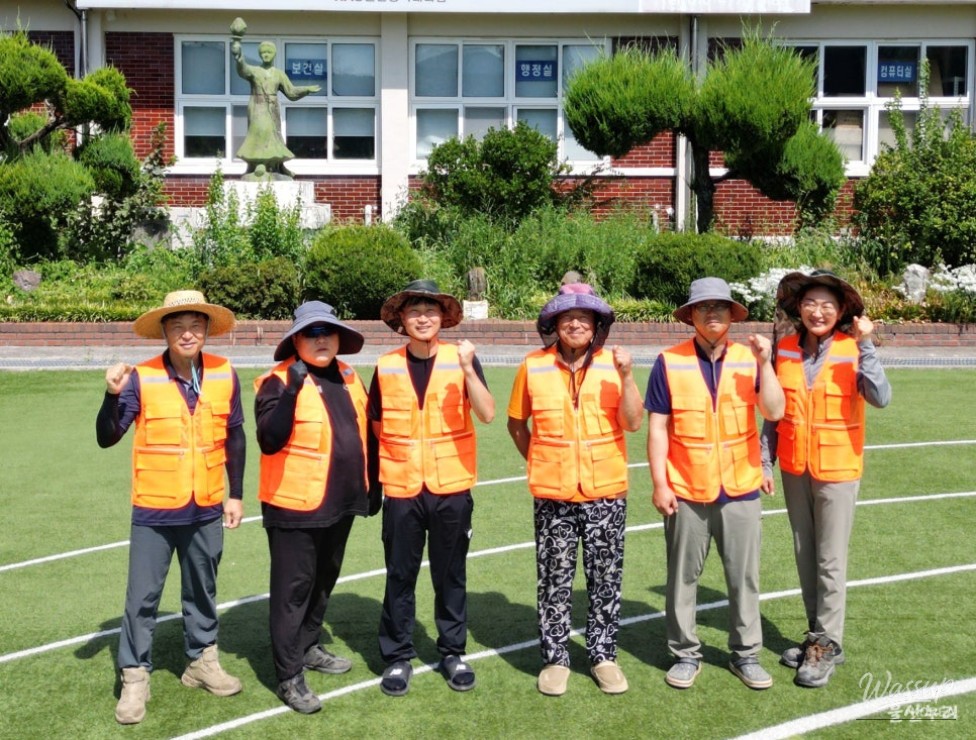
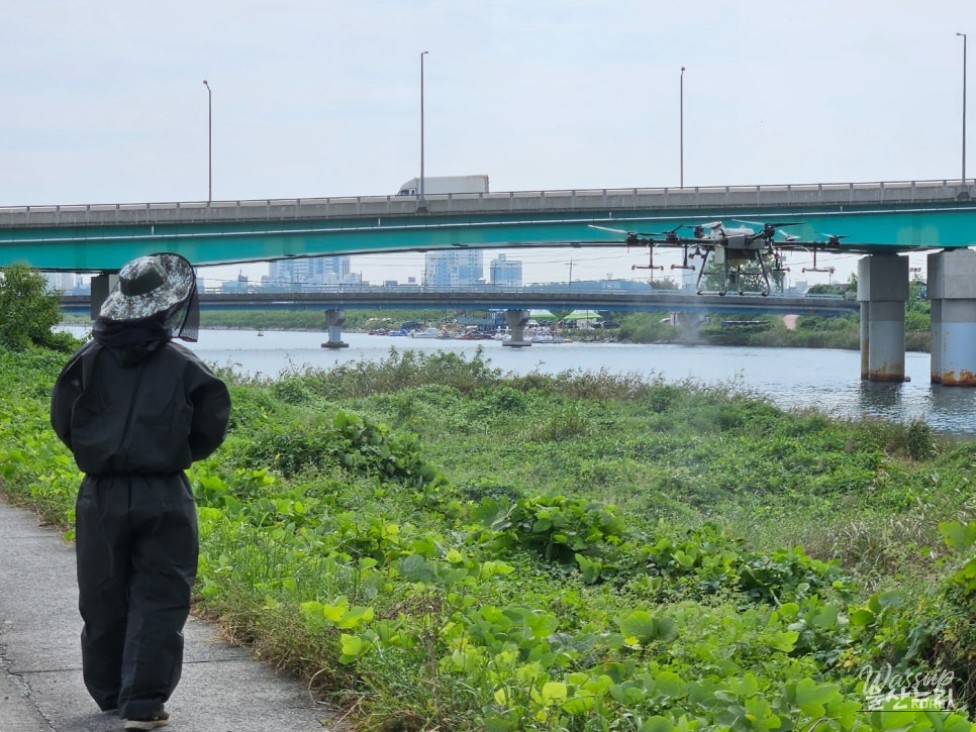
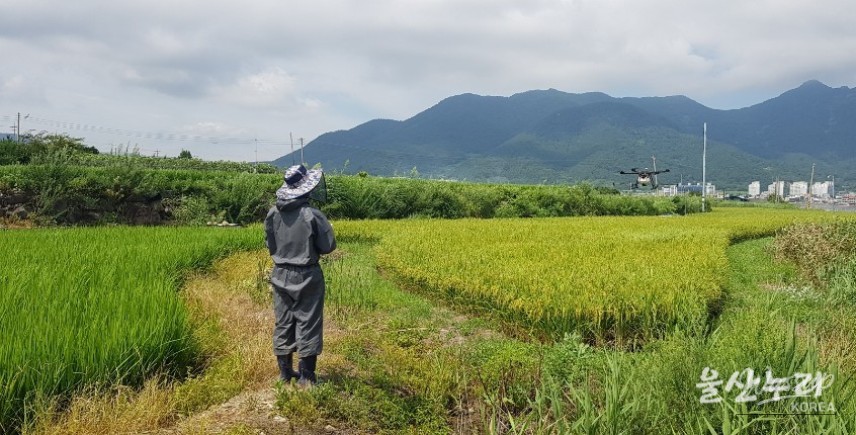
Currently, the Tomorrow Dream Cooperative collaborates with agricultural cooperatives and agricultural technology centers in Ulsan's regions such as Ungchon, Dudong, Duseo, Onsan, and Gangdong to carry out tasks like sowing seeds and controlling pests.
As rural aging intensifies, drone pest control is becoming an essential service that supports rural communities beyond just a novel technology.
“When farmers receive their harvest grades, we feel the tension too,“ Jeong shares. “Now, we have built a trusting relationship.”
Drone pest control is not just about flying machines; it requires consideration of power line locations, wind directions, field shapes, and the proximity of beekeeping operations and eco-friendly farmland. A small mistake can harm crops and the surrounding environment.
“Dangerous tasks that used to require helicopters will be largely replaced by drones in the future.” Tomorrow Dream is also expanding its business into future logistics.
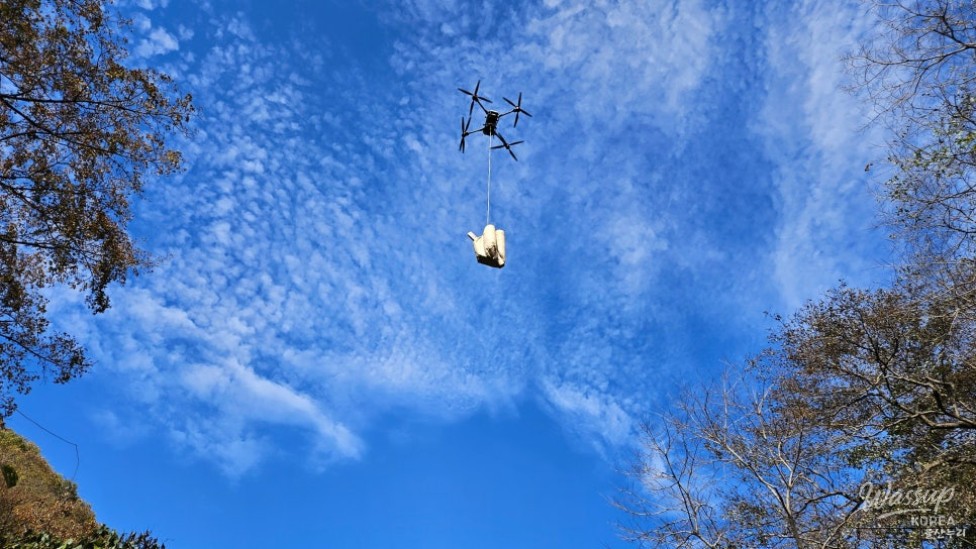
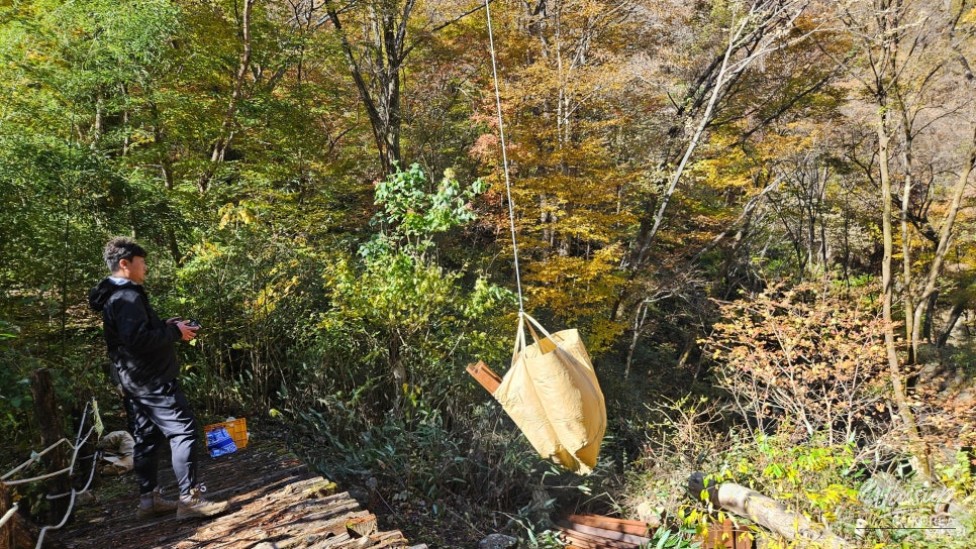
Currently operating large drones with a capacity of 30 kg, they are preparing to introduce 100 kg cargo drones. They are broadening their application to public services such as transporting construction materials in mountainous areas, delivering goods to island regions, and providing emergency logistics services.
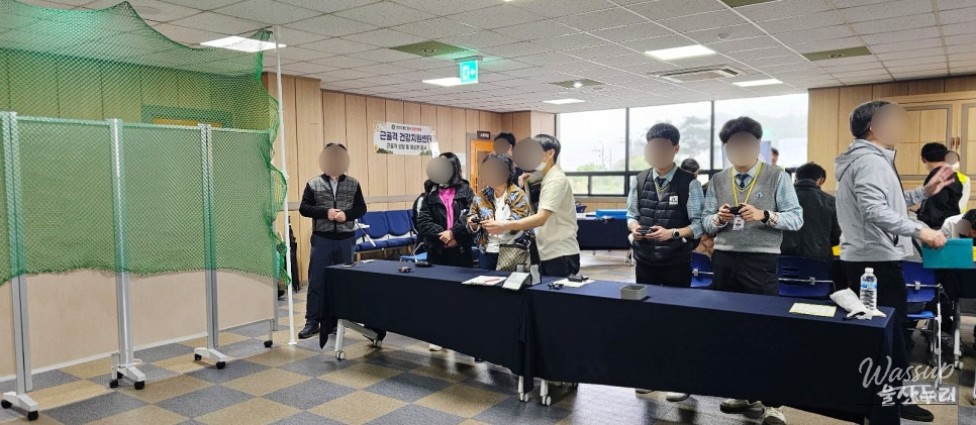
The Tomorrow Dream Cooperative is not only utilizing drones but also focusing on nurturing professional talent. They operate the national qualification training for "Light Aircraft Pilot License" required for commercial drone operations, essential for various fields like agricultural pest control, logistics, aerial photography, and facility inspections.
Through systematic theoretical education, practical flight training, and safety education, they provide opportunities for both younger and middle-aged individuals to develop new professional skills.
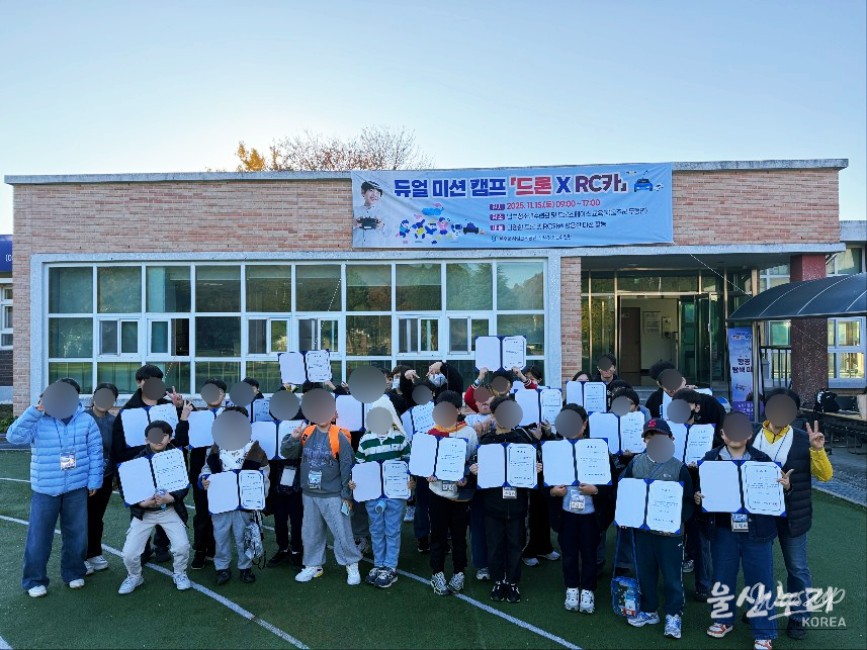
Additionally, they offer drone experience education for children and adolescents, which teaches the principles of drones and flight, garnering great interest as a career exploration program related to the future aviation industry and advanced technology.
Jeong emphasizes, “Drones are not just a hobby but a technology for preparing for the future,” wishing for local youth to challenge themselves in the drone industry to create new jobs and opportunities.
“Drones are not toys. They should not be flown anywhere.” With the rapid popularization of drones, Jeong stresses the importance of safety.
In Ulsan, there are numerous restricted and no-fly zones. Areas around the national garden require flight permits as they fall within the radius of Ulsan Airport, and regions around the Bangudae Petroglyphs are protected cultural heritage sites needing special permission. Flights are also prohibited around nuclear power plants without authorization.
Drones can typically fly below 150 meters, but immediate safety measures must be taken if helicopters or manned aircraft approach. Jeong recalls incidents where people have fallen into ditches while distracted by drones, emphasizing the importance of prioritizing safety over technology.
“Tomorrow Dream creates a smarter future with drones. Ultimately, what we want to create is not just technology but a better tomorrow for people.” The goal of Tomorrow Dream Cooperative is simple: to replace difficult tasks for people and create technologies that genuinely help the community.
The small dream of a boy watching his father's sweat in the fields has now taken flight as a drone, assisting rural areas, saving lives, and moving towards the future. Tomorrow Dream Cooperative continues to soar towards Ulsan's future.

Source :https://blog.naver.com/ulsan_nuri/224305438779
No comments yet.